The modern automotive landscape has undergone a seismic shift in the last decade, transitioning from mechanical reliance to software-defined safety. While Advanced Driver Assistance Systems (ADAS)—encompassing features like lane-keeping assist, automated emergency braking (AEB), and intelligent speed assistance—have undoubtedly saved countless lives, their implementation has reached a point of friction. For many motorists, the experience of driving a new vehicle is no longer characterized by the seamless integration of technology, but by a relentless barrage of "bings and bongs" that serve as constant, and often intrusive, reminders of the car’s electronic oversight.
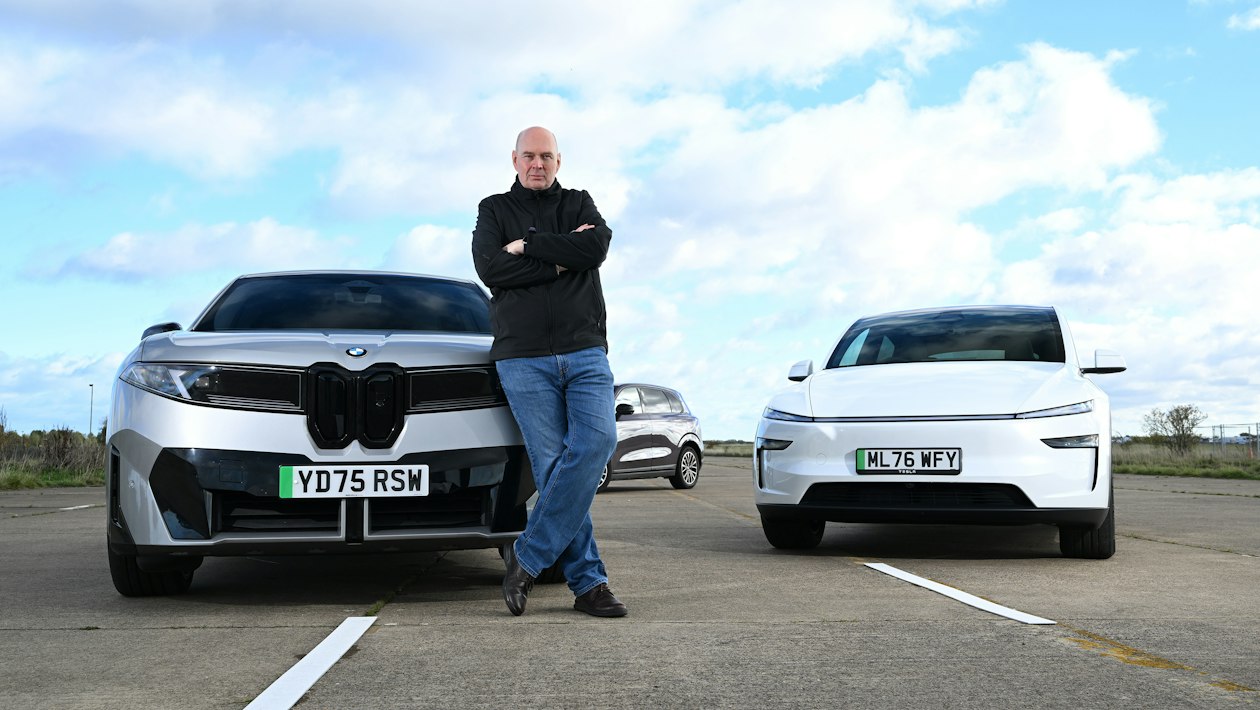
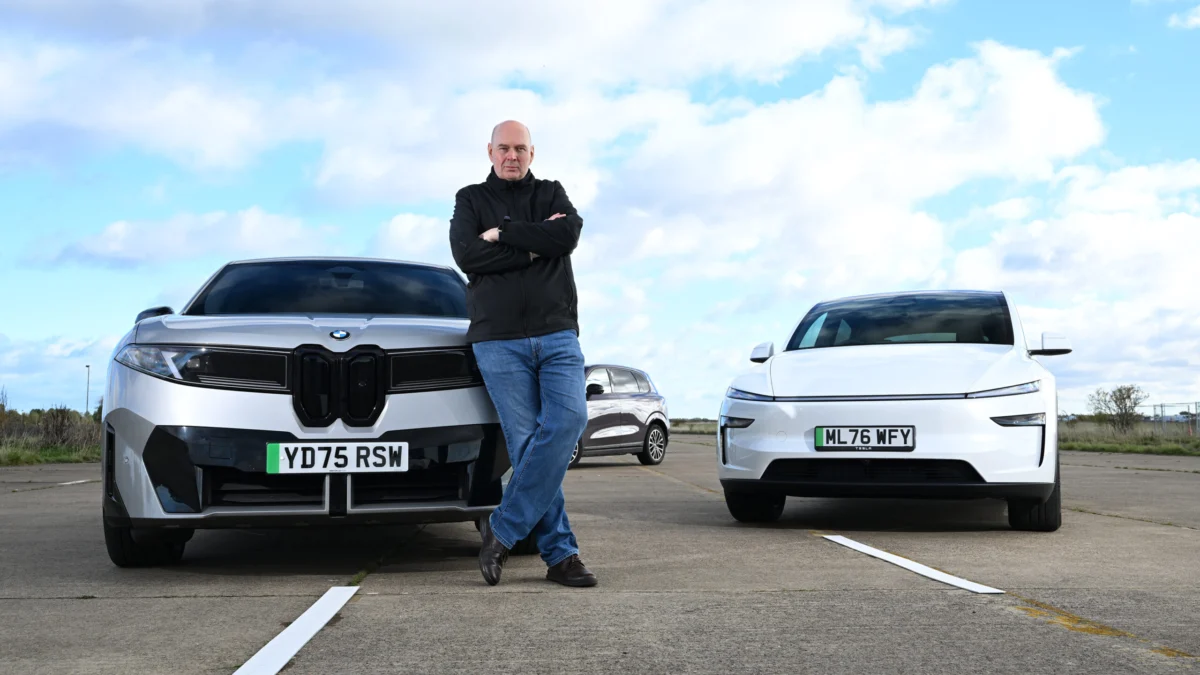
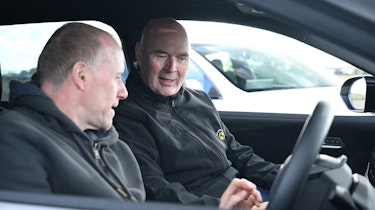
Matthew Avery, the director of strategic development at Euro NCAP, has identified this as a critical failure in current automotive design. The issue, he argues, is not the technology itself, but the "ham-fisted" way in which it is presented to the driver. When safety systems are overly sensitive or prone to false positives, they induce a sense of irritation that leads to a dangerous, albeit predictable, outcome: the driver deactivates the system entirely.
The Paradox of Over-Regulation
The comparison Avery draws is stark: "Imagine drivers just turning their airbag off—or their seatbelt!" Yet, this is exactly what is happening with ADAS features. By flooding the cabin with audible and visual alerts for minor lane deviations or speed limit inconsistencies, manufacturers are inadvertently conditioning drivers to view safety features as an annoyance rather than a protection.

This phenomenon represents a significant setback for the European New Car Assessment Programme, which has spent decades pushing for the adoption of these very systems. For years, the industry focus was solely on "passive safety"—how well a vehicle could protect its occupants during a collision. As technology evolved, the goalposts shifted toward "active safety," which aims to mitigate or entirely prevent the collision from occurring in the first place.
Avery’s career, spanning over two decades, offers a unique perspective on this evolution. He recalls the early days of assessing Volvo’s "City Safety" system at Thatcham Research. At the time, it was a breakthrough moment—a realization that cars could finally "see" the world around them and intervene to prevent the most common types of road accidents. That period ignited a decade of rapid innovation, but in the rush to meet regulatory requirements and safety star ratings, the user experience was often treated as an afterthought.
Establishing the New Assessment Standard
In response to the growing chorus of consumer frustration, Euro NCAP is launching a rigorous, long-term initiative to hold manufacturers accountable for the quality and "annoyance factor" of their ADAS suites. The organization has already begun a new, 2,000-kilometer on-road assessment program designed to quantify the effectiveness of these systems in real-world conditions.
This isn’t merely a theoretical exercise. By 2029, Euro NCAP plans to incorporate these findings into its formal star-rating system. The implications for automakers are clear: if a system is deemed too aggressive, prone to false alarms, or inherently annoying to the point of being ignored, the vehicle will be penalized. This shift in criteria is designed to force engineers to move away from "crude" implementation and toward more intuitive, threat-based detection systems.
The Shift Toward Threat-Based Detection
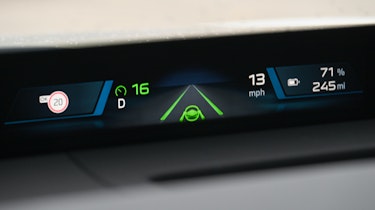
The future of driver assistance, according to experts like Avery, lies in "threat-based" logic. Current systems often operate on a binary basis—if a line is crossed or a speed limit is exceeded, the alarm sounds, regardless of the context. Threat-based systems, conversely, are designed to interpret the driver’s intent and the surrounding environment.
For instance, if a driver intentionally crosses a lane marking to avoid a pothole or a cyclist, a sophisticated system would recognize that this action does not constitute a hazard. It would only intervene if the vehicle’s path truly intersected with an oncoming car or a pedestrian. BMW’s latest generation of driver-monitoring technology is an example of this philosophy in action. By monitoring the driver’s gaze, steering input, and external traffic flow, the car can make a nuanced decision about whether to remain silent or provide an alert.
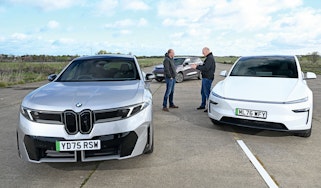
"With threat-based systems, we want to get to the situation whereby the driver doesn’t experience ADAS because the system’s so dialed back it only intervenes if you’re about to run into the back of a car or run a child over," Avery explains. This is the gold standard of safety: a system that provides the ultimate safety net without interfering with the daily driving experience.
Supporting Data and Industry Context
The evidence supporting the value of ADAS remains overwhelming, despite the implementation flaws. Data indicates that Level 2 motorway assistance, such as adaptive cruise control with steering assist, can reduce crash rates by 30 to 40 percent. These systems are particularly effective at preventing the most common motorway accidents: rear-end collisions and vehicles running off the road due to driver fatigue or distraction.

However, the efficacy of these systems is tied directly to their adoption. If 20 percent of drivers choose to disable their lane-keeping assist because it tugs at the wheel on winding roads, the system’s aggregate benefit to society is significantly diminished. Euro NCAP’s upcoming data collection, which will involve tens of thousands of kilometers of driving across various vehicle platforms, will provide the scientific basis for the 2029 ratings. This initiative aims to bridge the gap between theoretical safety and practical application.
The Broader Impact on Automotive Engineering
The move by Euro NCAP is already rippling through the automotive industry. Manufacturers are being put on notice that they can no longer simply tick a box to indicate that a lane-support system is present. They must prove that the system is calibrated to be "intelligent" in its interaction. This is forcing a massive increase in the complexity of software integration.
Furthermore, this debate touches on the broader trend of "software-defined vehicles." As cars become more like computers, the human-machine interface (HMI) becomes the most important aspect of the vehicle. Automakers are currently caught in a transition period: they are required by law to include certain alerts, but they are also being criticized for the execution of those alerts. The solution, as suggested by recent industry discussions, involves moving away from static, loud warnings and toward more subtle haptic feedback or intuitive dashboard indicators that do not distract the driver.
Future Outlook: Beyond 2029
The timeline for these changes is measured in years, reflecting the slow pace of automotive development cycles. However, the influence of Euro NCAP is immense. By setting these new standards, they are essentially creating a blueprint for the next generation of global safety requirements.
As the industry moves toward 2030, the focus will likely shift from merely having safety systems to having "human-centric" safety systems. The integration of artificial intelligence to better detect the state of the driver—whether they are tired, impaired, or distracted—will be the next hurdle. Effective monitoring must be precise; an inaccurate warning is just as damaging to user trust as an overly sensitive lane-keeping system.
Ultimately, the goal of Euro NCAP and stakeholders like Matthew Avery is to ensure that technology serves the driver rather than antagonizing them. The mission to "banish the bings and bongs" is about more than just reducing noise pollution in the cabin; it is about reclaiming the driver’s trust in safety systems. If successful, this evolution will ensure that when the technology finally does need to intervene, the driver will be listening. As it stands, the automotive industry has been handed a clear directive: refine the technology, reduce the annoyance, or face the consequences in the next round of safety ratings. The era of "check-the-box" safety is coming to a close, replaced by an era where usability is the final frontier of vehicle security.