Netflix is venturing further into the enchanting and often peculiar world of Roald Dahl, announcing a new animated feature film, "Charlie vs. The Chocolate Factory," which aims to reimagine the iconic chocolatier’s story for a contemporary audience. This ambitious project, set to be released next year, follows the successful origin story of Willy Wonka depicted in the recent live-action film and signifies Netflix’s continued commitment to expanding its Roald Dahl cinematic universe. The streaming giant, which acquired the entire Roald Dahl Story Company in 2021, is leveraging its partnership with Sony Pictures Imageworks, the Academy Award-winning studio responsible for Netflix’s most-watched film to date, "Kpop Demon Hunters," to bring this fresh take to life.
The narrative of "Charlie vs. The Chocolate Factory" deviates significantly from established lore, pushing the timeline beyond the original books and introducing a host of new characters. The film is slated to feature the vocal talents of Taika Waititi, known for his distinctive comedic style and directorial work on films like "Thor: Ragnarok" and "Jojo Rabbit," who will be lending his voice to the enigmatic Willy Wonka. Waititi is also serving as an executive producer on the project. Joining him is Kit Connor, a rising star recognized for his roles in "Heartstopper" and "His Dark Materials," who will voice the central teenage protagonist, Charlie Paley.
The film’s premise positions a post-imprisonment Willy Wonka, released for the infamous crime of transforming a child into a blueberry – a direct nod to the events of "Charlie and the Chocolate Factory." Having served his time, Wonka returns to his factory with a renewed, albeit perhaps still unconventional, desire to bring sweetness to a world he perceives as bitter. However, his plans are met with resistance from a new generation of enterprising, and as the film suggests, "rotten" teenagers, led by Charlie Paley. Facing the imminent threat of eviction from their homes, this group plots an audacious heist to infiltrate Wonka’s factory, abscond with a coveted Wonka Bar, and ultimately save their community. The synopsis hints at the classic Dahl-esque cautionary tale, suggesting that these young intruders are in for a far more fantastical and challenging experience than they anticipate within the labyrinthine confines of Wonka’s renowned confectionery empire.
Directors Jared Stern, a writer behind "The Lego Batman Movie," and Elaine Bogan, who helmed "Trollhunters: Tales of Arcadia," expressed their enthusiasm for the project, highlighting their deep-seated connection to Dahl’s work. "Having been raised on the delightfully twisted world of Willy Wonka, it’s a privilege to bring his continued adventures to life as twisted adults," they stated in a joint release. "And how sweet to do it like never before via the magic of animation, creating a ‘Charlie vs. the Chocolate Factory’ that’s more deliciously unhinged than your wildest imagination." Their statement underscores an intent to capture the spirit of Dahl’s original stories while injecting a modern, unhinged sensibility, a hallmark of their directorial styles. They further added, with a touch of characteristic whimsy, "If we do a rotten job, you can throw us down a rubbish chute!"
Kit Connor shared his immediate connection to the film’s vision, noting that the early concept art and the overarching direction resonated deeply with him. He commented, "The early concept art and vision for the film really caught my eye. It captures the spirit and heart that made the original story so special, whilst imbuing it with something so fresh and unique." This sentiment suggests a careful balance between honoring the source material and forging a distinct identity for the new animated feature.
Taika Waititi echoed Connor’s excitement, emphasizing the personal significance of the Wonka character. "The character of Wonka is so special to me," Waititi remarked. "The opportunity to voice such an iconic, eccentric candy genius – if a little mischievous at times – is hugely exciting." His involvement as both a voice actor and executive producer is expected to infuse the character with his signature blend of humor and pathos, potentially offering a nuanced portrayal of the famed chocolatier.
The production of "Charlie vs. The Chocolate Factory" is helmed by seasoned producers Aron Warner, an Oscar winner for "Shrek," and Timothy Yoo, known for his work on "Back to the Outback" and "Green Eggs and Ham." Their combined experience in animation and family-friendly filmmaking is expected to guide the project towards a successful reception.
Hannah Minghella, Head of Feature Animation and Family Film at Netflix Animation Studios, expressed her confidence in the directorial duo and the creative direction of the film. "With their singular comedic and visual flair, Jared and Elaine have concocted a delightful adventure that remains true to the spirit of Dahl’s beloved novel while imagining a brand new story that introduces this world to a new generation," Minghella stated. "We can’t wait for audiences around the world to experience the magic and mayhem for themselves when the film comes out next year." This statement highlights Netflix’s strategic intent to introduce Dahl’s enduring characters and narratives to younger demographics while simultaneously appealing to long-time fans.
The announcement of "Charlie vs. The Chocolate Factory" is part of a broader, multi-faceted strategy by Netflix to capitalize on the rich literary estate of Roald Dahl. Since acquiring the Roald Dahl Story Company in 2021, the streaming service has embarked on a series of adaptations and spin-offs. This includes the animated feature "The Twits," released last year, the critically acclaimed Wes Anderson short film "The Wonderful Story of Henry Sugar" in 2023, and the musical adaptation "Matilda the Musical" in 2022. The company’s next venture within the Wonka universe will be the competition series "The Golden Ticket," also inspired by "Charlie and the Chocolate Factory." This diverse portfolio demonstrates Netflix’s commitment to exploring various facets and tones within Dahl’s expansive bibliography.
Roald Dahl’s "Charlie and the Chocolate Factory" remains one of the most enduring and beloved children’s novels globally. The book has been translated into nearly 60 languages and has consistently ranked as the best-selling Roald Dahl book in over 25 countries. Its enduring popularity is a testament to its imaginative storytelling, unforgettable characters, and timeless themes of morality, consequence, and the allure of wonder. The novel’s continued cultural relevance underscores the potential for new interpretations and expansions of its universe.
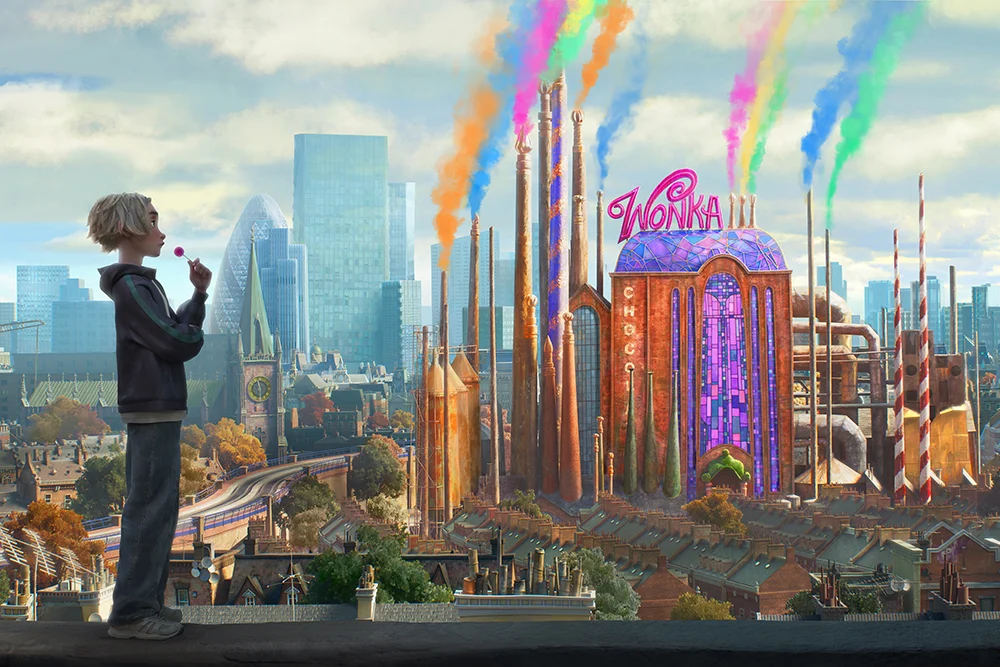
The decision by Netflix to produce "Charlie vs. The Chocolate Factory" represents a significant investment in animated storytelling and a bold reimagining of a cherished classic. By setting the story in modern-day London and introducing a new generation of protagonists, the film aims to resonate with contemporary audiences while offering a fresh perspective on familiar themes. The collaboration with Sony Pictures Imageworks, known for its high-quality animation and visual storytelling, further bolsters the project’s potential for success.
The film’s narrative, which positions Wonka as a figure emerging from incarceration and confronting a new wave of challenges from a group of young activists, offers a contemporary twist on the power dynamics inherent in the original story. This approach could explore themes of social justice, community activism, and the clash between established institutions and youthful defiance. The inclusion of new characters like Charlie Paley suggests an exploration of diverse motivations and perspectives within the narrative, moving beyond the singular focus on Charlie Bucket.
The involvement of Taika Waititi as both voice actor and executive producer is a significant draw. Waititi’s distinctive comedic sensibilities and his ability to blend humor with emotional depth have made him a highly sought-after talent. His interpretation of Willy Wonka is anticipated to be unique, potentially offering a more complex and perhaps even vulnerable portrayal of the eccentric chocolatier. The choice of Kit Connor to voice Charlie Paley also signals a commitment to casting emerging talent who can bring authenticity and relatability to their roles.
The directors’ stated intention to create a "deliciously unhinged" animated experience suggests that "Charlie vs. The Chocolate Factory" will not shy away from the darker, more surreal elements that are characteristic of Roald Dahl’s writing. This approach could appeal to audiences who appreciate the quirky, boundary-pushing nature of his stories. The animated medium offers a unique opportunity to bring these fantastical elements to life in a visually dynamic and imaginative way, potentially surpassing the limitations of live-action.
The strategic implications of Netflix’s continued investment in the Roald Dahl universe are considerable. By developing a diverse slate of content across various formats and genres, Netflix aims to establish a dominant presence in the family entertainment market. The success of previous adaptations, such as "Matilda the Musical," indicates a strong audience appetite for Dahl’s stories. "Charlie vs. The Chocolate Factory" is positioned to be a cornerstone of this strategy, offering a fresh and engaging entry point for new viewers while providing a novel experience for existing fans.
The film’s release next year is anticipated to be a major event for animation enthusiasts and fans of Roald Dahl’s literary legacy. The combination of a beloved source material, a talented creative team, and Netflix’s global distribution platform suggests that "Charlie vs. The Chocolate Factory" has the potential to become a significant cultural touchstone, further solidifying the enduring appeal of Willy Wonka and his magical, and sometimes menacing, world. The success of this project could pave the way for even more ambitious explorations of Dahl’s extensive catalog, reinforcing Netflix’s position as a leading force in family entertainment.