The scale of the devastation across the Nebraska Sandhills is difficult to comprehend from the seat of a pickup truck, but for Mike Wintz, the loss is measured in every blackened acre of the 11,000-acre ranch he has spent two decades stewarding. For 21 years, Mike and his wife, Kayla, have worked to maintain their cow-calf operation near Bingham, Nebraska, a legacy passed down from Kayla’s parents who had spent a quarter-century building the business before them. In a terrifying window of less than six hours, nearly the entirety of that multi-generational effort was consumed by a fast-moving wall of flame. The Wintz ranch is just one casualty in a historic wildfire season that has redefined the limits of disaster for the state of Nebraska, signaling a transformative and dangerous shift in the region’s ecological and economic landscape.
A Record-Breaking Season of Flame
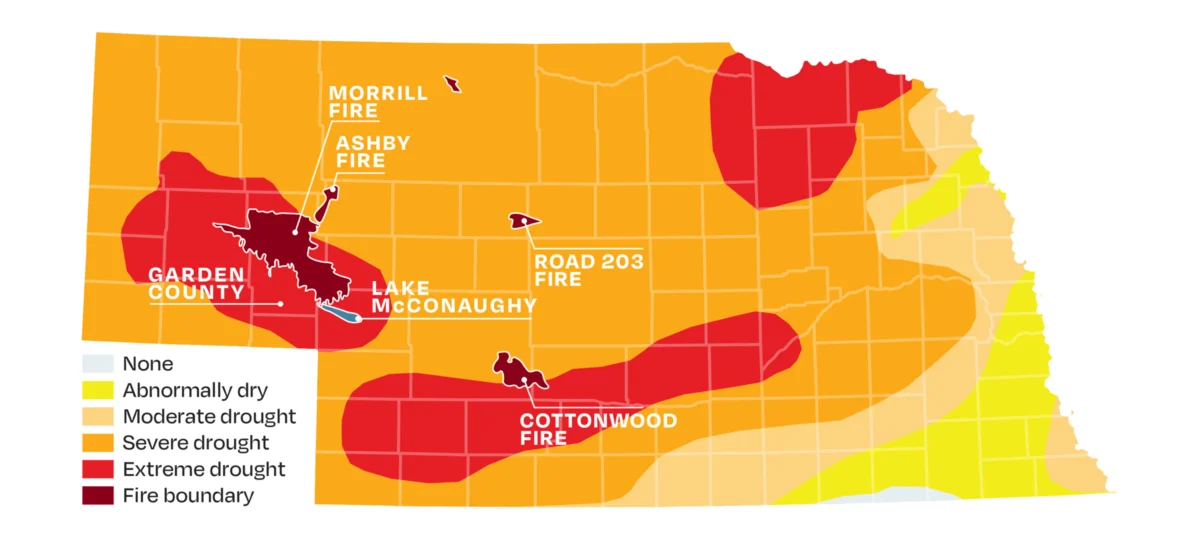
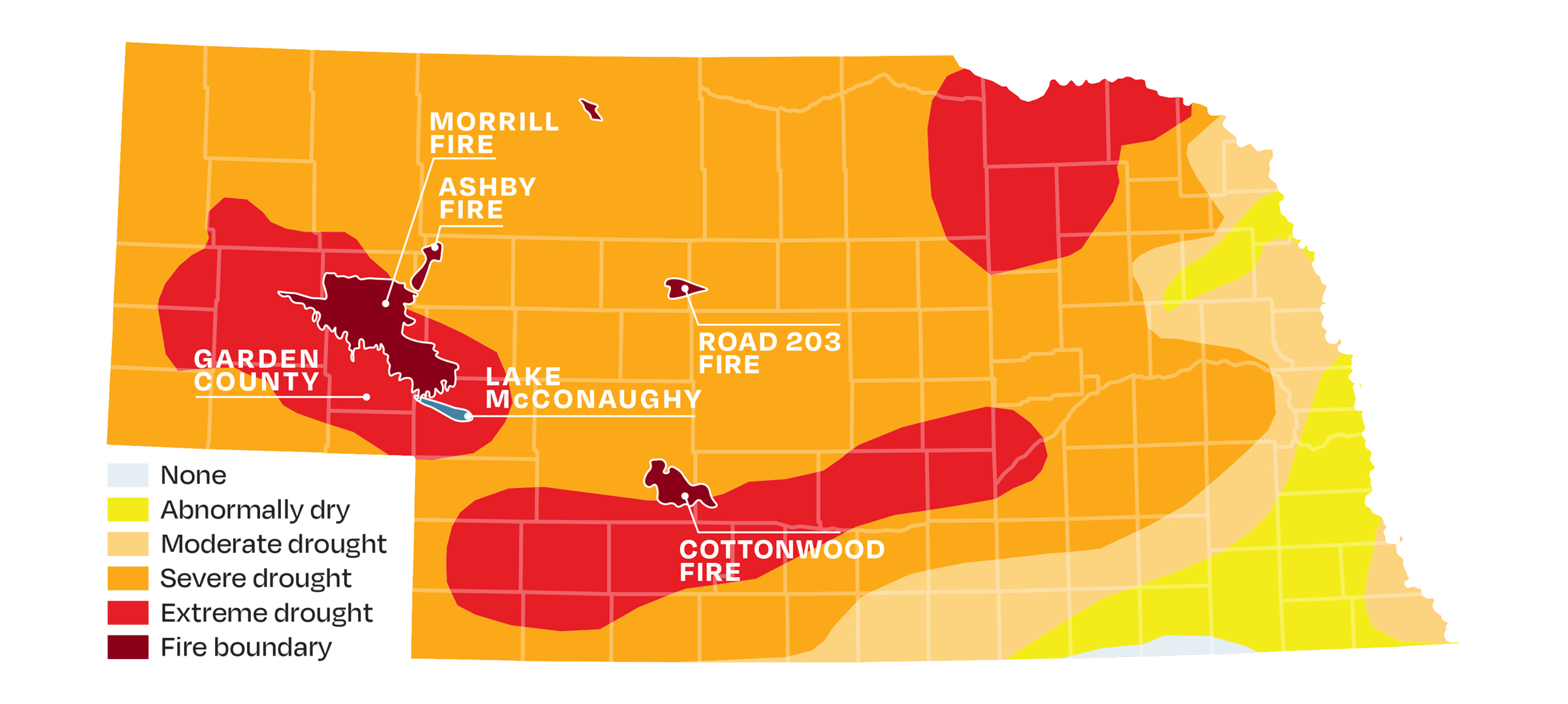
Throughout March 2026, western and central Nebraska have been besieged by an unprecedented series of large-scale wildfires. The Morrill, Cottonwood, Anderson Bridge, and Road 203 fires erupted in quick succession, fueled by a perfect storm of climatic conditions. The state had just emerged from its second warmest and fourth driest winter on record, leaving the vast grasslands of the Sandhills desiccated and primed for ignition. By March 30, 2026, the Nebraska Emergency Management Agency (NEMA) estimated that wildfires had scorched approximately 945,381 acres across the state.
This figure is not merely a seasonal high; it represents a grim new milestone. Only three months into the year, 2026 has already shattered the previous state record for the most documented acres burned by wildfire in a single year, surpassing the historic 2012 fire season. According to data from the Nebraska State Climate Office, the speed and intensity of these blazes have outpaced historical norms, leaving fire departments and local communities struggling to keep up with a "new era" of fire volatility.
The Morrill Fire, which would eventually become the largest documented blaze in Nebraska’s history, was first reported on March 12. Its rapid expansion was facilitated by low humidity, high winds, and a landscape thick with dormant vegetation. For the residents of the Sandhills, the fire was not just a distant threat but an immediate crisis that required every available hand to combat.
The Battle for the Wintz Ranch
In Nebraska, the front line of fire defense is overwhelmingly composed of volunteers. Approximately 92 percent of the state’s fire departments are volunteer-based, and in rural ranching communities, those volunteers are often the very people whose livelihoods are at stake. Mike Wintz is one of them. When the Morrill Fire broke out, he was nearly four miles away from his own property, deep in the thick of the firefighting efforts.
The physical and emotional toll of such a situation is immense. While Wintz was working to save the land of his neighbors, he heard a chilling update over the emergency radio: the flames had shifted and were bearing down directly on his own home. Despite the instinct to rush back, Wintz remained at his post. He chose to stay and fight where he was, placing his faith in the community of ranchers and fellow volunteers who were converging on his property to mount a defense.
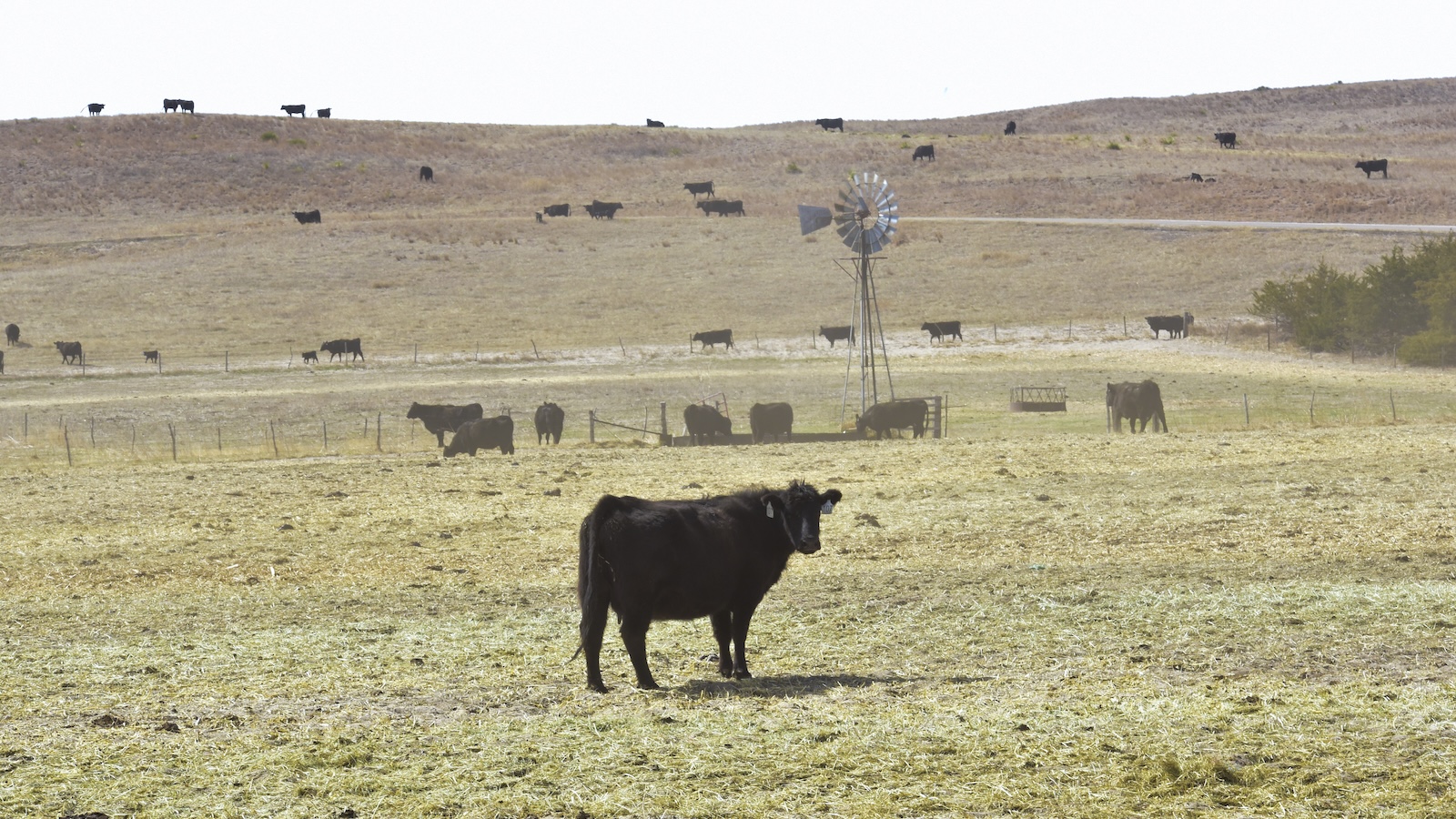
A crew of neighbors and firefighters managed to reach the Wintz home just in time. They worked frantically to head off the flames, successfully preventing the wildfire from consuming the primary residence. However, the reprieve was temporary. The following day, the unpredictable Nebraska winds shifted again, pushing the fire back toward the house for a second time. Firefighters and local ranchers spent hours soaking the house and surrounding outbuildings with water, creating a buffer against flying sparks. Through these collective efforts, the home was spared twice, though the surrounding landscape was not as fortunate.
Ecological Vulnerability and the Sandhills Landscape
The Sandhills of Nebraska comprise roughly 13 million acres—nearly a quarter of the state’s land area—and represent the most intact temperate grassland ecosystem on the planet. This region is the backbone of the state’s cattle industry, providing 23 million acres of range and pasture land. However, the very characteristics that make the Sandhills a premier grazing region also make it vulnerable to catastrophic fire when management practices and climate conditions diverge.
Dirac Twidwell, a rangeland and fire ecologist at the University of Nebraska-Lincoln (UNL), notes that the culture surrounding fire in Nebraska has shifted significantly over the last 150 years. Historically, the land was shaped by fire, including natural lightning strikes and prescribed burns conducted by Indigenous groups for thousands of years. These fires promoted biodiversity and prevented the encroachment of invasive species.
In recent generations, however, fire suppression became the standard. This has led to the proliferation of invasive plant species like eastern red cedar trees. These trees are highly flammable and acted as "ladder fuel" in the recent wildfires, allowing ground fires to leap into the canopy and spread with explosive force. Mitchell Stephenson, a rangeland management specialist at the UNL-Extension, explains that the absence of regular fire has resulted in a uniform grassland ecosystem. In the past, the landscape was a "shifting mosaic" of various plant stages created by fire and grazing. Today’s uniform fuel loads, combined with extreme weather, create a tinderbox effect that traditional firefighting methods struggle to contain.
The Economic Impact on the Cattle Industry
The timing of the 2026 wildfires could not have been more catastrophic for Nebraska’s ranchers. The blazes struck just as calving season was beginning—a period described by Wintz as the one time of year when ranchers absolutely do not want to move or stress their cattle. The necessity of evacuating herds through smoke and heat has led to significant losses.
Cattle and calves are Nebraska’s most valuable agricultural commodity. In 2024, the state ranked first in the United States for beef and veal exports, totaling approximately $1.66 billion. The cattle industry is deeply integrated into the state’s broader economy; for instance, the majority of the corn grown in Nebraska, its second-most valuable commodity, is utilized as livestock feed.
The Morrill Fire did more than just burn grass; it destroyed the essential infrastructure of ranching. Mike Wintz reported the loss of all his grazing land and approximately 900 bales of hay—critical winter feed that cannot be easily replaced. The physical toll on the animals was also evident. Wintz lost at least six calves to the fire and the stress of relocation. His bulls were left with the hair burned off their hides, and his yearlings bore singe marks along their backs.
The long-term economic repercussions will be felt throughout the supply chain. Elliott Dennis, an associate professor of agriculture economics at UNL, points out that drought and extreme weather have already forced many ranchers to reduce their herd sizes in recent years. This reduction in supply has contributed to rising beef prices for consumers. The 2026 fires are expected to exacerbate this trend, as ranchers like the Wintzes must now decide whether they can afford to rebuild their herds while waiting for their scorched pastures to recover.
Climate Change and the Future of Rangeland Management
The 2024 state climate change impact assessment, ordered by the Nebraska legislature, provided a sobering look at the future of the state’s agricultural productivity. The report highlighted that changing temperature patterns and erratic precipitation trends are posing a direct threat to rangeland productivity. The "new wildfire era" described by Dirac Twidwell is a direct manifestation of these shifts.
As the climate becomes more volatile, the traditional methods of land management are being called into question. Experts argue that Nebraska’s cattle industry must innovate to survive. This includes a potential return to more widespread prescribed burning to manage fuel loads and invasive species, as well as investing in fire-resilient infrastructure for ranch buildings. However, such changes require a cultural shift and financial support. Twidwell emphasizes that these new strategies must be proven effective in partnership with producers before they can be adopted on a large scale.
The 2026 fire season has served as a wake-up call for the state. The reliance on volunteer fire departments, while a testament to community spirit, may no longer be sufficient to handle "mega-fires" that span hundreds of thousands of acres. There are growing calls for increased state-level coordination and resources to support local volunteers who are increasingly being asked to perform heroics in the face of unprecedented disasters.
A Path Toward Recovery
Despite the blackened horizon, there remains a sense of stubborn optimism among those who work the land. The Sandhills are an evolutionarily resilient ecosystem, designed to bounce back from disturbance. For Mike Wintz, the immediate future is defined by a single need: moisture.
"The Sandhills are resilient. The grass is there. It just needs a little bit of moisture to pop up, and they’ll be back," Wintz said. He acknowledges that the coming year will be fundamentally different from any he has experienced in his 21 years on the ranch. Calving, haying, and summer grazing rotations will all have to be adjusted as he allows the land time to heal.
The recovery process for Nebraska’s ranching heartland will be measured in years, not months. As the smoke clears, the focus shifts from emergency response to long-term adaptation. The 2026 wildfires have left an indelible mark on the state, serving as a reminder of the fragility of the agricultural economy in the face of a changing climate. For the Wintz family and thousands of others like them, the hope is that the lessons learned from this record-breaking season will lead to a more resilient future for the Great Plains, ensuring that the Sandhills remain a "shifting mosaic" of life rather than a landscape of ash.