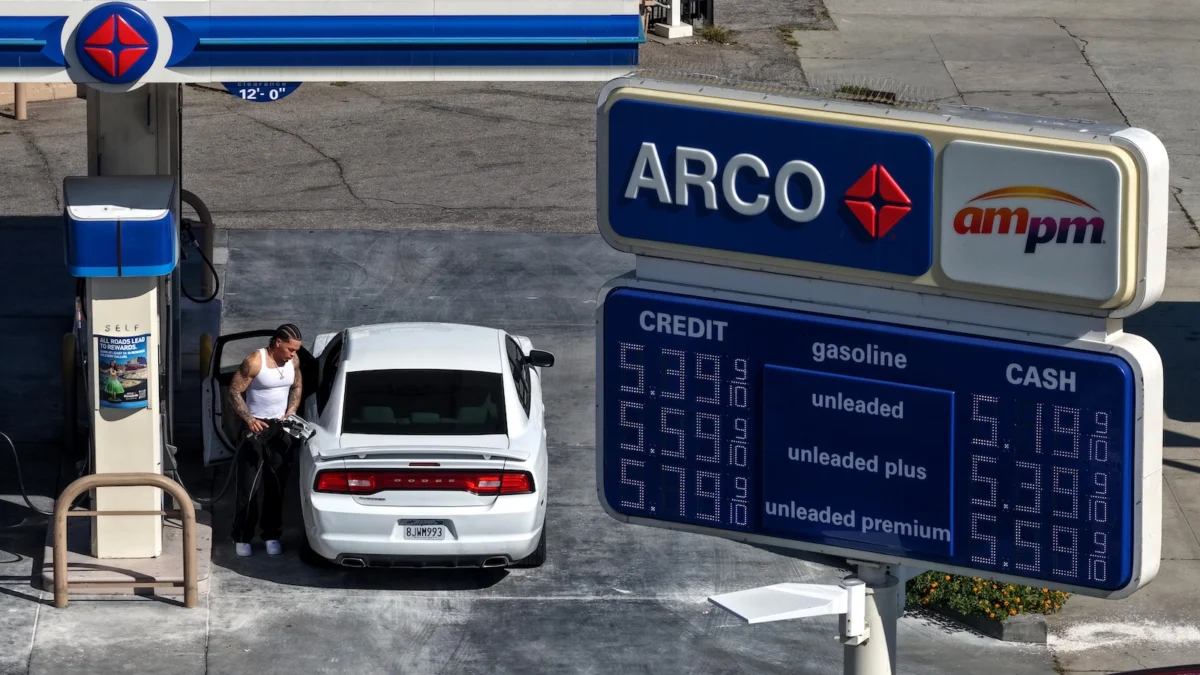
The American economy is currently grappling with a dual-front energy crisis as a burgeoning conflict in the Middle East drives fuel prices to historic highs, with diesel fuel emerging as a more significant—yet often overlooked—driver of economic strain than gasoline. While the average consumer may focus on the escalating numbers at the gasoline pump, recent data suggests that the surge in diesel prices is carving a deeper and more permanent hole in the nation’s financial stability. Since the outbreak of hostilities involving the United States, Israel, and Iran on February 28, 2026, the cost of energy has become the primary headwind for global markets, exacerbated by the closure of one of the world’s most vital maritime chokepoints.
As of mid-April, the total added fuel cost burdened upon U.S. consumers has reached a staggering $19 billion. According to a newly launched tracking tool from researchers at Brown University’s Watson Institute, diesel alone accounts for $9.4 billion of that increase—nearly 50 percent of the total economic impact. This translates to an average additional cost of $71 per American household. However, the impact of diesel is not limited to those who drive diesel-powered passenger vehicles; because diesel is the primary fuel for the nation’s logistics, agriculture, and construction sectors, these costs are being surreptitiously integrated into the price of nearly every consumer good, from groceries to building materials.
The Strategic Chokepoint: Closure of the Strait of Hormuz
The catalyst for the current price volatility was the immediate closure of the Strait of Hormuz following the commencement of aerial campaigns in the region. The Strait is widely considered the world’s most important oil transit point, with approximately 20.5 million barrels of oil—roughly one-fifth of global consumption—passing through the waterway daily. The closure effectively removed a massive portion of global supply from the market overnight, creating an immediate supply-demand imbalance.
Negotiations intended to secure a peace settlement and reopen the waterway over the weekend of April 11-12 failed to reach a resolution. The collapse of these talks led to a renewed spike in oil prices as traders reacted to the prospect of a prolonged blockade. Following the breakdown of diplomacy, the White House announced a formal blockade of Iranian ports, a move that went into effect on Monday morning. This geopolitical maneuvering has kept the "spot price"—the cost for immediate delivery of oil—consistently higher than the "forward curve," which represents the expected price in the coming months. This discrepancy suggests that the physical shortage of oil is more acute than the speculative markets currently reflect.
The Diesel Dilemma: Inelastic Demand and Economic Impact
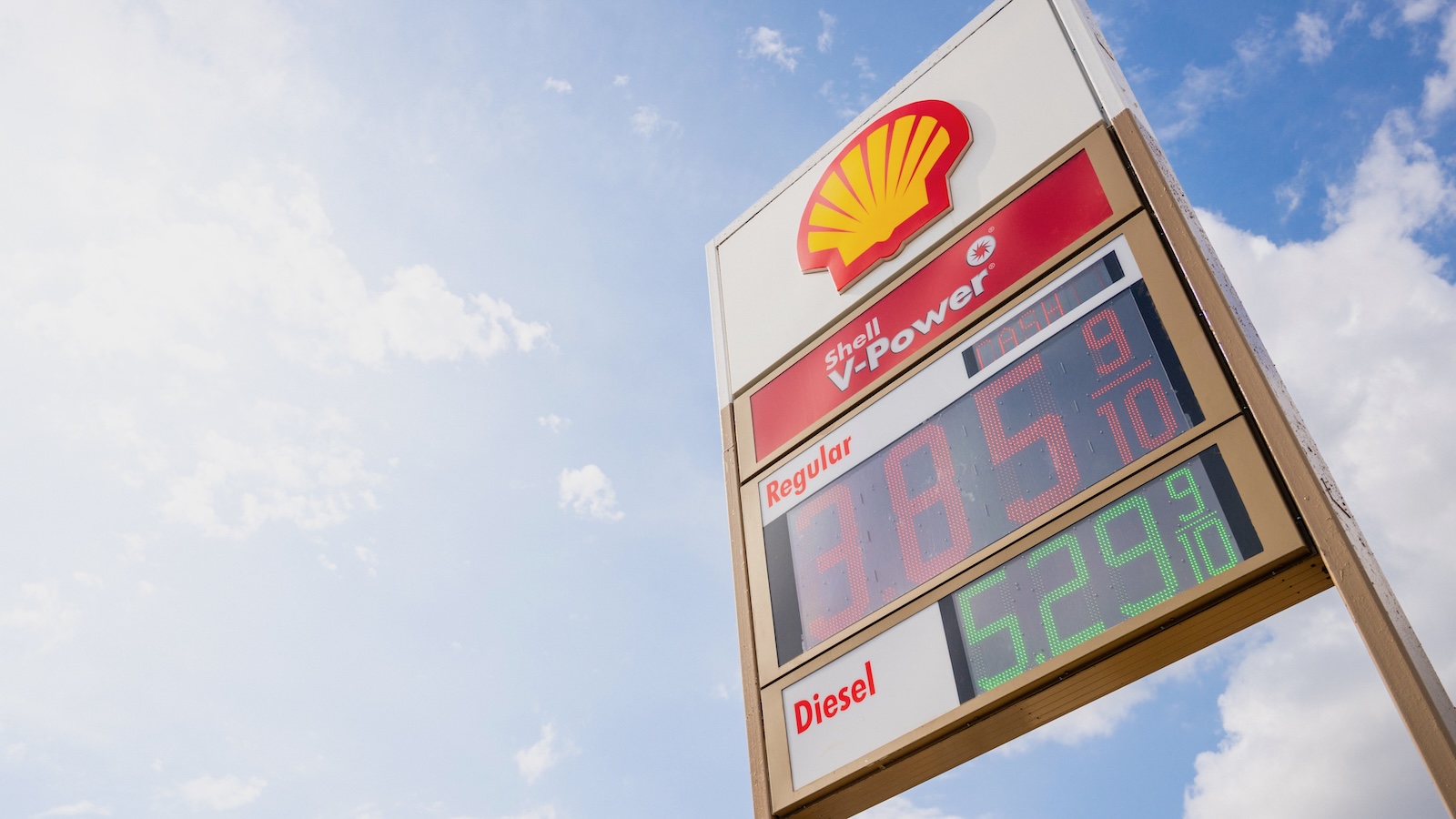
The disparity between gasoline and diesel price increases is a central concern for economists. Since the conflict began on February 28, gasoline prices have jumped by 38 percent, while diesel prices have surged by 54 percent. This disproportionate rise is due to several structural factors in the oil refining process and the nature of the American economy.
Patrick De Haan, head of petroleum analysis for GasBuddy, notes that diesel demand is significantly more "inelastic" than gasoline demand. When gasoline prices rise, individual consumers can choose to drive less, carpool, or cancel non-essential trips. In contrast, the industries that rely on diesel—trucking, rail, and maritime shipping—do not have the luxury of reducing consumption without halting the movement of goods. "Diesel is the fuel that powers the economy much more than gasoline does," De Haan explained. "Gasoline demand is more elastic… Diesel demand, on the other hand, doesn’t move as much."
Furthermore, the molecular yield of a barrel of crude oil naturally produces less diesel than gasoline. When global supply is constrained, this lower yield results in a tighter market for middle distillates (the category of fuels including diesel and heating oil), leading to faster price acceleration.
A Chronology of the 2026 Energy Crisis
The current crisis has unfolded with a speed that has left both policymakers and industry leaders scrambling to adapt. The following timeline outlines the key events that led to the current $19 billion economic burden:
- February 28: Bombing campaigns begin in Iran. In a retaliatory move, Tehran announces the immediate closure of the Strait of Hormuz to all "hostile" and commercial traffic.
- March 5: Global oil benchmarks, including Brent Crude and West Texas Intermediate (WTI), see their largest single-day percentage gains in over a decade.
- March 15: The "Iran War Cost" dashboard at Brown University goes live, revealing that the first two weeks of the conflict added $4 billion to U.S. fuel expenditures.
- April 1: Despite seasonal expectations for price stabilization, diesel prices continue to climb due to the depletion of heating oil stocks following a severe winter in the Northeast.
- April 11: Peace negotiations in a neutral venue fail after 48 hours of talks.
- April 13: Total fuel costs hit the $19 billion mark. The U.S. administration announces a full blockade of Iranian energy exports, leading to a fresh surge in the spot price of crude.
Seasonal Pressures and the Heating Oil Overlap
The timing of the conflict has exacerbated the diesel shortage due to a seasonal quirk in energy consumption. The war began just as the United States was emerging from a particularly cold winter in New England and the Mid-Atlantic states. In these regions, heating oil is a primary source of residential warmth. Because heating oil and diesel are chemically almost identical, they compete for the same space in the refining process and the same storage infrastructure.
"Coming out of winter, heating oil consumption is elevated," said De Haan. "That usually impacts diesel as well." The seasonal pressure on these distillates meant that inventories were already lower than average when the Strait of Hormuz was closed. This lack of a "buffer" in supply allowed the war-induced price shock to hit the diesel market with maximum force.
Winners and Losers in the Global Energy Market
While the conflict has been a net negative for global consumers, certain actors have seen significant financial gains. Jeff Colgan, a political scientist at Brown University and the lead developer of the war cost tracker, points out that oil producers outside the immediate conflict zone are reaping record profits.
"The really big beneficiaries are the oil producers around the world that haven’t been locked in behind the Strait of Hormuz," Colgan stated. He specifically identified Russia and the United States as the primary beneficiaries. For Russia, the higher global prices provide a vital influx of hard currency, while for U.S.-based shale producers, the crisis has turned the Permian Basin and other domestic oil fields into highly lucrative assets.
However, for the broader U.S. economy, these producer gains are offset by the inflationary pressure of high fuel costs. Mike Wirth, CEO of Chevron, noted during a recent industry conference that the market remains "tighter" than many analysts realize. He suggested that the physical scarcity of oil is not yet fully accounted for in long-term trading, implying that prices could remain elevated even if a diplomatic solution is found.
Broader Implications and Future Outlook
The long-term implications of the $19 billion fuel surge extend far beyond the gas station. If diesel prices remain at their current levels, the "pass-through" effect will likely result in a sustained period of high inflation. Shipping companies have already begun implementing "fuel surcharges," which are passed on to retailers, who in turn raise prices for consumers.
There are also concerns regarding the eventual reopening of the Strait of Hormuz. Even when the waterway becomes safe for transit again, the global energy market will face a significant "lag time." Damaged infrastructure in the Persian Gulf may take months to repair, and insurance premiums for tankers are expected to remain at prohibitive levels for the foreseeable future. Furthermore, reports have surfaced suggesting that Iran may attempt to impose "million-dollar tanker fees" as a condition for safe passage once the conflict ends—a cost that would inevitably be borne by the end consumer.
As the U.S. enters the summer months, the focus typically shifts to gasoline as "driving season" begins. Experts believe this may lead to a narrowing of the gap between gasoline and diesel prices, as gasoline demand rises and the seasonal need for heating oil disappears. "From here on out, you may see a little bit less of an increase in diesel as markets move up," De Haan predicted. However, with the geopolitical situation remaining fluid and a U.S. blockade now in full effect, the path to energy price stability remains fraught with uncertainty. For now, the American economy remains tethered to the volatility of a distant conflict, with the "workhorse fuel" of diesel serving as the primary transmitter of economic pain.