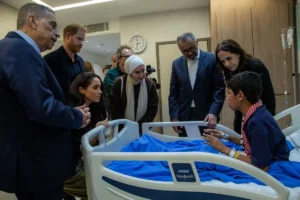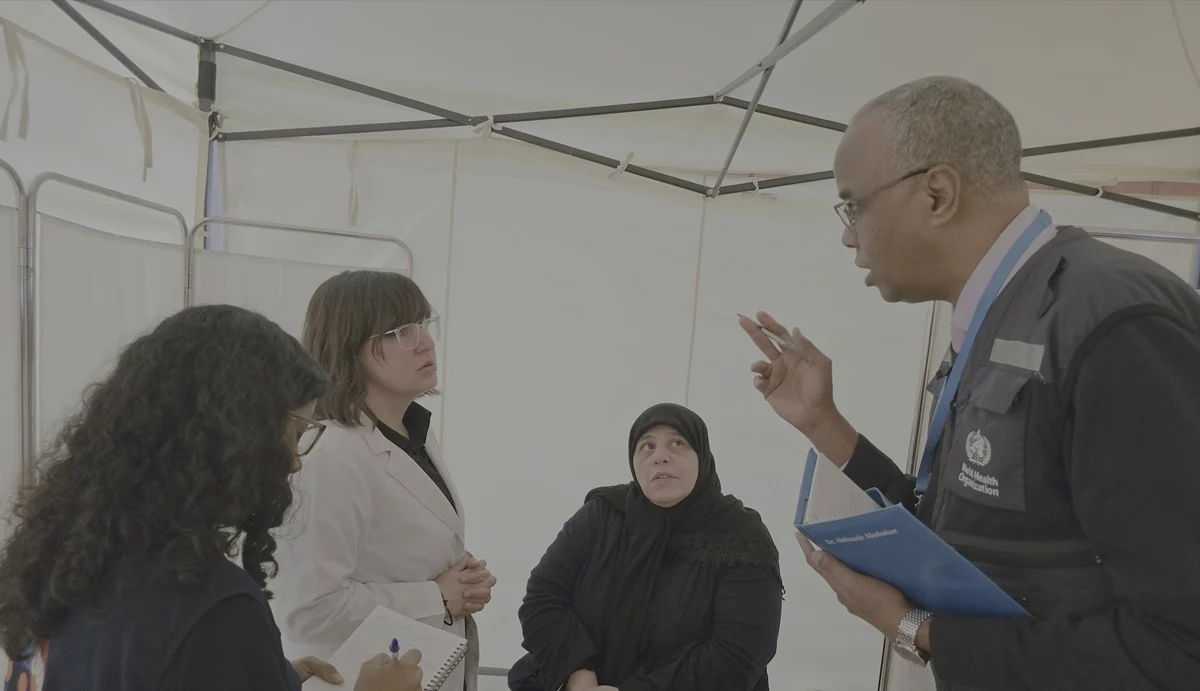
More than ten days into the latest and most severe escalation of conflict in the Middle East, health systems across the Region are buckling under immense pressure. Rising casualties, widespread displacement, persistent attacks on healthcare infrastructure, and a surge in public health risks are creating a perfect storm of humanitarian concern, according to the latest assessments from the World Health Organization (WHO). The crisis is not only depleting essential resources but also jeopardizing the very infrastructure designed to save lives, demanding urgent international attention and intervention.
Mounting Casualties and Devastation
The human toll of the ongoing hostilities is staggering. National health authorities in Iran have reported a grim tally of over 1,300 deaths and more than 9,000 injuries. In Lebanon, the conflict has claimed at least 570 lives and left over 1,400 individuals wounded. Neighboring Israel has also reported casualties, with 15 deaths and 2,142 injuries recorded. These figures represent just the immediate physical consequences of the violence, with the full extent of long-term health impacts yet to be determined. The sheer volume of casualties is overwhelming medical facilities, pushing them to their operational limits and beyond.
Attacks on Healthcare: A Violation of International Law
Compounding the crisis, the conflict is directly targeting the life-saving services meant to address the escalating needs. The WHO has verified a disturbing pattern of attacks on healthcare facilities and personnel. Since February 28th, 18 such attacks have been documented in Iran, resulting in the tragic loss of eight health workers. In Lebanon, the situation is equally dire, with 25 verified attacks on healthcare leading to 16 deaths and 29 injuries among medical staff and patients. These assaults not only result in immediate fatalities but also cripple communities’ access to critical medical care precisely when it is most desperately needed. International humanitarian law unequivocally mandates the protection of health workers, patients, and healthcare facilities, and these repeated violations underscore a severe disregard for these fundamental principles. The deliberate targeting of healthcare infrastructure constitutes a grave breach of international law and exacerbates the suffering of already vulnerable populations.
Widespread Displacement and Deteriorating Public Health Conditions
Beyond the direct impact of violence, the conflict is fueling a significant humanitarian crisis characterized by mass displacement and a sharp decline in public health conditions. In Iran, insecurity has forced an estimated over 100,000 people to relocate to other areas within the country, disrupting their access to basic services and healthcare. Lebanon is facing an even more acute displacement crisis, with up to 700,000 people internally displaced. Many of these individuals are now living in overcrowded collective shelters where public health conditions are rapidly deteriorating. Limited access to safe water, sanitation, and hygiene (WASH) in these makeshift settlements creates fertile ground for the spread of communicable diseases. Respiratory infections, diarrheal diseases, and other infectious illnesses are on the rise, disproportionately affecting the most vulnerable populations, including women and children, who are often the first to succumb to such outbreaks.
Environmental Hazards Add to Health Concerns
The conflict’s impact extends to environmental hazards, posing further risks to public health. In Iran, petroleum fires and smoke emanating from damaged infrastructure have exposed nearby communities to toxic pollutants. These pollutants can lead to serious respiratory problems, eye and skin irritation, and contaminate vital water and food sources, creating a secondary layer of health challenges for affected populations. The long-term consequences of such environmental damage require comprehensive assessment and mitigation strategies.
Constrained Access to Healthcare Services
The ability to deliver essential health services is becoming increasingly challenging across multiple countries affected by the conflict. In Lebanon, the situation is particularly critical, with 49 primary healthcare centers and five hospitals forced to shut down following evacuation orders issued by the Israeli military. This closure directly curtails the availability of vital medical services at a time when demand is soaring due to conflict-related injuries and exacerbated health risks.
In the occupied Palestinian territory, increased movement restrictions and checkpoint closures are severely impeding the access of ambulances and mobile clinics across various governorates in the West Bank. This delay in medical response can be life-threatening, particularly for individuals requiring emergency care. The situation in Gaza remains dire. Medical evacuations have been suspended since February 28th, while hospitals are operating under immense strain. Persistent shortages of medicines, medical supplies, and fuel are forcing authorities to ration resources, prioritizing essential services such as emergency and trauma care, maternal and neonatal services, and the management of communicable diseases. The continuous operational challenges faced by healthcare facilities in Gaza highlight the critical need for sustained and unimpeded access for humanitarian aid.
Disruption of Global Medical Supply Chains
The escalating conflict has also had a ripple effect on global medical supply chains. Temporary airspace restrictions have disrupted the movement of critical medical supplies from WHO’s global logistics hub in Dubai. This disruption affects over 50 emergency supply requests, intended to benefit more than 1.5 million people across 25 countries, leading to significant backlogs. Current priority shipments include vital supplies destined for Al Arish, Egypt, to support the response in Gaza, as well as critical aid for Lebanon and Afghanistan. A crucial shipment containing cholera response supplies for Mozambique is expected to depart from the hub in the coming week, underscoring the global reach of these supply chain disruptions and the interconnectedness of international health efforts. The inability to deliver these supplies on time can have devastating consequences for health outcomes in affected regions.
A Region Already Facing Immense Humanitarian Needs
The current escalation of conflict occurs against a backdrop of already unprecedented humanitarian needs in the Eastern Mediterranean Region. Prior to this latest surge, 115 million people in the region required humanitarian assistance, representing nearly half of the global total of individuals in need. Compounding this dire situation, humanitarian health emergency appeals remain severely underfunded, with a significant 70% gap. This chronic underfunding leaves health systems and humanitarian organizations ill-equipped to respond to the escalating crisis, further jeopardizing the well-being of millions.
A Call for Protection and De-escalation
The World Health Organization is issuing an urgent appeal for immediate action to mitigate the escalating health crisis. Without robust protection for healthcare facilities and personnel, unimpeded and sustained humanitarian access, and significantly enhanced financial and operational support for the humanitarian health response, the strain on vulnerable populations and already fragile health systems will continue to intensify. The WHO urges all parties involved to uphold their obligations under international humanitarian law, ensuring the protection of civilians and healthcare infrastructure. The organization also calls for the unimpeded and sustained flow of humanitarian assistance to reach those most in need. Ultimately, the WHO implores all parties to pursue de-escalation of the conflict, creating the necessary conditions for communities to begin the arduous process of recovery and move towards a lasting peace. The current trajectory risks irreversible damage to public health infrastructure and long-term well-being across the region.