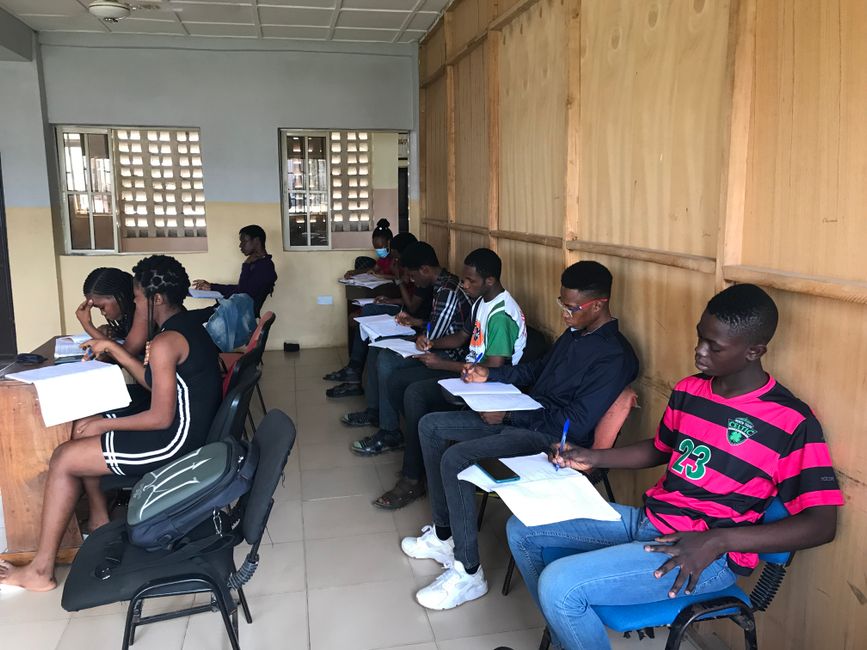
Eastern Congo Students Brave Insecurity to Take Crucial Exams
The eastern Democratic Republic of Congo, a region perpetually scarred by armed conflict and widespread insecurity, has once again witnessed an extraordinary act of resilience as students, driven by an unwavering commitment to their education, defied grave dangers to sit for their pivotal national examinations. In areas where the cacophony of gunfire often drowns out the whispers of academic ambition, these young individuals have demonstrated a profound courage, prioritizing their future over the pervasive threats that have destabilized their communities for decades. The exams, crucial for academic progression and future opportunities, represent a beacon of hope in a landscape often defined by despair and displacement. The logistical and security challenges inherent in conducting these examinations in an active conflict zone are immense, requiring extraordinary measures to ensure the safety of both students and educators. Despite the pervasive presence of numerous armed groups, the persistent displacement of populations, and the general breakdown of essential services, the drive to complete this educational milestone remains a powerful testament to the enduring spirit of the Congolese youth in the east.
The insecurity in eastern Congo is a multifaceted problem, characterized by the presence of dozens of armed factions, including foreign-backed militias and homegrown rebel groups, all vying for control over territory and the region’s rich natural resources. These groups engage in a spectrum of illicit activities, ranging from mining of minerals to extortion, abduction, and indiscriminate violence against civilian populations. The eastern provinces, particularly North Kivu, South Kivu, and Ituri, have been epicenters of protracted conflict, leading to immense human suffering and widespread displacement. This persistent instability has had a devastating impact on the education sector, with schools frequently becoming targets or being forced to close due to the inability to guarantee safety. Infrastructure is often destroyed or damaged, teachers are displaced or killed, and access to learning materials is severely limited. The very fabric of social order is fragile, making any organized undertaking, especially one involving large gatherings of young people, a significant security undertaking. The reverberations of this insecurity are felt acutely in the daily lives of students, who often face the stark reality of violence on their doorstep, making the journey to school, let alone an examination center, a perilous endeavor.
Despite these formidable obstacles, the determination to undertake the state examinations – typically the Diplôme d’État (DE) for secondary school leavers – underscores the immense value placed on education by Congolese families and their children. For many, these exams are not merely academic hurdles but gateways to better livelihoods, escape from poverty, and a chance to contribute to the rebuilding of their war-torn nation. The decision to proceed with the examinations, even in the face of heightened risks, reflects a deep-seated belief that education is the most potent weapon against the cycle of violence and underdevelopment that has plagued the region. The organizers of these exams, often the Ministry of Education in collaboration with local authorities and international NGOs, face the daunting task of identifying safe locations, ensuring secure transport for students and invigilators, and establishing a credible examination process amidst chaos. This often involves intricate planning, intelligence gathering on potential threats, and close coordination with security forces, though the effectiveness and reach of these forces can be limited.
The logistical challenges are compounded by the geographical terrain and the often-limited infrastructure. Many schools are located in remote areas, accessible only by foot or precarious roads, making the transportation of examination papers and personnel a significant undertaking. In regions affected by recent fighting or displacement, students may have been forced to relocate multiple times, severing their ties to their original educational institutions and making it difficult to track their academic progress or even ascertain their current whereabouts. This adds another layer of complexity to the registration and examination process. Furthermore, the psychological toll of living in a conflict zone cannot be underestimated. Students may be suffering from trauma, loss, and the constant anxiety of impending danger, all of which can significantly impact their concentration and performance during examinations. The very act of sitting for an exam in an environment where one’s safety is not guaranteed requires an extraordinary level of mental fortitude.
In response to these challenges, innovative and adaptive strategies are often employed. In some instances, examination centers are relocated to more secure urban areas, requiring students to undertake long and potentially dangerous journeys. In other cases, temporary examination sites are established closer to displaced communities, often within makeshift shelters or repurposed community buildings. The deployment of additional security personnel, including military and police units, is a common measure to protect examination sites and ensure the safe passage of students. However, the presence of security forces itself can sometimes be a source of fear for communities that have experienced abuses at the hands of state agents. International organizations and humanitarian agencies often play a crucial role in facilitating these examinations, providing logistical support, funding, and technical expertise. Their involvement is often critical in bridging the gaps left by a struggling state apparatus and ensuring that the exams can proceed with a degree of integrity and fairness.
The courage displayed by these students is a powerful narrative that deserves broader recognition. It is a testament to their unwavering hope and their refusal to allow the circumstances of their birth to dictate their future. For many, passing these examinations represents a tangible step towards a life beyond the immediate struggles of poverty and conflict. It opens doors to higher education, vocational training, and ultimately, opportunities for meaningful employment. The success of these students can have a ripple effect within their communities, inspiring others and contributing to a more educated and empowered generation. The commitment of educators, who also brave immense risks to administer these exams, is equally commendable. Many teachers continue to work in challenging conditions, often without adequate pay or resources, driven by a dedication to their students and a belief in the transformative power of education.
The narratives emerging from these examination periods are often poignant. Stories abound of students who have walked for days, sometimes under the cover of darkness, to reach examination centers, their faces etched with fatigue but their eyes burning with resolve. There are accounts of children who have lost parents and siblings to the violence, yet still find the strength to focus on their studies. These are not abstract statistics; they are individual stories of resilience, determination, and an indomitable human spirit. The international community has a moral imperative to support these efforts. Increased funding for education in conflict-affected regions, alongside robust security guarantees, is essential. This support should not be limited to emergency relief but should focus on long-term strategies to rebuild and strengthen the education system, making it more resilient to future shocks. Investing in the education of these young people is an investment in the future stability and prosperity of eastern Congo.
The implications of these examinations extend beyond individual academic achievement. They are a vital component of rebuilding trust and normalcy in a region that has been systematically deprived of both. The successful and credible administration of these exams signals to the population that despite the ongoing challenges, the state is still functioning and committed to providing essential services. It offers a glimmer of hope and a sense of agency to communities that have often felt powerless in the face of overwhelming adversity. Furthermore, the data generated from these examinations can provide valuable insights into the educational needs and disparities within the region, informing future policy and intervention strategies. The sheer act of students being able to participate in a structured, nation-wide educational process, however fraught with difficulty, contributes to the broader narrative of recovery and the aspiration for a peaceful and stable future. The global community’s attention to these struggles can translate into tangible support, from providing essential learning materials to investing in the reconstruction of damaged school facilities.
However, the challenges remain significant. The very act of holding exams can sometimes attract unwanted attention from armed groups, who may seek to disrupt the process for their own gain, whether through extortion, abduction, or attempting to use the exams as cover for other illicit activities. Therefore, the planning and execution of these examinations require constant vigilance and adaptability. The effectiveness of security measures is also a critical factor, and the capacity and impartiality of the security forces involved are often subjects of concern in the eastern Congo. Ensuring that the examination process is perceived as legitimate and fair by all parties involved is crucial for its long-term success and for fostering trust in the educational system. The ongoing efforts to ensure that students can access and complete their education underscore the critical role that education plays in fostering long-term peace and stability. The sacrifices made by these students and their educators highlight the immense potential that lies dormant, waiting to be unleashed through the power of learning and opportunity, even in the most challenging circumstances. The pursuit of knowledge in the face of such adversity is a powerful indictment of the forces that seek to keep these regions in perpetual conflict, and a potent symbol of the enduring human desire for progress and self-determination. The international community’s sustained focus and tangible support are indispensable for the continued success of these crucial educational endeavors.
