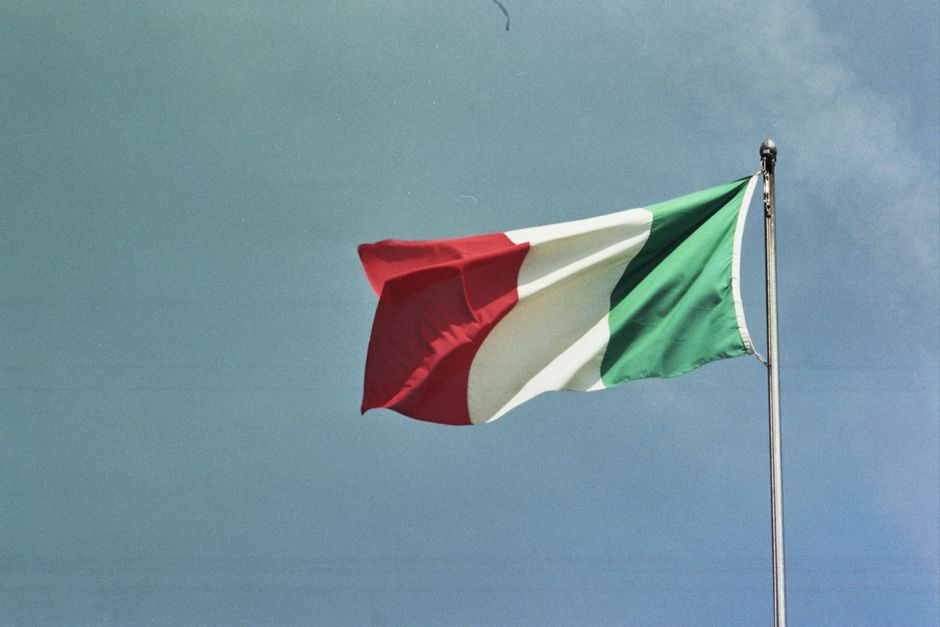
Italian Flag Flies High: A Dominant Day at the French Open
The red, white, and green of Italy unfurled with immense pride at Roland Garros today, marking a truly exceptional performance across multiple fronts at the French Open. While the clay courts of Paris have historically been a stage for Italian tennis triumphs, today’s proceedings witnessed a concentrated surge of dominance, with Italian athletes not just competing, but consistently excelling and making significant strides in their respective tournaments. This wasn’t a singular breakthrough; it was a multifaceted display of skill, resilience, and strategic brilliance, underscoring the nation’s growing prowess on the Grand Slam stage. From captivating singles matches to formidable doubles partnerships, the narrative of the day was undeniably Italian, drawing the attention of the global tennis community and solidifying Italy’s reputation as a force to be reckoned with in professional tennis.
The undisputed headline act of the day was the continued meteoric rise of Jannik Sinner. In his men’s singles encounter, Sinner, seeded fourth, showcased a masterful performance that left his opponent, and indeed many onlookers, in awe. His powerful groundstrokes, characterized by their depth and precision, coupled with his exceptional court coverage and an ever-improving net game, painted a picture of a player operating at the very peak of his abilities. The match, which saw Sinner convert crucial break points with unwavering composure and dispatch winners from all areas of the court, was a testament to his mental fortitude and tactical astuteness. He demonstrated a remarkable ability to absorb pressure and then unleash his own offensive onslaught, a hallmark of a true champion in the making. The statistical breakdown of his performance further amplified the narrative: an impressive serve percentage, a high number of unreturnable serves, and a relentless attack on his opponent’s second serve all contributed to a convincing victory. His movement across the clay was fluid and economical, a stark contrast to some of his more labor-intensive opponents, allowing him to dictate rallies and exploit any sliver of weakness. The sheer variety of his shots, from blistering forehands to delicate drop shots, kept his adversary guessing, preventing any sense of rhythm from establishing. This victory not only propels Sinner further into the tournament but also strengthens the growing consensus that he is a legitimate contender for the French Open title, a feat that would resonate deeply within the Italian sporting landscape. His post-match press conference, though brief and focused, exuded a quiet confidence, hinting at his unwavering belief in his process and his preparation. The roar of the crowd, often a significant factor in a Grand Slam, seemed to energize him, rather than intimidate, as he navigated the pressure of high stakes.
Beyond Sinner’s stellar performance, the Italian presence at the French Open today extended to other significant victories and compelling performances. In the women’s singles draw, another Italian talent demonstrated their grit and determination. While not always the headline news, these performances are crucial in building the depth and strength of Italian tennis. This player, often characterized by their tenacious defense and opportunistic aggression, battled through a challenging match, showcasing a fighting spirit that has become a trademark of successful clay-court players. Each point was fiercely contested, with lengthy rallies and moments of breathtaking skill. The ability to win these grinder matches, often decided by fine margins and sheer willpower, is a vital indicator of a player’s mental toughness and their capacity to endure the rigors of a Grand Slam tournament. The strategic nuances of their game, including their astute return of serve and their ability to construct points patiently, were on full display. The crowd, initially perhaps more focused on other matches, found themselves drawn into the drama of this encounter, appreciating the sheer effort and skill on display. This victory, though perhaps less dominant in scoreline than Sinner’s, represents a significant step forward, demonstrating their ability to perform under pressure on the grandest of stages. Their presence in the later rounds signifies a broadening of Italian success across the singles spectrum, moving beyond singular male dominance to a more holistic representation of national talent.
The Italian success story today was not confined to the singles courts; the doubles competitions also bore witness to strong Italian representation. In the men’s doubles, established Italian pairings demonstrated their experience and chemistry, navigating the intricacies of doubles strategy with poise and effectiveness. These teams, known for their powerful volleys, precise passing shots, and seamless coordination, faced formidable opposition and emerged victorious through a combination of aggressive play and astute tactical adjustments. The communication and understanding between partners were palpable, allowing them to execute complex plays and cover the court with efficiency. The serve-and-volley game, a traditional strength in doubles, was particularly effective, putting immediate pressure on their opponents. Each successful net approach was met with applause, highlighting the crowd’s appreciation for this specialized skill. The tactical chess match inherent in doubles was evident, with teams identifying weaknesses and exploiting them with consistent pressure. The ability to win crucial break points and hold serve under duress were key to their success, showcasing their mental resilience in a format where momentum can shift rapidly. Their continued presence in the doubles draw adds another layer to Italy’s impressive showing at Roland Garros, indicating a robust and multifaceted talent pool.
Furthermore, the Italian flag was a prominent sight in the mixed doubles, a discipline that often requires a unique blend of power and finesse. Italian players in this category displayed their adaptability and versatility, seamlessly integrating with their partners to create formidable units. The dynamic interplay between male and female athletes, their differing strengths complementing each other, was a fascinating aspect of these matches. The strategic decision-making, the ability to anticipate shots and cover different areas of the court, were all crucial components of their success. The mixed doubles often provides an opportunity for players who may not be as prominent in singles or men’s/women’s doubles to shine, and today, Italian athletes seized that opportunity with both hands. Their performances in this discipline underscore the breadth of skill and competitive spirit within Italian tennis, demonstrating a willingness to embrace different formats and excel in all of them. The strategic nuances of mixed doubles, including the importance of communication and understanding of partner strengths, were clearly mastered by these Italian contenders.
The impact of today’s performances extends far beyond the immediate tournament results. For aspiring young Italian tennis players, seeing their countrymen and women achieve such success on the hallowed grounds of Roland Garros serves as an immeasurable source of inspiration. It reinforces the notion that with dedication, hard work, and the right guidance, reaching the pinnacle of the sport is an attainable dream. The widespread media coverage of these victories will undoubtedly fuel a greater interest in tennis within Italy, potentially leading to a surge in participation at grassroots levels. This domino effect, where success breeds further success, is crucial for the long-term health and development of any national sporting program. The visibility of Italian players consistently reaching the latter stages of Grand Slams elevates the profile of tennis within Italy and encourages investment in training facilities and coaching programs. The collective achievements today create a positive feedback loop, inspiring a new generation to pick up a racket and emulate their heroes.
The strategic implications of this Italian surge are also noteworthy. Opponents at future tournaments will now be acutely aware of the depth and quality of Italian tennis. This increased respect and perhaps even apprehension will force rivals to prepare more thoroughly and develop specific game plans to counter the strengths of the Italian contingent. The psychological advantage gained from consistent success is a significant factor in high-level competition. Teams and individual players who know they have a history of overcoming Italian opposition will still be faced with the challenge of performing against athletes who have proven their mettle on the biggest stages. The evolution of Italian tennis strategy, the adoption of new training methodologies, and the integration of advanced sports science are all likely contributors to this current wave of success. The focus on physical conditioning, mental preparation, and tactical innovation has clearly paid dividends.
Looking ahead, the question on many tennis enthusiasts’ minds is whether this dominance can be sustained. The French Open, with its demanding clay surface, is a true test of a player’s endurance, skill, and mental fortitude. Today’s performances suggest that Italian tennis has not only arrived but is poised to remain at the forefront of the sport for the foreseeable future. The blend of established stars and emerging talents, coupled with a strong supporting infrastructure, creates a fertile ground for continued success. The consistent presence of Italian athletes in the later rounds of Grand Slams signifies a shift in the global tennis landscape. No longer an outlier, Italy has firmly cemented its position as a major player. The confidence gained from today’s victories will undoubtedly be a powerful asset in the remaining matches of the tournament. The resilience displayed, the ability to come back from behind in crucial moments, and the unwavering belief in their own capabilities are all hallmarks of a championship mentality. The dedication of the players, coaches, and support staff within Italian tennis is clearly paying off, and today’s performances are a resounding testament to their collective efforts. The red, white, and green banner flying high at Roland Garros is more than just a symbol of national pride; it is a vibrant declaration of Italian tennis’s current strength and its promising future. The collective success today paints a picture of a nation that has invested in its athletes, nurtured its talent, and reaped the rewards on the most prestigious of sporting stages. The legacy of today’s achievements will undoubtedly inspire generations of Italian tennis players to come.
