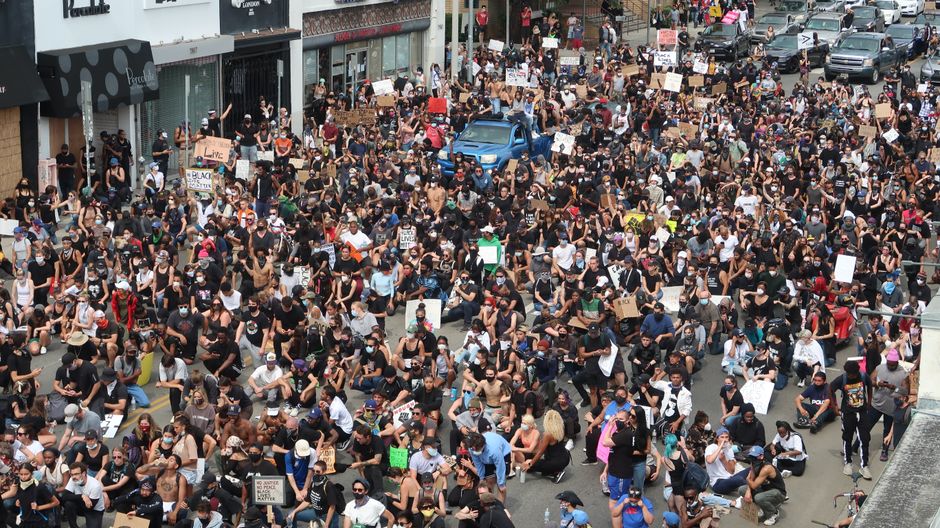
Graffiti Cleanup in Los Angeles: Addressing Vandalism Amidst Anti-ICE Protests
The persistent issue of graffiti vandalism in Los Angeles is being amplified and complicated by the ongoing anti-ICE (Immigration and Customs Enforcement) protests. While the right to protest is a cornerstone of democratic society, the collateral damage inflicted by extensive graffiti tagging, often occurring during or around these demonstrations, presents a significant challenge for city officials and residents alike. This article delves into the multifaceted problem of graffiti cleanup in Los Angeles, exploring its impact, the strategies employed for removal, the cost implications, and the ways in which the city is attempting to balance free expression with the preservation of public and private property.
Understanding the Scale of Graffiti Vandalism in Los Angeles
Los Angeles, a sprawling metropolis with a rich cultural tapestry, has long grappled with graffiti. While some view it as an art form, a significant portion is classified as vandalism, impacting businesses, residential areas, public infrastructure, and historical landmarks. The sheer volume of graffiti necessitates a robust and efficient cleanup operation. Data from the Los Angeles Department of Public Works (LADPW) consistently highlights the extensive resources dedicated to graffiti removal annually. This includes millions of dollars spent on labor, equipment, and specialized cleaning agents. The economic burden extends beyond direct cleanup costs, as damaged property can deter investment, negatively affect property values, and create a perception of neglect and insecurity within communities.
The Interplay Between Anti-ICE Protests and Graffiti
The presence of anti-ICE protests, while legitimate expressions of dissent, can unfortunately create opportunities for increased graffiti. Demonstrations often involve large gatherings, sometimes in areas with high foot traffic or visible public spaces. In the chaotic environment of a protest, individuals or groups may engage in tagging buildings, signs, and other surfaces. The motivations behind this graffiti can vary. Some may be expressing solidarity with the protest’s message, while others might exploit the anonymity and distractions offered by large crowds for personal gain or artistic expression, blurring the lines between activism and vandalism. This creates a dual challenge for the city: managing protest logistics and safety while simultaneously addressing the resulting property damage.
Graffiti Removal Strategies Employed by Los Angeles
The City of Los Angeles employs a multi-pronged approach to graffiti removal, aiming for prompt and effective remediation. The primary entity responsible is the LADPW, which operates a dedicated graffiti removal program. This program involves:
- Rapid Response Teams: Teams are dispatched to reported graffiti incidents to assess the damage and determine the most appropriate removal method. Speed is crucial, as prompt removal discourages further tagging.
- Diverse Cleaning Techniques: The LADPW utilizes a range of methods depending on the surface and the type of graffiti. These include:
- Pressure Washing: Effective for porous surfaces like concrete and brick.
- Chemical Solvents: Specialized chemical agents are used for less porous surfaces like metal, glass, and painted walls. These are carefully selected to be effective without damaging the underlying material.
- Painting Over: For surfaces that have been painted, a fresh coat of matching paint is often the most efficient solution. This requires maintaining a comprehensive inventory of paint colors for various city assets.
- Blast Cleaning (Sandblasting/Soda Blasting): In cases of deeply ingrained graffiti on durable surfaces, more aggressive methods like sandblasting or soda blasting may be employed, though these require careful handling to avoid surface damage.
- Citizen Reporting Systems: The city encourages residents and business owners to report graffiti through various channels, including phone hotlines and online portals. This crowdsourced information is vital for identifying and prioritizing cleanup efforts. The "311" system plays a significant role in this regard, allowing for efficient tracking and assignment of reported issues.
- Preventative Measures: While not strictly cleanup, the city also engages in preventative measures. This includes promoting anti-graffiti coatings on vulnerable surfaces, encouraging community watch programs, and supporting public art initiatives as a way to channel artistic expression positively and deter vandalism.
The Cost of Graffiti Cleanup and Its Economic Impact
The financial burden of graffiti cleanup in Los Angeles is substantial. The LADPW’s annual budget for graffiti removal runs into the millions of dollars. This cost encompasses:
- Labor Costs: Employing dedicated cleanup crews, supervisors, and administrative staff.
- Material Costs: Purchasing cleaning solvents, paints, brushes, rollers, protective gear, and other supplies.
- Equipment Costs: Maintaining and operating pressure washers, vehicles, and specialized cleaning machinery.
- Disposal Costs: Properly disposing of waste materials generated during the cleanup process.
Beyond the direct costs, the indirect economic impacts are also significant. Businesses may suffer losses in sales due to an unappealing storefront. Property owners face increased maintenance expenses. The aesthetic degradation of neighborhoods can lead to decreased property values and discourage new businesses from opening. For communities experiencing frequent tagging, especially in conjunction with protests, the perception of instability can have a chilling effect on economic development. The recurring nature of graffiti means that cleanup is not a one-time expense but an ongoing operational cost for the city and its residents.
Balancing Free Expression and Property Rights
The presence of anti-ICE protests and the associated graffiti present a delicate balancing act for city officials. On one hand, the right to peaceful assembly and free speech is constitutionally protected. Protesters have a right to voice their concerns and grievances. On the other hand, property owners have a right to the undisturbed use and enjoyment of their property, and vandalism is a criminal act.
Los Angeles, like many other large cities, strives to uphold both principles. The city’s approach generally involves:
- Facilitating Protests: Providing safe pathways for demonstrations, managing traffic, and ensuring the safety of participants and the public.
- Enforcing Laws Against Vandalism: Investigating and prosecuting individuals caught defacing property. This can be challenging during large-scale events where identification can be difficult.
- Prioritizing Cleanup: Working to remove graffiti as quickly as possible to mitigate its visual and economic impact.
- Community Engagement: Working with community groups and businesses to address concerns and develop localized solutions.
The challenge is that the actions of a few can overshadow the legitimate intentions of many within a protest movement. The graffiti, regardless of its intent, creates a problem that requires resources and attention that could be directed elsewhere.
The Role of Technology and Innovation in Graffiti Management
As Los Angeles continues to grapple with graffiti, technology and innovation play an increasingly important role in its management. This includes:
- Geographic Information Systems (GIS): GIS mapping is used to track graffiti hotspots, identify patterns, and optimize the deployment of cleanup crews. This data-driven approach allows for more efficient allocation of resources.
- Mobile Reporting Applications: Dedicated apps allow citizens to easily report graffiti with location data and photos, streamlining the reporting process.
- Advanced Cleaning Technologies: Research and development into more environmentally friendly and effective graffiti removal agents continue. This includes exploring bio-based solvents and low-impact cleaning methods.
- Smart City Initiatives: Integrating graffiti reporting and response systems into broader smart city infrastructure can improve overall urban management and public service delivery.
Community Initiatives and Public Art as Deterrents
Beyond official city programs, community-led initiatives and public art projects are vital components of graffiti management.
- Adopt-a-Block Programs: Community groups and businesses can “adopt” areas and take responsibility for reporting and sometimes even participating in the cleanup of graffiti.
- Mural Programs: Commissioning and supporting legitimate public art murals can transform neglected spaces, beautify neighborhoods, and often act as a deterrent to unsolicited tagging by offering a sanctioned artistic outlet. These murals can also become community landmarks, fostering a sense of pride and ownership.
- Youth Engagement Programs: Providing positive outlets for artistic expression for young people can redirect their creative energies away from vandalism and towards constructive activities.
The Ongoing Challenge: Sustainability and Prevention
The fight against graffiti in Los Angeles is an ongoing battle that requires sustained effort and a focus on prevention. The impact of protests, like the anti-ICE demonstrations, highlights the need for strategies that are adaptable and responsive to the dynamic nature of urban environments. While immediate cleanup is essential, long-term solutions must address the root causes of vandalism and promote community stewardship. This includes fostering a sense of shared responsibility for maintaining public spaces, investing in community development, and ensuring that legitimate avenues for expression are accessible and supported. The city’s commitment to addressing graffiti damage, even as protests continue, underscores the complex interplay of urban challenges and the constant need for effective and balanced solutions.
