Middle East Politics: A Nexus of Geopolitical Strife and Shifting Alliances
The Middle East, a region historically defined by ancient civilizations and pivotal religious sites, has for decades been a focal point of global geopolitical attention. Its inherent complexity stems from a confluence of factors: vast energy reserves, religious diversity, historical colonial legacies, and deeply entrenched rivalries. Understanding Middle East politics necessitates an examination of the major players, their motivations, the enduring conflicts, and the emergent trends shaping its trajectory. At its core, the region’s political landscape is a dynamic interplay of state interests, non-state actors, and external influences, constantly reconfiguring power balances and fueling instability. The pervasive influence of oil and gas has historically rendered the region strategically vital, attracting the attention and intervention of global powers. However, this economic dimension is inextricably linked to a complex tapestry of ethnic, sectarian, and ideological divisions that often manifest in protracted conflicts.
A central pillar of Middle East politics is the persistent Israeli-Palestinian conflict. This territorial and ideological dispute, rooted in competing claims to the same land, has defied resolution for over seven decades. The establishment of the State of Israel in 1948, the subsequent Arab-Israeli wars, and the ongoing occupation of Palestinian territories have created a deeply entrenched cycle of violence, displacement, and political deadlock. Key issues at the heart of the conflict include the status of Jerusalem, the right of return for Palestinian refugees, the establishment of a sovereign Palestinian state, and the security concerns of Israel. International efforts to broker a lasting peace have repeatedly faltered, with various peace plans, such as the Oslo Accords, failing to achieve their ultimate objectives. The political landscape within both Israel and Palestine is also fractured, with internal divisions and differing approaches to negotiation further complicating peace prospects. The rise of militant groups, such as Hamas and Islamic Jihad, and the policies of successive Israeli governments have contributed to the perpetual state of tension. The broader regional implications of this conflict are significant, serving as a potent symbol of Arab grievances and a rallying point for various political and religious movements across the Middle East and beyond. Its unresolved nature continues to be a destabilizing factor, impacting regional security, fueling radicalization, and influencing the foreign policies of numerous nations.
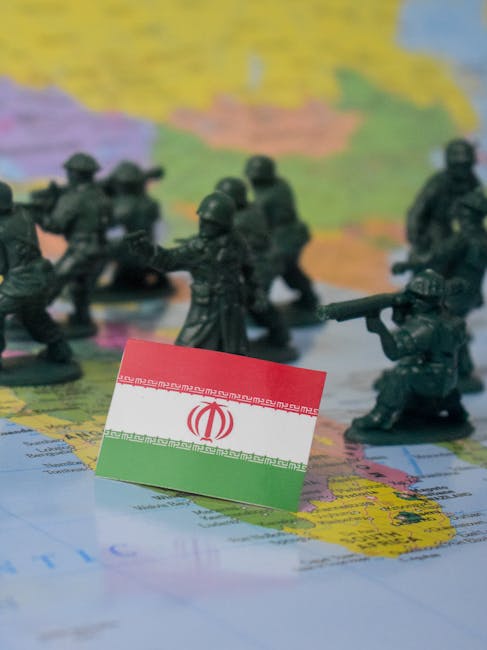
Another defining characteristic of Middle East politics is the enduring rivalry between Saudi Arabia and Iran. This geopolitical contest is multi-faceted, encompassing ideological differences, sectarian tensions, and a struggle for regional hegemony. Saudi Arabia, a Sunni Muslim monarchy and a leading producer of oil, views Iran, a Shia Muslim theocracy, as an existential threat to its security and regional influence. Iran, in turn, sees Saudi Arabia as a tool of Western imperialism and a threat to the rights of Shia Muslims in the region. This rivalry plays out through proxy conflicts in various theatres, most notably in Yemen, where a Saudi-led coalition has been engaged in a devastating war against the Houthi rebels, who are allegedly supported by Iran. The Syrian civil war also serves as a battleground for this antagonism, with Saudi Arabia backing rebel factions against the Iranian-supported regime of Bashar al-Assad. The political and economic consequences of this Saudi-Iranian cold war are profound, contributing to immense human suffering, regional instability, and the exacerbation of sectarian divides. The competition extends to diplomatic influence, economic ties, and the projection of soft power, creating a zero-sum dynamic that hinders regional cooperation and exacerbates existing conflicts. The nuclear ambitions of Iran and the ongoing international efforts to curb them further intensify this rivalry, adding another layer of complexity to the already precarious regional security architecture.
The Arab Spring uprisings, which began in late 2010, marked a significant turning point in Middle East politics. Initially fueled by popular discontent over authoritarianism, corruption, and economic hardship, these uprisings led to the overthrow of long-standing dictators in Tunisia, Egypt, and Libya. However, the outcomes were varied and often tumultuous. While Tunisia successfully transitioned to a more democratic system, other countries descended into civil war, state collapse, or a return to authoritarian rule. The Syrian civil war, which erupted in 2011, stands as a stark illustration of this divergence. Initially a peaceful protest movement, it morphed into a brutal and protracted conflict involving a multitude of state and non-state actors, international intervention, and immense humanitarian devastation. The rise of extremist groups like the Islamic State of Iraq and Syria (ISIS) was a direct consequence of the power vacuums and instability created by these conflicts. The Syrian conflict, in particular, has drawn in regional powers like Iran, Saudi Arabia, and Turkey, as well as global powers like Russia and the United States, transforming it into a complex proxy war with devastating consequences for the Syrian population and the wider region. The lingering effects of the Arab Spring continue to shape political discourse, with ongoing demands for reform and a persistent undercurrent of popular frustration.
The ongoing civil war in Yemen represents one of the region’s most severe humanitarian crises and a stark manifestation of proxy conflict. The war, which escalated in 2015, pits the internationally recognized government, supported by a Saudi-led coalition, against the Houthi movement, which controls large swathes of the country and is widely believed to be supported by Iran. The conflict has resulted in widespread famine, disease, and displacement, with millions facing starvation. The geopolitical motivations behind the intervention are clear: Saudi Arabia seeks to counter Iranian influence on its southern border, while Iran reportedly provides material support to the Houthis to exert pressure on its regional rival. The international community’s response has been largely characterized by humanitarian aid efforts, but a lasting political solution remains elusive, hampered by the entrenched positions of the warring factions and the broader regional power struggle. The war’s devastating impact on civilian infrastructure and the economy has created a cycle of poverty and despair that will take generations to overcome.
The emergence and territorial defeat of ISIS, while a significant military accomplishment, has not eradicated the threat of extremist ideologies in the Middle East. The group’s brutal tactics and self-proclaimed caliphate, though largely dismantled, left a legacy of radicalization and instability. The underlying conditions that contributed to ISIS’s rise – political marginalization, sectarian grievances, and widespread discontent – persist in many parts of the region. Furthermore, other extremist groups, such as al-Qaeda and its affiliates, continue to operate and pose a threat. The fight against terrorism remains a paramount concern for regional governments and their international partners, but effective counter-terrorism strategies must address the root causes of radicalization, including socio-economic inequalities and political exclusion. The decentralization of extremist networks and the online propagation of their ideologies present new challenges for security forces.
Turkey’s role in Middle East politics has become increasingly assertive in recent years, driven by a desire to protect its national interests and expand its regional influence. Under President Recep Tayyip Erdoğan, Turkey has pursued an independent foreign policy, often diverging from its traditional Western allies. Its involvement in the Syrian civil war, its military operations against Kurdish groups in northern Syria and Iraq, and its growing ties with Qatar have all contributed to its heightened regional profile. Turkey’s complex relationship with both the West and Russia, coupled with its own internal political dynamics, makes its foreign policy a significant factor in regional stability. The country’s ambition to be a major regional power is evident in its robust military capabilities and its diplomatic maneuvering. Its engagement in the Eastern Mediterranean, its support for various factions in Libya, and its broader economic interests all contribute to its multifaceted approach to Middle East affairs.
The United States’ long-standing engagement in the Middle East, while evolving, continues to shape regional dynamics. Historically, U.S. policy has been driven by a combination of factors, including energy security, counter-terrorism, support for Israel, and the promotion of regional stability. While the U.S. has reduced its military footprint in some areas, its strategic partnerships and its continued involvement in diplomatic efforts remain influential. The shifting priorities of U.S. administrations, from the "war on terror" to a greater focus on great power competition, have led to a re-evaluation of its role. The Abraham Accords, brokered by the U.S., represent a significant shift in regional diplomacy, normalizing relations between Israel and several Arab nations, with implications for the broader Israeli-Palestinian conflict and regional alliances.
The future trajectory of Middle East politics is uncertain, marked by a confluence of persistent challenges and emerging trends. The ongoing conflicts, particularly in Syria and Yemen, continue to exact a heavy human toll and destabilize the region. The rivalry between Saudi Arabia and Iran is likely to persist, influencing regional security and proxy wars. The unresolved Israeli-Palestinian conflict remains a potent source of tension and a key factor in regional grievances. Furthermore, the rise of non-state actors, the increasing influence of technology in conflict, and the impacts of climate change on resource scarcity all add layers of complexity. Regional actors are increasingly seeking to forge their own paths, with a growing emphasis on multilateralism and de-escalation, as evidenced by recent diplomatic overtures between Saudi Arabia and Iran. However, deep-seated distrust and competing interests will likely continue to fuel uncertainty. The economic diversification efforts in energy-rich nations, coupled with the growing importance of emerging economies within the region, may also alter power dynamics in the long term. The ongoing demographic shifts and the aspirations of younger generations for greater political participation and economic opportunity will also play a crucial role in shaping the region’s future.
