In a historic reversal of environmental policy, New York has become the first state in the nation to formally weaken a mandatory climate law previously passed by its own legislature. The move, spearheaded by Governor Kathy Hochul and finalized through intense budget negotiations, marks a significant retreat from what was once considered the most ambitious climate mandate in the United States. By extending deadlines and altering the metrics used to measure greenhouse gas emissions, state leaders have fundamentally reshaped the trajectory of New York’s energy transition, citing the need to balance environmental goals with the economic realities facing residents.
The shift centers on the Climate Leadership and Community Protection Act (CLCPA), a 2019 landmark bill that legally required the state to reduce its greenhouse gas emissions by 40 percent by 2030, using 1990 levels as a baseline. Under the new agreement reached between the Governor’s office and the state legislature, that 2030 deadline has been effectively pushed back by a decade. The state now aims for a 60 percent reduction by 2040, a target the administration describes as more "achievable" given the current pace of renewable energy development and the aging infrastructure of the New York power grid.
A History of Ambition and Obstacles
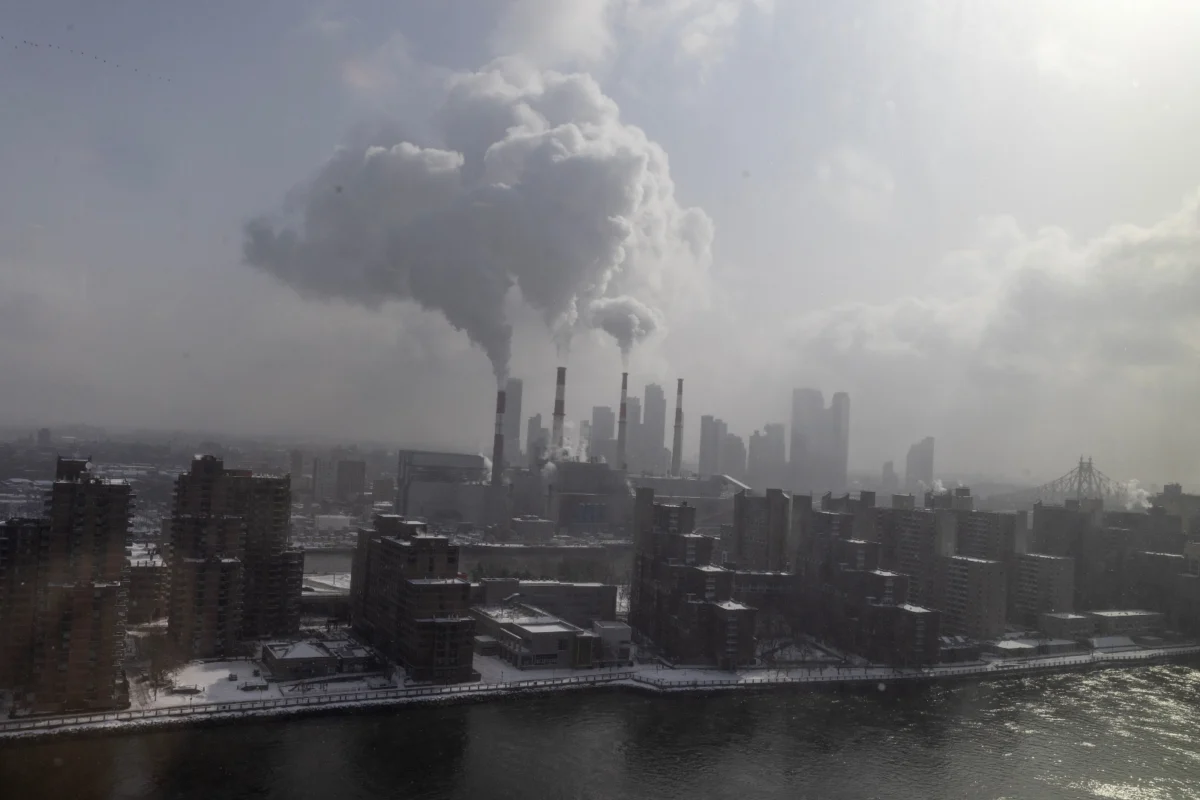
When the CLCPA was signed into law in 2019, it was hailed as a blueprint for the rest of the country. It didn’t just set goals; it established legally binding mandates that compelled state agencies to align their decisions with the 2030 and 2050 targets. However, the path to implementation has been fraught with challenges. New York remains heavily reliant on natural gas, which currently provides approximately 50 percent of the state’s electricity and serves as the primary heating source for the vast majority of residential and commercial buildings.
The state’s struggle to move away from fossil fuels was exacerbated by several factors. In 2011, the closure of the Indian Point nuclear power plant—a major source of carbon-free baseload power—forced the state to increase its reliance on natural gas-fired plants to maintain grid reliability. Furthermore, the transition to offshore wind and Canadian hydropower has faced years of delays due to environmental permitting, litigation, and supply chain disruptions. While projects like the Champlain Hudson Power Express and offshore wind farms like Empire Wind are finally moving toward completion, they represent only a fraction of the capacity needed to replace the state’s gas fleet.
Technical Accounting Shifts and Methane Metrics
Beyond the timeline extension, the new legislative deal introduces critical changes to how New York calculates its carbon footprint. These accounting adjustments are not merely bureaucratic; they have the potential to reduce the state’s reported emissions on paper without a corresponding reduction in actual atmospheric pollutants.
The original 2019 law utilized a uniquely strict 20-year timeframe to measure the global warming potential of methane, a potent greenhouse gas. While the United Nations and the Paris Agreement typically use a 100-year framework, New York’s 20-year outlook emphasized the short-term intensity of methane, which warms the planet roughly 80 times faster than carbon dioxide over two decades. By switching to the 100-year standard, the state will significantly lower the "weight" assigned to methane emissions from landfills, the livestock industry, and natural gas infrastructure.
Additionally, the state will no longer be required to account for "upstream" emissions—the pollution generated during the extraction and transport of fossil fuels produced in other states, such as Pennsylvania. Because New York imports nearly all of its natural gas, this change is expected to result in an immediate 15 percent reduction in the state’s reported emissions profile. Critics argue this is a form of "carbon creative accounting," while proponents, including some former EPA officials, suggest it aligns New York with international standards and provides a more realistic framework for long-term planning.
The Economic Argument: Protecting Consumer Budgets
Governor Hochul, a moderate Democrat, has consistently defended the rollbacks as a necessary measure to protect New Yorkers from skyrocketing utility bills and gasoline prices. In recent months, internal memos from the New York State Energy Research and Development Authority (NYSERDA) suggested that meeting the original 2030 targets would require aggressive carbon pricing or pollution taxes. Such measures could have imposed costs of several thousand dollars per year on the average household.
"Governor Hochul has made clear her top priority is keeping the lights on and costs down for all New Yorkers," said spokesperson Ken Lovett. The administration has warned that "ironclad" emissions targets, if left unchanged, would have triggered court-ordered mandates for massive pollution taxes. Indeed, a court order last year already directed state agencies to take more drastic action to meet the 2030 goals, a ruling that likely accelerated the Governor’s push to amend the law.
The new budget deal includes specific language requiring the state to consider the impact of any climate regulation on household budgets. This "affordability" clause signals a shift in priority, where the pace of decarbonization is now explicitly tied to its economic feasibility for working-class residents.
Political Fallout and Activist Reactions
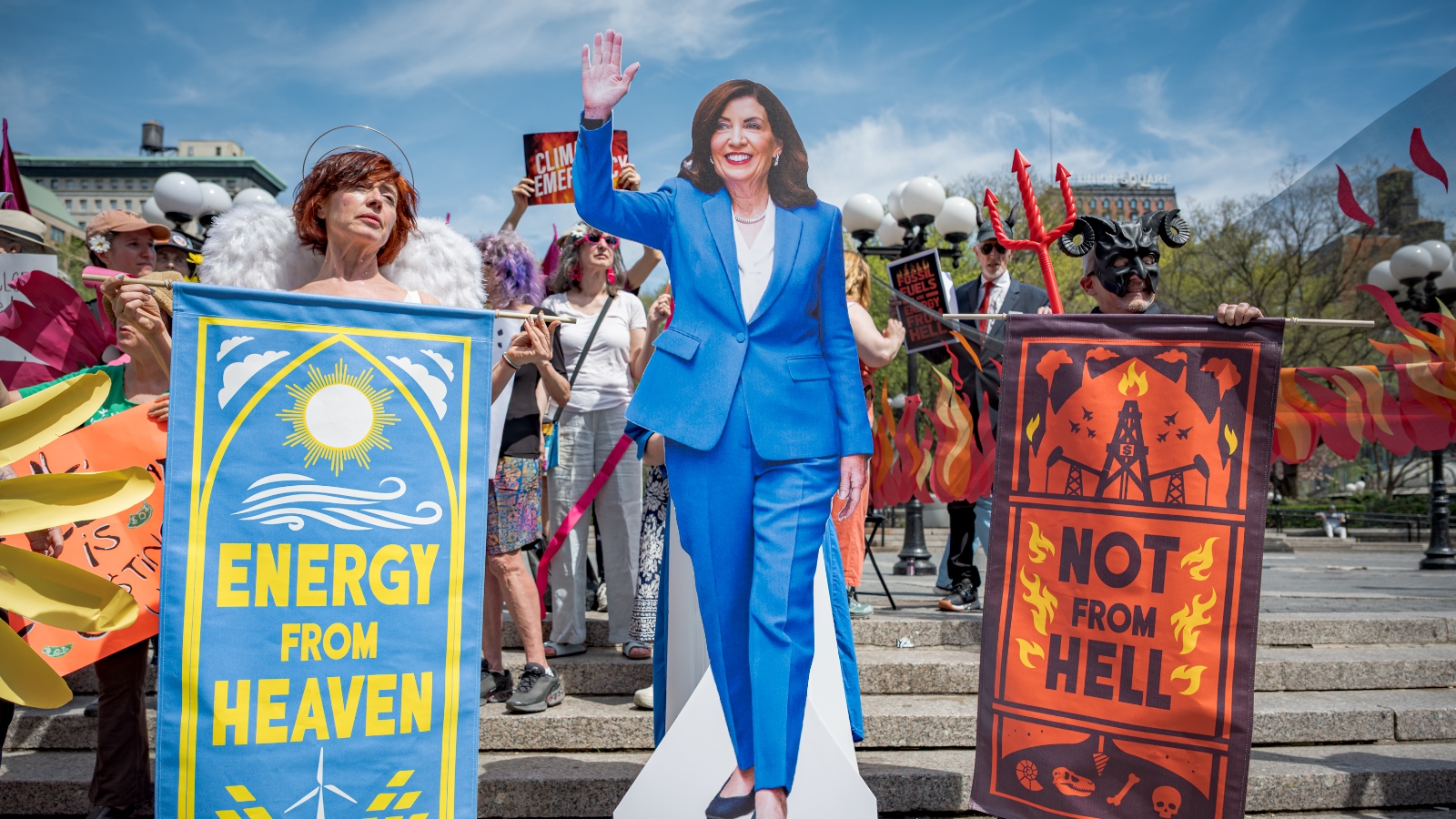
The decision to weaken the law has sparked a fierce backlash from progressive lawmakers and environmental activists who view the move as a betrayal of the state’s climate leadership. Many legislators complained that the changes were negotiated behind closed doors and "sprung" on them during the final stages of the budget process.
"This really came out of nowhere, it was sprung on us, and it was difficult even to understand what was happening," said State Assemblymember Marcella Mitaynes. Representing working-class neighborhoods in Brooklyn, Mitaynes noted that the delay of the "cap-and-invest" system—now postponed until 2028—directly impacts her constituents. The system was designed to collect fees from major polluters and reinvest 35 percent of that revenue into disadvantaged communities to improve air quality and fund green infrastructure.
The delay in cap-and-invest is particularly controversial. The program was intended to be the primary funding mechanism for New York’s transition, providing billions of dollars for heat pump installations, electric vehicle charging stations, and the retirement of aging "peaker" plants. These plants, which often operate in low-income neighborhoods during periods of high demand, are major contributors to local air pollution and respiratory illnesses.
Infrastructure and the "Peaker" Plant Dilemma
The reality of New York City’s energy needs remains one of the most significant hurdles to the CLCPA’s original goals. The state’s independent grid operator has warned that even with new renewable projects coming online, the city may still need its dirtiest gas-fired peaker plants through 2031 to avoid catastrophic blackouts during summer heatwaves.
The difficulty of this transition is evident in the residential sector as well. New York City’s Local Law 97 requires large buildings to drastically reduce emissions by 2030 or face steep fines. However, the cost of retrofitting a century-old apartment building with electric heat pumps can reach tens of millions of dollars. For many landlords, paying the fines may be more financially viable than performing the upgrades, a dynamic that threatens the efficacy of the city’s own climate mandates.
John Foley, an executive vice president at First Service Project Management, noted that while the technology for electrification exists, the infrastructure to support it is lagging. "The solution seems to be going towards electrification a lot more, and in order for electrification to be the answer, then you have to produce energy in a cleaner way," he said.
National Political Pressures and Future Outlook
The political landscape in Washington D.C. has also cast a shadow over New York’s climate ambitions. The Hochul administration has frequently cited federal resistance to renewable energy projects as a reason for the state’s slow progress. The Trump administration’s historical opposition to offshore wind and its promotion of natural gas pipelines have created a volatile environment for long-term energy investments.
In a symbolic moment that underscored these tensions, a new natural gas pipeline project recently broke ground in Brooklyn. The project, which will carry gas from Pennsylvania to Queens, was approved by the Hochul administration as part of a complex series of negotiations to protect other renewable energy interests. The groundbreaking ceremony was attended by high-ranking officials from the Trump administration, including the Secretary of Energy and the head of the EPA, while Governor Hochul was notably absent.
Despite the rollbacks, New York has not abandoned its climate goals entirely. The state budget includes $100 million for new renewable power purchases and increased tax credits for building electrification. However, the move to weaken the CLCPA serves as a stark admission that the "green revolution" is moving slower and costing more than legislators originally anticipated.
As New York recalibrates its strategy, other states are watching closely. The retreat suggests that even in politically progressive regions, the transition away from fossil fuels faces a "reality check" when it begins to impact the cost of living and grid reliability. For now, New York has traded its position as a climate pioneer for a more cautious, elongated path toward a carbon-free future.