Middle East Politics: A Crucible of Shifting Alliances, Enduring Conflicts, and Emerging Powers
The Middle East, a region historically shaped by empires and religious significance, stands today as a complex tapestry of interconnected political dynamics. Its geopolitical landscape is characterized by a persistent interplay of internal rivalries, external interventions, and the ever-present influence of resource wealth. Understanding Middle East politics necessitates an examination of its key actors, the historical grievances that fuel ongoing conflicts, the economic drivers of instability, and the burgeoning aspirations of its diverse populations. At its core, the region’s politics are defined by a struggle for regional dominance, often manifesting through proxy wars and ideological clashes, predominantly between Saudi Arabia and Iran, each leading distinct geopolitical blocs. This rivalry, fueled by sectarian divides (Sunni and Shia Islam respectively) and competing visions for regional order, underpins many of the conflicts plaguing Syria, Yemen, Iraq, and Lebanon. Beyond these major powers, a constellation of other significant players, including Turkey, Israel, Egypt, and the Gulf Cooperation Council (GCC) states, each with their own strategic interests and historical baggage, contribute to the intricate web of alliances and antagonisms.
The enduring conflict between Israelis and Palestinians remains a central, albeit often overshadowed, issue within Middle East politics. Decades of occupation, displacement, and unresolved territorial disputes have created a deep-seated animosity and a persistent source of regional instability. The international community’s efforts to broker a lasting peace have largely faltered, leaving a vacuum that extremist groups have often exploited. The unresolved status of Jerusalem, the issue of Palestinian refugees, and the ongoing expansion of Israeli settlements in the West Bank are perpetual flashpoints. The emergence of Hamas as a significant political and military force in Gaza, and its adversarial relationship with Fatah, the Palestinian Authority governing parts of the West Bank, further complicates any potential resolution. The Abraham Accords, normalizing relations between Israel and several Arab nations, represent a significant shift in regional diplomacy, though their impact on the core Israeli-Palestinian conflict remains to be seen.
The persistent threat of terrorism, emanating from groups like ISIS and Al-Qaeda, has profoundly shaped the political and security calculus of the Middle East. These organizations, exploiting existing sectarian tensions, economic grievances, and political instability, have launched attacks both within the region and globally. The fight against these groups has led to complex and often controversial international military interventions, most notably the US-led coalition in Iraq and Syria. The effectiveness and long-term consequences of these interventions remain subjects of intense debate, with concerns raised about civilian casualties, the empowerment of rival militias, and the potential for creating new breeding grounds for extremism. The dispersal of ISIS fighters following territorial defeats has led to concerns about their regrouping and resurgence in different forms and locations.
The vast oil and gas reserves of the Middle East have historically been a primary driver of regional and international interest, shaping alliances and fueling geopolitical rivalries. The economic power derived from hydrocarbon exports has enabled states like Saudi Arabia and the UAE to project influence and invest heavily in their domestic economies and foreign policy objectives. However, this reliance on fossil fuels also renders these economies vulnerable to global energy market fluctuations and the increasing global imperative to transition to renewable energy sources. This looming energy transition presents a significant long-term challenge for Middle Eastern economies, prompting diversification efforts and investments in non-oil sectors, though the pace and success of these transitions vary significantly across the region. The strategic importance of oil transit routes, such as the Strait of Hormuz, continues to be a focal point for military posturing and international concern.
The Arab Spring uprisings, beginning in 2010, marked a pivotal moment in Middle Eastern politics, signaling a desire for democratic reform, economic opportunity, and an end to authoritarian rule. While initial hopes for widespread liberalization were met with varying degrees of success and often devolved into brutal civil wars or reinforced authoritarianism, the legacy of these uprisings continues to resonate. The region remains a hotbed of social and political activism, with younger generations increasingly vocal in their demands for change. The suppression of dissent in many countries, coupled with persistent economic inequality and youth unemployment, creates fertile ground for future instability. The Syrian civil war, a direct consequence of the Arab Spring, has become the most devastating conflict of the 21st century, displacing millions and creating a humanitarian catastrophe.
Turkey’s assertive foreign policy under President Erdoğan has significantly reshaped the regional power dynamics. Its involvement in Syria, its naval presence in the Eastern Mediterranean, and its complex relationship with both NATO allies and regional rivals like Greece and Egypt, demonstrate a growing ambition to reassert Turkey’s influence. Ankara’s support for various Islamist groups, its strategic partnerships, and its military interventions in neighboring countries have positioned it as a key, and often disruptive, player in Middle Eastern affairs. Turkey’s pursuit of its own national interests, sometimes at odds with traditional Western alliances, adds another layer of complexity to regional diplomacy.
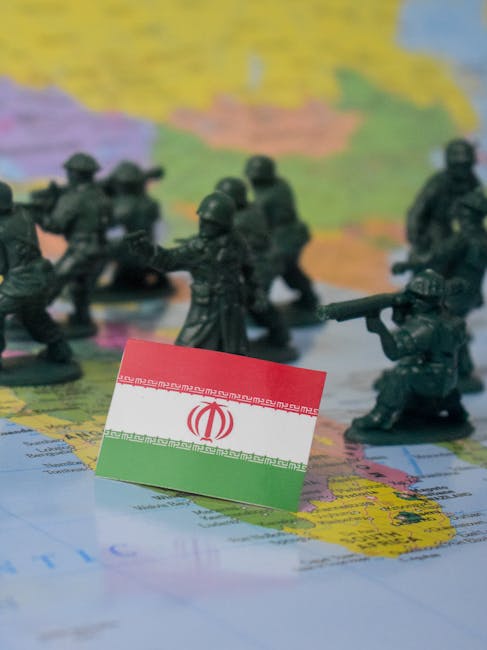
Iran’s nuclear program and its regional interventions have been a perennial source of international concern and have significantly influenced the political landscape. The Joint Comprehensive Plan of Action (JCPOA), aimed at curbing Iran’s nuclear ambitions, has been a subject of intense debate and diplomatic maneuvering, particularly after the US withdrawal in 2018 and subsequent reimposition of sanctions. Iran’s support for Shia militias and political movements across the region, including Hezbollah in Lebanon and the Houthi rebels in Yemen, fuels the proxy conflict with Saudi Arabia and contributes to regional instability. The internal political dynamics of Iran, including the power struggles between hardliners and reformers, also play a crucial role in its foreign policy decisions.
The role of external powers in the Middle East remains a significant factor. The United States, historically a dominant force, has sought to recalibrate its engagement, focusing on counter-terrorism and maintaining strategic partnerships, while also signaling a desire for reduced military commitments. Russia has reasserted its influence, particularly through its military intervention in Syria, and has sought to cultivate relationships with various regional actors, often challenging the US’s traditional dominance. China’s growing economic footprint and its Belt and Road Initiative are gradually increasing its political and strategic presence, though it generally maintains a non-interventionist stance on security matters. The European Union, while economically influential, often struggles to present a united and effective political front in the region.
The demographic shifts within the Middle East, characterized by a young and rapidly growing population in many countries, represent both an opportunity and a challenge. This youth bulge, coupled with increasing access to information and social media, fuels aspirations for economic advancement, political participation, and social reform. Governments face the dual challenge of creating sufficient employment opportunities and addressing the demands for greater freedoms and accountability. Failure to do so risks further social unrest and political instability. The ongoing refugee crisis, largely stemming from conflicts in Syria, Iraq, and Afghanistan, also places significant strain on regional resources and social cohesion, with millions displaced and seeking refuge in neighboring countries and beyond.
The internal political structures of Middle Eastern states vary widely, from monarchies (Saudi Arabia, Jordan) and emirates (UAE, Qatar) to republics with varying degrees of democratic practice (Egypt, Lebanon) and authoritarian regimes (Syria, Yemen). The strength and legitimacy of these institutions are often tested by internal dissent, corruption, and external pressures. The process of political succession within monarchies, the challenges of democratic consolidation in republics, and the ongoing impact of civil wars all contribute to the fluid and often unpredictable nature of Middle Eastern politics. The role of non-state actors, including powerful tribal confederations and influential religious institutions, also cannot be overlooked in understanding the intricate power dynamics.
In conclusion, Middle East politics is a perpetually evolving arena marked by a complex interplay of historical legacies, religious and sectarian divides, economic imperatives, and the aspirations of its diverse populations. The enduring Israeli-Palestinian conflict, the persistent threat of terrorism, the strategic importance of energy resources, and the reverberations of the Arab Spring continue to shape the region’s trajectory. The assertive foreign policies of regional powers like Turkey and Iran, coupled with the shifting engagements of external actors, add further layers of complexity. Navigating this landscape requires a nuanced understanding of the intricate relationships, the underlying grievances, and the constant flux of alliances and rivalries that define this critical geopolitical nexus. The future of the Middle East will undoubtedly be shaped by its ability to address its internal conflicts, foster inclusive economic development, and navigate the complex challenges of regional and international engagement.
