Environmental Issues: A Comprehensive Overview
The tapestry of our planet is interwoven with intricate ecological systems, each vital to the Earth’s health and the continuation of life as we know it. However, human activities have profoundly disrupted these delicate balances, leading to a spectrum of environmental issues that pose significant threats to ecosystems, biodiversity, and human well-being. These issues are not isolated incidents but rather interconnected phenomena, often exacerbating one another and demanding urgent, multi-faceted solutions. Understanding the scope and impact of these challenges is the first crucial step towards effective mitigation and adaptation.
One of the most pervasive and consequential environmental issues is climate change, driven primarily by the increased concentration of greenhouse gases (GHGs) in the atmosphere. The burning of fossil fuels for energy, industrial processes, and transportation releases vast quantities of carbon dioxide (CO2), methane (CH4), and nitrous oxide (N2O). These gases trap heat, leading to a gradual warming of the planet. The consequences of this warming are far-reaching, manifesting as rising global temperatures, altered precipitation patterns, more frequent and intense extreme weather events such as hurricanes, droughts, floods, and wildfires, and the melting of glaciers and ice caps, contributing to sea-level rise. Ocean acidification, a direct result of the ocean absorbing excess CO2, threatens marine ecosystems, particularly coral reefs and shellfish. The disruption of climate patterns impacts agricultural productivity, water availability, and can displace populations, creating climate refugees. Addressing climate change requires a global transition to renewable energy sources, increased energy efficiency, sustainable land management practices, and carbon capture technologies. International cooperation and policy frameworks, such as the Paris Agreement, are essential to coordinate global efforts and set ambitious emission reduction targets.
Biodiversity loss represents another critical environmental challenge. Biodiversity, the variety of life on Earth at all its levels, from genes to ecosystems, provides essential ecosystem services such as pollination, water purification, soil formation, and disease regulation. Habitat destruction and fragmentation, driven by agriculture, urbanization, and resource extraction, are primary drivers of species extinction. Overexploitation of natural resources, through unsustainable hunting, fishing, and logging, further depletes populations. Pollution, invasive species, and the impacts of climate change also contribute significantly to biodiversity decline. The loss of even a single species can have cascading effects throughout an ecosystem, weakening its resilience and impairing its ability to function. Conservation efforts, including the establishment of protected areas, habitat restoration, sustainable resource management, and combating illegal wildlife trade, are vital to stemming this tide. Genetic diversity within species is also crucial for adaptation, and efforts to preserve it are increasingly important.
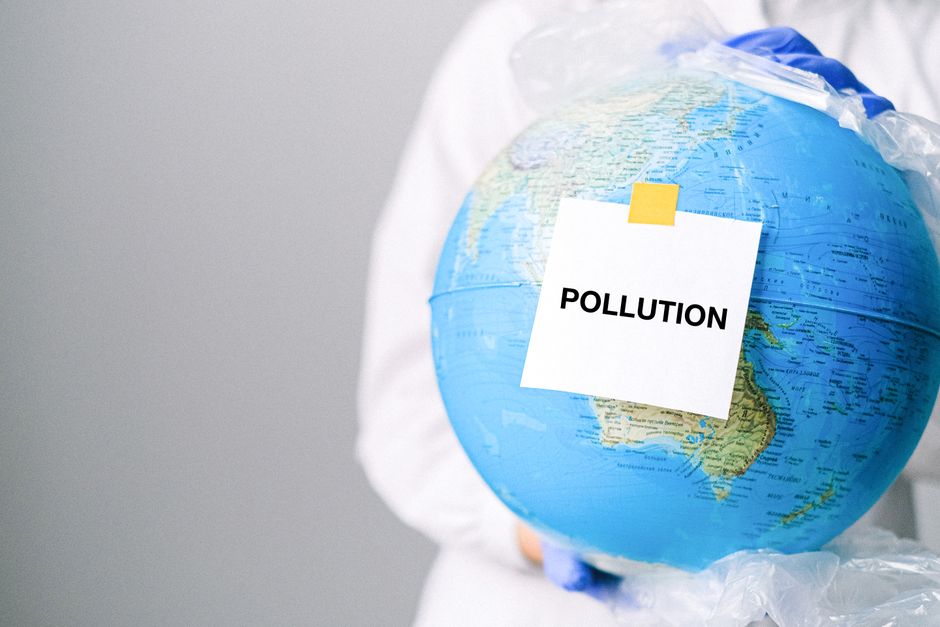
Pollution, in its myriad forms, contaminates our air, water, and soil, posing direct threats to human health and the environment. Air pollution, from industrial emissions, vehicle exhaust, and burning of biomass, leads to respiratory diseases, cardiovascular problems, and contributes to acid rain. Water pollution, caused by agricultural runoff (pesticides and fertilizers), industrial discharge, sewage, and plastic waste, contaminates drinking water sources, harms aquatic life, and disrupts marine ecosystems. Plastic pollution, in particular, has emerged as a global crisis, with microplastics entering the food chain and accumulating in organisms. Soil pollution, from heavy metals, chemical contaminants, and persistent organic pollutants, degrades land quality, reduces agricultural productivity, and can leach into water systems. Effective pollution control requires stringent regulations on industrial emissions, improved waste management systems, sustainable agricultural practices that minimize chemical use, and a significant reduction in single-use plastics. The development and implementation of circular economy models, focusing on reuse, repair, and recycling, are crucial for minimizing waste and pollution.
Deforestation and land degradation are significant environmental issues with far-reaching consequences. Forests play a crucial role in regulating climate, absorbing CO2, and supporting biodiversity. Deforestation, driven by agricultural expansion (cattle ranching, palm oil plantations), logging, and urbanization, not only releases stored carbon but also leads to soil erosion, desertification, and habitat loss. Land degradation, which includes soil erosion, salinization, and nutrient depletion, reduces the productivity of agricultural lands and natural ecosystems, impacting food security and livelihoods. Sustainable forest management, reforestation and afforestation initiatives, and the promotion of sustainable agricultural practices that conserve soil and water are essential for reversing these trends. Land use planning that prioritizes conservation and sustainable development is also critical.
Water scarcity and water quality degradation are pressing concerns, particularly in arid and semi-arid regions, but increasingly in areas previously considered water-rich. Growing populations, increased agricultural demand, industrial use, and climate change-induced droughts are straining freshwater resources. Pollution further exacerbates water scarcity by rendering available water unusable. The over-extraction of groundwater can lead to land subsidence and saltwater intrusion in coastal areas. Effective water management strategies include promoting water-efficient technologies in agriculture and industry, investing in water infrastructure and treatment, implementing integrated water resource management plans, and protecting water catchment areas. Desalination, while energy-intensive, can be a viable option in some coastal regions. Raising public awareness about water conservation is also paramount.
Ocean health is under immense pressure from various environmental issues. Overfishing has depleted fish stocks globally, disrupting marine food webs. Pollution, including plastic waste, chemical runoff, and nutrient enrichment from agricultural sources (leading to eutrophication and dead zones), degrades marine habitats and harms marine life. Climate change, with its associated warming and acidification, poses existential threats to coral reefs and other sensitive marine ecosystems. The destruction of coastal habitats like mangroves and seagrass beds, crucial for carbon sequestration and coastal protection, further compounds these problems. Marine protected areas, sustainable fishing practices, the reduction of plastic pollution, and international cooperation on ocean governance are vital for safeguarding ocean health.
Sustainable resource management is an overarching environmental issue that underpins many of the specific challenges. The current linear economic model, characterized by a "take-make-dispose" approach, is inherently unsustainable. Resource depletion, driven by ever-increasing consumption, necessitates a shift towards a circular economy that prioritizes resource efficiency, reuse, and recycling. This includes responsible mining practices, sustainable forestry, efficient water use, and minimizing waste generation. The development of innovative materials and technologies that are more sustainable and less resource-intensive is also crucial. Education and awareness campaigns are vital to promote sustainable consumption patterns and foster a culture of environmental responsibility.
The interconnectedness of these environmental issues means that solutions must also be integrated. For instance, addressing climate change through renewable energy not only reduces GHG emissions but can also improve air quality. Protecting forests not only sequesters carbon but also preserves biodiversity and prevents soil erosion. Transitioning to sustainable agriculture can reduce water pollution and improve soil health. A holistic approach that recognizes the intricate relationships within the Earth’s systems is essential. Furthermore, addressing environmental issues requires a combination of technological innovation, policy reform, economic incentives, and behavioral change. International collaboration, equitable resource distribution, and empowering local communities are also critical components of effective environmental stewardship. The challenges are significant, but with concerted and coordinated action, it is possible to mitigate these environmental issues and foster a more sustainable future for all life on Earth. The urgency of the situation demands immediate and decisive action at all levels, from individual choices to global policy.