Environmental Issues: A Global Crisis of Unprecedented Scale
The Earth, our singular dwelling, faces a multifaceted and escalating array of environmental issues, each intricately linked and contributing to a systemic breakdown of planetary health. These challenges are not abstract future threats but present realities impacting ecosystems, biodiversity, human health, and the stability of socio-economic systems worldwide. Understanding the scope and interconnectedness of these issues is paramount to formulating effective mitigation and adaptation strategies.
Climate Change: The Overarching Threat
At the forefront of global environmental concerns is climate change, primarily driven by the anthropogenic emission of greenhouse gases (GHGs) such as carbon dioxide (CO2), methane (CH4), and nitrous oxide (N2O). The burning of fossil fuels for energy, transportation, and industrial processes releases vast quantities of CO2 into the atmosphere. Deforestation, a significant contributor, reduces the Earth’s capacity to absorb CO2 through photosynthesis, further exacerbating the problem. Methane, a potent GHG with a higher warming potential than CO2, is released from agricultural activities, livestock, and the extraction and transport of fossil fuels. Nitrous oxide, another powerful GHG, originates from agricultural and industrial activities. The accumulation of these gases in the atmosphere traps heat, leading to a gradual increase in global average temperatures.
The consequences of this warming are far-reaching and severe. Rising global temperatures manifest as more frequent and intense heatwaves, posing significant risks to human health, agriculture, and ecosystems. Polar ice caps and glaciers are melting at an accelerated rate, contributing to sea-level rise, which threatens coastal communities, ecosystems like mangrove forests, and freshwater sources through saltwater intrusion. Changes in precipitation patterns result in more extreme weather events, including prolonged droughts in some regions and intense floods in others. These shifts disrupt agricultural yields, increase the risk of water scarcity, and damage infrastructure. Ocean acidification, a direct result of increased CO2 absorption by seawater, threatens marine life, particularly shell-forming organisms like corals and shellfish, with profound implications for marine food webs and fisheries. The complex interactions of these climatic shifts create a cascade of ecological disruptions, pushing many species towards extinction.
Biodiversity Loss: The Sixth Mass Extinction
Closely intertwined with climate change is the alarming rate of biodiversity loss, often referred to as the sixth mass extinction event in Earth’s history. This decline in the variety of life on Earth, encompassing species, genetic diversity within species, and ecosystem diversity, is driven by habitat destruction and fragmentation, pollution, overexploitation of natural resources, invasive species, and climate change.
Habitat destruction, primarily due to agricultural expansion, urbanization, and resource extraction, is the leading cause of species extinction. Forests, wetlands, grasslands, and other vital ecosystems are cleared or degraded, leaving countless species without the necessary resources and space to survive. Fragmentation of habitats isolates populations, making them more vulnerable to local extinction events and reducing genetic exchange, which is crucial for adaptation.
Overexploitation, including unsustainable hunting, fishing, and logging, has decimated populations of many species. The demand for certain wildlife products, often driven by traditional medicine or luxury markets, puts immense pressure on vulnerable populations.
Pollution, in its various forms – plastic, chemical, noise, and light – further degrades habitats and directly harms wildlife. Plastic pollution, in particular, poses a severe threat to marine and terrestrial ecosystems, causing entanglement, ingestion, and poisoning of animals. Chemical pollutants, such as pesticides and industrial effluents, can disrupt reproductive cycles, weaken immune systems, and lead to widespread mortality.
Invasive species, introduced by human activities to new environments, can outcompete native species for resources, prey on them, or introduce diseases, leading to significant ecological imbalances. Climate change exacerbates these threats by altering species’ ranges, making them more susceptible to invasion or reducing their ability to compete with newly arriving species. The loss of biodiversity weakens ecosystem resilience, making them less capable of providing essential services like pollination, water purification, and carbon sequestration. This has direct and severe consequences for human well-being, impacting food security, medicine, and the overall stability of the planet.
Resource Depletion and Unsustainable Consumption
The planet’s finite resources are being depleted at an alarming rate to fuel a global economy driven by unsustainable consumption patterns. This includes the overextraction of fossil fuels, minerals, timber, water, and fertile soil.
Water scarcity is a growing global concern. While 70% of the Earth’s surface is covered by water, only a small fraction is freshwater, and a significant portion is becoming contaminated or inaccessible due to pollution and mismanagement. Growing populations, increased agricultural demand for irrigation, and industrial use are placing immense pressure on freshwater reserves, leading to conflicts and hindering development in many regions.
Soil degradation, resulting from intensive agricultural practices, deforestation, and erosion, is another critical issue. This loss of topsoil reduces agricultural productivity, contributing to food insecurity and desertification. Fertile land is a finite and irreplaceable resource, and its degradation undermines the very foundation of food production.
Forests, vital for biodiversity, carbon sequestration, and water cycles, are being cleared for timber, agriculture, and urban expansion. Deforestation leads to habitat loss, soil erosion, and contributes to climate change. The unsustainable logging of old-growth forests, in particular, has devastating long-term consequences for ecosystem health and biodiversity.
The extraction of minerals and metals, essential for modern technology and infrastructure, also carries significant environmental costs. Mining operations can lead to habitat destruction, water pollution from tailings and acid mine drainage, and air pollution from dust and processing activities. The unsustainable demand for these finite resources creates geopolitical tensions and drives further environmental degradation.
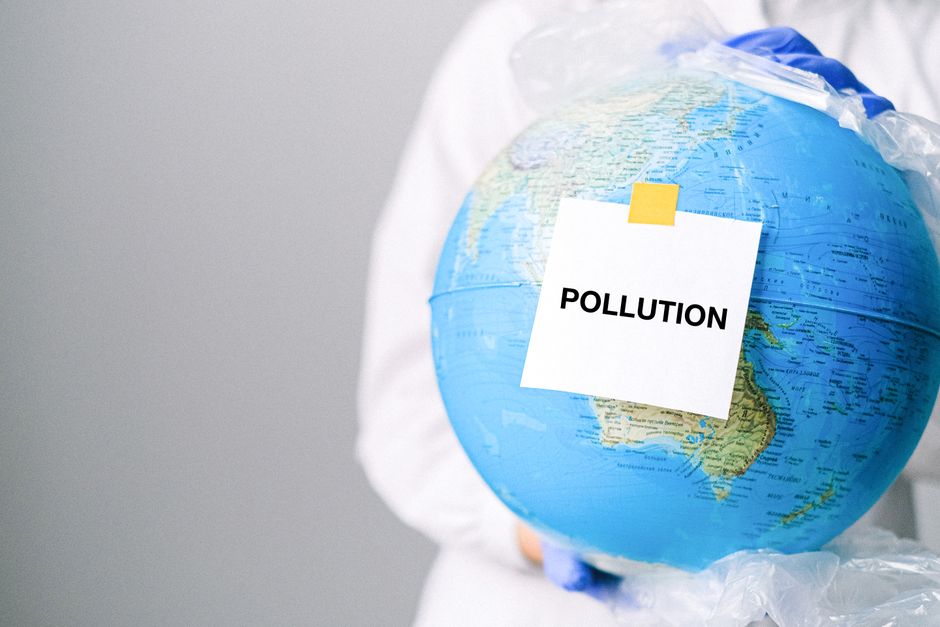
Pollution: A Pervasive Contaminant
Pollution, in its diverse forms, permeates nearly every facet of the environment, posing significant threats to ecosystems and human health.
Air pollution, stemming from industrial emissions, vehicle exhaust, and the burning of fossil fuels and biomass, releases harmful particulate matter, nitrogen oxides (NOx), sulfur dioxide (SO2), and volatile organic compounds (VOCs). These pollutants contribute to respiratory illnesses, cardiovascular diseases, acid rain, and damage to vegetation and buildings. Smog, a visible manifestation of air pollution in urban areas, reduces visibility and exacerbates respiratory problems.
Water pollution contaminates rivers, lakes, oceans, and groundwater with a cocktail of industrial chemicals, agricultural runoff (pesticides and fertilizers), sewage, and plastic waste. This pollution harms aquatic life, renders water unsafe for human consumption, and can lead to eutrophication, the excessive growth of algae due to nutrient enrichment, which depletes oxygen levels and creates "dead zones."
Plastic pollution has emerged as a critical global crisis. Billions of tons of plastic waste accumulate in landfills and oceans, where it breaks down into microplastics that enter food chains and pose risks to wildlife and potentially human health. The persistence of plastics in the environment means they will continue to contaminate ecosystems for centuries.
Soil pollution, caused by industrial waste, agricultural chemicals, and improper waste disposal, can render land infertile, contaminate food crops, and leach into groundwater. Heavy metals, persistent organic pollutants (POPs), and other toxic substances can accumulate in the soil, posing long-term risks.
E-waste, the discarded electronic devices, presents a unique pollution challenge. These devices contain hazardous materials like lead, mercury, and cadmium, which can leach into the environment if not properly managed, posing risks to human health and ecosystems.
The interconnectedness of these issues necessitates a holistic approach to environmental management and policy. Addressing climate change requires a rapid transition to renewable energy sources and improved energy efficiency. Mitigating biodiversity loss demands habitat protection, sustainable land use practices, and robust conservation efforts. Combating resource depletion necessitates a shift towards a circular economy that emphasizes reuse, repair, and recycling. Tackling pollution requires stringent regulations, technological innovation, and a fundamental change in consumption and production patterns. The scale of these environmental challenges is unprecedented, but so too is the potential for collective human action to forge a more sustainable and resilient future for all life on Earth.
