Energy and Infrastructure: The Intertwined Pillars of Modern Civilization
The global energy and infrastructure sectors represent a critical nexus, fundamentally underpinning economic growth, social development, and the very fabric of modern society. Energy, the capacity to do work, is the lifeblood that powers everything from individual homes and businesses to vast industrial complexes and intricate transportation networks. Infrastructure, on the other hand, comprises the physical and organizational structures and facilities needed for the operation of a society or enterprise. This encompasses transportation systems (roads, railways, airports, ports), communication networks, water and sewage systems, and crucially, the energy generation and distribution facilities. The symbiotic relationship between these two domains is undeniable; without reliable and affordable energy, infrastructure becomes inert, and without robust infrastructure, the generation and delivery of energy are severely hampered. Understanding this intricate interdependence is paramount for policymakers, investors, engineers, and citizens alike as we navigate the challenges of a rapidly evolving world.
The energy sector itself is a complex and multifaceted landscape, historically dominated by fossil fuels – coal, oil, and natural gas. These hydrocarbon sources have powered industrial revolutions and sustained global development for centuries, offering high energy density and relative ease of extraction and utilization. However, their combustion releases greenhouse gases, primarily carbon dioxide (CO2), methane (CH4), and nitrous oxide (N2O), which are the principal drivers of anthropogenic climate change. This environmental consequence has spurred a global paradigm shift towards cleaner, more sustainable energy sources. The infrastructure required to harness these fossil fuels includes extraction sites (mines, oil rigs, gas wells), refineries, pipelines, storage facilities, and power plants. Each of these components represents significant capital investment and carries environmental risks, including habitat destruction, water contamination, and air pollution.
The transition to renewable energy sources is a defining characteristic of the contemporary energy and infrastructure discourse. Solar power, leveraging photovoltaic technology to convert sunlight into electricity, requires extensive land for solar farms or rooftops for distributed generation. Wind power, utilizing turbines to capture kinetic energy from wind, necessitates substantial land or offshore areas for wind farms. Hydropower, harnessing the potential energy of falling water, depends on the construction of dams and reservoirs, which can significantly alter river ecosystems and displace communities. Geothermal energy taps into the Earth’s internal heat, requiring drilling and specialized power plants. Biomass energy utilizes organic matter as fuel, raising questions about land use, food security, and sustainable sourcing. Each renewable technology presents unique infrastructure demands, from the manufacturing of solar panels and wind turbines to the construction of substations, transmission lines, and grid integration systems.
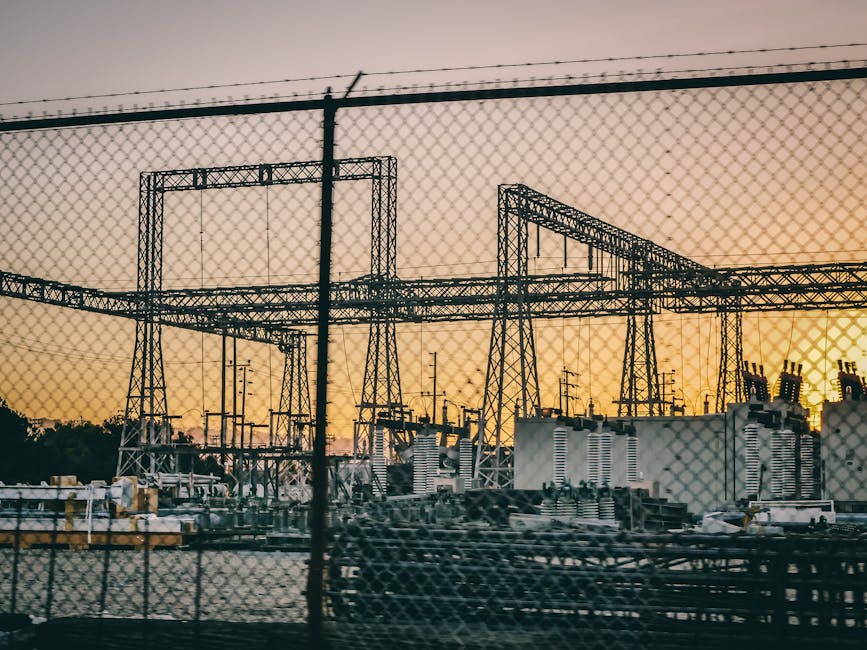
The infrastructure supporting energy, particularly the electricity grid, is a cornerstone of societal functionality. This includes generation facilities, transmission lines (high-voltage lines that carry electricity over long distances), distribution networks (lower-voltage lines that deliver electricity to end-users), and substations that transform voltage levels. The existing grid infrastructure, in many parts of the world, was designed for a centralized, fossil-fuel-based energy system. As renewable energy sources become more prevalent, often characterized by their distributed and intermittent nature, this traditional grid faces significant challenges. Integrating variable renewable sources like solar and wind requires enhanced grid flexibility, advanced control systems, and substantial investment in transmission and distribution upgrades.
The concept of a "smart grid" has emerged as a critical component of modern energy infrastructure. A smart grid utilizes digital communication technology, sensors, and advanced analytics to monitor, control, and optimize the flow of electricity. This enables real-time data collection, demand-side management (influencing consumer behavior to reduce peak demand), and more efficient integration of distributed energy resources. Smart grids are crucial for managing the intermittency of renewables, improving grid resilience, and enhancing energy efficiency. The infrastructure for smart grids includes smart meters at customer premises, advanced sensors on the grid, sophisticated software for data analysis and control, and robust communication networks.
Energy storage solutions are another indispensable element of the evolving energy and infrastructure landscape. Batteries, particularly lithium-ion technology, are at the forefront of this development, enabling the storage of excess renewable energy for use during periods of low generation or high demand. Other storage technologies include pumped hydro storage, compressed air energy storage, and thermal energy storage. The deployment of energy storage infrastructure is vital for stabilizing the grid, enhancing the reliability of renewable energy, and facilitating the decarbonization of sectors like transportation through electric vehicle charging infrastructure.
The transportation sector, a major consumer of energy and a significant component of infrastructure, is undergoing a profound transformation. The widespread adoption of electric vehicles (EVs) necessitates a vast network of charging stations, ranging from home chargers to public fast-charging facilities. This infrastructure development is a critical enabler of EV uptake and a key element in reducing emissions from the transport sector. Furthermore, the development of high-speed rail networks, powered by electricity, offers a sustainable alternative to air and road travel for medium to long distances, requiring significant investment in track, rolling stock, and power supply infrastructure.
Water and wastewater infrastructure, while not directly an energy sector, is intrinsically linked to energy consumption and generation. Pumping water for supply, treating wastewater, and desalinating seawater are all energy-intensive processes. Conversely, hydropower projects can significantly impact water availability and quality. Investments in efficient water management systems, leak detection technologies, and advanced wastewater treatment plants contribute to both resource conservation and reduced energy demand.
The digital infrastructure that underpins communication networks is also increasingly intertwined with energy and infrastructure. The operation of data centers, which are essential for cloud computing, the internet of things (IoT), and artificial intelligence, consumes enormous amounts of electricity. The design and location of these data centers are influenced by access to reliable and affordable energy, often favoring regions with abundant renewable energy resources. The increasing reliance on digital technologies for grid management, energy trading, and smart home applications further strengthens this connection.
Beyond the physical infrastructure, the regulatory and policy frameworks governing the energy and infrastructure sectors are crucial determinants of their development and sustainability. Government policies, subsidies, carbon pricing mechanisms, and international agreements play a pivotal role in incentivizing investment in renewable energy, driving the adoption of energy-efficient technologies, and guiding the development of resilient and sustainable infrastructure. The "energy transition" is not merely a technological challenge but also a complex socio-economic and political undertaking.
Investment in energy and infrastructure is a massive undertaking, attracting substantial capital from both public and private sources. The long-term nature of these investments, coupled with their significant scale, requires careful planning, risk assessment, and a stable policy environment. Investors are increasingly scrutinizing the environmental, social, and governance (ESG) performance of energy and infrastructure projects, reflecting a growing awareness of the long-term risks associated with climate change and resource depletion.
The concept of "infrastructure resilience" is gaining prominence, particularly in the context of climate change and increasing extreme weather events. Infrastructure must be designed and built to withstand the impacts of floods, droughts, heatwaves, and storms, ensuring continuity of essential services. This involves incorporating climate adaptation measures into infrastructure design, utilizing resilient materials, and developing robust disaster response plans. The energy infrastructure, in particular, is vulnerable to extreme weather, highlighting the need for distributed generation, microgrids, and hardening of transmission and distribution networks.
The circular economy principles are also beginning to influence the energy and infrastructure sectors. This involves designing out waste and pollution, keeping products and materials in use, and regenerating natural systems. In the energy sector, this could mean the recycling and reuse of components from solar panels and wind turbines. In infrastructure, it translates to the use of recycled construction materials and the design of buildings and transportation systems for longevity and adaptability.
The demographic shifts and urbanization trends of the 21st century also significantly impact energy and infrastructure demands. Growing populations, particularly in urban centers, necessitate expanded housing, transportation, and energy supply. This presents both challenges and opportunities for infrastructure development, requiring innovative solutions for efficient resource utilization and sustainable urban planning. The development of smart cities, which integrate technology and data to improve urban services and quality of life, is heavily reliant on robust energy and digital infrastructure.
In conclusion, the energy and infrastructure sectors are inextricably linked, forming the foundational elements of modern civilization. The ongoing transition towards a low-carbon economy, driven by the imperative to address climate change, is reshaping both sectors. This necessitates massive investments in renewable energy generation, advanced grid technologies, energy storage, and resilient infrastructure. Understanding the complex interplay between these domains, coupled with proactive policy development and sustained innovation, will be critical for ensuring a sustainable, prosperous, and secure future. The challenges are significant, but the opportunities for transformative change and the creation of a more equitable and environmentally responsible global society are equally profound. The continued evolution of energy and infrastructure will define the trajectory of human progress for decades to come.