Washington D.C. Security Alert: Israel Embassy, Jewish Museum Under Scrutiny Following Security Incident
Washington D.C., a city synonymous with global diplomacy and historical significance, found itself at the center of heightened security concerns following a suspicious incident near the Embassy of Israel and the nearby Jewish Museum. While authorities have been deliberately circumspect in their initial public statements, the nature of the locations involved has naturally triggered a robust investigative response and widespread public interest. The primary focus of the ongoing investigation revolves around a reported security breach or suspicious activity that prompted a swift and coordinated response from multiple law enforcement agencies. Initial reports, though unconfirmed by official sources as of this writing, suggest that the incident involved an individual or individuals exhibiting concerning behavior in close proximity to these sensitive diplomatic and cultural sites. The immediate lockdown and increased police presence in the vicinity underscore the gravity with which law enforcement is treating the situation. Understanding the nuances of the investigation requires an examination of the potential motivations, the methods employed by the perpetrators (if any), the impact on the targeted institutions, and the broader implications for security protocols in the nation’s capital.
The incident, which unfolded on [Insert Date of Incident if known, otherwise state "a recent date"], immediately drew the attention of the U.S. Secret Service, the Metropolitan Police Department of the District of Columbia (MPD), and potentially federal agencies like the FBI, given the diplomatic nature of one of the affected locations. The Embassy of Israel, a prominent symbol of international relations, and the Jewish Museum of the District of Columbia, a repository of rich cultural heritage and a focal point for the local Jewish community, are both considered high-profile targets. The proximity of these two institutions further complicates the security landscape, suggesting a potential targeting of specific communities or symbols. Early indicators pointed towards a lone individual, though investigations are often fluid and can evolve as more information surfaces. The precise nature of the "suspicious activity" remains a key element of the ongoing inquiry. Whether it involved an attempted intrusion, suspicious loitering, the presence of an unattended package, or direct threats, has not been definitively disclosed. However, the immediate and robust law enforcement response indicates a perceived threat to national security and public safety. The careful deployment of tactical units and the establishment of perimeters around the affected areas demonstrate a commitment to neutralizing any potential danger and securing the scene for thorough forensic examination.
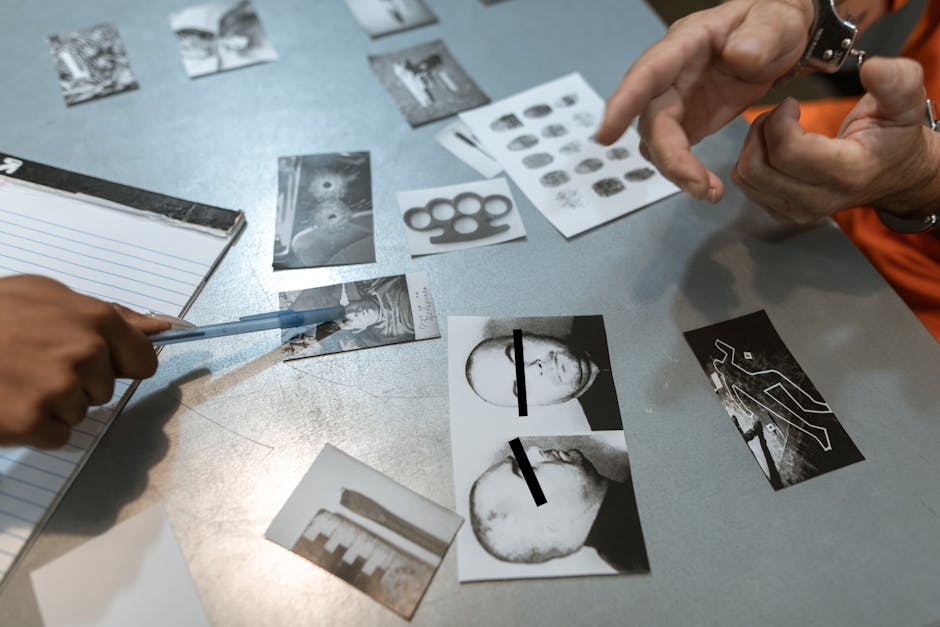
The investigation is employing a multi-pronged approach, prioritizing the collection of physical evidence, the review of surveillance footage, and witness interviews. Law enforcement agencies are meticulously combing through the areas surrounding both the Embassy of Israel and the Jewish Museum for any discarded items, potential weapons, or other clues that might illuminate the suspect’s actions and intentions. Security camera footage from the embassy itself, the museum, and surrounding businesses is a critical component of the investigation. Analysts are working to trace the movements of individuals in the vicinity before, during, and after the reported incident, hoping to identify the suspect(s) and establish a timeline of events. Witness testimony, though often subjective, can provide invaluable insights into the suspect’s demeanor, appearance, and any audible statements made. The aim is to piece together a comprehensive narrative of the incident, moving from initial observation to a definitive understanding of what transpired. The use of advanced forensic techniques, including DNA analysis and digital forensics, may also be employed as the investigation progresses.
The potential motivations behind such an incident are a significant area of inquiry, especially given the targets involved. The Embassy of Israel inherently represents a focal point for geopolitical tensions and sentiments, both supportive and antagonistic, towards the State of Israel. Anti-Semitic sentiments, unfortunately, remain a persistent threat, and targeting a Jewish institution like the Jewish Museum could be indicative of such ideological underpinnings. Investigations often explore the suspect’s online activity, social media presence, and any known affiliations with extremist groups or ideologies. The possibility of a lone actor driven by personal grievances, mental health issues, or a combination of factors cannot be discounted. Law enforcement agencies are also considering the possibility of a wider conspiracy, though initial indications often point towards individual actions in such cases. The determination of intent is paramount, as it will shape the legal ramifications for any apprehended suspect and inform future security strategies. The classification of the incident – whether it is deemed an act of terrorism, hate crime, or a less severe offense – will depend heavily on the evidence uncovered regarding the suspect’s motivations and actions.
The immediate aftermath of the incident has seen significant disruption and concern for those connected to the affected institutions. The Embassy of Israel, a hub of diplomatic activity, would have experienced a temporary suspension of operations and enhanced security protocols. Diplomatic staff and visitors would have been subjected to heightened security measures, potentially including restricted access and increased surveillance. The Jewish Museum, a place of cultural learning and community gathering, would have also faced immediate closure, impacting scheduled events, educational programs, and public access. The psychological impact on staff, volunteers, and members of the Jewish community in D.C. is also a crucial consideration. Such incidents can foster a climate of fear and vulnerability, necessitating not only robust physical security but also emotional support and reassurance. The swift and visible response from law enforcement is intended to convey a message of safety and commitment to protecting all communities within the city.
The broader implications of this security incident extend beyond the immediate physical perimeter of the Embassy of Israel and the Jewish Museum. It serves as a stark reminder of the persistent threats facing diplomatic missions and cultural institutions globally, and particularly in a city like Washington D.C., which hosts numerous embassies and is a nexus of political and social activity. The incident will undoubtedly trigger a comprehensive review of existing security protocols for similar high-profile locations. This review may encompass enhancements to physical barriers, advancements in surveillance technology, improvements in intelligence gathering and threat assessment, and the strengthening of inter-agency cooperation. The efficacy of current security measures will be scrutinized, and recommendations for improvement will likely be developed and implemented. Furthermore, the incident may prompt a broader discussion about the underlying societal issues that contribute to such threats, including the rise of extremism and hate ideologies, and the role of educational institutions and government in combating them. The collaborative efforts between local, state, and federal law enforcement agencies are crucial in preventing future incidents.
The investigation into this security incident near the Embassy of Israel and the Jewish Museum in Washington D.C. is ongoing and complex. Authorities are committed to a thorough and transparent process, while also prioritizing the confidentiality required to ensure the integrity of their work. The identification and apprehension of any individuals responsible for creating a security threat are of paramount importance. Beyond the immediate pursuit of justice, the long-term objective is to reinforce the security infrastructure of the nation’s capital and to provide reassurance to all communities that their safety and well-being are a top priority. The collaborative efforts of various law enforcement agencies, coupled with the vigilance of the public, will be instrumental in navigating the aftermath of this event and in building a more secure future. The details of the investigation, as they become publicly available, will provide further insights into the nature of the threat and the measures taken to address it. The focus remains on ensuring the safety and security of all individuals and institutions within Washington D.C. and fostering an environment where diplomatic and cultural activities can flourish without fear. The legal ramifications for any identified perpetrators will be determined by the evidence collected and the applicable laws, with the ultimate goal of upholding justice and deterring future acts of violence or intimidation. The ongoing dialogue between security agencies, community leaders, and the public will be crucial in addressing the multifaceted challenges presented by such incidents.
