The onset of the military conflict in Iran, initiated by the United States and Israel two months ago, has evolved from a regional security crisis into a transformative catalyst for the global energy system. For nearly fifty years, the scientific community has urged a decisive shift away from fossil fuels to mitigate climate change, yet coal, oil, and natural gas have stubbornly maintained an 80 percent share of the world’s energy mix. However, the closure of the Strait of Hormuz in early March 2026 has introduced a level of volatility that may finally break the century-long dominance of petroleum. With approximately 20 percent of the world’s oil and liquefied natural gas (LNG) supplies currently trapped behind a naval blockade, the resulting "Hormuz Shock" has triggered the most severe energy shortage in modern history, forcing nations to choose between a return to legacy coal or an accelerated leap into a renewable and nuclear future.
The Geography of a Crisis: The Strait of Hormuz Blockade
The Strait of Hormuz is a narrow waterway of immense strategic importance, serving as the sole maritime exit for petroleum exports from the world’s most prolific producers, including Saudi Arabia, Iraq, Kuwait, the United Arab Emirates, and Iran itself. In early March 2026, as hostilities escalated, the waterway was effectively rendered impassable. Drone strikes targeting Qatari gas infrastructure and mining of the shipping lanes have halted the movement of tankers, creating an immediate supply vacuum.
According to data from Global Energy Flow, 25 countries have now declared critical shortages of road fuel, jet fuel, and heating oil. Unlike the 1970s oil shocks, which occurred when renewable technology was in its infancy, the 2026 crisis arrives at a moment when solar, wind, and battery storage are not only viable but often the most cost-effective options for new power generation.
Selwin C. Hart, a special adviser to the United Nations Secretary-General, noted during an emergency summit in Colombia that the global calculus has fundamentally shifted. "We now have a viable alternative," Hart stated. "Renewables have changed the equation." Despite this optimism, the transition is fraught with complexity, as nations balance immediate survival with long-term decarbonization goals.
A Two-Month Chronology of the Energy Shock
The timeline of the crisis reveals a rapid deterioration of global energy security followed by a frantic search for alternatives:
- Late February 2026: Tensions in the Persian Gulf reach a breaking point. Insurance premiums for tankers in the region skyrocket, leading to a preliminary slowdown in shipping.
- March 4, 2026: Formal commencement of hostilities. The Strait of Hormuz is officially closed to commercial traffic following a series of maritime incidents.
- March 15, 2026: Global oil prices surge past previous records. Major Asian economies, including Japan and China, begin tapping into strategic petroleum reserves (SPR) and rationing fuel for non-essential transport.
- Early April 2026: The "LNG Drought" begins to hit. Countries like Taiwan and South Korea, which rely heavily on Qatari gas for electricity, face the prospect of rolling blackouts.
- April 20, 2026: Indonesia and several European nations announce emergency mandates for remote work and reduced speed limits to conserve remaining fuel stocks.
- May 2026: The focus shifts toward long-term structural changes. Record-breaking orders for Chinese solar panels and batteries are reported, and a "Nuclear Renaissance" begins to take shape across Asia and Europe.
The Immediate Impact: Losers in the Fossil Fuel Sector
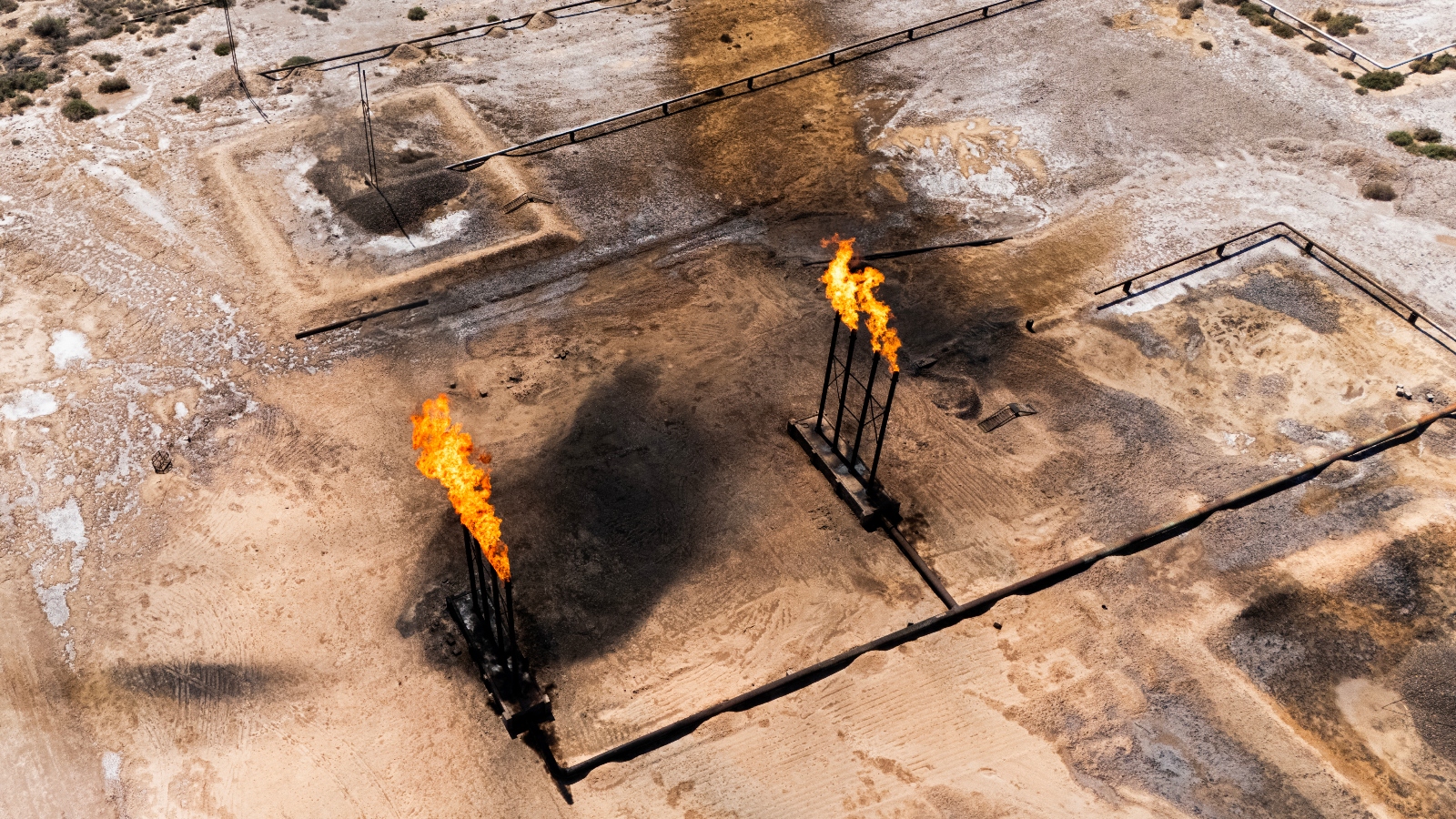
The primary victims of the current crisis are oil and natural gas, specifically liquefied natural gas (LNG). For years, LNG was marketed as a "bridge fuel" that would help nations transition from coal to renewables. The war has shattered the perception of LNG as a reliable partner.
Qatar, which supplies nearly one-fifth of the world’s LNG, has seen its export capacity neutralized by the blockade and infrastructure damage. While the United States has attempted to fill the gap, its liquefaction plants are already operating at maximum capacity. Building new facilities is a multi-year endeavor, leaving importers in Asia and Europe exposed. Anne-Sophie Corbeau, a researcher at Columbia University’s Center on Global Energy Policy, highlights the psychological shift: "If you are an LNG importer… you’re thinking, ‘Do I want to be exposed in that way?’"
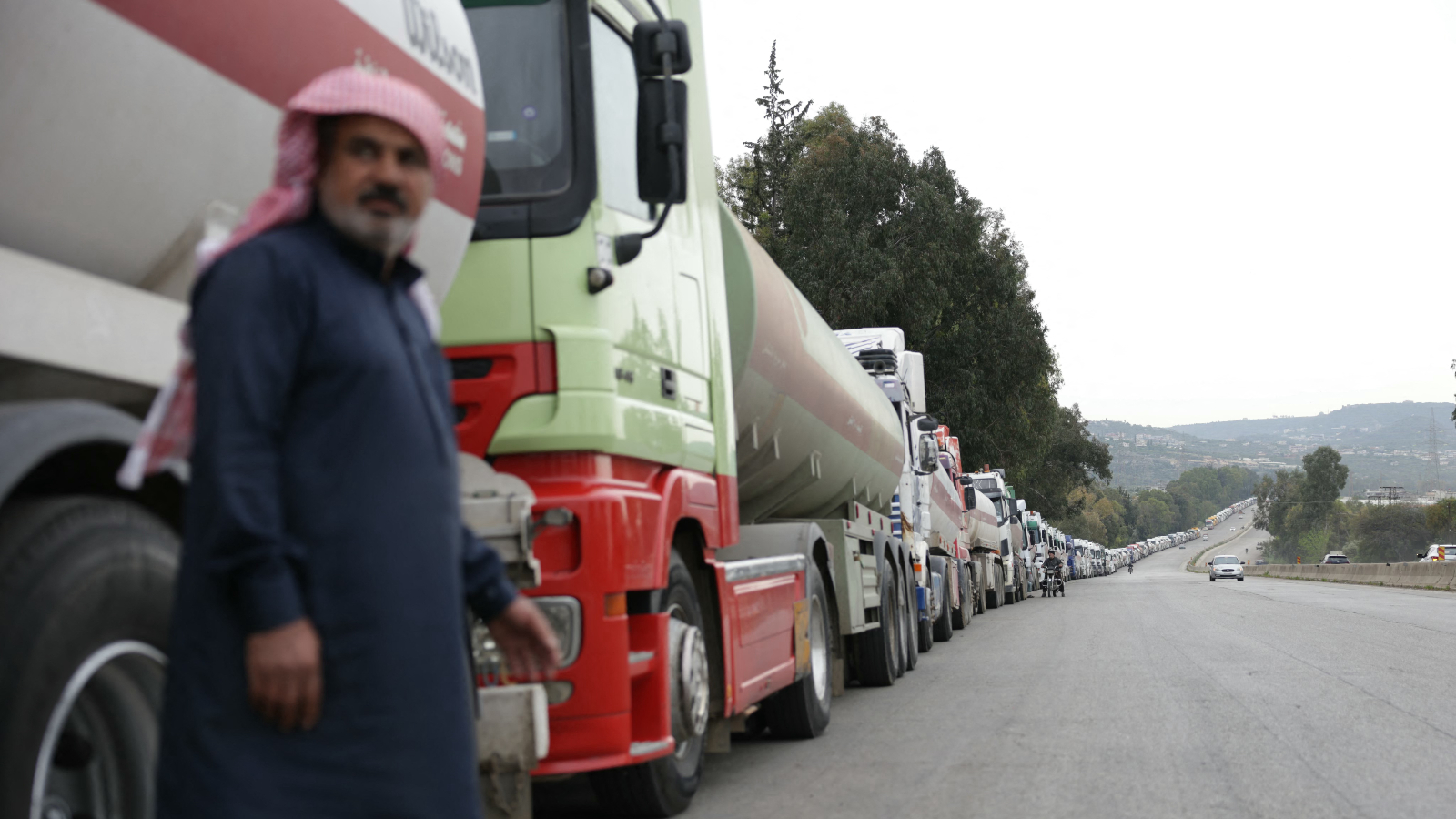
In the transportation sector, the crisis is causing systemic failures. Airlines in Europe, Africa, and New Zealand have been forced to cancel thousands of flights due to the unavailability or prohibitive cost of jet fuel. In the United States, smaller carriers like Spirit Airlines are facing potential liquidation. This has accelerated a pivot to electric vehicles (EVs). In March alone, EV sales rose by 50 percent in France and Germany, and an astonishing 200 percent in Brazil, as consumers sought to insulate themselves from the volatility of the gasoline market.
The Resurgence of Coal: A Short-Term Necessity
While the long-term outlook for fossil fuels is bleak, coal has seen a paradoxical resurgence. As natural gas supplies dwindle, countries with "legacy" coal plants—facilities that were scheduled for decommissioning but not yet dismantled—have reactivated them to keep the lights on.
South Korea has lifted emissions caps to allow its coal fleet to run at 100 percent capacity. Italy has announced it will extend the lifespan of its coal plants by at least a decade. Dinita Setyawati, an analyst for the energy think tank Ember, points out the dilemma: "The real question is how governments balance short-term energy security with long-term climate commitments." There is a growing concern that if the war persists, coal may regain its status as a "secure" fuel because it is more easily transported by rail and stored on-site compared to the complex maritime logistics of oil and gas.
The Solar Surge and the Renewable Revolution
Solar energy has emerged as the most immediate beneficiary of the energy crisis. Because solar components can be deployed rapidly compared to traditional power plants, demand has reached unprecedented levels.
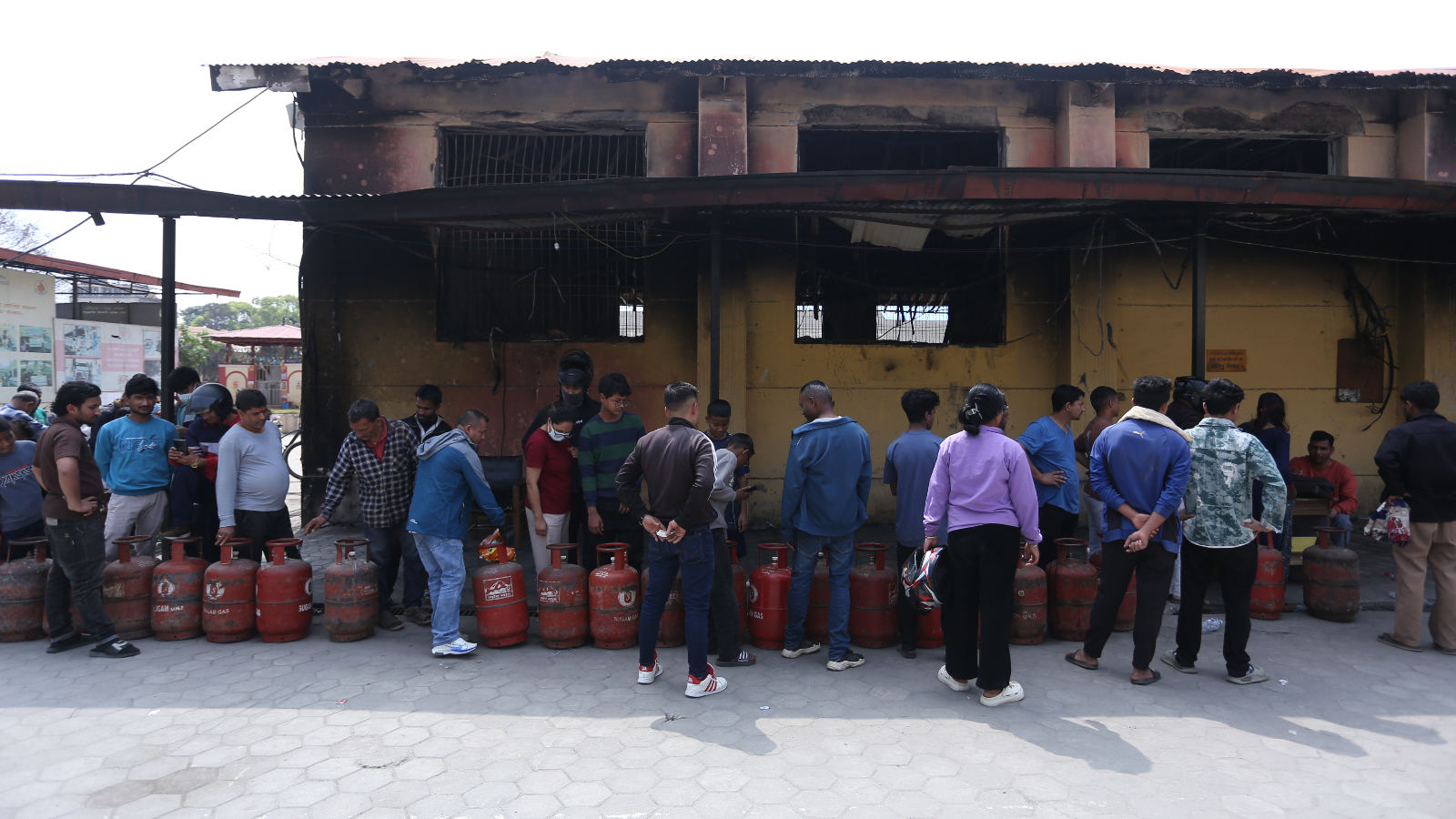
China, the world’s leading manufacturer of renewable technology, reported record-breaking exports in March 2026. Data from Ember indicates that solar component exports to India rose by 150 percent (6.6 gigawatts) in a single month. African nations, led by Nigeria, Kenya, and Ethiopia, saw a 176 percent increase in Chinese solar imports.
In Europe, the "rooftop revolution" has been revived. Wholesalers of energy equipment reported that net sales tripled in March as homeowners and businesses scrambled to install solar panels to offset soaring electricity bills. The European Commission is currently drafting proposals to further deregulate the solar industry and provide subsidies for rapid electrification.
The Nuclear Renaissance: A Strategic Pivot
Perhaps the most significant long-term shift is the rehabilitation of nuclear power. Once shunned due to safety concerns and high costs, nuclear energy is now being viewed through the lens of national security.
In Asia, the shift is most pronounced:
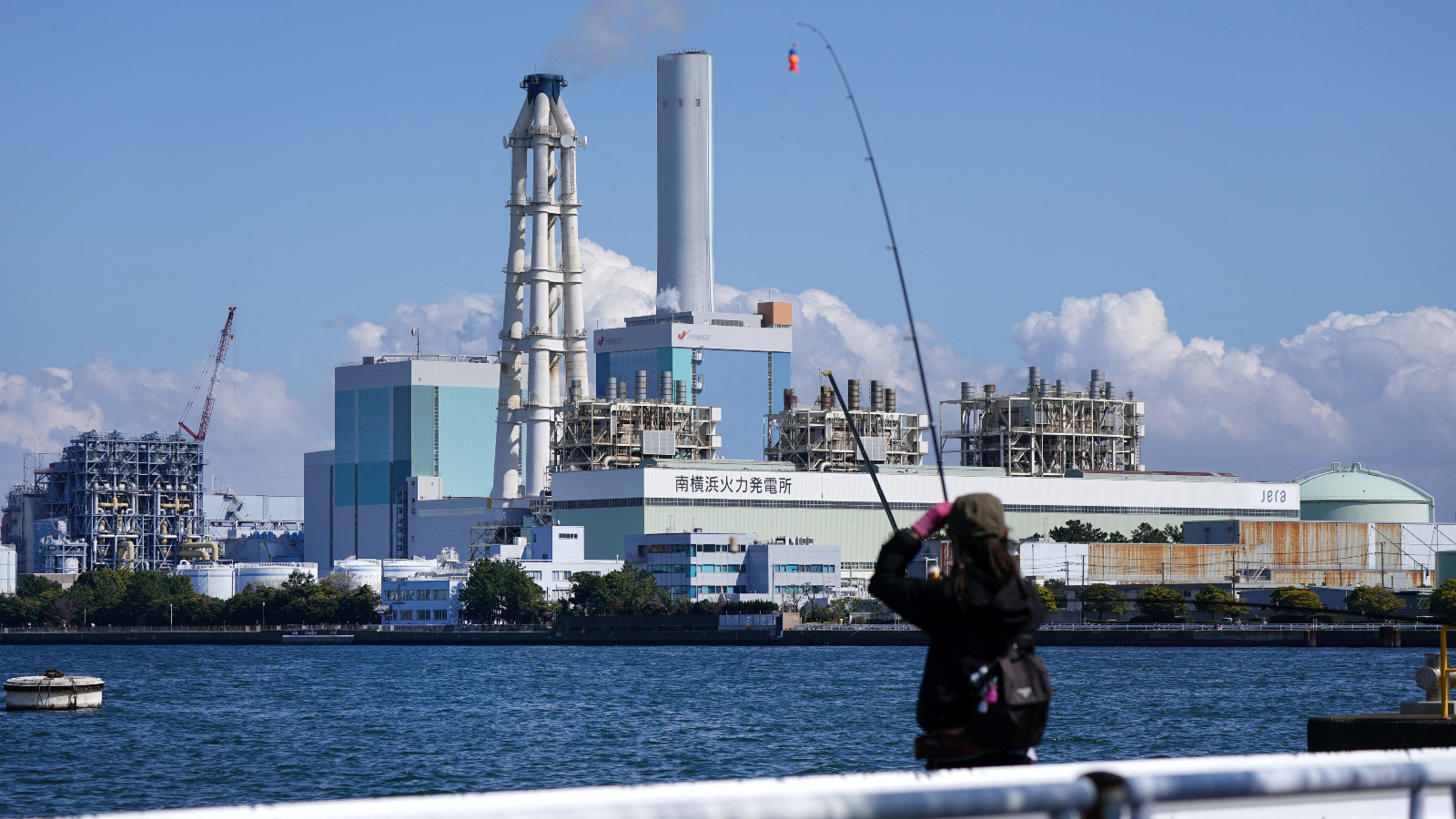
- Japan: During a March visit to the White House, Japanese officials inked a $40 billion deal to develop advanced small modular reactors (SMRs). Japan also recently restarted Kashiwazaki-Kariwa, the world’s largest nuclear facility.
- Taiwan: Facing a critical shortage of Qatari LNG, Taiwan has formally moved to restart its Maanshan nuclear plant.
- South Korea and Vietnam: These nations have signed a cooperative agreement to jointly develop new nuclear capacity, aiming for a carbon-free, "always-on" grid.
In Europe, the policy shift is equally dramatic. European Commission President Ursula von der Leyen recently characterized the abandonment of nuclear power as a "strategic mistake." Belgium has taken the extraordinary step of halting all decommissioning activities, with Prime Minister Bart De Wever negotiating to take over reactors that were slated for closure.
Broader Implications and Future Outlook
The war in Iran has proven that energy security and climate security are increasingly the same goal. The vulnerability of the Strait of Hormuz has demonstrated that reliance on geographically concentrated fossil fuel deposits is a liability that modern economies can no longer afford.
However, the transition is not without its own logistical hurdles. The blockade has also impacted the shipping of wind turbine components, many of which are manufactured in the Persian Gulf region. This has created a "wind lag," where demand is high but installation is delayed by the same conflict driving the need for clean energy.
As the world enters the third month of the conflict, the energy landscape is being permanently altered. The "Hormuz Shock" of 2026 may be remembered not just for the economic pain it caused, but as the moment the world’s energy system finally tilted away from the carbon-intensive legacy of the 19th century toward a diversified, electrified, and decentralized future. While the path ahead is obscured by the smoke of conflict, the trend is clear: the age of fossil fuel dominance is nearing its end, driven by the dual pressures of environmental necessity and the harsh realities of geopolitical warfare.