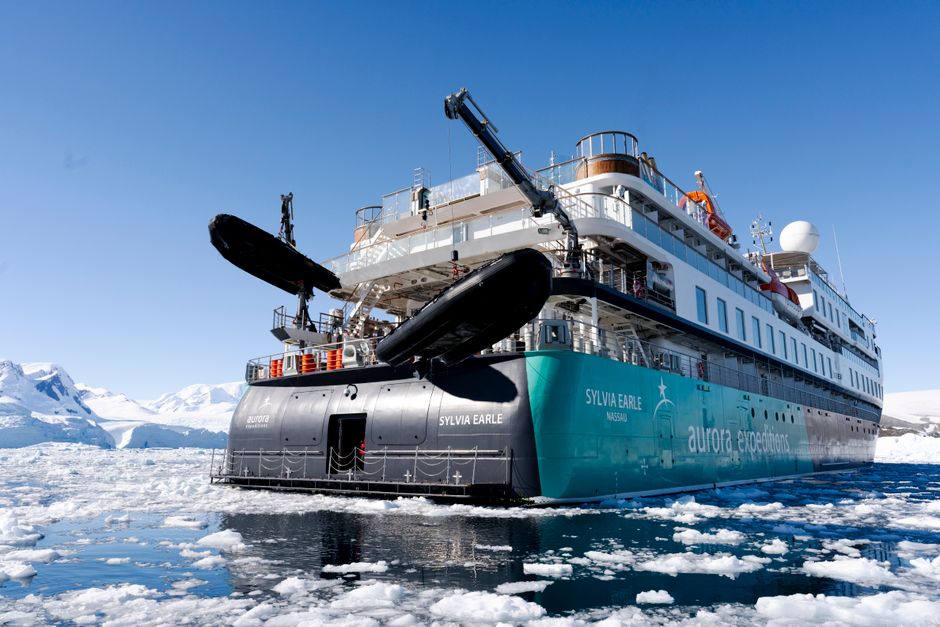
Sylvia Earle Ocean Interview: A Deep Dive into the Future of Our Blue Planet
Dr. Sylvia Earle, a name synonymous with ocean exploration and conservation, recently sat down for a candid interview, offering profound insights into the state of our oceans and the urgent actions required to protect them. A celebrated marine biologist, explorer, and author, Earle’s decades of experience beneath the waves have provided her with an unparalleled perspective on the interconnectedness of marine ecosystems and the critical role they play in global climate regulation and biodiversity. This interview, a beacon of knowledge for environmentalists, policymakers, and the general public alike, underscores the escalating challenges facing the ocean, from pollution and overfishing to the pervasive impacts of climate change.
Earle began by painting a stark picture of the ocean’s current condition. She emphasized that while the ocean covers over 70% of our planet, it is often treated as an afterthought, a vast, seemingly inexhaustible resource that can absorb our waste and sustain our insatiable demand for seafood. This anthropocentric view, she argues, is fundamentally flawed and is leading us down a dangerous path. Her observations are not theoretical; they are grounded in extensive fieldwork, including numerous submersible dives that have allowed her to witness firsthand the degradation of once-pristine coral reefs, the proliferation of plastic debris in even the most remote oceanic regions, and the alarming decline in populations of iconic marine species. She described the feeling of witnessing a vibrant coral reef, teeming with life, transform into a bleached and barren landscape due to rising ocean temperatures – a visual testament to the devastating consequences of global warming. Similarly, her accounts of encountering vast garbage patches, swirling masses of plastic that choke marine life and break down into insidious microplastics, are a chilling reminder of our collective consumption habits.
A significant portion of the interview focused on the interconnectedness of the ocean and human well-being. Earle reiterated her long-held belief that "no water, no life." She elaborated on the ocean’s crucial role as a carbon sink, absorbing a significant portion of the carbon dioxide released into the atmosphere. Without this natural buffering capacity, the effects of climate change on land would be far more severe, with amplified heatwaves, extreme weather events, and disruptions to agricultural systems. Furthermore, she highlighted the ocean’s vital contribution to oxygen production, with phytoplankton generating an estimated 50% of the oxygen we breathe. The health of these microscopic organisms, she stressed, is directly linked to the health of the entire planet. Beyond these global functions, Earle also spoke to the immediate economic and social importance of the ocean, supporting livelihoods through fishing, tourism, and shipping. The degradation of these resources directly impacts coastal communities and global economies, creating a ripple effect that extends far beyond the marine environment.
The issue of overfishing was a recurring theme, with Earle issuing a stern warning about the unsustainable practices that are depleting fish stocks at an alarming rate. She described how industrial-scale fishing operations, employing destructive methods like bottom trawling, decimate entire ecosystems, destroying habitats and catching non-target species as bycatch. This indiscriminate approach, she argued, is not only economically shortsighted but also ecologically catastrophic. Earle advocates for a paradigm shift towards sustainable fisheries management, emphasizing the need for science-based quotas, the establishment of marine protected areas (MPAs), and the promotion of aquaculture practices that minimize environmental impact. She pointed to successful examples of MPA implementation where marine life has begun to rebound, demonstrating the ocean’s remarkable capacity for recovery when given the chance. Her vision for the future involves a global network of interconnected MPAs, forming "hope spots" that serve as refuges for marine life and allow populations to replenish and spill over into surrounding areas.
Plastic pollution emerged as another critical area of concern. Earle’s vivid descriptions of marine animals entangled in plastic nets or ingesting plastic debris, mistaking it for food, underscored the urgent need for a drastic reduction in single-use plastics. She called for a circular economy approach, where materials are reused and recycled, and for innovation in developing biodegradable alternatives. The interview touched upon the inadequacy of current recycling efforts and the sheer volume of plastic that continues to enter our oceans annually. Earle expressed frustration with the slow pace of global action on this front, emphasizing that individual choices, while important, are insufficient to address the systemic problem of plastic production and waste management. She advocated for stronger government regulations, corporate responsibility, and a fundamental re-evaluation of our societal dependence on disposable plastic products.
Climate change, and its multifaceted impacts on the ocean, was a central focus. Earle detailed how rising ocean temperatures contribute to coral bleaching, disrupt marine food webs, and fuel more intense storms. She also discussed ocean acidification, a less visible but equally dangerous consequence of increased CO2 absorption. As the ocean absorbs more CO2, its pH decreases, making it more difficult for shell-forming organisms like corals, oysters, and plankton to survive. This has cascading effects throughout the food web, impacting everything from small invertebrates to large predatory fish. Earle stressed that addressing climate change is inextricably linked to ocean health, and that transitioning to renewable energy sources and reducing greenhouse gas emissions are paramount for the survival of marine ecosystems. She challenged the notion that environmental protection and economic development are mutually exclusive, arguing that investing in a healthy ocean is an investment in a sustainable future for all.
Earle also spoke passionately about the importance of scientific research and exploration. She emphasized that our understanding of the ocean is still remarkably limited, with vast areas remaining unexplored. Increased investment in oceanographic research, she believes, is crucial for developing effective conservation strategies, identifying new resources, and understanding the complex interactions within marine environments. Her own career has been dedicated to pushing the boundaries of ocean exploration, and she continues to advocate for greater access to deep-sea technologies that can unlock the mysteries of the ocean floor. She highlighted the potential for scientific discovery in areas like deep-sea hydrothermal vents, which harbor unique life forms adapted to extreme conditions, and the vast, unexplored trenches that could hold secrets to the origins of life.
The interview also delved into the role of public awareness and education. Earle reiterated her belief that an informed public is the most powerful force for change. She urged individuals to become ocean advocates, to educate themselves and others about the challenges facing the marine environment, and to demand action from their elected officials and the corporations they patronize. Her own prolific writing and public speaking engagements have played a significant role in raising global awareness, and she continues to inspire new generations of ocean stewards through her work with organizations like Mission Blue. She emphasized the importance of fostering a sense of wonder and connection to the ocean from a young age, believing that personal experiences, whether through swimming, snorkeling, or simply observing the tides, can cultivate a deep-seated desire to protect it.
When asked about potential solutions, Earle remained cautiously optimistic, emphasizing that while the challenges are immense, they are not insurmountable. Her key recommendations included:
- Establishing a Global Network of Marine Protected Areas (MPAs): She reiterated her vision of creating extensive, interconnected MPAs to safeguard biodiversity and allow marine life to recover. She believes that by protecting at least 30% of the ocean by 2030, we can begin to reverse the tide of degradation.
- Implementing Sustainable Fisheries Management: This involves science-based quotas, eliminating destructive fishing practices, and supporting responsible aquaculture.
- Dramatically Reducing Plastic Pollution: This requires a multifaceted approach, including reducing single-use plastics, improving waste management, and developing innovative solutions for plastic cleanup and recycling.
- Aggressively Addressing Climate Change: This necessitates a global transition to renewable energy sources and a significant reduction in greenhouse gas emissions.
- Investing in Ocean Science and Exploration: Continued research is vital for understanding and protecting the ocean effectively.
- Empowering Citizen Science and Advocacy: Encouraging public participation in data collection and advocating for policy changes.
Earle concluded the interview with a powerful message of hope and urgency. She stressed that the choices we make today will determine the future of the ocean and, by extension, the future of humanity. She urged everyone to recognize their intrinsic connection to the ocean and to embrace their responsibility as its guardians. The interview with Dr. Sylvia Earle serves as a critical call to action, providing essential insights into the complex challenges facing our oceans and offering a roadmap for a more sustainable and hopeful future. Her unwavering dedication and profound knowledge offer a guiding light in our collective efforts to protect this vital blue heart of our planet.
