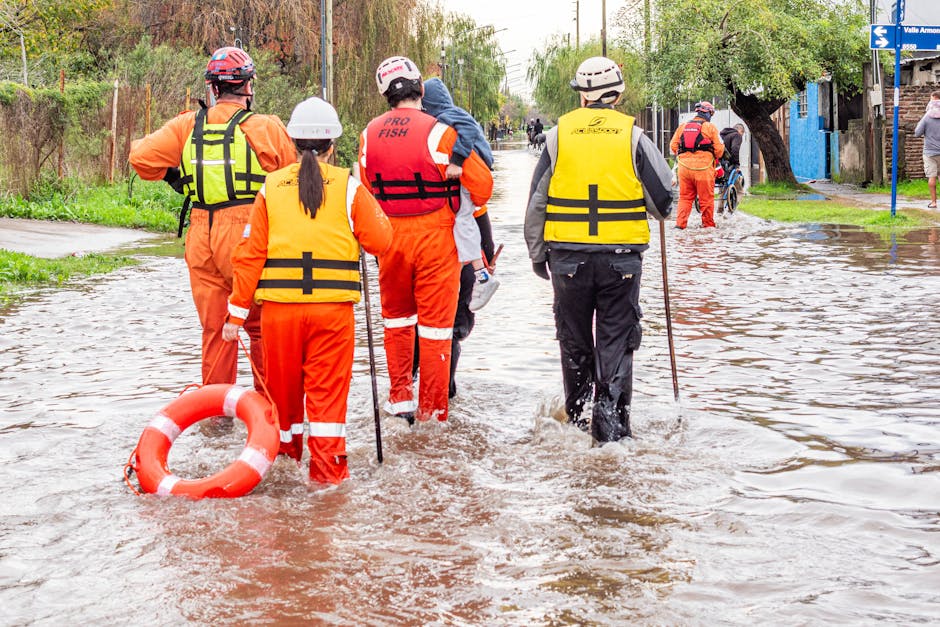
Sports Disaster Relief: Building Resilience in the Wake of Catastrophe
The intersection of sports and disaster relief is a critical, albeit often overlooked, area. Natural disasters, man-made catastrophes, and widespread emergencies can devastate communities, disrupt lives, and leave infrastructure in ruins. In these critical moments, the sports sector, encompassing athletes, organizations, fans, and the very infrastructure of sporting venues, can play a multifaceted and profoundly impactful role. Understanding the mechanisms, challenges, and opportunities within sports disaster relief is paramount for building community resilience, providing essential support, and accelerating recovery efforts. This article will delve into the various facets of this vital domain, exploring how the power of sport can be harnessed for humanitarian good when communities face their darkest hours.
The immediate aftermath of a disaster presents a unique set of challenges where swift and effective action is crucial. In this context, sports venues, often equipped with robust structures and ample space, can be repurposed as vital hubs for relief operations. Gymnasiums, stadiums, and community sports centers can transform into temporary shelters for displaced individuals, offering a sense of safety and community in chaotic times. These spaces can house emergency supplies, serve as distribution points for food and water, and accommodate medical personnel and temporary clinics. The familiar environment of a sports facility can also offer a degree of psychological comfort to those experiencing trauma, a small beacon of normalcy amidst widespread disruption. Furthermore, the infrastructure associated with sports, such as broadcasting capabilities and communication networks, can be leveraged for disseminating critical information, coordinating rescue efforts, and raising public awareness about ongoing needs. The inherent organizational structures within sports leagues and federations also provide a framework for mobilizing resources and volunteers efficiently.
Beyond the physical infrastructure, the human capital within the sports world represents a powerful force for disaster relief. Athletes, with their public profiles and extensive networks, can serve as influential ambassadors for fundraising campaigns and awareness initiatives. Their personal experiences, if they have been affected by a disaster, can resonate deeply with the public, motivating greater support. Professional sports teams and leagues often have established charitable foundations or corporate social responsibility programs that can channel financial aid and in-kind donations to affected areas. Individual athletes can also contribute significantly through personal donations, volunteer work, and by using their platforms to advocate for policy changes that enhance disaster preparedness and response. The competitive spirit and teamwork inherent in sports can be channeled into collaborative relief efforts, fostering a sense of shared purpose among participants and volunteers. This collaborative ethos is vital in overcoming the immense logistical hurdles and emotional tolls associated with disaster response.
The economic impact of sports on a community also presents opportunities for recovery. In regions heavily reliant on sports-related tourism or events, the rebuilding of stadiums, training facilities, and associated businesses becomes an integral part of economic revitalization. The creation of temporary sporting events in unaffected areas can generate much-needed revenue and stimulate local economies, indirectly supporting relief efforts through increased tax bases and employment opportunities. Moreover, the insurance and risk management sectors within the sports industry play a crucial role in mitigating financial losses following disasters, facilitating quicker reconstruction and recovery. The long-term economic viability of a region often hinges on the swift restoration of its key industries, and in many cases, sports is a significant contributor to that ecosystem.
The psychological and social impact of disasters on individuals and communities cannot be understated. Sports, by its very nature, fosters a sense of community, belonging, and shared identity. In the aftermath of a disaster, utilizing sports programming and activities can be a powerful tool for healing and rebuilding social cohesion. Organized sports can provide a much-needed outlet for stress relief, physical activity, and the re-establishment of routine for children and adults alike. The camaraderie and teamwork fostered through sports can help individuals reconnect with one another, combat feelings of isolation, and rebuild trust within a community. Creating opportunities for recreational sports, even in temporary settings, can offer a sense of normalcy and hope, reminding people of the joys and connections that still exist. This is particularly important for youth, whose development and well-being can be significantly impacted by traumatic events.
However, the effective implementation of sports disaster relief is not without its challenges. Logistical complexities, such as transportation of supplies and personnel, coordination between various agencies, and ensuring equitable distribution of aid, are significant hurdles. The financial resources required for large-scale relief efforts can be substantial, necessitating robust fundraising and resource mobilization strategies. Ensuring the safety and security of disaster zones for relief workers and volunteers is also a paramount concern. Furthermore, ethical considerations, such as preventing exploitation of vulnerable populations and ensuring transparency in resource allocation, must be carefully managed. The politicization of aid and the potential for corruption can further complicate relief efforts, requiring strong governance and accountability mechanisms. Reaching remote or underserved populations often presents a unique set of challenges that requires tailored strategies and dedicated resources.
The role of technology in modern disaster relief is increasingly significant, and the sports sector can leverage this to its advantage. Mobile applications can be used for real-time communication, volunteer coordination, and needs assessment. Drones can provide aerial imagery for damage assessment and aid delivery to inaccessible areas. Social media platforms can be powerful tools for fundraising, awareness campaigns, and connecting affected individuals with resources. Data analytics can help optimize resource allocation and identify areas of greatest need. The sports media landscape, with its vast reach, can be instrumental in disseminating information and mobilizing public support. This technological integration can significantly enhance the efficiency and effectiveness of relief operations, ensuring that aid reaches those who need it most in a timely manner.
Building long-term resilience is as important as responding to immediate needs. This involves investing in disaster preparedness plans that specifically incorporate the sports sector. This includes developing protocols for the evacuation and utilization of sports venues during emergencies, training sports personnel in first aid and disaster response, and establishing partnerships with emergency management agencies. Community-based sports initiatives can also play a role in promoting disaster awareness and education, empowering individuals with knowledge and skills to cope with potential threats. Investing in resilient infrastructure for sports facilities, such as those designed to withstand earthquakes or extreme weather events, is also a crucial aspect of long-term preparedness. Furthermore, fostering a culture of preparedness within sports organizations and among fans can create a more resilient society as a whole.
The global nature of sports means that international collaboration can be a powerful asset in disaster relief. Sports federations and organizations can facilitate the sharing of best practices, expertise, and resources across borders. International sporting events can be utilized to raise global awareness and funds for disaster relief efforts. The solidarity and shared passion for sport can transcend national boundaries, fostering a sense of global community in times of crisis. This international cooperation can be particularly beneficial in responding to large-scale, transboundary disasters.
In conclusion, sports disaster relief is a dynamic and essential field that leverages the unique strengths of the sports world to address humanitarian crises. From providing immediate shelter and essential supplies through the repurposing of venues to mobilizing athletes as influential advocates and fostering community healing through sport, the contributions are diverse and profound. While challenges in logistics, funding, and coordination persist, the growing integration of technology, the emphasis on long-term preparedness, and the potential for international collaboration offer promising avenues for enhancing the effectiveness of sports disaster relief efforts. By recognizing and actively nurturing the role of sport in disaster response and recovery, communities can build greater resilience and navigate the aftermath of catastrophe with increased strength and hope. The ultimate goal is to ensure that in the face of adversity, the spirit of sport – its ability to unite, inspire, and empower – can be a powerful force for good.