The release of the Netflix docuseries This Is a Gardening Show marks a significant departure for comedian Zach Galifianakis, pivoting from the biting, acerbic wit of Between Two Ferns toward an earnest exploration of agrarian life. Released on Earth Day, the six-episode series investigates the intersection of personal fulfillment and global food security, positioning gardening not merely as a hobby but as a necessary survival strategy for a species facing an increasingly volatile climate. Through a blend of humor and horticultural education, the program examines the triumphs and tribulations of small-scale farming, contrasting these efforts with the precarious state of modern industrial agriculture.
The Premise and Production of This Is a Gardening Show
Produced during a period of heightened awareness regarding global supply chain vulnerabilities, This Is a Gardening Show follows Galifianakis as he visits diverse agricultural operations, ranging from urban rooftop plots to specialized ecological farms. The series structure is designed to demystify the process of food production while maintaining a lighthearted tone through segments featuring school children and comedic interludes. However, the core of the show remains its focus on the "masterful producers" who cultivate sustenance in challenging environments.
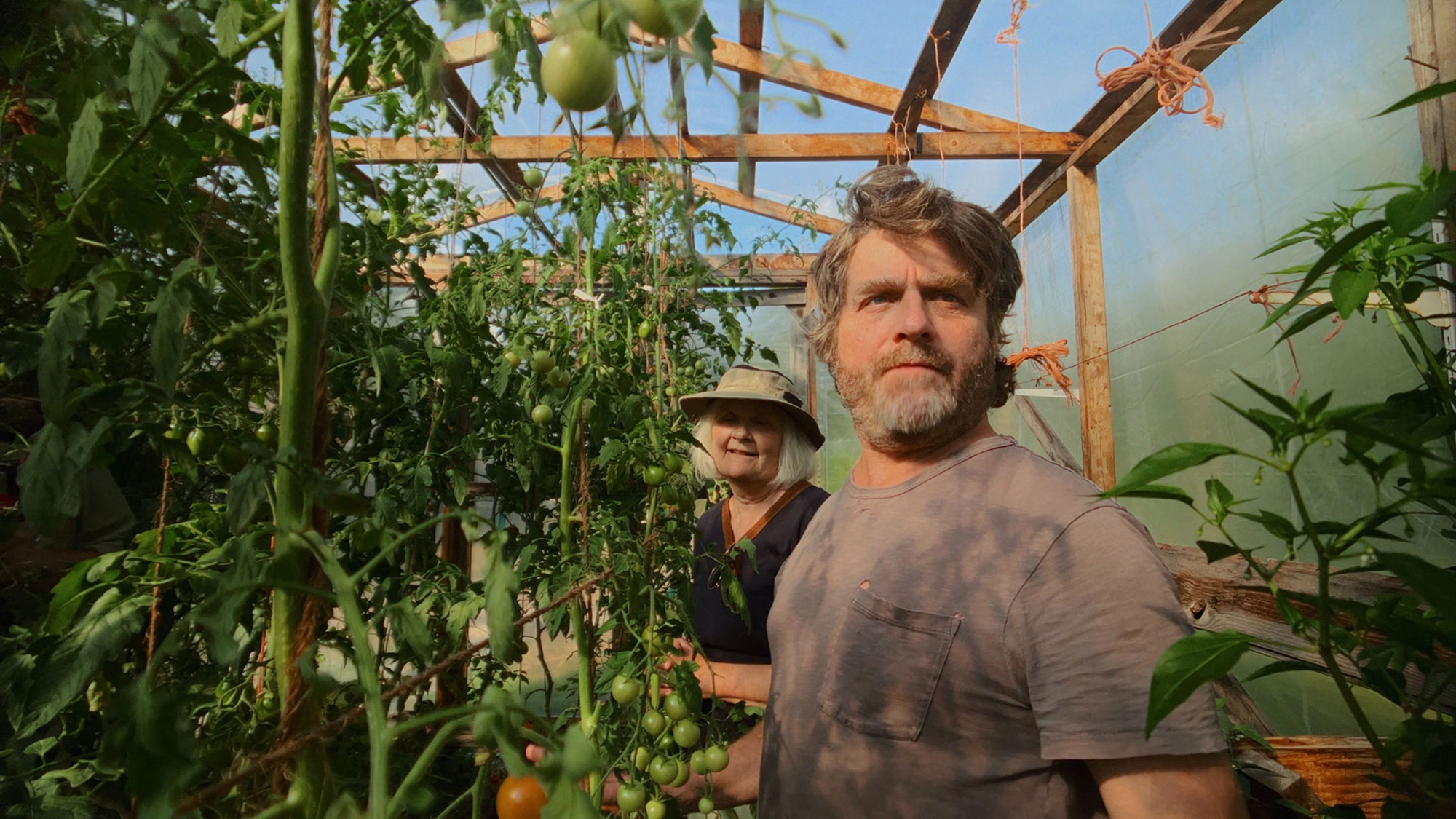
Galifianakis, himself an avid gardener, serves as both host and student. His transition from a satirist who "eviscerates celebrities" to a bucolic enthusiast reflects a broader cultural shift toward self-sufficiency. In one notable episode centered on composting, Galifianakis asserts that the "only future" for humanity is an agrarian one, suggesting that fundamental knowledge of soil health and plant biology is superior to modern recreational pursuits like jetskiing. This sentiment is echoed throughout the series as he explores the technicalities of grafting fruit trees, the nuances of pollination, and the chemistry of organic waste decomposition.
A Shift in the Comedic Paradigm: From Satire to Sincerity
For audiences accustomed to the uncomfortable silence and staged hostility of Between Two Ferns, the tone of This Is a Gardening Show may come as a surprise. The series swaps the studio for the open field, replacing cynical barbs with genuine awe for the complexities of nature. Galifianakis adopts a persona that is still humorous but fundamentally respectful of the farmers he interviews.
Critics and viewers have noted that the humor in the series is "sweeter" and more observational. By asking children about the origins of their food, Galifianakis highlights a societal disconnect from the land, using comedy to bridge the gap between urban consumers and the biological realities of the dinner table. This transition is framed as a response to the "human condition," with Galifianakis jokingly—yet poignantly—suggesting that gardening is a remedy for civilizational malaise.
The Geopolitics of Food: Industrial Agriculture Under Pressure
While the series maintains a charming exterior, it is set against a backdrop of global instability. The narrative acknowledges a world where industrial agriculture is struggling under the weight of rising fuel and fertilizer costs. Recent geopolitical tensions, including the closure of the Strait of Hormuz, have exacerbated these issues, leading to skyrocketing food prices and heightened concerns over global hunger.
Industrial farming, characterized by vast monocrops such as wheat and soy, is increasingly viewed as vulnerable to both political and environmental shocks. This Is a Gardening Show presents small-scale, diverse gardens as a resilient alternative. Unlike industrial farms that rely on heavy machinery and chemical inputs, the gardens featured in the series emphasize biodiversity and adaptive techniques. This approach is not presented as a total replacement for large-scale farming but as a critical component of a multi-tiered food security strategy.
Climate Resilience and the Future of the Tomato
One of the most scientifically compelling segments of the series features Royann Petrell and Sylvain Alie, the founders of Steller Raven Ecological Farm. The pair has spent years developing a tomato variety specifically designed to thrive in extreme heat. Referred to as the "future of tomatoes," this variety is capable of withstanding temperatures up to 140 degrees Fahrenheit in a greenhouse environment.
This development is particularly relevant as global temperatures continue to rise, threatening traditional crop yields. According to the farmers, the flavor profile of these heat-resistant tomatoes actually improves as the temperature increases, a stark contrast to the "perfectly formed, perfectly tasteless" supermarket tomatoes produced by industrial methods. This focus on "future-proofing" crops highlights the show’s underlying message: that human ingenuity, applied at the local level, is essential for surviving the climate crisis.
Urban Agriculture and the Utilization of Space
The series also explores the untapped potential of urban environments. As cities become more densely populated, the integration of food production into the built environment has moved from a niche interest to a urban planning priority. This Is a Gardening Show showcases how rooftop gardens and urban plots can contribute to local food security while simultaneously improving city livability.
Research cited within the broader agricultural community suggests that rooftop gardens, particularly when paired with solar panels, offer a dual benefit. The panels provide shade for the crops, reducing water evaporation and heat stress, while the transpiration from the plants cools the solar panels, increasing their efficiency. This synergy between nutrition and clean energy production represents a practical application of the agrarian future Galifianakis promotes.
The Psychological Impact: Gardening as a Mental Health Tool
Beyond the physical yields of a garden, the series delves into the psychological benefits of working the land. Galifianakis observes that the gardeners he meets appear "happier and funnier" than the general population. This observation is supported by a growing body of research into "green time" and the therapeutic effects of soil contact.
The act of gardening requires a unique combination of patience, problem-solving, and physical labor. It forces individuals to confront the cycle of life and death, fostering a sense of humility. Galifianakis describes the garden as a "lifesaver," a sentiment that resonates with many who turned to outdoor hobbies during the global pandemic and subsequent periods of social isolation. The "rhythm" of the seasons and the tactile experience of searching for earthworms in compost are presented as grounding forces in an increasingly digital and disconnected world.
The Reality of the "Garden War": Pests and Persistence
Despite the idyllic imagery of sun-drenched fields, This Is a Gardening Show does not shy away from the frustrations inherent in cultivation. Gardening is described as a practice that "abhors arrogance," as pests, weeds, and unpredictable weather constantly humble the grower.
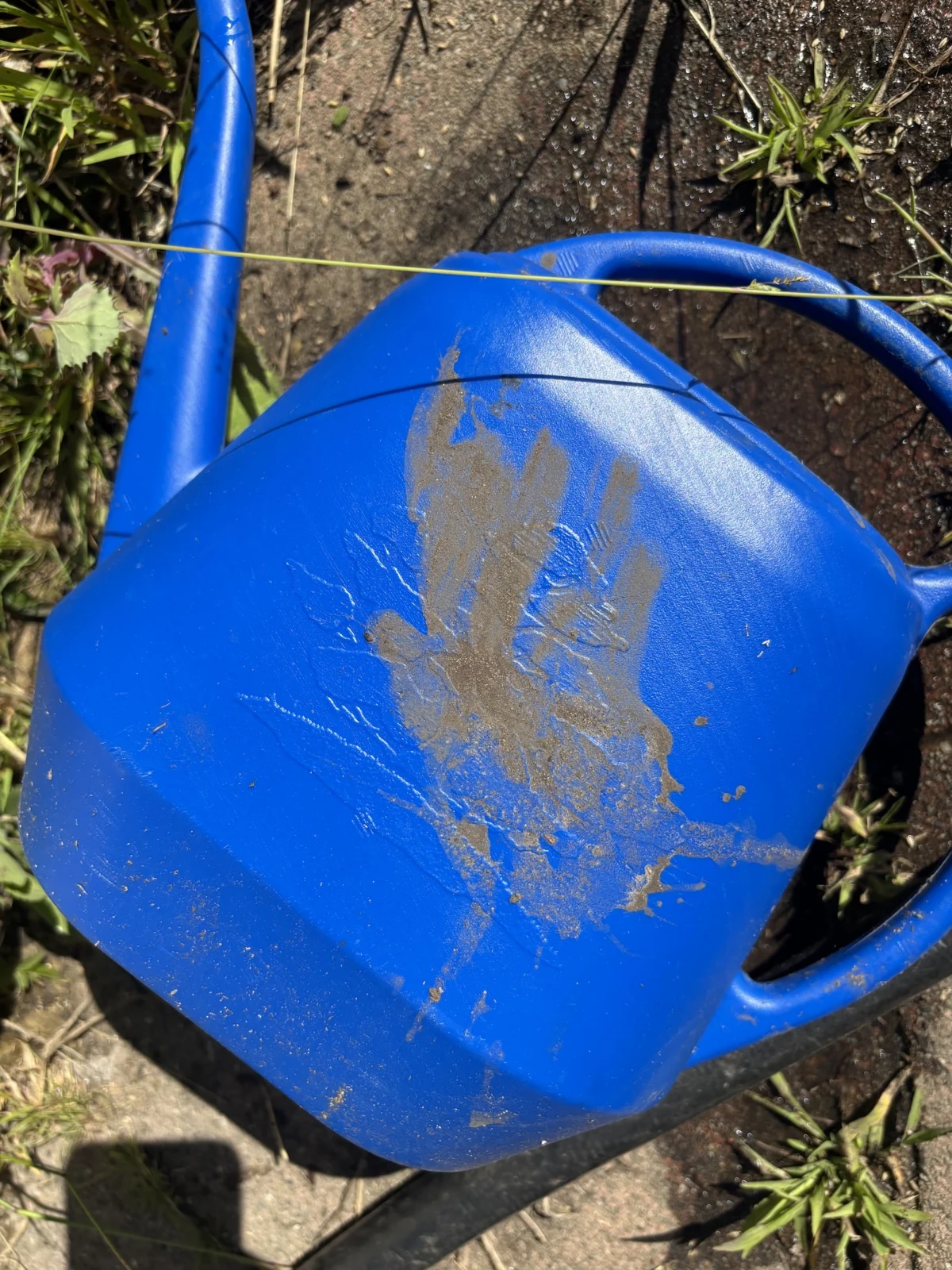
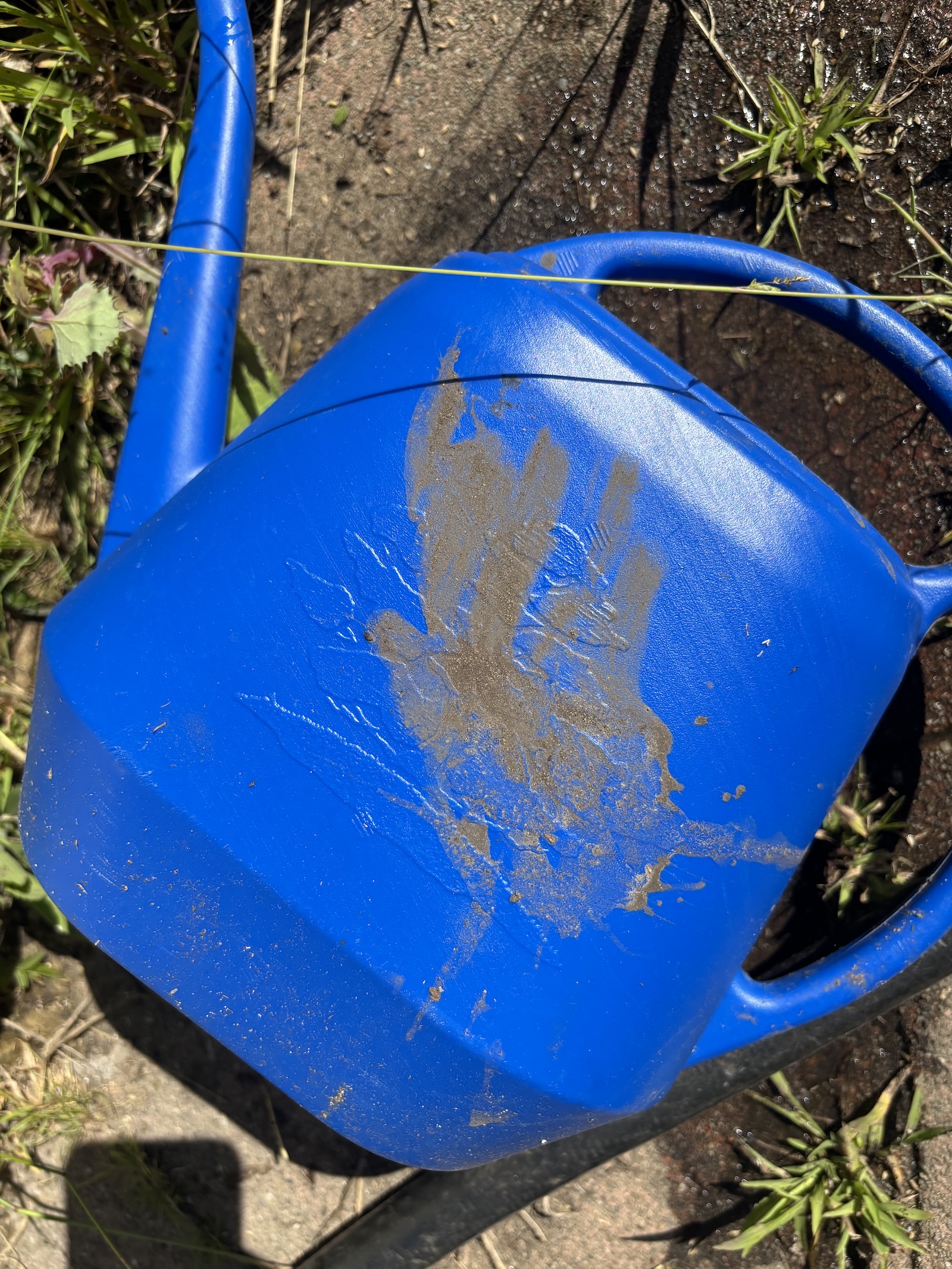
A significant portion of the home-gardening experience involves managing "nocturnal bandits" like raccoons and opossums. These animals, particularly in urban settings like San Francisco, pose a constant threat to seedlings and ripening produce. The series touches on the irony of these interactions; for instance, recent studies have indicated that raccoons are highly intelligent and often solve puzzles—such as garden cages and latches—simply for the cognitive challenge. This "war" with nature is framed not as a deterrent, but as part of the trial-and-error process that makes gardening a rewarding, if occasionally maddening, pursuit.
Chronology of the Agrarian Shift
The timeline of Galifianakis’ project coincides with a broader cultural and economic reconsideration of agriculture:
- Pre-2024: Zach Galifianakis is primarily known for his surrealist comedy and high-profile film roles.
- 2024-2025: Global food prices see a sharp increase due to fertilizer shortages and energy costs. Interest in home gardening and urban farming spikes.
- Early 2026: Netflix announces a partnership with Galifianakis for a nature-centric docuseries.
- April 2026: This Is a Gardening Show premieres on Earth Day, receiving praise for its educational content and earnest tone.
Implications for the Future of Food and Entertainment
The success of This Is a Gardening Show suggests a growing appetite for "edutainment" that addresses serious global issues through a personal, accessible lens. By leveraging his celebrity status, Galifianakis brings attention to critical topics like soil health and climate adaptation that might otherwise struggle to find a mainstream audience.
In the final analysis, the series posits that while a single garden cannot feed the world, the collective knowledge and effort of a "gaze" of gardeners can significantly bolster community resilience. The show concludes on a philosophical note, offering gardening as a remedy for the human condition—a way to reconnect with the Earth, find joy in manual labor, and prepare for a future that may require us all to be a little more agrarian. Whether dealing with the intricacies of fruit tree grafting or the persistent curiosity of a neighborhood raccoon, the message is clear: the garden is a place of perpetual learning, and its lessons are more relevant now than ever.