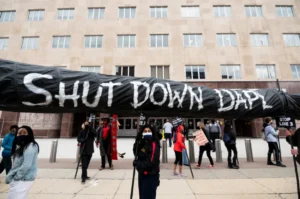
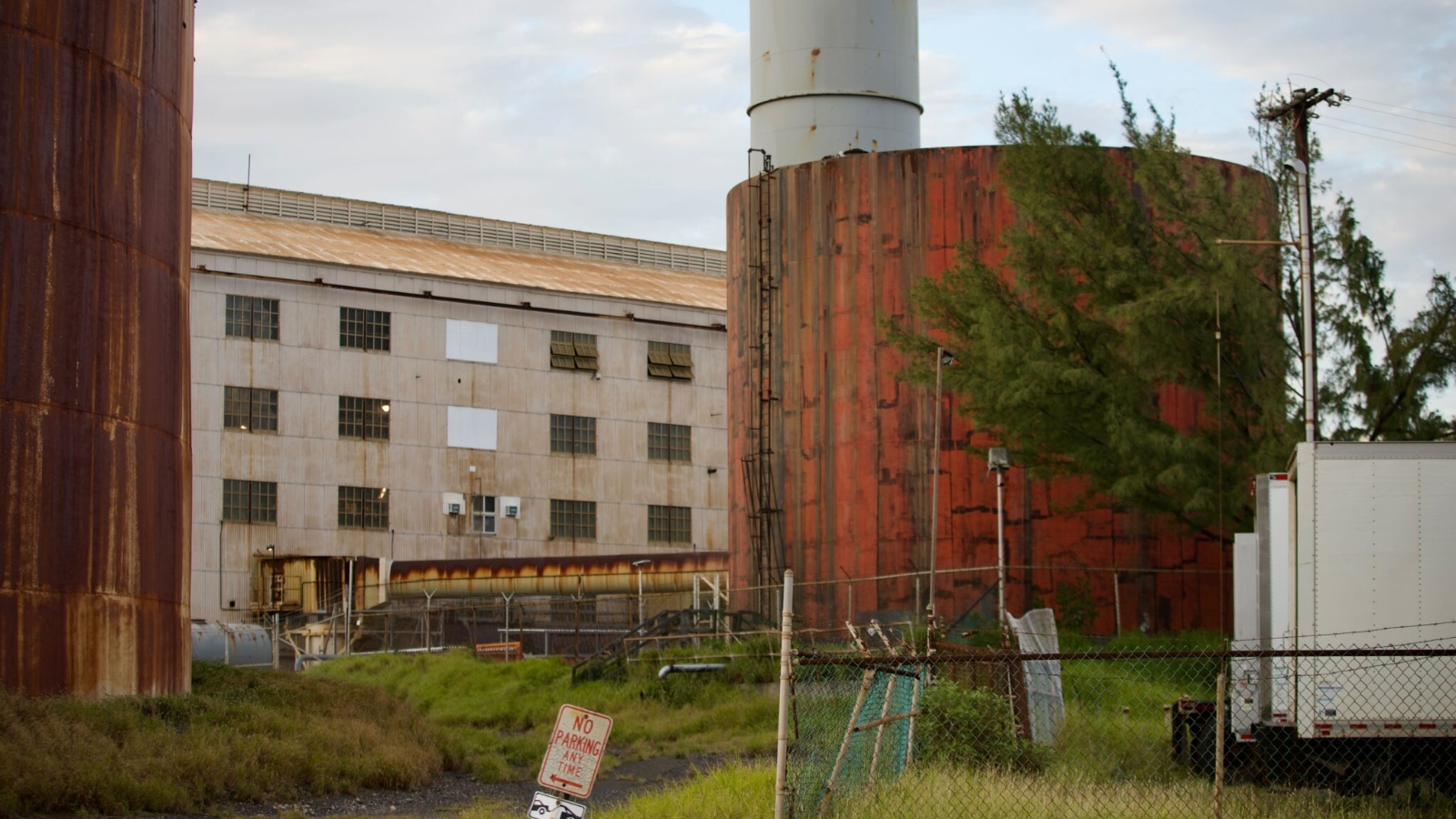
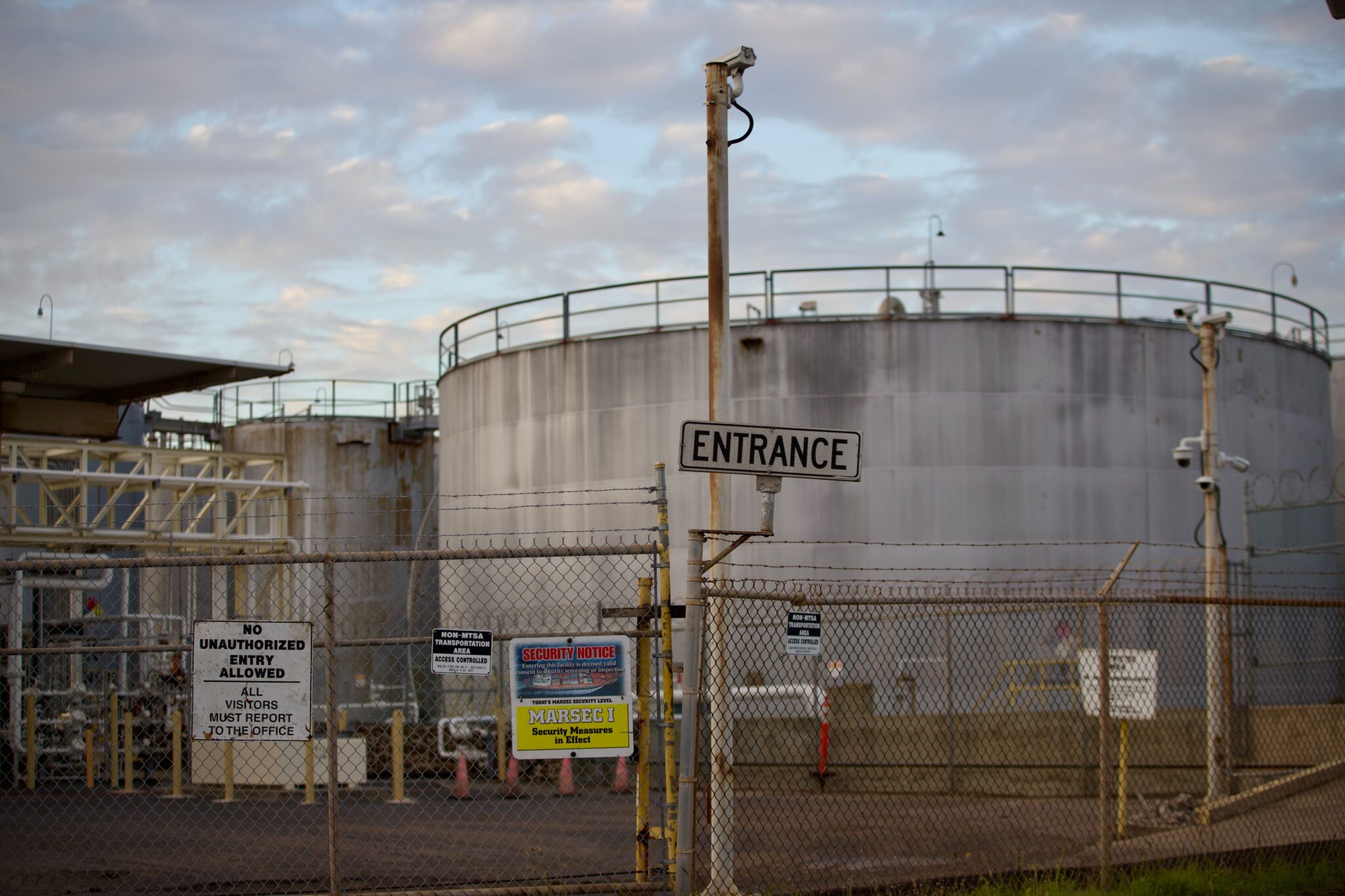
The core of the dispute involves the planned decommissioning of several "dinosaur" power units operated by Hawaiian Electric Co. (HECO). Under the state’s original proposal, at least two major oil-fired generating units at the Kanoelehua-Hill and Kahului power plants were slated for retirement by 2028. These facilities are among the oldest in the nation’s power fleet; the Kahului unit, for instance, was commissioned in 1948, making it a relic of a pre-modern energy era. However, the EPA’s recent ruling has effectively removed these retirement deadlines from the state’s long-term strategy, citing concerns that the forced closures could jeopardize the stability of Hawaii’s isolated island grids and potentially violate constitutional protections against the "taking" of private property.
The Legal and Constitutional Framework of the Decision
The EPA’s rationale for the partial denial rests on a complex intersection of environmental law and constitutional rights. The agency categorized the state-mandated plant closures as "unconsented," arguing that forcing a private utility to shutter its assets without a negotiated agreement or just compensation could trigger the Takings Clause of the U.S. Constitution. This clause, found in the Fifth Amendment, prohibits the government from taking private property for public use without providing "just compensation."
In its 67-page legal justification, the EPA asserted that the 2024 SIP amounted to a "total regulatory taking." This legal theory suggests that when government regulations become so restrictive that they deny a property owner all economically beneficial use of their property, the government must compensate the owner as if it had seized the land through eminent domain. By stripping HECO of its ability to operate these plants by a fixed date, the EPA argues the state overstepped its regulatory bounds.
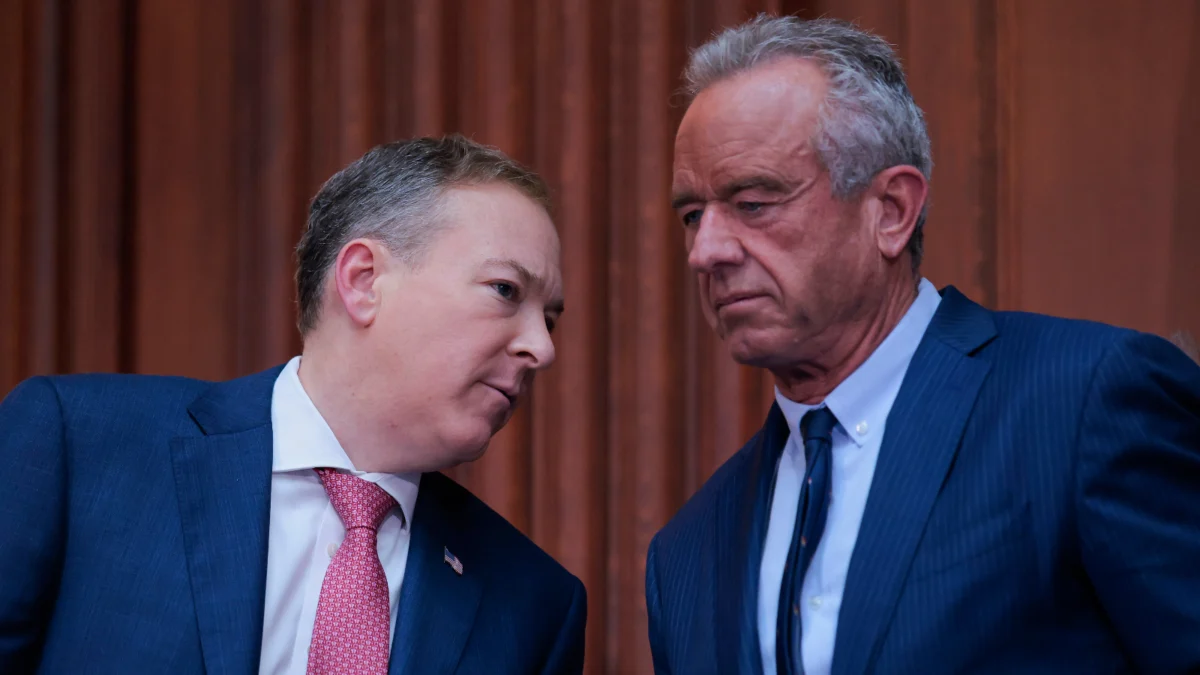
This move is reflective of a broader policy shift under EPA Administrator Lee Zeldin. Tasked with executing executive orders aimed at "energy dominance," the Zeldin-led EPA is increasingly skeptical of state-level plans that aggressively phase out fossil fuel infrastructure. The Hawaii decision mirrors a similar rejection of a haze plan in Colorado, where the agency also blocked the forced closure of a coal plant. Environmental advocates view these actions as a coordinated effort to dismantle the regulatory teeth of the Clean Air Act, specifically regarding the National Ambient Air Quality Standards Program.
Impact on Class I Protected Areas
The primary objective of the Regional Haze State Implementation Plan was to protect the air quality of Class I areas. Under the Clean Air Act, Class I areas are granted the highest level of federal air quality protection. In Hawaii, this designation applies to two of the state’s most treasured natural landmarks: Hawaii Volcanoes National Park on the Big Island and Haleakalā National Park on Maui.
Haze in these regions is not merely an aesthetic concern for tourism; it is a public health issue. Man-made pollutants, including sulfur dioxide (SO2) and nitrogen oxides (NOx) from industrial sources, contribute to the formation of fine particulate matter. These particulates can penetrate deep into the lungs, exacerbating respiratory and cardiovascular conditions. While Hawaii boasts some of the cleanest air in the United States, localized pollution from aging power plants can create significant visibility impairment, obscuring the panoramic vistas that draw millions of visitors to the national parks each year.
The EPA’s decision to jettison the plant retirement strategy means these "dinosaur" units can continue to operate indefinitely, provided they meet other basic emission standards. Environmental groups, led by Earthjustice, have expressed outrage, claiming the decision will result in "dirtier air in the parks" and undermine decades of progress in air quality management.
The Grid Reliability Dilemma
From the perspective of Hawaiian Electric Co., the EPA’s intervention provides a necessary safety net. Mike DeCaprio, vice president of power supply at HECO, has described the situation as a delicate balancing act. While the utility maintains its long-term goal of transitioning to 100% renewable energy, the reality of operating an island grid presents unique challenges. Unlike the continental United States, Hawaii’s power grids are small and isolated; they cannot import electricity from neighboring states if a local plant fails or if renewable generation falls short.
"Reliability on an island grid is a really tough issue," DeCaprio noted. "With size comes stability, and they don’t have size. Making sure that the lights stay on is the most important part."
HECO officials have pointed to significant delays in the deployment of renewable energy projects as a primary reason for needing to keep the old oil plants online. These delays are attributed to a "perfect storm" of factors:
- Permitting Challenges: Lengthy and complex state and local approval processes.
- Supply Chain Disruptions: Global shortages of battery components and solar panels.
- Shifting Federal Policies: Changes in tax incentives and the imposition of tariffs on imported renewable technology.
Karin Kimura, director of the environmental division at HECO, informed the EPA that the 2028 retirement deadlines were no longer viable. The utility argued that without a "contingency" to run these units longer, the state faced a high risk of rolling blackouts as older plants were retired before sufficient replacement capacity—such as solar-plus-storage and biofuel plants—could be commissioned.
A Timeline of Regulatory Tension
The path to the EPA’s partial disapproval is marked by a series of shifting agreements and communications between the utility, the state, and federal regulators.
- 1948–1970s: The Kahului and Kanoelehua-Hill plants are commissioned, burning heavy fuel oil to power the growing needs of Maui and the Big Island.
- 1977: The Clean Air Act is amended to include Section 169A, establishing the national goal of preventing and remedying visibility impairment in Class I areas.
- 2021–2022: HECO initially signals its willingness to retire the aging units as part of a strategy to avoid the high costs of installing advanced pollution-control technology (scrubbers), which would have been passed on to ratepayers.
- 2024: Hawaii submits its formal Regional Haze SIP to the EPA, including the 2028 retirement dates for the oil-fired units.
- August 2025: HECO sends a letter to the EPA’s regional administrator, bypassing the Hawaii Department of Health, stating that the retirement deadlines were "forced" and no longer viable due to renewable energy delays.
- February 2026: The EPA proposes a partial disapproval of the plan, adopting HECO’s arguments regarding "unconsented source closure."
- May 15, 2026: The EPA officially denies the long-term strategy of the Hawaii SIP.
The Hawaii Department of Health, which oversaw the development of the haze plan, has been vocal in its opposition to the EPA’s pivot. Health Director Kenneth Fink stated that the EPA’s response "directly conflicts with previous guidance" and fails to uphold the fundamental purpose of the Clean Air Act.
Scientific Complexity: Vog vs. Anthropogenic Pollution
A central technical dispute in the EPA’s decision involves the difficulty of distinguishing between "vog" (volcanic smog) and man-made (anthropogenic) pollution. The Big Island’s Kīlauea volcano is a massive natural source of sulfur dioxide and particulates. When the volcano erupts, it can create hazy conditions that dwarf the emissions from power plants.
Under previous administrations, the EPA used complex mathematical models to "screen out" volcanic impacts, allowing regulators to isolate the specific visibility impairment caused by human activity. However, the current EPA leadership has challenged the validity of these models. In its disapproval, the agency asserted that no methodology exists that can "fully screen out" volcanic impacts, thereby making it difficult to legally justify strict mandates on industrial sources based solely on visibility metrics.
Environmental groups have labeled this stance "arbitrary and capricious," arguing that the science of atmospheric modeling is well-established and that using volcanic activity as an excuse to deregulate industrial pollution sets a dangerous precedent for other states with high natural background levels of particulate matter.
Economic Implications and the Path Forward
The economic fallout of the EPA’s decision is already being felt by Hawaii residents. Isaac Moriwake, managing attorney for Earthjustice, noted that HECO has a pending request before the Public Utilities Commission (PUC) to increase customer rates by $45 million annually. Ironically, part of this rate hike is intended to cover the costs associated with the transition away from these very plants. Advocates argue that by keeping the "dinosaurs" online, ratepayers may end up paying twice: once for the maintenance of aging, inefficient infrastructure and again for the delayed renewable replacements.

Despite the setback at the federal level, some local leaders remain optimistic. Jeff Mikulina of Climate Hawaii points to the island of Kaua‘i as a model for the future. The Kaua‘i Island Utility Cooperative (KIUC) recently gained approval for major solar-and-storage projects that could push the island to 90% renewable energy by 2030.
"It’s important to look at the long-term signal as opposed to the near-term noise," Mikulina said. He emphasized that as energy storage technology becomes cheaper, the "secret sauce" for island grid stability will be readily available, eventually making the EPA’s reliability concerns moot.
For now, the EPA says it is "committed to working with the state of Hawaii" to revise the haze plan. However, with the "Takings Clause" argument now firmly established in the agency’s playbook, the path to a cleaner, fossil-free Hawaii has become significantly more complicated. The decision serves as a stark reminder of how federal political shifts can abruptly alter the trajectory of state-level environmental goals, leaving the future of Hawaii’s air quality—and its national parks—in a state of regulatory limbo.