The Explosive World of Action Movies: A Deep Dive into Explosions, Chases, and Heroism
Action movies represent a cornerstone of cinematic entertainment, a genre built on visceral thrills, high stakes, and often, a singular hero battling insurmountable odds. From pulse-pounding car chases and elaborate fight sequences to explosive set pieces and heart-stopping rescues, the genre consistently delivers an adrenaline rush that keeps audiences on the edge of their seats. The enduring appeal of action cinema lies in its ability to tap into primal human emotions – fear, excitement, triumph – and present them in a heightened, cinematic reality. This article will explore the multifaceted world of action movies, dissecting their core elements, examining their evolution, delving into subgenres, analyzing their cultural impact, and highlighting key examples that have defined and redefined the landscape of this beloved genre.
At its heart, the action movie is driven by conflict. This conflict can manifest in myriad ways: a lone operative against a terrorist organization, a band of rebels against a tyrannical regime, or even an ordinary person thrust into extraordinary circumstances. The protagonist, almost invariably, possesses exceptional skills, whether in combat, driving, or strategic thinking, enabling them to overcome obstacles that would incapacitate any normal individual. This larger-than-life heroism is a key component, allowing audiences to vicariously experience bravery and agency in a world that often feels unpredictable and overwhelming. The antagonist, conversely, represents a significant threat, often embodying a dark mirror to the hero’s virtues or a manifestation of societal anxieties. The dynamic between hero and villain is a crucial engine of narrative propulsion, creating tension and demanding a satisfying resolution.
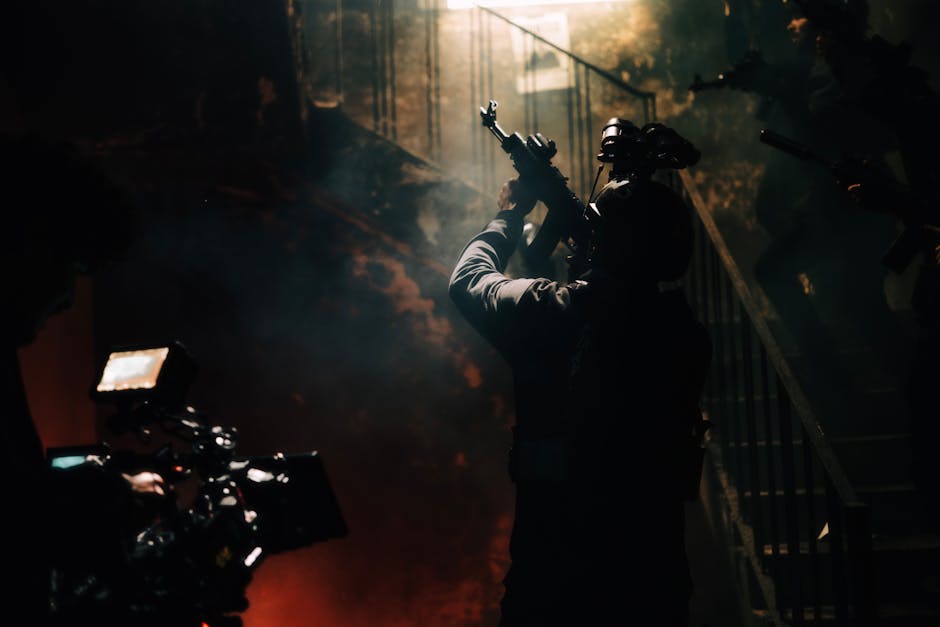
The visual spectacle is paramount in action cinema. Directors and cinematographers employ a range of techniques to immerse the audience in the on-screen chaos. Dynamic camera work, including sweeping crane shots, frantic handheld sequences, and slow-motion breakdowns of complex stunts, creates a sense of urgency and impact. Editing plays a critical role, with rapid cuts used to amplify the pace of a chase or a fight, while more deliberate pacing can build suspense before a major confrontation. Sound design further enhances the experience, with thunderous explosions, the screech of tires, the roar of engines, and the sharp crack of gunfire all contributing to the visceral immersion. Visual effects, from practical explosions to sophisticated CGI, have become increasingly integral, allowing for the creation of impossible feats and devastating destruction that were once beyond the realm of filmmaking. The goal is not just to tell a story, but to make the audience feel the impact of every punch, the terror of every chase, and the exhilaration of every victory.
The evolution of the action movie mirrors advancements in filmmaking technology and changing societal tastes. Early action films, often rooted in Westerns or crime dramas, focused on more grounded physical confrontations and car chases. The rise of martial arts cinema in the 1970s, spearheaded by figures like Bruce Lee, introduced intricate choreography and superhuman feats of combat. The 1980s saw the emergence of the muscular, one-man-army archetype, epitomized by Arnold Schwarzenegger and Sylvester Stallone, who often engaged in larger-than-life shootouts and battles. The 1990s brought a more sophisticated approach to stunts and special effects, with films like Speed and The Rock pushing the boundaries of practical effects and thrilling set pieces. The advent of CGI in the late 90s and early 2000s opened up new possibilities for visually spectacular action, with franchises like The Matrix and Mission: Impossible showcasing groundbreaking fight choreography and elaborate chase sequences that blended practical and digital elements. More recently, there’s been a growing emphasis on grounded realism and more complex character motivations, even within the high-octane framework of the genre.
Action cinema is not a monolithic entity; it encompasses a diverse array of subgenres, each offering a distinct flavor of excitement.
Spy Thrillers: These films revolve around secret agents, espionage, and international intrigue. Think of James Bond, Ethan Hunt, or Jason Bourne. They combine elements of suspense, technological gadgetry, exotic locations, and expertly choreographed fight scenes. The stakes are often global, with the fate of nations or the world hanging in the balance. The appeal lies in the sophisticated world of espionage, the cunning of the protagonists, and the constant threat of betrayal.
Martial Arts Films: Originating from Hong Kong and popularized globally, these films center on highly skilled fighters performing intricate and often acrobatic combat. Bruce Lee, Jackie Chan, and Jet Li are iconic figures. The narrative often follows a journey of training and revenge, with the climax being a series of spectacular martial arts duels. The emphasis is on the discipline, artistry, and sheer physicality of combat.
Superhero Films: While often encompassing other genres, superhero movies are a dominant force in modern action cinema. Featuring individuals with extraordinary powers, they typically involve epic battles against supervillains threatening humanity. The spectacle of flight, super strength, energy blasts, and city-destroying confrontations is a primary draw. The moral complexity of heroes and villains, along with themes of responsibility and sacrifice, adds depth.
Disaster Films: These films focus on large-scale catastrophic events, such as natural disasters, alien invasions, or technological meltdowns. The action often involves widespread destruction and desperate attempts at survival. The human element comes to the fore as characters face overwhelming odds and often make selfless sacrifices. The suspense lies in the inevitable destruction and the race against time.
War Films: While not exclusively action, many war films feature intense combat sequences, strategic battles, and the harrowing experiences of soldiers. From the visceral trench warfare of Saving Private Ryan to the aerial dogfights of Top Gun, these films highlight the brutal realities and heroism of conflict. The action here is often grounded in historical accuracy and the emotional toll of war.
Chase Films: As the name suggests, these films prioritize pursuit. Car chases, foot chases, and even boat chases are central to the narrative. The thrill comes from the speed, the near misses, and the ingenuity of the pursuers and the pursued. Films like Bullitt and The French Connection are classic examples, while modern films often elevate chase sequences to an art form with elaborate choreography and destruction.
Heist Films: These films focus on elaborate plans to steal valuable objects. While the planning and execution are often tense, the action frequently erupts during the heist itself, involving shootouts, escapes, and betrayals. The appeal lies in the intricate plotting, the cat-and-mouse dynamic, and the high stakes of getting caught.
Buddy Action Films: This subgenre pairs two contrasting characters who must learn to work together. The dynamic between the leads often provides comedic relief, while their combined skills are essential for overcoming the antagonists. Think Lethal Weapon, Rush Hour, or Men in Black. The chemistry between the actors is crucial to the success of these films.
The cultural impact of action movies is undeniable. They have provided escapism for generations, offering a sense of catharsis and empowerment. They often reflect societal anxieties and aspirations, with heroes embodying the courage and resilience needed to overcome challenges. The archetypal hero’s journey, a common narrative structure in action films, resonates deeply, showcasing the transformative power of struggle and perseverance. Action stars have become global icons, their personas shaping fashion, language, and popular culture. Furthermore, the genre has been a driving force in technological innovation in filmmaking, pushing the boundaries of what is visually possible.
Several films stand out as seminal works that have shaped the action genre. Enter the Dragon (1973) revolutionized martial arts cinema worldwide. Die Hard (1988) redefined the lone hero trope and set a new standard for urban action. The Matrix (1999) blended groundbreaking visual effects with philosophical themes and innovative fight choreography. The John Wick franchise (2014-present) has revitalized the genre with its meticulously crafted gun-fu and a richly detailed underworld. The Mission: Impossible series has consistently delivered jaw-dropping practical stunts and globe-trotting adventures. The Marvel Cinematic Universe, with its interconnected narratives and spectacular superhero battles, has become a dominant force, influencing storytelling across the genre. The James Bond franchise, spanning decades, has continuously reinvented itself, remaining a benchmark for spy action.
The enduring appeal of action movies lies in their ability to deliver a potent cocktail of excitement, heroism, and catharsis. They offer a temporary escape from the mundane, allowing audiences to witness extraordinary feats and root for the triumph of good over evil. As technology continues to advance and storytelling techniques evolve, the action genre is poised to continue its reign as a dominant force in cinema, promising ever more spectacular and thrilling cinematic experiences. The core elements of conflict, spectacle, and compelling heroes will undoubtedly continue to captivate audiences, ensuring that the explosive world of action movies remains a vital and vibrant part of the cinematic landscape for years to come. The universal language of adrenaline and the desire to see justice prevail ensure the continued popularity of this dynamic and thrilling genre.
