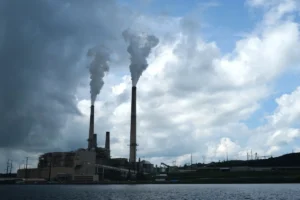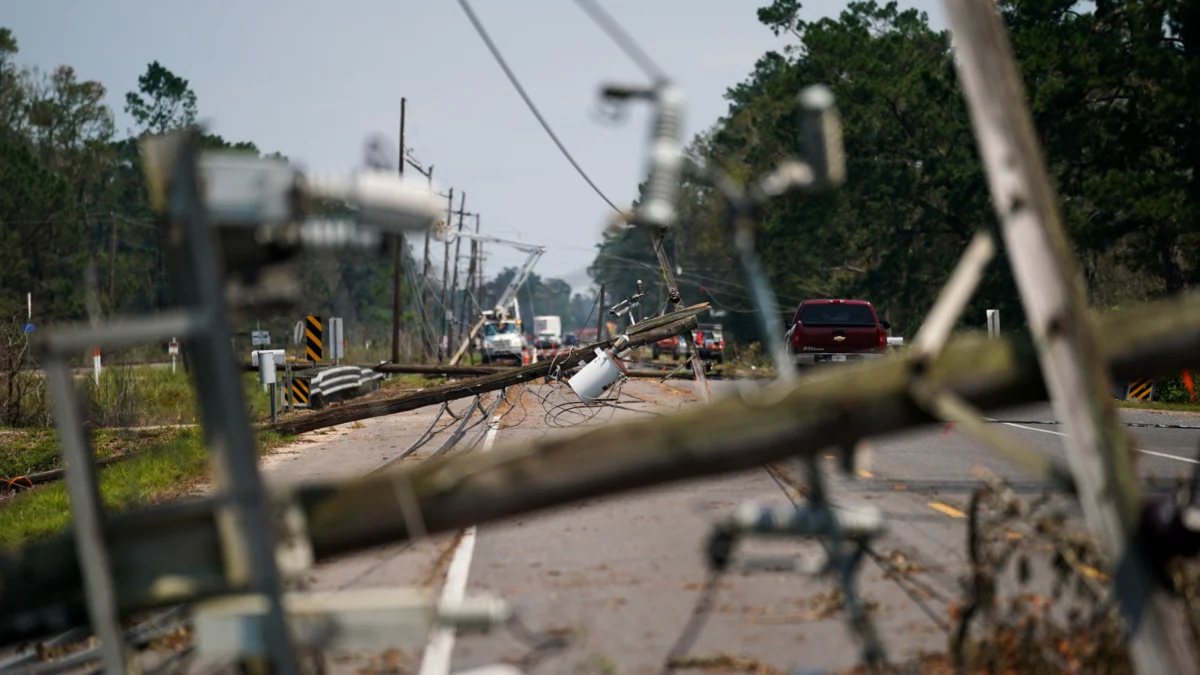
In a significant reversal of global sustainability trends, the world’s leading financial institutions have systematically dismantled their climate pledges over the past two years, shifting billions of dollars back into fossil fuel expansion and the burgeoning petrochemical sector. Between 2024 and mid-2026, the financial industry has moved from a posture of voluntary decarbonization to one of active reinvestment in traditional energy and its derivatives, according to a series of comprehensive industry reports. This retreat was punctuated in October 2025 by the total collapse of the Net-Zero Banking Alliance (NZBA), once the flagship coalition for the banking sector’s contribution to the Paris Agreement goals.
The shift represents a fundamental realignment of banking strategy, prioritizing short-term profit and the long-term viability of oil and gas assets over previous commitments to limit global warming to 1.5 degrees Celsius. As major banks abandon their net-zero targets, they are increasingly underwriting the fossil fuel industry’s "pivot to plastics," a strategic move designed to ensure continued demand for hydrocarbons even as the transportation sector begins its slow transition toward electrification.
The Collapse of Voluntary Climate Frameworks
The dismantling of the banking sector’s climate architecture began in earnest during the lead-up to the 2025 U.S. presidential inauguration. Citing political pressure and shifting economic priorities, all six of the United States’ largest banks—JPMorgan Chase, Bank of America, Citigroup, Wells Fargo, Goldman Sachs, and Morgan Stanley—withdrew from the Net-Zero Banking Alliance. The NZBA, which had been established to provide a framework for banks to align their lending and investment portfolios with net-zero emissions by 2050, could not survive the exodus of its most influential members. Following a membership vote in October 2025, the Alliance officially ceased operations.
This institutional collapse triggered a domino effect across the global financial landscape. In the months following the NZBA’s shutdown, several other major international players, including the Royal Bank of Canada (RBC), Scotiabank, and HSBC, significantly weakened their interim decarbonization targets. British lender NatWest faced intense shareholder scrutiny during its 2026 Annual General Meeting over its decision to backtrack on previous green financing goals, while Santander and JPMorgan Chase moved to scrap specific sector-based emissions reduction targets entirely.
Critics argue that the abandonment of these frameworks signals a return to "business as usual," where environmental risks are secondary to immediate capital returns. The transition from voluntary commitment to active opposition of climate-aligned regulation marks a pivotal turning point in the relationship between global finance and the environmental movement.
Record-Breaking Financing for Fossil Fuel Expansion
As the formal structures of climate accountability dissolved, the flow of capital into fossil fuel projects reached unprecedented levels. A June 2026 analysis released by the Rainforest Action Network (RAN), in collaboration with other environmental advocacy groups, revealed that the world’s top 65 banks funneled $508 billion into companies actively expanding fossil fuel development in 2025 alone. This figure represents a 27 percent increase from 2024 and stands as the highest annual total since the tracking began following the 2015 Paris Agreement.
The RAN report highlights a growing concentration of fossil fuel financing among a smaller cohort of aggressive lenders, primarily based in North America and Japan. While some European banks have maintained or slightly tightened their restrictions on coal and new oil exploration, their counterparts in the U.S. and Asia have stepped in to fill the financing gap. Bank of America, Citigroup, JPMorgan Chase, and Mizuho Financial were identified as the primary drivers of this expansion.
The nature of this financing is also shifting. The largest growth area in 2025 was directed toward midstream and downstream infrastructure, particularly transportation. This includes the construction of massive new pipelines and capital-intensive Liquified Natural Gas (LNG) export terminals. Financial analysts note that these projects represent a "decades-long commitment" to methane gas, as the high upfront costs of LNG infrastructure require long-term operational windows to achieve profitability, effectively locking in high-carbon energy pathways until the mid-21st century.
The Petrochemical Pivot: A Strategy for Longevity
Perhaps the most significant finding in recent data is the massive influx of capital into the petrochemical industry. A report from the Center for International Environmental Law (CIEL) found that between January 2019 and June 2025, major banks provided at least $591 billion in loans and underwriting to the world’s top 15 petrochemical companies. Of this amount, approximately $252 billion could be directly attributed to petrochemical activities, such as the production of plastics, fertilizers, and industrial chemicals.
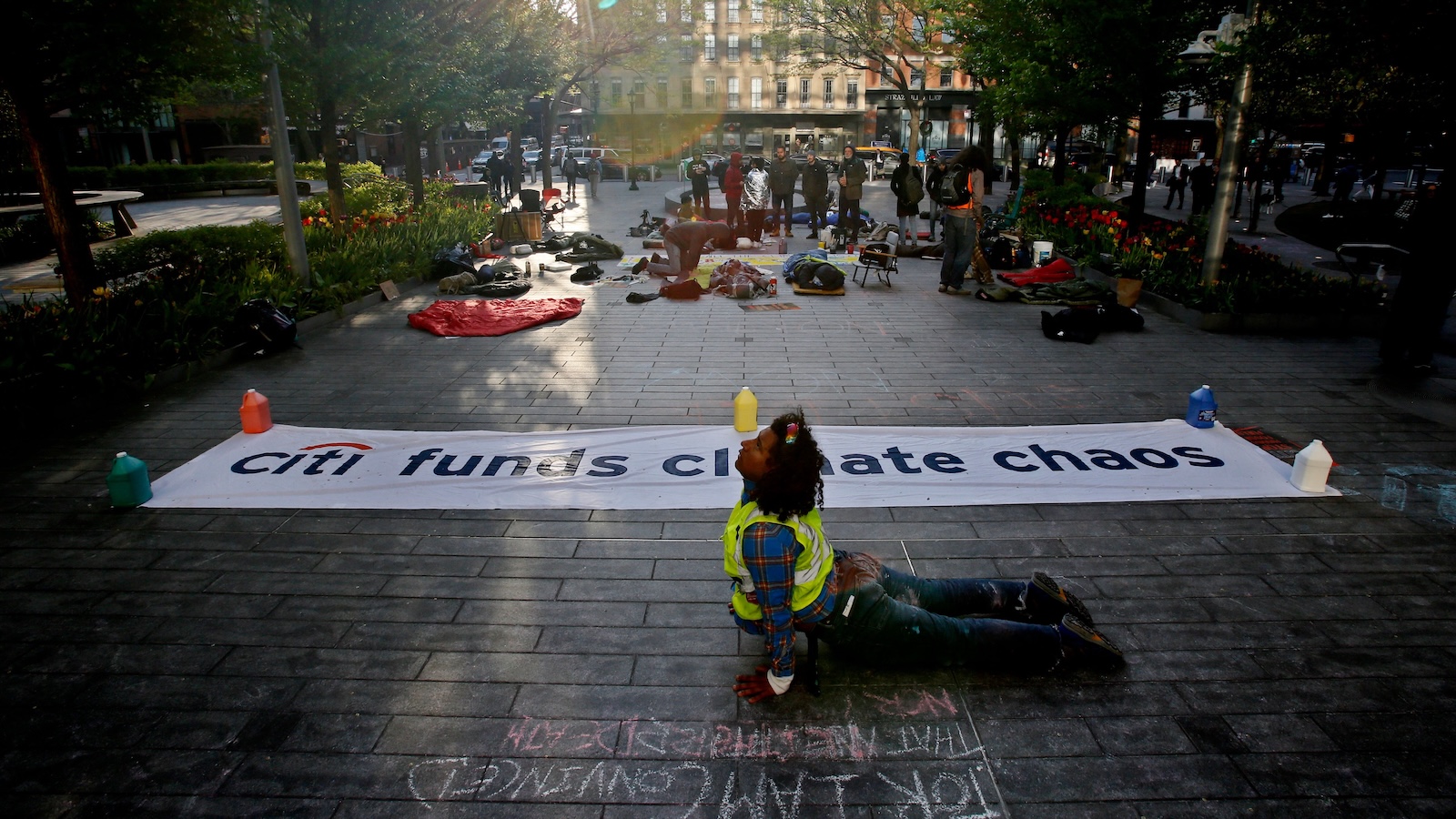
To put the scale of this investment into perspective, the $252 billion directly linked to petrochemicals is nearly equivalent to the entire annual Gross Domestic Product (GDP) of New Zealand. This surge in funding supports a deliberate strategy by oil majors like ExxonMobil, Shell, and Saudi Aramco to diversify their portfolios. As electric vehicle (EV) adoption and energy efficiency measures threaten to dampen oil demand in the transportation and power sectors, the industry is banking on a "plastics boom" to maintain its market relevance.
The International Energy Agency (IEA) has projected that petrochemical products—including plastics and agrichemicals—will account for more than one-third of the growth in global oil demand through 2030, and nearly half of that growth by 2050. This is significantly higher than the projected growth in sectors like aviation or shipping, making petrochemicals the ultimate "safety net" for the fossil fuel industry.
Toxic Implications and Global Emissions
The environmental cost of this financial pivot is staggering. The petrochemical industry is a major contributor to both toxic pollution and global greenhouse gas emissions. As of 2020, annual emissions from petrochemical production reached 1.9 billion metric tons of CO2 equivalent—more than double the combined emissions of the global aviation and shipping industries.
Furthermore, the expansion of the sector is increasingly tied to the most carbon-intensive forms of production. In China and India, there has been a notable spike in planned coal-to-chemical plants. These facilities use coal as a feedstock to produce chemicals that are typically derived from oil or gas, a process that is significantly more polluting. Environmental advocates warn that banking investments in these projects are giving the coal industry a "new lease on life" just as it was beginning to be phased out of the power sector.
The social and health impacts are equally concerning. Petrochemical facilities are often clustered in "fenceline communities," where residents are exposed to high levels of carcinogens and other hazardous air pollutants. By bankrolling the expansion of these facilities, financial institutions are indirectly subsidizing a public health crisis that disproportionately affects marginalized populations.
Economic Contradictions and Market Realities
Interestingly, the surge in petrochemical investment comes at a time when many analysts believe the industry is in a state of "structural decline." Despite the massive capital injections, the sector has faced a series of setbacks, including oversupply in global plastic markets, price shocks caused by geopolitical tensions—most notably the 2026 conflict involving Iran—and downgrades from major credit rating agencies like S&P Global and Fitch.
Fredric Bauer, a senior lecturer at Lund University, suggests that these investments do not always follow conventional market signals. Instead of scaling back production in the face of oversupply, oil and gas companies—supported by their lenders—continue to build capacity to ensure long-term demand for their raw materials. This creates a "fossil fuel lock-in," where the existence of massive, expensive infrastructure makes it economically and politically difficult to transition away from hydrocarbons, regardless of market conditions or environmental necessity.
Calls for Regulatory Intervention and Subsidy Reform
The failure of voluntary climate alliances has led to a chorus of calls for mandatory government regulation of the financial sector. Advocates argue that without binding laws, banks will continue to prioritize profit over planetary boundaries. Proposed measures include:
- Mandatory Transition Plans: Requiring financial institutions to adopt and implement credible, science-based plans to align their portfolios with a 1.5°C warming limit.
- Climate Risk Integration: Forcing banks to incorporate climate-related physical and transition risks into their creditworthiness assessments, which would naturally make fossil fuel expansion more expensive and less attractive.
- Ending Petrochemical Subsidies: Redirecting the more than $1 trillion in annual global subsidies currently supporting fossil fuels toward the development of "green chemistry" and sustainable materials.
Professor Joel Tickner of the University of Massachusetts Lowell emphasizes that the current financial landscape is tilted heavily in favor of the status quo. "Fossil fuel companies have received decades of subsidies and financial support," Tickner stated. "If we’re serious about sustainable materials and a livable climate, we need to put our money where we want the future to go."
As 2026 progresses, the gap between the scientific necessity of rapid decarbonization and the financial reality of fossil fuel expansion continues to widen. With the collapse of the Net-Zero Banking Alliance and the pivot toward a petrochemical-heavy future, the global financial system appears to be doubling down on a high-carbon economy, leaving the goals of the Paris Agreement increasingly out of reach. The coming years will determine whether regulatory bodies can successfully intervene or if the current trend of "profits over planet" will define the next era of global finance.