Texas Governor Greg Abbott, a prominent Republican and a vocal supporter of Donald Trump, recently unveiled a series of sweeping recommendations designed to curb the rapid expansion of data centers within his state. Urging Texas lawmakers to aggressively regulate the technology industry, Abbott’s move marks a significant departure for a state traditionally known for its "open for business" approach and minimal regulatory oversight. Simultaneously, in New York, Democratic Governor Kathy Hochul has remained noncommittal regarding a first-of-its-kind bill passed by the state legislature. This bill would impose a one-year moratorium on large-scale data center construction, yet Hochul—the leader of a state often defined by its strict regulatory environment—has declined to state whether she will sign it into law.
These contrasting political maneuvers signal the emergence of a complex and often contradictory political landscape surrounding data center development. In an era defined by hyper-partisanship, the backlash against the physical infrastructure of the digital age has created a rare point of convergence for voters across the ideological spectrum. As the tech industry’s demand for artificial intelligence (AI) grows, the massive facilities required to power these computations are becoming a lightning rod for local and national grievances, reshaping the political scripts that usually govern energy, natural resources, and land use.
The AI Boom and the Surge in Resource Consumption
The current tension is driven by a fundamental shift in the nature of computing. For decades, traditional cloud-computing centers have served as the backbone of the digital economy, storing emails, photos, and corporate data. However, the rise of generative artificial intelligence requires a vastly different level of infrastructure. AI-ready data centers utilize high-density server racks that consume significantly more electricity and water than their predecessors.
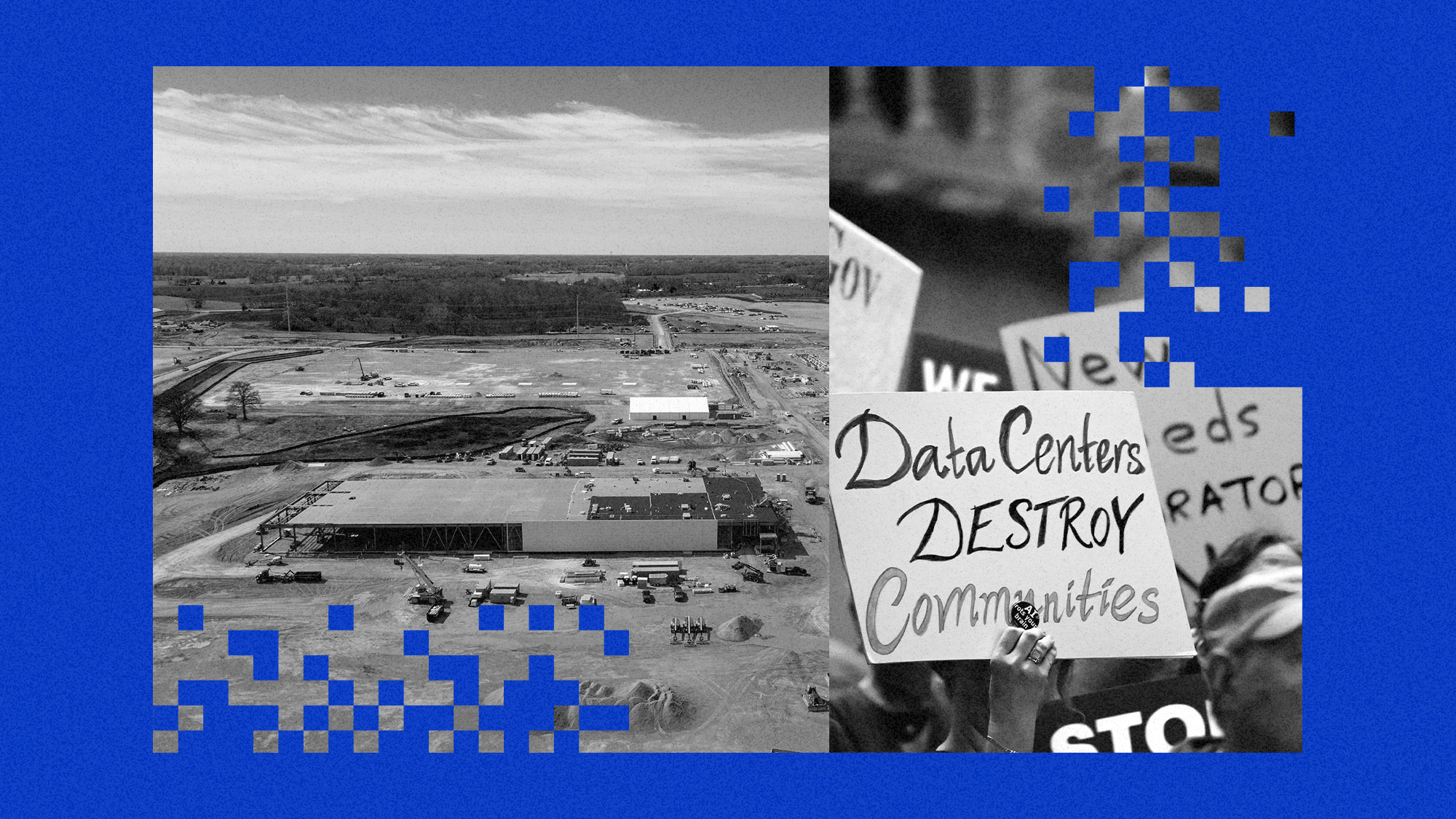
According to industry data, an AI-focused data center can consume as much power as a small city. This "unslakable thirst" for energy has put immediate pressure on aging electrical grids and contributed to rising utility costs for residential consumers. Furthermore, the cooling systems required for these facilities often draw millions of gallons of water daily, a critical issue in drought-prone regions. This rapid escalation in resource consumption has transformed data centers from quiet industrial neighbors into high-stakes political flashpoints.
A Statistical Portrait of Bipartisan Discontent
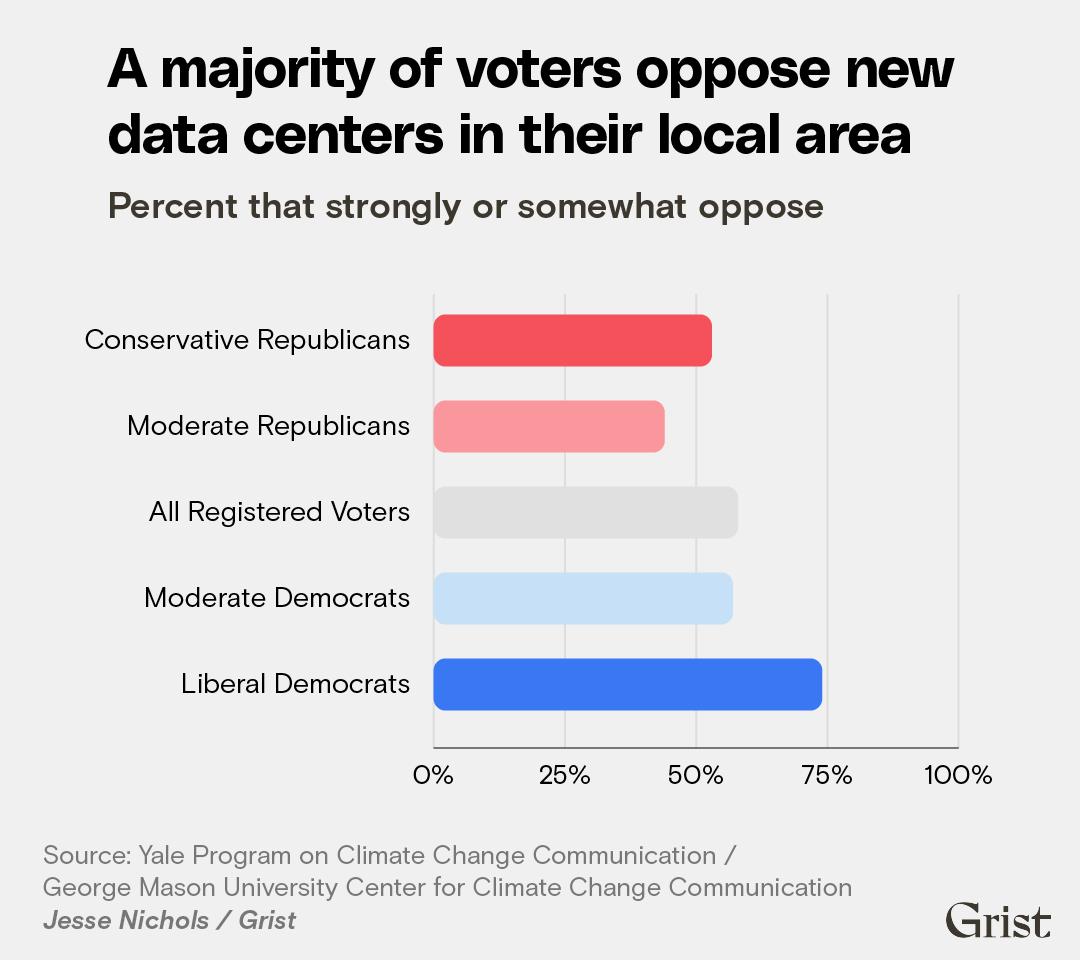
Public sentiment regarding data centers reveals a surprising level of cross-party agreement. Recent polling from Gallup indicates that approximately 70 percent of Americans oppose the construction of AI data centers in their local areas. This opposition is notably bipartisan, with 75 percent of Democrats and 63 percent of Republicans expressing disapproval.
Further analysis from the Yale Program on Climate Change Communication highlights a unique demographic trend: conservative Republicans (53 percent) are more likely to oppose local data centers than their moderate Republican counterparts (44 percent). Anthony Leiserowitz, the director of the Yale program, noted that this alignment is nearly unprecedented in modern polling, with staunch conservatives appearing closer to liberal Democrats in their opposition than to moderate members of their own party.
This shared skepticism is fueled by a recurring set of local grievances that transcend traditional party lines. These include:
- Rising Electricity Costs: Residents fear that the massive energy draw of data centers will lead to higher monthly bills and grid instability.
- Water Scarcity: In the Western U.S., the use of potable water for server cooling is viewed as a threat to agricultural and residential supplies.
- Land Use and Noise: The industrial scale of these facilities, often located near residential or rural areas, brings issues of light pollution, noise from cooling fans, and the loss of green space.
- Economic Inequality: Many communities feel that the industry provides few long-term jobs while receiving substantial tax breaks and public subsidies.
A Chronology of Resistance in 2026
The first half of 2026 has seen a dramatic escalation in organized opposition to data center expansion. The sheer scale of the movement is evidenced by the fact that at least 75 data center projects, with a combined estimated value of $130 billion, were stalled or blocked in the first quarter of the year alone.
- February 2026: Protesters in St. Paul, Minnesota, gathered at the state capitol to demand a two-year moratorium on new data centers, citing concerns over the state’s carbon neutrality goals.
- April 2026: Pew Research reports that the majority of new data center applications have shifted toward rural areas, sparking a "rural vs. tech" narrative in local elections.
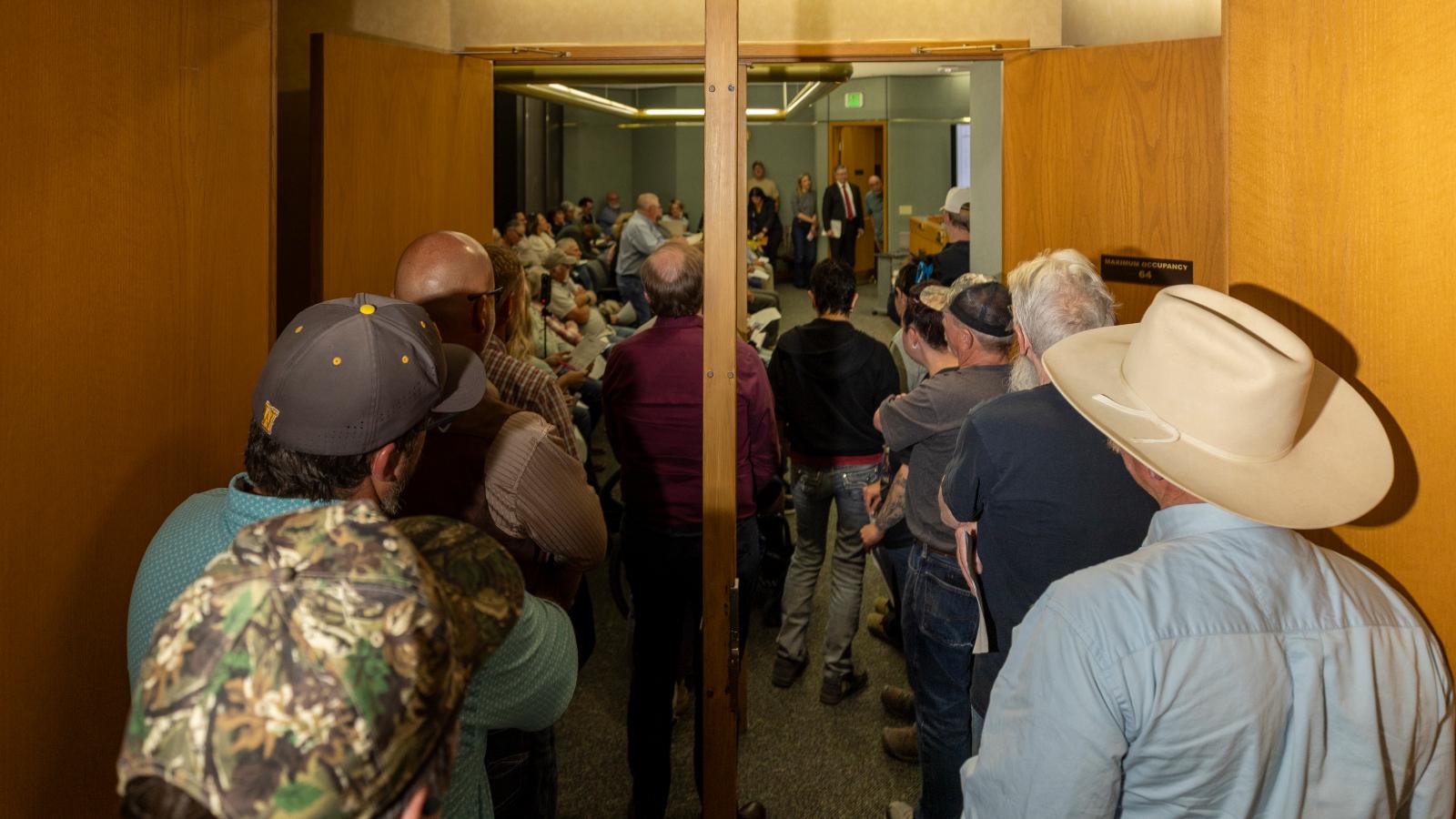
- May 2026: In Evanston, Wyoming, public meetings regarding the Prometheus Hyperscale data center were packed with residents concerned about the project’s impact on local infrastructure and the character of the community.
- June 2026: Voters in Monterey Park, California, approved a landmark ballot measure to permanently ban data centers, citing the need to protect air quality and drinking water.
- June 2026: Texas Governor Greg Abbott issues his regulatory recommendations, specifically targeting the tech industry’s use of the state’s independent power grid.
Currently, more than 800 community groups are active across 49 states, monitoring and opposing some 1,500 planned data center developments.
Regional Case Studies: Utah and California
The diversity of the opposition is best illustrated by comparing fights in geographically and politically distinct regions. In Box Elder County, Utah—a deeply conservative area where Donald Trump won nearly 80 percent of the vote in 2024—a massive 40,000-acre data center project backed by celebrity investor Kevin O’Leary is facing a fierce backlash. Rural voters there are not motivated by "green" politics in the traditional sense; rather, they are focused on the protection of the Great Salt Lake and the perceived unfairness of granting property tax breaks to a project that could deplete local water and energy resources.
Conversely, in Monterey Park, California, the motivation is framed through the lens of public health and environmental justice. The successful ballot measure to ban data centers was championed by a left-leaning coalition focused on preventing the industrialization of suburban neighborhoods and ensuring that the tech industry does not monopolize the state’s transition to renewable energy. Despite the different rhetoric, the end goal remains the same: halting the expansion of Big Tech’s physical footprint.
The Role of Tech Moguls and Public Trust
A significant factor buoying the national backlash is the public’s perception of the executives leading the AI boom. Figures such as Elon Musk (who recently became the world’s first trillionaire), Mark Zuckerberg, and Sam Altman are household names, making the tech industry a much more tangible target for public anger than other sectors.
Alex Beauchamp, a regional director at Food and Water Watch, points out that while most Americans cannot name the CEO of a major oil company, tech CEOs are frequently viewed as "villains" due to their immense wealth and influence. This personal animosity is compounded by a sense of betrayal; for years, Silicon Valley marketed itself as a force for social good. However, as these companies lay off tens of thousands of workers while simultaneously spending a projected $670 billion on AI infrastructure this year, the narrative has shifted toward one of corporate greed and detachment. Polling suggests that only 7 percent of voters trust tech CEOs to make decisions that positively affect their lives.
Broader Economic Implications and the "Fracking" Parallel
The rising cost of living is a primary driver of voter sentiment heading into the 2026 midterm elections. In this context, data centers are seen as a threat to the economic stability of the average household. Dana R. Fisher of American University notes that global conflicts and inflation have made Americans acutely sensitive to energy prices. When a tech giant builds a facility that consumes as much power as a city, residents see a direct link to their own rising utility bills.
However, political scientists warn that this current "pre-partisan" phase may not last. Megan Mullin of UCLA suggests that as the issue gains more national attention, it may be absorbed into the "partisan machinery" that defines American culture wars.
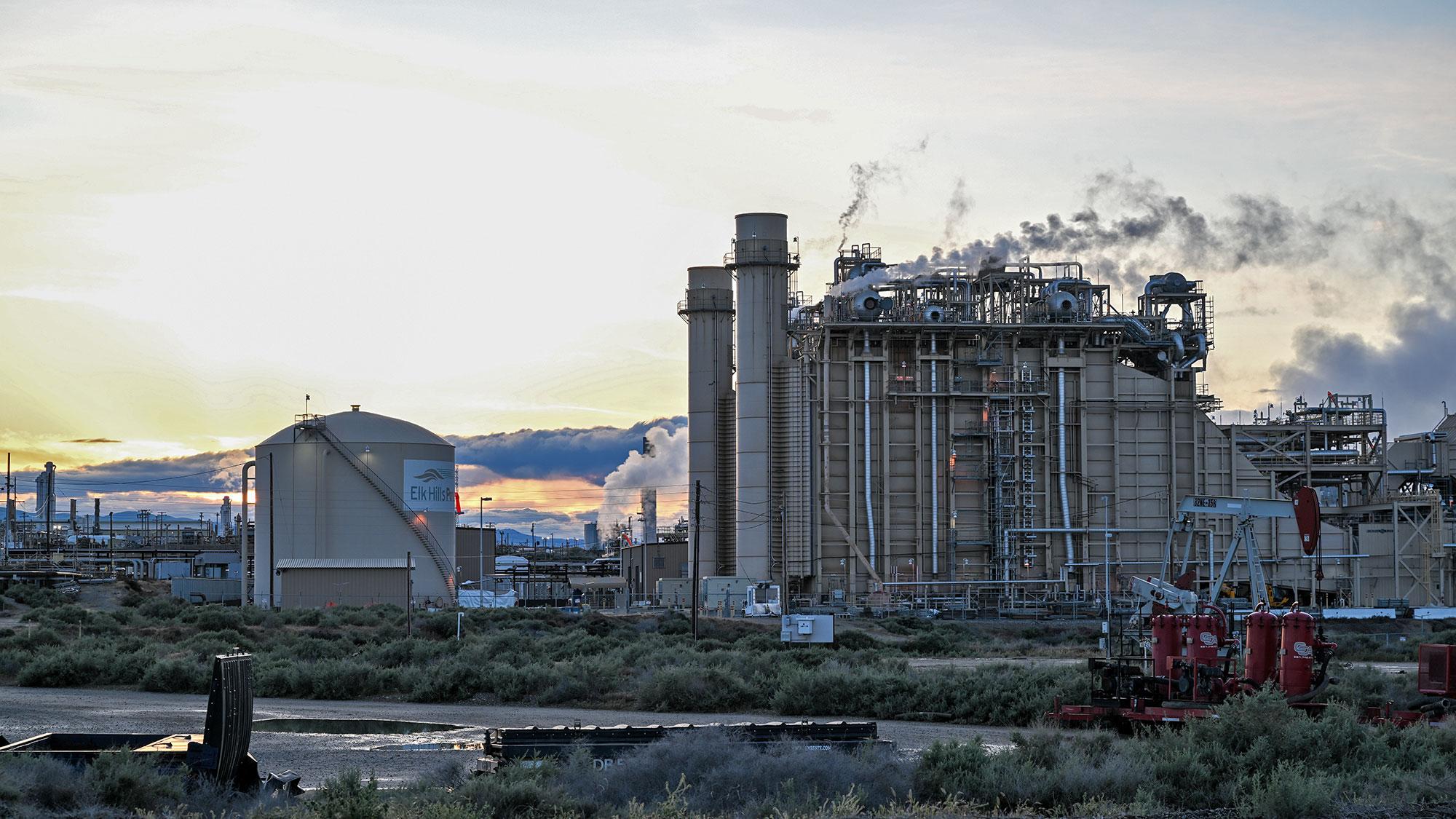
A historical parallel can be found in the fight over hydraulic fracturing, or "fracking." In the early 2010s, opposition to fracking in New York was a broad, bipartisan movement involving rural landowners and environmentalists. However, once the issue became a national political cudgel, it split along party lines. Republican officials eventually framed anti-fracking sentiment as an attack on the working class and energy independence, while Democrats made it a central pillar of climate policy.
Conclusion: A Rare Opportunity for New Alliances
Whether the data center backlash follows the path of the fracking wars or maintains its unique cross-partisan nature remains to be seen. Some activists believe the issue offers a "remarkable and rare opportunity" to create new political alliances that prioritize local resource management and corporate accountability over traditional party loyalty.
As state legislatures in Texas, New York, and beyond grapple with the tension between technological progress and community preservation, the data center debate will serve as a critical test of whether American politics can find a middle ground. For now, the "weird world" of data center politics continues to defy the usual scripts, placing conservative ranchers and liberal suburbanites on the same side of a high-stakes battle for the future of the American landscape.