Kieran Tierney’s Five-Year Arsenal Deal: A Deep Dive into the Significance for Celtic and the Gunners
Kieran Tierney’s five-year contract extension with Arsenal represents a pivotal moment, not only for his burgeoning career in English football but also for his former club, Celtic. This significant commitment from the North London club underscores their belief in Tierney’s talent, leadership potential, and his integral role in their long-term project. For Celtic, the reported substantial transfer fee and potential sell-on clauses offer a financial windfall that can be reinvested into strengthening their squad and maintaining their domestic dominance. This article will dissect the multifaceted implications of Tierney’s deal, exploring his impact at Arsenal, the financial ramifications for Celtic, and the broader narrative of talented Scottish players seeking opportunities abroad.
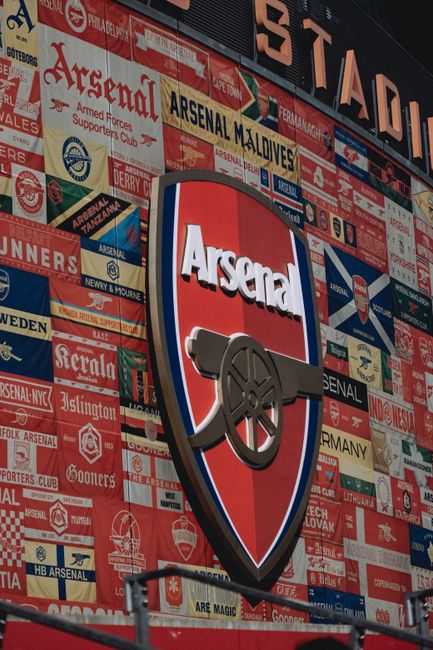
Tierney’s transfer from Celtic to Arsenal in the summer of 2019 was a landmark event, shattering the Scottish record for a defender. The initial fee, believed to be around £25 million, with potential add-ons reaching £27 million, signaled the immense faith Arsenal placed in the then 22-year-old. His subsequent performances have largely vindicated that investment. Despite facing early injury setbacks, Tierney quickly established himself as a fan favorite and a crucial component of the Arsenal backline. His tenacity, work rate, and attacking verve from left-back have made him a consistent performer, even during periods of managerial flux and squad rebuilding at the Emirates Stadium. This new five-year deal, extending his stay until 2026, signifies a clear statement of intent from Arsenal’s hierarchy. It provides stability for Mikel Arteta’s evolving side and secures the services of a player who embodies the club’s desired ethos: passion, dedication, and high performance. The longevity of the contract suggests that Tierney is viewed as a cornerstone for the future, a player around whom Arsenal can build. His defensive capabilities, his ability to deliver dangerous crosses, and his relentless energy make him a modern-day full-back perfectly suited to the demands of the Premier League. Furthermore, his leadership qualities, honed during his captaincy at Celtic, have begun to manifest at Arsenal, with him often seen rallying his teammates on the pitch. This leadership potential is invaluable for a young and developing Arsenal squad.
The financial implications for Celtic are substantial and far-reaching. While the initial transfer fee was significant, the reported nature of the deal, which includes potential sell-on clauses and appearance-related add-ons, offers Celtic a continued stake in Tierney’s future success. If Tierney continues to perform at a high level and his market value increases further, Celtic could stand to benefit from a percentage of any future transfer fee should Arsenal decide to sell him down the line. This financial security is paramount for Celtic, a club that operates with a different financial model than many of its Premier League counterparts. The funds generated from Tierney’s sale have already allowed for strategic investments in their squad. Strengthening areas identified as needing reinforcement, bringing in players with the potential to make an immediate impact in the Scottish Premiership, and fostering young talent within their academy are all direct beneficiaries of the Tierney transfer. Furthermore, the sustained success of Celtic is intrinsically linked to their ability to retain and develop top talent, but also to leverage that talent for financial gain when the right opportunities arise. Tierney’s transfer exemplifies this delicate balancing act. It demonstrates that Celtic can produce world-class talent that commands significant fees in the European market, thereby providing a crucial revenue stream that fuels their ongoing ambitions. The sell-on clauses, if structured favorably, can provide a long-term income stream, acting as a buffer against the financial volatility inherent in football. This strategic financial planning is vital for Celtic to compete consistently and to continue to be a force both domestically and in European competitions.
Beyond the immediate financial and playing personnel aspects, Tierney’s success and his extended stay at Arsenal have broader implications for Scottish football. Kieran Tierney represents a shining example of the talent that emerges from Scotland. His journey from Celtic Park to the Premier League, and now his long-term commitment to a top English club, serves as an inspiration for young Scottish players. It validates the pathways available through Scottish academies and the potential for homegrown talent to make a significant impact on the global stage. The visibility of Scottish players excelling in the Premier League can encourage more top talent to remain in Scotland for longer or to pursue similar moves, thus raising the profile of Scottish football as a whole. This can lead to increased investment in youth development programs, better scouting networks, and ultimately, a stronger national team. The narrative of Scottish players thriving in England is not new, with historical figures like Kenny Dalglish, Denis Law, and Graeme Souness achieving legendary status. However, Tierney’s contemporary success, coupled with his deep roots in Scottish football culture, adds a fresh and relevant chapter to this ongoing story. His commitment to Arsenal also indirectly benefits the Scottish game by showcasing the quality of players produced within the Scottish system to a wider audience. This can lead to increased interest in Scottish football from scouts and clubs worldwide, potentially creating more opportunities for other Scottish players in the future.
From an Arsenal perspective, securing Tierney on a five-year deal is more than just retaining a talented player; it’s about solidifying a core group of players who are committed to the club’s vision. Mikel Arteta has been meticulously rebuilding Arsenal’s squad since his appointment, focusing on a blend of experienced players and promising young talent. Tierney, at 24 years old when the deal was announced, fits perfectly into this demographic. He possesses the experience of playing at a high level for both Celtic and Arsenal, coupled with the potential for further development. His reliability and consistency have been crucial, especially given Arsenal’s recent injury concerns in defensive areas. The long-term nature of the contract provides managerial stability and allows Arteta to build his team around key figures like Tierney, Bukayo Saka, and Emile Smith Rowe. This continuity is essential for establishing a strong team identity and achieving sustained success. The five-year duration of the deal also suggests that Arsenal views Tierney as a long-term prospect, potentially a future captain or a leader within the dressing room. His dedication and passion for the club are evident, and this contract extension ensures that this commitment will be reciprocated for a significant period. The strategic importance of securing such players cannot be overstated in the competitive landscape of the Premier League, where squad depth and quality are paramount for challenging at the top. Arsenal’s approach in tying down key players to long-term deals signifies a shift towards building a sustainable and competitive club, moving away from the reliance on short-term fixes.
The tactical importance of Kieran Tierney to Mikel Arteta’s system cannot be overstated. As a left-back, Tierney offers a dynamic threat both offensively and defensively. His ability to overlap, deliver accurate crosses, and contribute to the build-up play from deep positions is a vital component of Arsenal’s attacking strategy. Defensively, his tenacity, intelligent positioning, and strong tackling make him a reliable asset. In a league as demanding as the Premier League, having a full-back who can consistently perform at a high level in both phases of play is invaluable. Arteta’s tactical approach often involves utilizing his full-backs to provide width and create overloads in wide areas, and Tierney’s skillset is perfectly suited to this role. His chemistry with other attacking players, particularly those on the left flank, has developed over time, further enhancing Arsenal’s offensive fluidity. The security of a five-year contract means that Arteta can continue to implement and refine his tactical ideas with Tierney as a central figure. This long-term planning allows for consistent development and improvement, as players become more accustomed to the manager’s demands and the team’s overall playing style. The absence of Tierney due to injury has often highlighted his importance, with the team’s attacking output and defensive solidity noticeably affected. This reinforces the value of his presence and the wisdom of securing his future at the club for an extended period.
The financial arrangement surrounding Tierney’s contract also offers a degree of protection and potential upside for Arsenal. While the initial transfer fee was substantial, the structure of the deal, including potential bonuses and sell-on clauses, reflects a calculated approach to player acquisition and investment. Arsenal, like many clubs, operates with financial fair play regulations in mind, and securing key players on long-term contracts can help spread the amortized cost of the transfer over a longer period, positively impacting their financial reporting. Furthermore, the inclusion of sell-on clauses, while benefiting Celtic, also indicates Arsenal’s confidence in Tierney’s market value and their ability to retain and potentially enhance it during his tenure. This demonstrates a strategic understanding of player valuation and market dynamics. The five-year commitment signifies that Arsenal believes Tierney will be a valuable asset for the foreseeable future, both on and off the pitch. This long-term investment in his development and performance is a testament to their belief in his potential to contribute to their sustained success in the Premier League and European competitions. The contract also provides a degree of salary stability, ensuring that a key player is not actively seeking to leave due to contractual limitations, thus maintaining team cohesion and focus. The financial stability offered by such a long-term deal is a crucial element in building a successful and sustainable football club in the modern era.
In conclusion, Kieran Tierney’s five-year Arsenal deal is a multi-faceted agreement with significant implications. For Arsenal, it secures a vital player for their long-term project, providing stability, leadership, and a dynamic threat from left-back. For Celtic, it represents a substantial financial injection that can fuel future ambitions and a continued stake in a player who emerged from their ranks. For Scottish football, it serves as a powerful symbol of homegrown talent thriving on the biggest stage, inspiring the next generation and raising the profile of the sport in Scotland. The longevity of the contract underscores Arsenal’s commitment to Tierney and their vision for the future, while the financial benefits for Celtic highlight the effective player development and transfer strategies that can be implemented within the Scottish game. This development is a positive step for all parties involved, solidifying Tierney’s place in the Premier League and providing a tangible boost to the clubs and the footballing landscape he has influenced.
