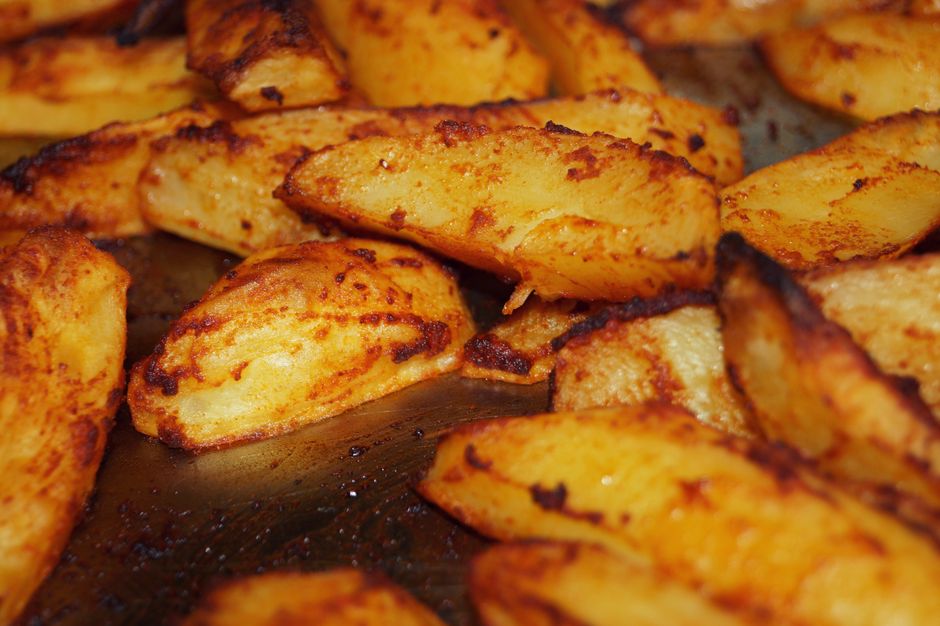
The Ultimate Guide to Perfectly Oven Roasted Potatoes: Crispy Exterior, Fluffy Interior, Every Time
Mastering oven-roasted potatoes transforms a humble side dish into a culinary triumph. This comprehensive guide delves into the science and art of achieving that coveted crispy exterior and impossibly fluffy interior, offering practical tips, ingredient recommendations, and variations to elevate your roasted potato game. Forget bland, oily, or undercooked failures; this is your blueprint for potato perfection. Understanding the core principles of roasting, namely heat transfer and moisture evaporation, is paramount. High oven temperatures facilitate rapid browning and crisping of the potato’s surface, while creating a dry environment allows steam to escape, preventing a soggy outcome. The type of potato chosen plays a significant role, as does its preparation: the size and uniformity of the pieces, the method of coating with fat and seasonings, and the arrangement on the baking sheet all contribute to the final texture and flavor.
Potato Selection: The Foundation of Flavor and Texture
The choice of potato is the cornerstone of successful oven roasting. Different potato varieties possess unique starch content, moisture levels, and skin textures that directly influence the roasting outcome. For the quintessential crispy roasted potato with a fluffy interior, waxy or all-purpose potatoes generally yield superior results compared to starchy varieties like Russets, which can sometimes become too dry or mushy when overcooked.
Yukon Golds are a perennial favorite for roasting. Their buttery flavor, creamy texture, and slightly waxy nature make them incredibly forgiving. They hold their shape well, develop a beautiful golden-brown crust, and offer a delightful balance between crispiness and softness. Their moderate starch content means they won’t fall apart during roasting but will still achieve a fluffy interior.
Red Bliss potatoes, with their thin, edible skins and dense, moist flesh, are another excellent choice. They roast up to a tender, slightly creamy texture with a subtle sweetness. Their skins crisp up beautifully, providing a satisfying textural contrast.
Fingerling potatoes, characterized by their elongated shape and firm texture, offer a delightful bite and a nutty flavor. Their smaller size means they roast relatively quickly, and their thin skins become delightfully crisp.
While Russet potatoes are often associated with being starchy and prone to dryness, they can still be excellent for roasting if handled correctly. Their high starch content contributes to a wonderfully fluffy interior, but it’s crucial to manage moisture and not overcook them. They are best when cut into larger chunks to retain more moisture during the roasting process.
When selecting potatoes, look for firm, smooth skin with no sprouts, blemishes, or soft spots. The size of the potatoes should be relatively uniform within your chosen batch to ensure even cooking. For instance, if you opt for Yukon Golds, try to pick ones of similar diameter. This uniformity is a critical, often overlooked, factor in achieving consistent results.
Preparation is Key: Cutting and Drying for Optimal Crispness
The way you cut and prepare your potatoes significantly impacts their ability to crisp up. Uniformity in size is paramount. Aim for pieces that are roughly the same size and shape. This ensures that all the potato pieces cook at the same rate, preventing some from becoming overcooked and mushy while others remain undercooked. Cubes of about 1 to 1.5 inches are generally ideal. Wedges or larger chunks can also work, but adjust cooking times accordingly.
The crucial step often missed in achieving crispness is drying the potatoes thoroughly after washing and cutting. Excess moisture on the surface of the potato will steam rather than roast, leading to a soggy outcome. After rinsing and cutting, spread the potato pieces out on a clean kitchen towel or paper towels. Gently pat them dry, ensuring as much surface moisture is removed as possible. For an extra layer of crispness, some enthusiasts even recommend letting the cut potatoes air dry for 15-30 minutes at room temperature, or even in the refrigerator, uncovered. This further evaporates surface moisture.
The Fat Factor: Choosing and Applying for Maximum Flavor and Crisp
The type and amount of fat used for roasting are critical for both flavor and achieving that coveted crispy exterior. Fat conducts heat efficiently, promoting browning and contributing to the crisping process by sealing the surface and preventing sticking.
Olive oil is a popular choice due to its flavor and relatively high smoke point, making it suitable for roasting. Extra virgin olive oil offers a more robust flavor. When using olive oil, ensure you use enough to lightly coat all the potato surfaces. Too little, and the potatoes will stick and not brown properly; too much, and they will become greasy.
Avocado oil is another excellent option. It has a very high smoke point, allowing for higher roasting temperatures without breaking down and smoking excessively. Its neutral flavor allows the potato and seasoning flavors to shine.
Ghee (clarified butter) or even duck fat or bacon fat can add an incredible depth of flavor and contribute to exceptional crispness. These fats lend a richer, more savory profile to the roasted potatoes.
When coating the potatoes with fat, it’s often best to do so in a large bowl, rather than directly on the baking sheet. This ensures an even coating for every piece. Toss the dried potato pieces with your chosen fat and seasonings until every surface is lightly coated.
The Seasoning Strategy: Enhancing Natural Flavors
Seasoning is where you can truly personalize your roasted potatoes and amplify their natural deliciousness. Start with the basics: salt and freshly ground black pepper. Ensure the salt is distributed evenly. For optimal flavor, consider using kosher salt or sea salt, which have a more satisfying texture and deliver a cleaner saltiness.
Garlic is a natural partner for roasted potatoes. You can add whole, peeled garlic cloves to the roasting pan, which will become sweet and creamy, or mince fresh garlic and toss it with the potatoes. Garlic powder can also be used, but fresh garlic offers a more nuanced flavor.
Herbs are another fantastic way to elevate roasted potatoes. Rosemary and thyme are classic choices that pair exceptionally well with potatoes. Their woody stems and robust flavors stand up well to the heat of the oven. You can add whole sprigs to the roasting pan or chop fresh herbs and toss them with the potatoes before roasting. Dried herbs can also be used, but use them in smaller quantities as their flavor is more concentrated.
Other popular seasoning options include:
- Paprika (smoked or sweet): Adds a beautiful color and a subtle smoky or sweet note.
- Onion powder: Complements the garlic and provides a savory depth.
- Chili powder or red pepper flakes: For a touch of heat.
- Cumin: Adds an earthy, warm flavor.
- Lemon zest: Adds a bright, fresh counterpoint, especially when added towards the end of roasting.
When seasoning, it’s best to season the potatoes before they go into the oven, allowing the flavors to meld and penetrate the potato during the roasting process.
The Roasting Process: Temperature, Time, and Technique
Achieving perfectly roasted potatoes hinges on a combination of the right oven temperature and technique. A hot oven is crucial for achieving crispiness. Preheating your oven to between 400°F (200°C) and 425°F (220°C) is ideal. This high heat promotes rapid browning and moisture evaporation.
Key Techniques for Success:
-
Preheat the Baking Sheet: For an extra crispy bottom, consider preheating your baking sheet in the oven while it’s preheating. Once hot, carefully add your seasoned potato pieces. This provides an immediate blast of heat to the bottom of the potatoes, promoting crisping from the start.
-
Single Layer Arrangement: This is non-negotiable for crispiness. Spread the seasoned potato pieces out on the baking sheet in a single layer, ensuring they are not touching or overcrowded. If the potatoes are piled on top of each other, they will steam rather than roast, resulting in a soggy texture. If necessary, use two baking sheets.
-
Turning and Tossing: Resist the urge to constantly move the potatoes. Allow them to sit undisturbed for the first 20-25 minutes of cooking to develop a good crust on one side. Then, gently flip or toss the potatoes to expose the other sides to the heat. Continue turning or tossing every 15-20 minutes until they are tender and golden brown and crispy on all sides.
-
Doneness Test: The potatoes are done when they are fork-tender and have achieved a deep golden-brown color with crispy edges. Pierce a few pieces with a fork to test for tenderness. The cooking time will vary depending on the size of your potato pieces and your oven, but typically ranges from 40 to 60 minutes.
-
Resting (Optional but Recommended): Once roasted, let the potatoes rest on the baking sheet for a few minutes before serving. This allows the internal moisture to redistribute, contributing to a fluffy interior.
Troubleshooting Common Roasting Pitfalls
Even with the best intentions, occasional roasting woes can occur. Understanding common issues and their solutions can save your spuds:
- Soggy Potatoes: This is almost always due to excess moisture. Ensure potatoes are thoroughly dried before coating with fat. Do not overcrowd the baking sheet, and ensure adequate heat. Overcooking can also lead to sogginess if moisture has nowhere to escape.
- Uneven Cooking: Inconsistent potato piece sizes are the primary culprit. Ensure all pieces are cut uniformly. Overcrowding the pan also leads to uneven heat distribution.
- Sticking to the Pan: Insufficient fat or a cold baking sheet are the usual suspects. Ensure potatoes are well-coated with fat and that your baking sheet is hot before adding the potatoes.
- Burning on the Edges, Undercooked in the Middle: This indicates your oven temperature is too high for the size of your potato pieces, or they are too small. Reduce the oven temperature slightly, or cut larger pieces. Ensure the potatoes are tossed midway through cooking to expose all surfaces.
Variations to Inspire Culinary Creativity
Once you’ve mastered the basic oven-roasted potato, the possibilities for variations are endless. Experiment with different flavors and textures:
- Garlic Herb Parmesan: After tossing potatoes with olive oil, salt, pepper, minced garlic, and fresh rosemary, roast them until tender. In the last 5-10 minutes of roasting, sprinkle generously with grated Parmesan cheese and return to the oven until the cheese is melted and bubbly.
- Smoky Paprika and Onion: Toss potatoes with olive oil, smoked paprika, onion powder, salt, and pepper. Roast until crispy.
- Spicy Cajun: Coat potatoes with oil, Cajun seasoning, salt, and a pinch of cayenne pepper.
- Lemon Rosemary: Toss potatoes with olive oil, salt, pepper, fresh rosemary, and a generous amount of lemon zest before roasting. A squeeze of fresh lemon juice just before serving adds brightness.
- Sweet Potato Variations: While this guide focuses on traditional potatoes, the same principles apply to sweet potatoes, though cooking times may be slightly shorter. Consider adding cinnamon, nutmeg, or even a touch of maple syrup for a sweet twist.
- Added Vegetables: Roasting vegetables alongside your potatoes can create a complete side dish or even a light meal. Bell peppers, onions, broccoli florets, and Brussels sprouts all roast well and can be added to the pan during the last 20-30 minutes of cooking, depending on their size and density.
Serving Suggestions and Pairings
Oven-roasted potatoes are incredibly versatile and pair beautifully with a wide array of main courses. They are a classic accompaniment to:
- Roasted Meats: Roast chicken, pork tenderloin, beef roasts, and lamb chops.
- Grilled Proteins: Steak, fish, chicken breasts, and sausages.
- Hearty Stews and Casseroles: They add substance and absorb flavorful juices.
- Burgers and Sandwiches: A gourmet alternative to fries.
- Salads: As a warm, filling component in a substantial salad.
For a complete meal, consider topping your roasted potatoes with a dollop of sour cream, a sprinkle of chives, or a drizzle of your favorite aioli.
The Art of the Fluffy Interior: The Science Behind the Creaminess
While the exterior crispness is a visual and textural triumph, the fluffy interior is what truly elevates a roasted potato. This is achieved through a combination of potato starch and proper cooking. When potatoes are heated, the starch granules absorb water and swell. In a well-roasted potato, the exterior dries out and crisps, while the interior retains enough moisture to allow the starches to gelatinize and become tender and creamy.
Overcooking can lead to the starches breaking down too much, resulting in a mushy texture rather than a fluffy one. Conversely, undercooking leaves the starches too dense and hard. The balance of heat and time, coupled with the right potato variety, ensures that the interior reaches that ideal fluffy consistency. The slight steam trapped within the potato during the roasting process also contributes to this desirable texture.
Final Thoughts on Potato Perfection
Achieving consistently perfect oven-roasted potatoes is not an esoteric culinary mystery. It’s a methodical process grounded in understanding the properties of potatoes, the principles of heat transfer, and careful execution. By selecting the right potato, preparing it with precision, employing the correct fat and seasonings, and adhering to optimal roasting techniques, you can reliably produce a side dish that is both visually appealing and gastronomically satisfying. The journey from a humble raw potato to a golden-brown, crispy-edged masterpiece is a rewarding culinary endeavor, and this comprehensive guide provides the knowledge and confidence to embark on that journey with unwavering success. Remember, practice makes perfect, and with each batch, you’ll refine your technique and discover new flavor combinations that make these oven-roasted potatoes a staple in your repertoire.
