The enduring power of ancient epics is undeniable, with stories like Homer’s "The Odyssey" resonating across millennia. In the 1980s, a unique Franco-Japanese animated co-production, "Ulysses 31," embarked on an ambitious mission to translate this foundational narrative into the far-flung future of the 31st century. This space opera, a vibrant blend of classical themes and futuristic aesthetics, introduced a generation of young viewers to the trials and tribulations of Odysseus, albeit under his Romanized name, Ulysses, and set against a backdrop of interstellar exploration and divine intervention. The series, which premiered in Japan in 1982 and later captivated audiences in Europe and beyond throughout the mid-1980s, offers a fascinating case study in how classic literature can be adapted for contemporary mediums, even if its direct influence on modern filmmakers like Christopher Nolan remains a subject of intriguing speculation.
A Cosmic Odyssey: The Premise of "Ulysses 31"
At its core, "Ulysses 31" mirrors the fundamental quest of Homer’s epic: Captain Ulysses, a heroic figure, is desperately trying to navigate his way back home to his wife, Penelope, following a protracted conflict. In this futuristic iteration, the "war" concludes at a starbase that serves as the equivalent of ancient Troy. However, Ulysses’ journey is immediately complicated when his son, Telemachus, is tragically abducted. The motive behind this kidnapping is grim: Telemachus is intended as a sacrificial offering to a colossal robotic Cyclops, a formidable mechanical entity that embodies one of Greek mythology’s most iconic monsters.
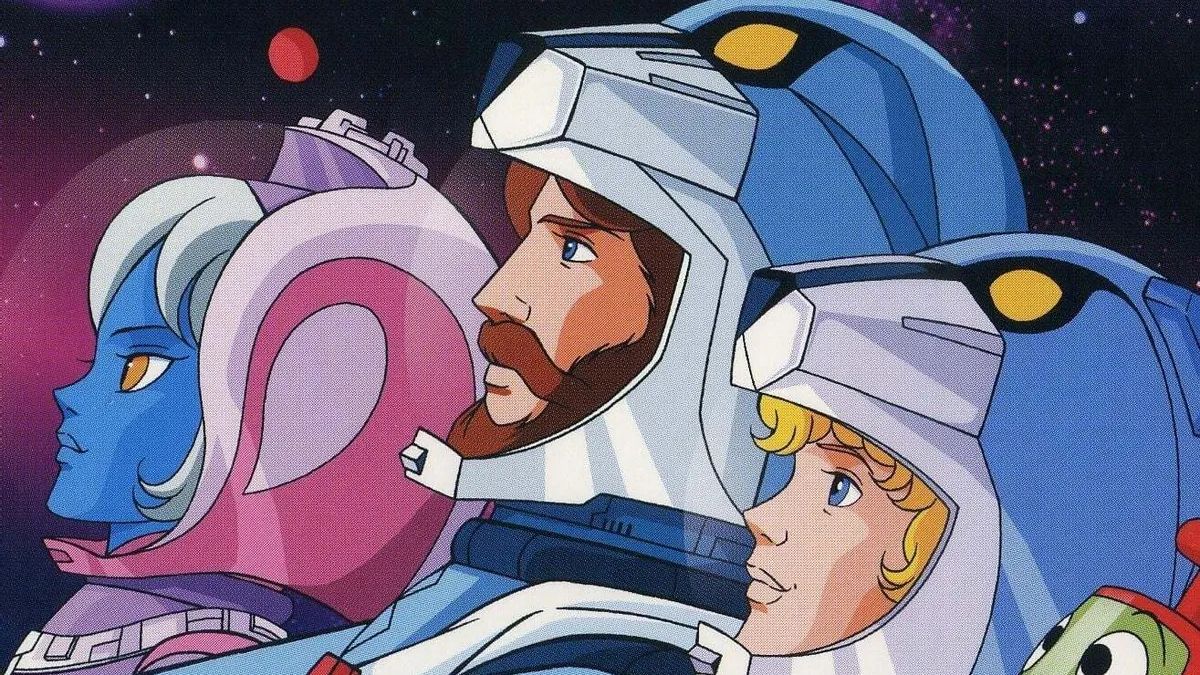
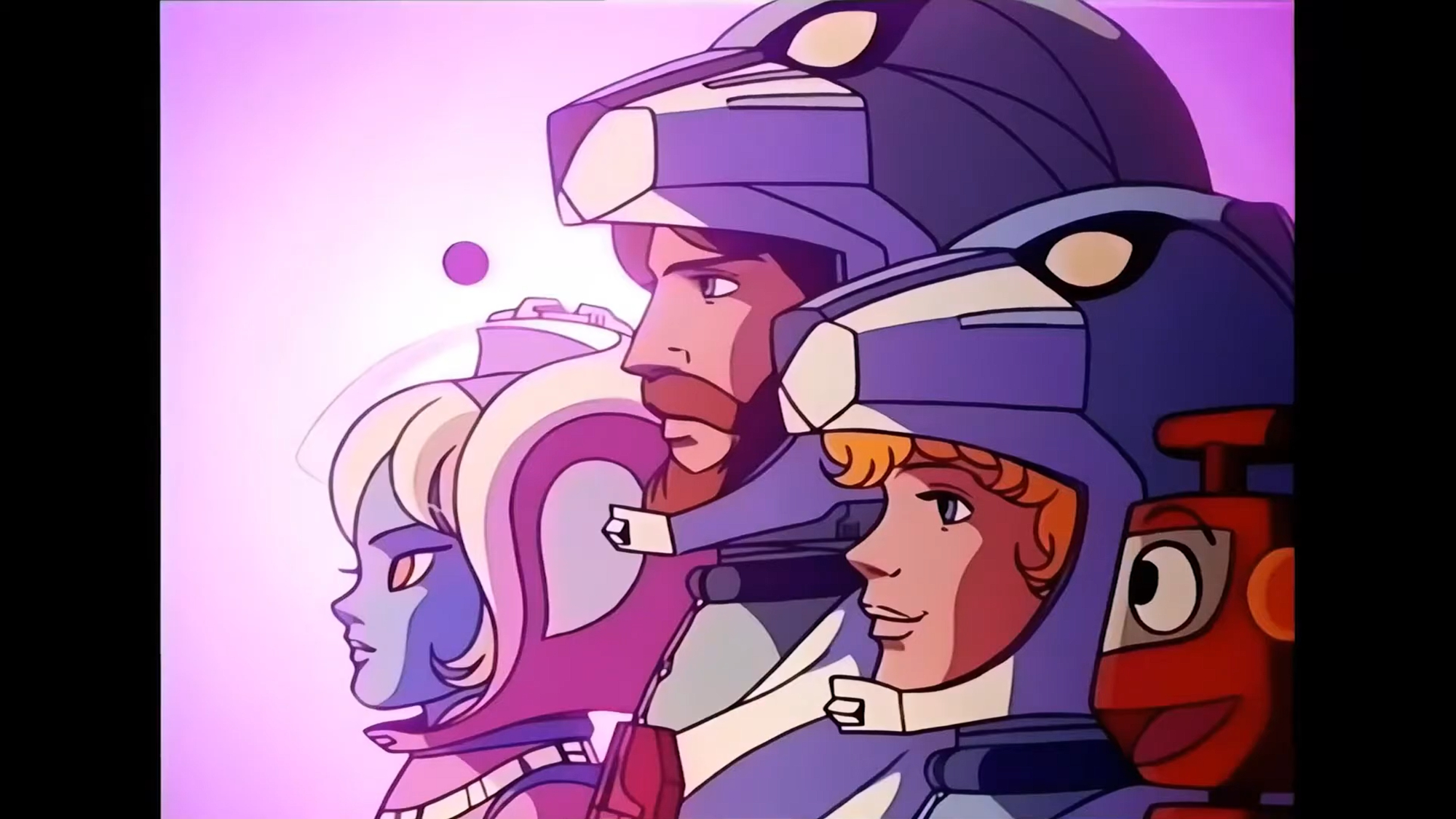
Ulysses, embodying the valor immortalized in his theme song – "Always fighting all the evil forces, bringing peace and justice to all" – confronts and defeats the one-eyed automaton. In the process, he rescues not only Telemachus but also Yumi and Numinor, two alien Zotrians. These blue-skinned companions, a creative addition not found in Homer’s original text, become integral to Ulysses’ extended voyage.
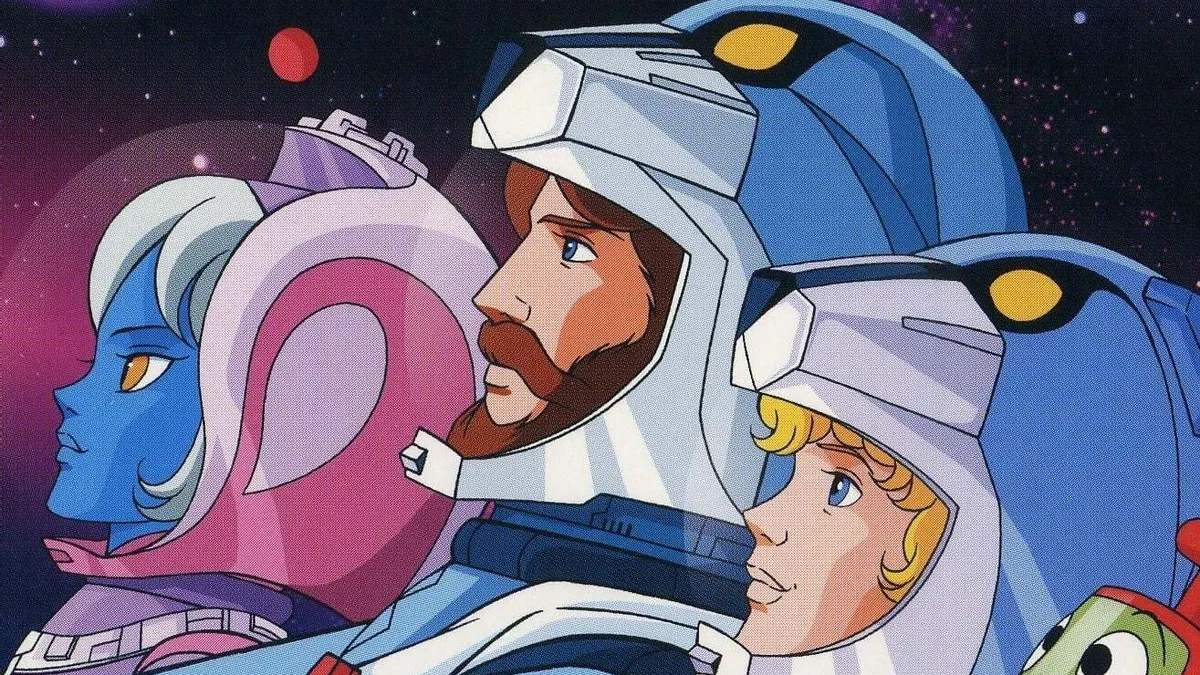
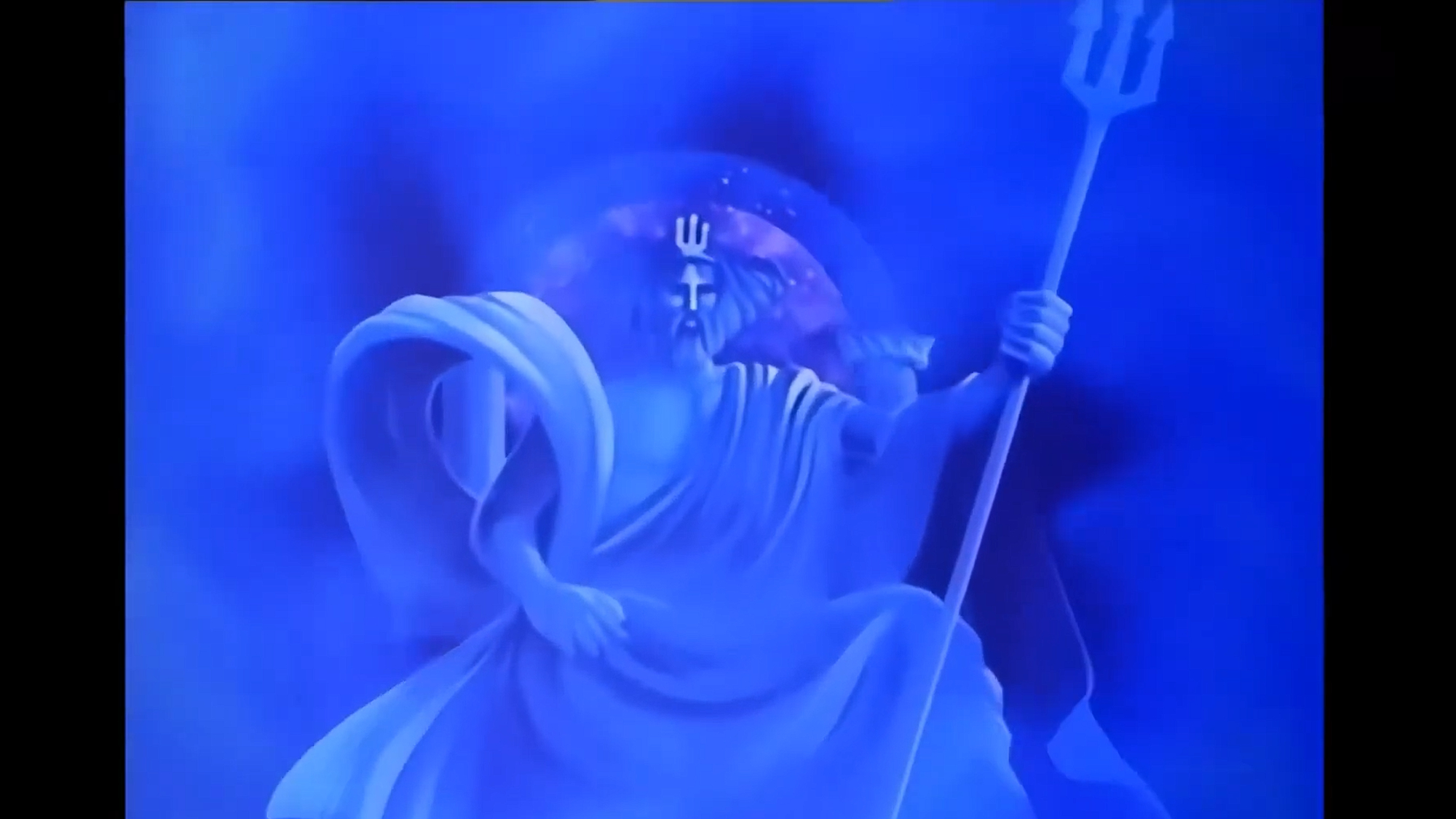
The immediate aftermath of this heroic act, however, plunges Ulysses and his crew into a cosmic predicament. The robotic Cyclops belonged to Poseidon, the Greek god of the sea, who has inexplicably established a domain in outer space. Enraged by Ulysses’ defiance, Poseidon appeals to his brother, Zeus, the king of the Olympian gods, to enact divine retribution. This celestial wrath results in a drastic punishment: Ulysses’ ship, the Odyssey, has its navigational data banks wiped, effectively sentencing him and his crew to "travel among unknown stars." Furthermore, his companions are placed in a state of perpetual stasis, a deep slumber from which they cannot awaken. The overarching objective for Ulysses becomes a race against time, a desperate search for the mythical Kingdom of Hades before the conclusion of the series’ 26-episode run, in order to break the curse and return to Penelope.
A Tapestry of Myth and Futurism
"Ulysses 31" masterfully weaves together disparate threads of classical mythology with a distinct science fiction sensibility. While the series adheres to the broad strokes of Homer’s narrative, it takes considerable creative liberties, transforming ancient myths into futuristic encounters.
- Mythological Allusions: Beyond the central plot, the series incorporates several other well-known Greek myths. Ulysses encounters the Sirens, whose enchanting songs pose a deadly threat to sailors, and the Lotus Eaters, whose fruit induces blissful forgetfulness. These episodes adapt the challenges faced by Odysseus to the context of space travel, where alien landscapes and technologies replace geographical obstacles.
- Expanded Pantheon: The introduction of a space-faring Poseidon and Zeus signals a significant reinterpretation of the Greek pantheon. These deities are depicted as immensely powerful, often capricious beings who view humanity as mere pawns in their cosmic games. Their interventions are not always benevolent, adding a layer of existential dread to Ulysses’ quest.
- Reimagined Characters and Creatures: The series creatively reinterprets classical figures and creatures. Sisyphus, eternally condemned to roll a boulder uphill, is presented as a being trapped in a repetitive, futile technological task. Orpheus’s descent into the underworld to rescue Eurydice is reimagined as a perilous journey through a dangerous cosmic region. The three-headed dog Cerberus, guardian of Hades, is transformed into a multi-headed interceptor satellite, a chilling embodiment of technological threat.
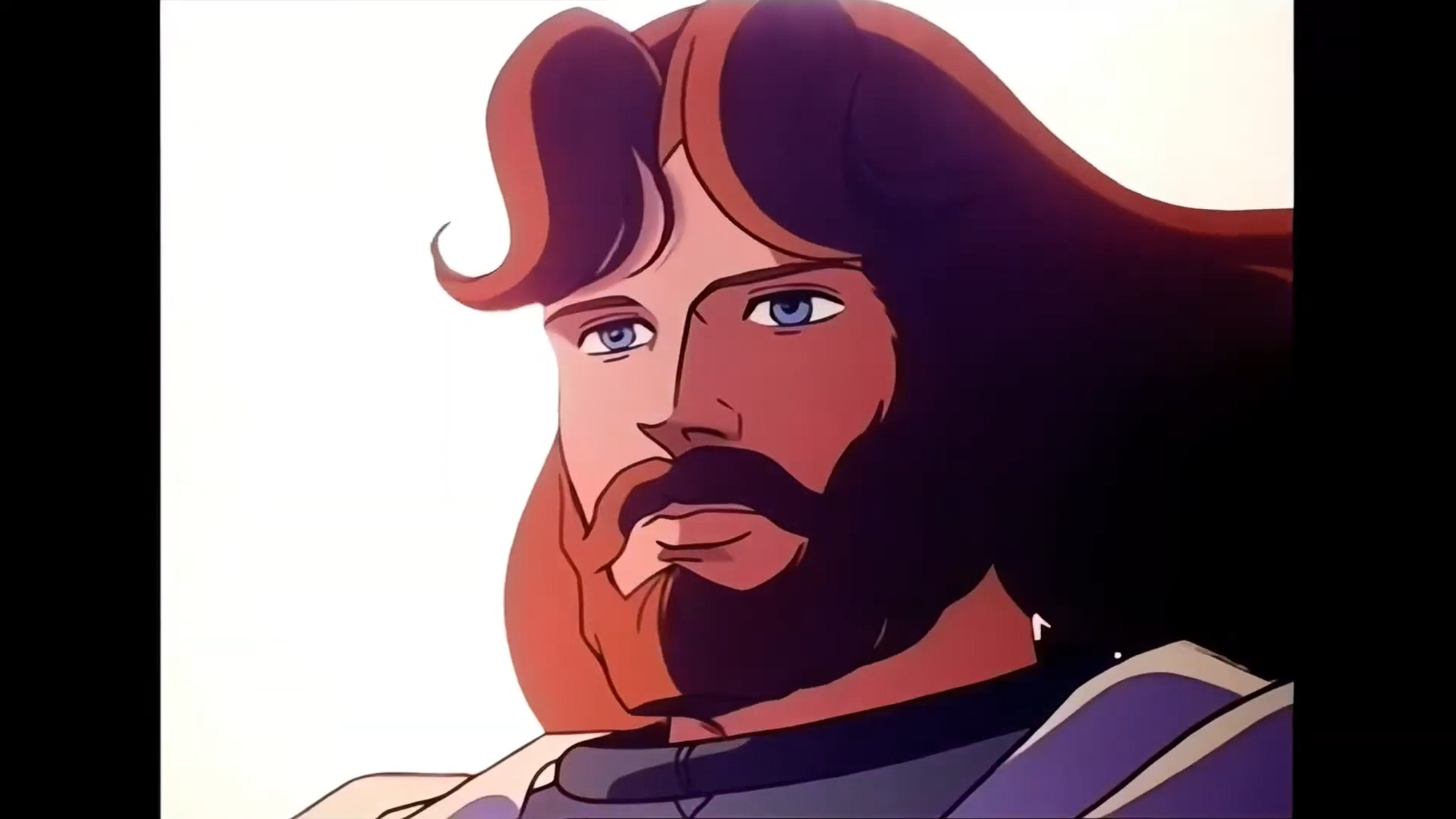
- Character Adaptations: While Ulysses retains his heroic stature, his son Telemachus plays a more consistently present role than in Homer’s original. The sorceress Circe lends her name to Shirka, the sophisticated computer aboard Ulysses’ ship. Nestor, Ulysses’ trusted second-in-command, echoes the wise counselor from the original epic. Even the Trojan War’s King Priam finds a parallel in the commander of the starbase where the story begins.
A Legacy of Animation and Music
Despite its narrative departures and stylistic choices, "Ulysses 31" has etched itself into the collective memory of a generation, primarily due to its memorable soundtrack and its unique visual style.
The Iconic Soundtrack
The musical score for "Ulysses 31" was a collaborative effort, primarily featuring the talents of Denny Crockett and Ike Egan, with contributions from Shuki Levy and Haim Saban. Levy and Saban were already recognized for their work on other popular 1980s animated series, including "Masters of the Universe" and "Jayce and the Wheeled Warriors." The music of "Ulysses 31" is often cited as a key reason for the show’s enduring appeal.
The series’ main theme song, in particular, achieved cult status. Its catchy melody and heroic lyrics, proclaiming Ulysses’ dedication to fighting evil and bringing peace, became an instant earworm for viewers. The phrase "Ulysee-ee-ee-ee-ees" became synonymous with the show, an auditory signature that resonates deeply with those who grew up watching it. Beyond the theme, tracks like "The Curse of the Gods" effectively conveyed a sense of dread and cosmic menace, perfectly complementing the show’s more dramatic and unsettling moments. The incidental music also drew inspiration from the iconic scores of contemporary science fiction films, notably John Williams’ work on the "Star Wars" saga, further cementing its place within the popular sci-fi landscape of the era.
Visual Style and Influence
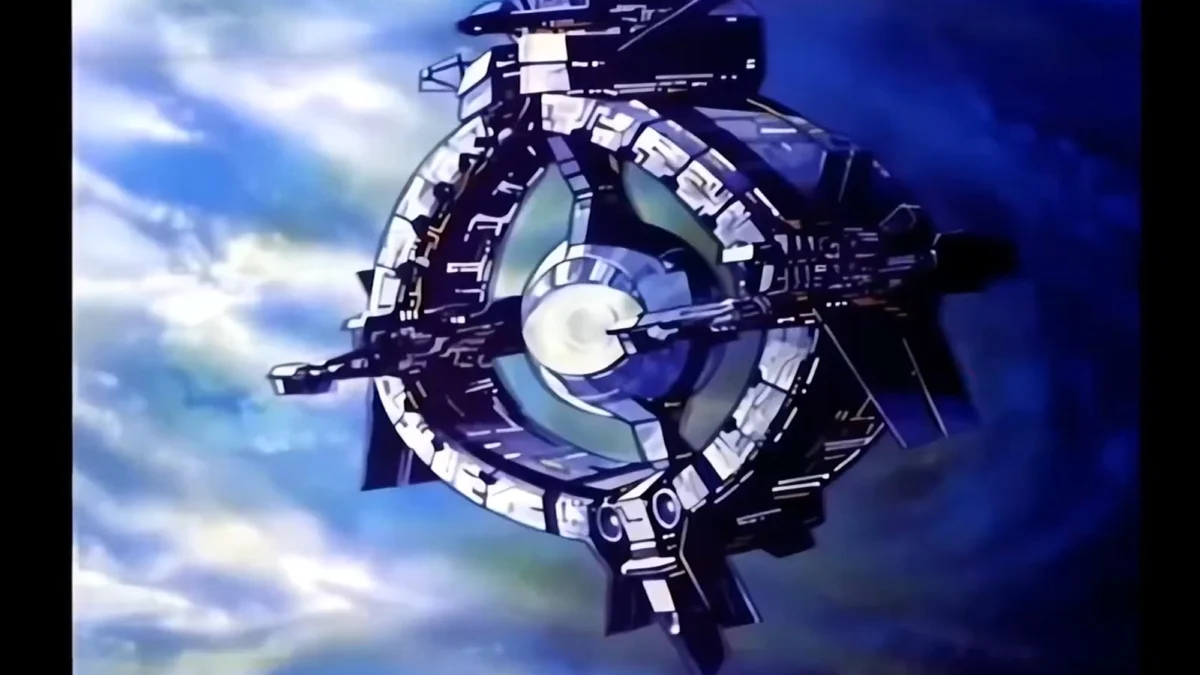
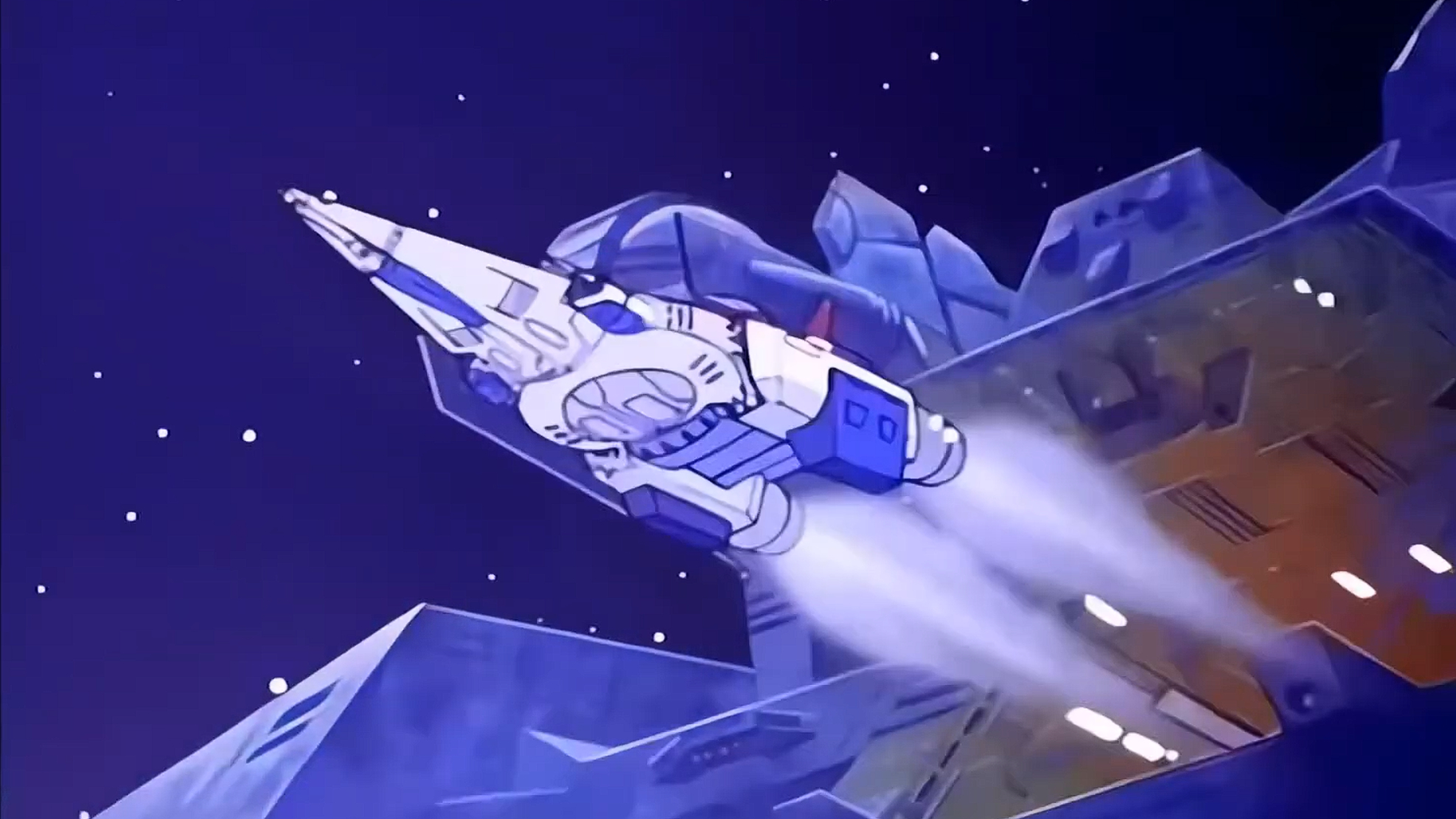
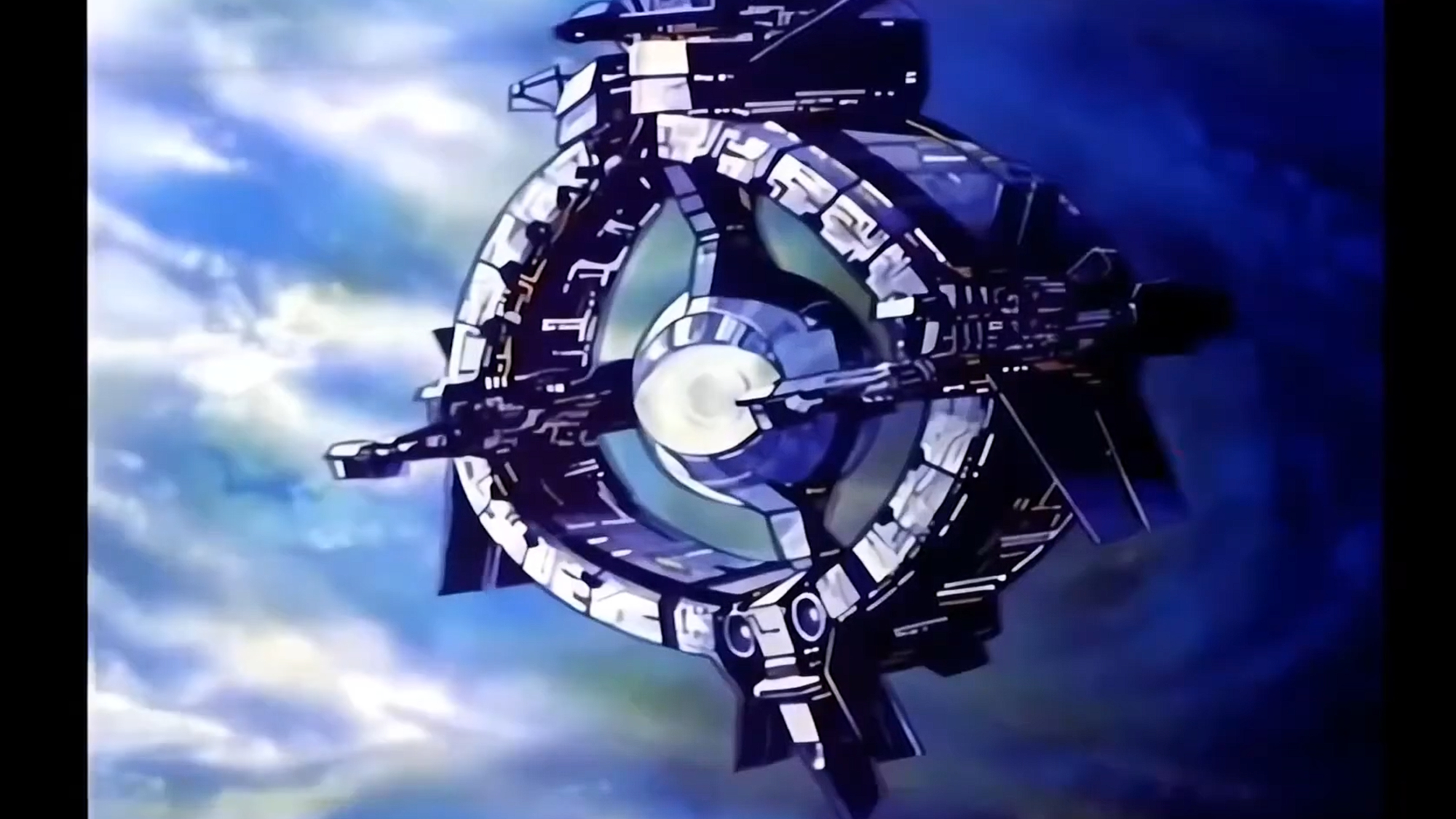
The animation, a product of the early 1980s, exhibits a blend of French artistic sensibilities and Japanese animation techniques. While some of the animation, particularly in depicting space travel, can appear rudimentary by modern standards—often involving static shots of starships against stellar backgrounds—the overall design aesthetic is striking. The spaceship designs, particularly Ulysses’ distinctive eye-shaped vessel, the Odyssey, evoke the classic imagery of science fiction book covers. The show also borrowed heavily from the visual language of "Star Wars," with Ulysses wielding a weapon that bears a strong resemblance to a lightsaber.
However, the series was not without its critics regarding its animation quality and dialogue. The dialogue is often characterized as being delivered with earnest seriousness, sometimes devolving into repetitive shouts of character names. The character of Nono, Telemachus’s small, red robot companion, is frequently pointed out as an example of the era’s often irritating "cute" sidekicks, a testament to the competitive landscape of children’s television.
Broader Context and Cultural Impact
"Ulysses 31" emerged during a golden age of animated science fiction for children and young adults. Alongside shows like "He-Man and the Masters of the Universe," "Transformers," and "Voltron," it carved out a niche by offering a more mature thematic exploration, albeit through an animated lens. Unlike some of its contemporaries, where the protagonists were often guaranteed victory, "Ulysses 31" presented a universe where peril was genuine, and the good guys didn’t always prevail. This added a layer of complexity and stakes that resonated with viewers, making Ulysses’ journey as a single father protecting his son and adopted daughter all the more compelling.
The series’ approach to adapting Homer’s epic reflects a broader trend in the 1980s of reinterpreting classic narratives through the prism of popular genre fiction. This practice allowed for the introduction of timeless themes and archetypes to a new generation, familiar with spaceships and laser guns rather than triremes and bronze swords. The series’ enduring popularity is evidenced by its continued presence in fan communities and its availability through unofficial channels, such as fan uploads on YouTube, even in the absence of official streaming releases on major platforms.
Analysis of Implications and Enduring Appeal
The success and lasting impact of "Ulysses 31" can be attributed to several factors:
- Bridging Eras: The show successfully bridged the gap between ancient mythology and futuristic science fiction, demonstrating that themes of heroism, family, and the struggle against overwhelming odds are universal and timeless.
- Creative Adaptation: While purists might critique its deviations from Homer’s original text, the series’ willingness to reimagine the source material for a different medium and audience was key to its success. The transformation of gods and monsters into cosmic entities and advanced technology allowed for fresh interpretations and engaging narratives.
- Sonic Identity: The powerful and memorable soundtrack provided the series with a distinct sonic identity, making it instantly recognizable and contributing significantly to its nostalgic appeal. The theme song, in particular, has become a cultural touchstone for those who experienced the show in their formative years.
- Emotional Resonance: Despite the futuristic setting, the core emotional struggles of Ulysses—his desire to return home, his paternal love, and his resilience in the face of divine opposition—provided a relatable human element that transcended the genre. The portrayal of the gods as powerful, indifferent forces also offered a sophisticated exploration of fate and free will, themes that are central to Greek tragedy.
In conclusion, "Ulysses 31" stands as a remarkable example of how classic literature can be reinterpreted and revitalized for new audiences. Its ambitious blend of ancient mythology and 1980s science fiction, coupled with its unforgettable soundtrack, secured its place as a beloved and enduring piece of animated history, proving that the tales of heroes, whether ancient or futuristic, continue to captivate the human imagination.