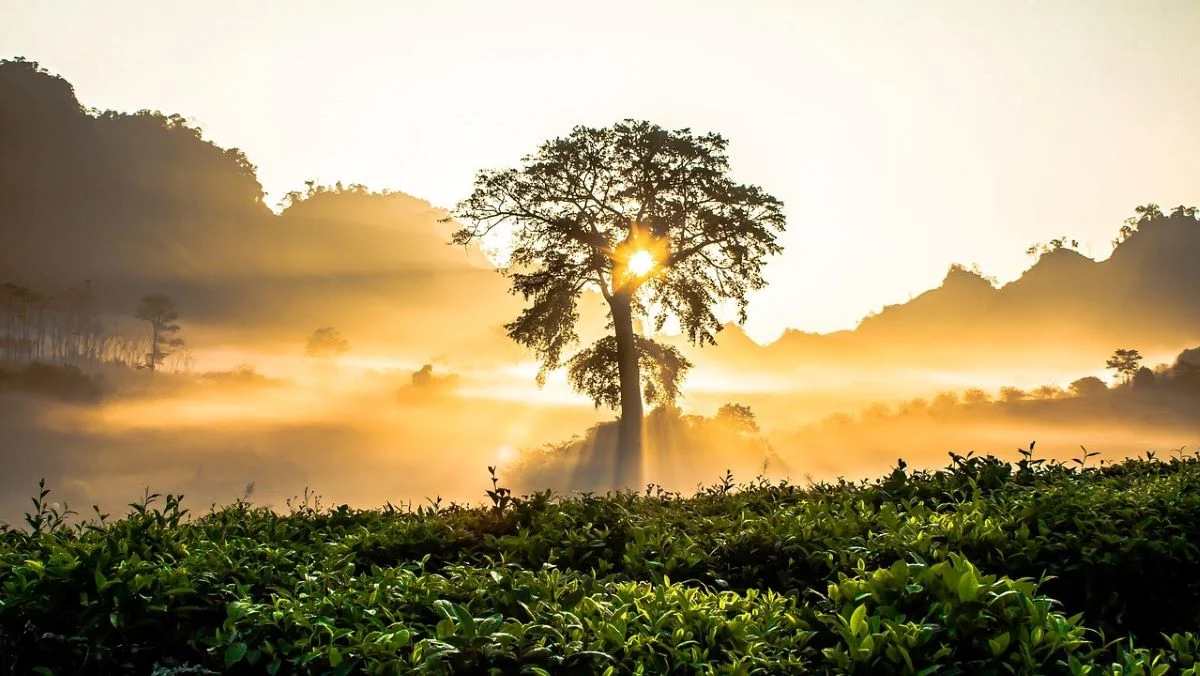
The arrival of National Arbor Day on April 24, 2026, marks a historic turning point for global reforestation efforts as the Arbor Day Foundation celebrates a double milestone: the 50th anniversary of its landmark Tree City USA program and the official launch of the Million Trees Project. This dual celebration comes at a time when the necessity of environmental stewardship has transitioned from a civic ideal to a global imperative. For decades, the fundamental elements of life—clean air, potable water, and a stable climate—were largely viewed as guaranteed constants of the natural world. However, as the 21st century progresses, environmental experts and climate scientists increasingly warn that these luxuries are under unprecedented strain. The Arbor Day Foundation’s latest initiatives aim to address these challenges by mobilizing millions of individuals and thousands of municipalities to re-establish the tree as humanity’s most effective, natural, and scalable solution for planetary restoration.
The 2026 observance of Arbor Day is not merely a ceremonial planting event but a strategic response to the escalating climate crisis. Trees serve as the planet’s original life support system, providing essential services that technology has yet to replicate efficiently. They facilitate the cleansing of the atmosphere by sequestering carbon dioxide, purifying groundwater through complex root systems, and stabilizing soil to prevent erosion. Despite their critical role, global forests are currently facing a multifaceted assault from urban sprawl, industrial deforestation, and the increasing frequency of climate-induced wildfires. The Arbor Day Foundation’s 2026 agenda seeks to reverse this trend by fostering a renewed "civic commitment" to the canopy, emphasizing that trees are no longer a discretionary "nice to have" feature of urban planning but a mandatory "must-have" for a survivable future.
The Evolution of Tree City USA: Five Decades of Urban Forestry
The Tree City USA program, which celebrates its golden anniversary this year, stands as the backbone of American urban forestry. Launched in 1976 during the United States Bicentennial, the program began with a modest cohort of 42 recognized communities. Its mission was simple yet profound: to provide a framework for communities to manage and expand their public trees. To achieve Tree City USA status, a town or city must meet four core standards established by the Arbor Day Foundation and the National Association of State Foresters: maintaining a tree board or department, having a community tree ordinance, spending at least $2 per capita on urban forestry, and celebrating an annual Arbor Day observance.
Over the past 50 years, this program has seen exponential growth, reflecting a shift in how municipalities view their green infrastructure. Today, more than 3,500 cities and towns across all 50 states hold the Tree City USA designation. These communities collectively represent a population of over 155 million people. According to recent data from the Foundation, these member cities plant nearly one million trees annually and invested a record-breaking $2 billion in tree care and planting in the most recent reporting cycle. This sustained investment is a testament to the recognition that healthy urban forests yield significant economic returns, including reduced energy costs through natural shading, increased property values, and decreased expenditures on stormwater management.
The 50-year chronology of the program reveals a steady professionalization of municipal forestry. In the late 1970s and 1980s, the focus was primarily on aesthetic beautification and the replacement of trees lost to Dutch Elm Disease. By the 2000s, the focus shifted toward "ecosystem services"—quantifying the amount of carbon sequestered and the gallons of runoff diverted by the canopy. In 2026, the program is evolving again, focusing on "tree equity" to ensure that low-income neighborhoods, which often suffer from higher temperatures due to a lack of shade, receive a fair share of the environmental and health benefits provided by trees.
The Million Trees Project: A New Era of Global Participation
Coinciding with the Tree City USA anniversary is the launch of the Million Trees Project, an ambitious campaign designed to bridge the gap between institutional forestry and individual action. While the Arbor Day Foundation has facilitated the planting of hundreds of millions of trees since its inception in 1972, this new project focuses on the psychological and cultural connection between humans and nature. The campaign aims to plant one million new trees in a concentrated timeframe while simultaneously assembling the world’s largest digital collection of personal tree stories.
The Million Trees Project is structured around three primary pillars of participation. First, it encourages direct action through physical planting, providing resources and saplings to individuals who have the space to grow their own canopy. Second, for those living in dense urban environments or lacking the time for manual labor, the project offers a "virtual planting" option. Through partnerships with various environmental organizations, individuals can fund the planting of trees in high-need areas, such as regions recovering from wildfires or tropical rainforests facing habitat loss. Third, the project emphasizes the "narrative of the canopy." Participants are invited to share stories of trees that have impacted their lives—whether it be a tree planted in memory of a loved one, a childhood climbing tree, or a community landmark.
This narrative component is backed by social science research suggesting that people are more likely to support long-term conservation efforts when they have a personal, emotional connection to the subject. By humanizing the data of reforestation, the Arbor Day Foundation hopes to create a more resilient and vocal advocacy base for environmental policy.
Supporting Data: The Economic and Environmental ROI of Trees
The push for a million new trees is supported by a wealth of scientific and economic data that underscores the efficiency of reforestation. According to the U.S. Forest Service, a single mature tree can absorb more than 48 pounds of carbon dioxide per year, meaning that the Million Trees Project could potentially sequester 48 million pounds of CO2 annually once the trees reach maturity. Furthermore, trees are a critical component of "green infrastructure." In urban settings, they act as natural air conditioners; the evaporation from a single tree can produce the cooling effect of ten room-size air conditioners operating 20 hours a day.
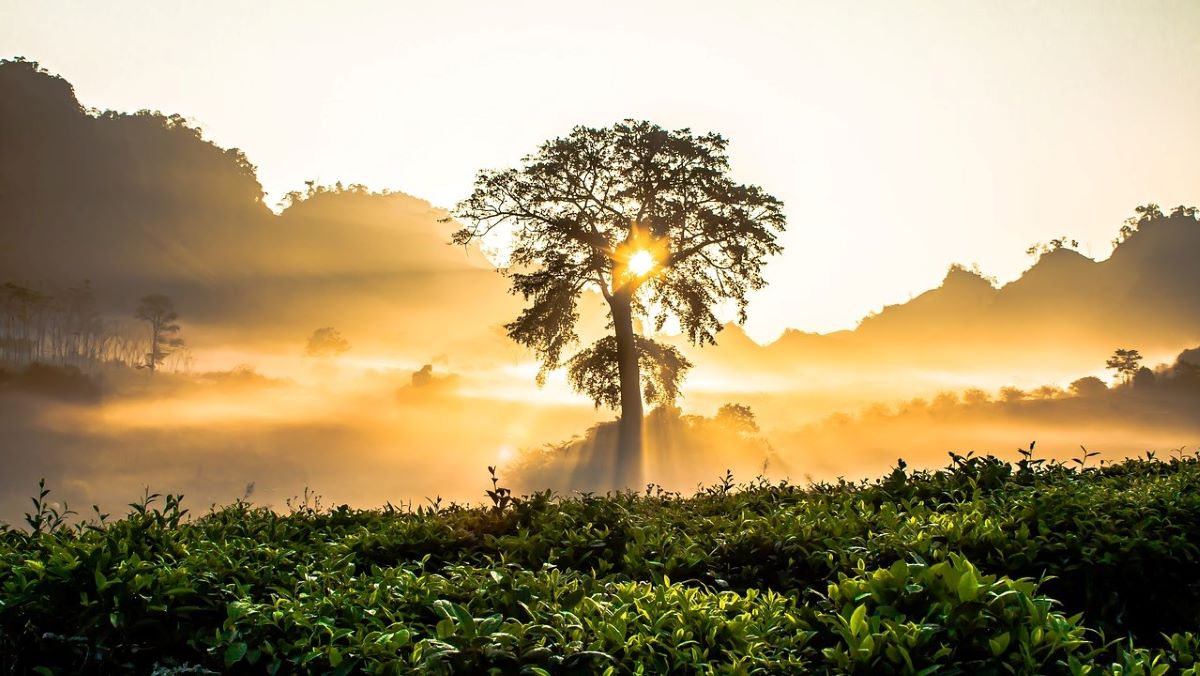
The economic implications are equally staggering. Data from the Environmental Protection Agency (EPA) indicates that strategically placed trees can reduce residential heating and cooling costs by up to 30%. On a municipal level, for every dollar invested in tree planting and care, cities frequently see a return on investment (ROI) ranging from $2 to $5 in terms of air quality improvement, energy savings, and stormwater interception. In the context of the $2 billion invested by Tree City USA communities, this represents a multi-billion dollar boost to the national economy through indirect environmental benefits.
From a public health perspective, the presence of trees has been linked to lower rates of asthma, reduced stress levels, and improved cardiovascular health. A study published in The Lancet suggests that increasing tree canopy cover to 30% in urban areas could prevent thousands of premature deaths associated with rising urban temperatures, known as the "urban heat island effect." These data points form the logical foundation for why the Arbor Day Foundation is prioritizing urban forestry in its 2026 outlook.
Official Responses and Stakeholder Perspectives
Environmental leaders and public officials have voiced strong support for the Foundation’s expanded mission. Dan Lambe, Chief Executive of the Arbor Day Foundation, emphasized that the 2026 milestones represent a "renewal of our vows to the planet." In a statement regarding the 50th anniversary, Lambe noted, "Tree City USA has proven that when you give a community the tools and the framework to value their trees, they will invest in them. The Million Trees Project is the next logical step—taking that local commitment and scaling it to a global level where every individual has a role to play."
State foresters have also highlighted the importance of the program’s longevity. "Fifty years of Tree City USA has created a professional standard for how we manage our natural resources within the built environment," said a representative from the National Association of State Foresters. "It has turned thousands of citizens into advocates and thousands of city employees into stewards of the canopy. As we face more volatile weather patterns, this infrastructure is more important than ever."
Scientists specializing in climate mitigation have reacted to the Million Trees Project with cautious optimism. While noting that tree planting alone cannot solve the climate crisis without a corresponding reduction in fossil fuel emissions, they agree that reforestation is a "critical wedge" in the overall strategy. "Trees are the most cost-effective carbon capture technology we have," noted a senior researcher at a leading environmental think tank. "What the Arbor Day Foundation is doing is mobilizing the social capital necessary to deploy that technology at scale."
Broader Impact and the Path Forward
As the world navigates a period of intense political and cultural fracture, trees represent a rare point of universal agreement. The Arbor Day Foundation points out that the act of planting a tree crosses technology, political, and cultural divides. It is an act of faith in the future—a gesture that benefits the planter less than it benefits the generations that follow.
The broader impact of the 2026 Arbor Day initiatives extends beyond the immediate planting of saplings. It signals a shift toward "restorative ecology," where human activity is focused on repairing the damage done to natural systems rather than just minimizing further harm. The Million Trees Project, by integrating storytelling with physical action, seeks to build a global culture of stewardship that persists long after the holiday ends.
Looking forward, the success of these programs will depend on sustained engagement and the ability to adapt to a changing climate. The types of trees being planted today must be resilient to the temperatures of tomorrow. The Arbor Day Foundation is already working with arborists to identify "climate-ready" species that can thrive in shifting hardiness zones.
Ultimately, the message of Arbor Day 2026 is one of urgent hope. A tree planted today is a promise of cleaner air, cooler cities, and a more stable climate for the future. As the Foundation celebrates 50 years of civic achievement and embarks on its most ambitious project yet, the goal is clear: to ensure that the luxuries of nature—the fresh air, the clean water, and the shade of a canopy—remain available for all, not just for today, but for centuries to come. Together, through the collective action of cities and individuals, the world can move toward a re-balanced planet, one tree at a time.