The landscape of the modern used car market has shifted dramatically over the past decade, moving away from traditional classified ads toward decentralized digital platforms such as Facebook Marketplace. This transition has created a unique ecosystem where rare Japanese Domestic Market (JDM) imports, specialized track machines, and overlooked domestic classics converge. The current selection of enthusiast vehicles available online highlights a growing trend in "rad-era" nostalgia and a burgeoning interest in versatile, high-utility vehicles that defy conventional segment definitions. From the rugged utility of the Mitsubishi Delica to the high-performance engineering of the Lancer Evolution IX wagon, the secondary market currently offers a diverse array of options for collectors and hobbyists alike.
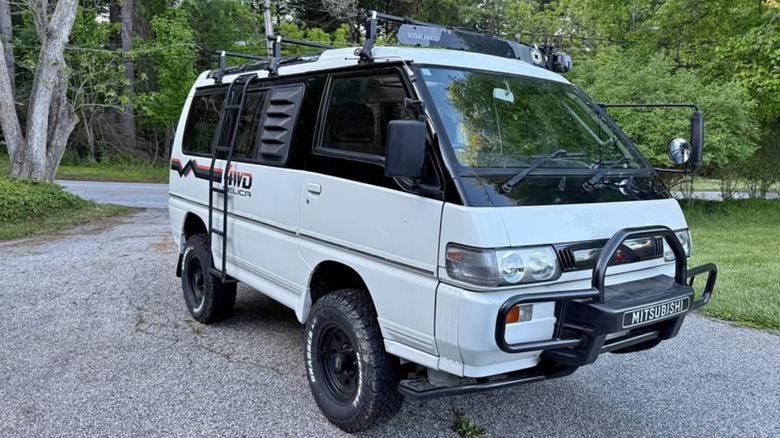
The Rise of JDM Utility: The 1992 Mitsubishi Delica Exceed Crystal Lite
The Mitsubishi Delica, specifically the L300 generation, has become a cornerstone of the North American "Vanlife" movement. This 1992 Exceed Crystal Lite model, priced at $11,000, represents the pinnacle of early-90s adventure van design. Built on a chassis derived from the Mitsubishi Pajero (Montero in North America), the Delica L300 features a legitimate four-wheel-drive system with a low-range transfer case, making it far more capable off-road than contemporary Western minivans.
The "Crystal Lite" designation refers to the expansive glass roof panels, a luxury feature intended to provide panoramic views for passengers. This specific listing features a two-inch lift, a modification that improves ground clearance without significantly compromising the vehicle’s center of gravity. Enthusiasts often perform the "Montero front brake swap," as seen on this unit, to improve stopping power—a necessary upgrade given the vehicle’s high curb weight and the demands of off-road excursions. The Delica’s popularity is bolstered by the 25-year import rule, which allows these previously forbidden JDM icons to be legally registered and driven in the United States.
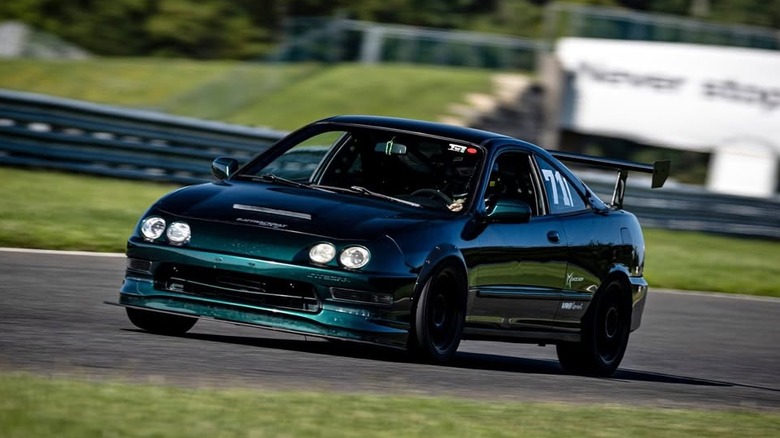
High-Performance Tuning: The 2000 Acura Integra K-Swap
The third-generation Acura Integra remains a benchmark for front-wheel-drive handling. While the Type R is the most coveted variant, the enthusiast community has turned toward "K-swapping" lower-trim chassis to achieve superior performance. This 2000 model, listed at $20,000, utilizes the K-series engine—a powerplant originally found in the RSX and TSX—which offers significantly more torque and tuning potential than the original B-series engines.
This particular build is focused on High-Performance Driver Education (HPDE) and track-day use. It features aggressive aerodynamics, including a large rear wing and front splitter, designed to provide downforce at high speeds. The "period-correct" green paint evokes the tuner culture of the early 2000s, while the mechanical upgrades reflect modern engineering standards. Data from the aftermarket industry suggests that K-swapped Integras often outperform much more expensive modern sports cars on technical circuits due to their favorable power-to-weight ratios and sophisticated double-wishbone suspension.
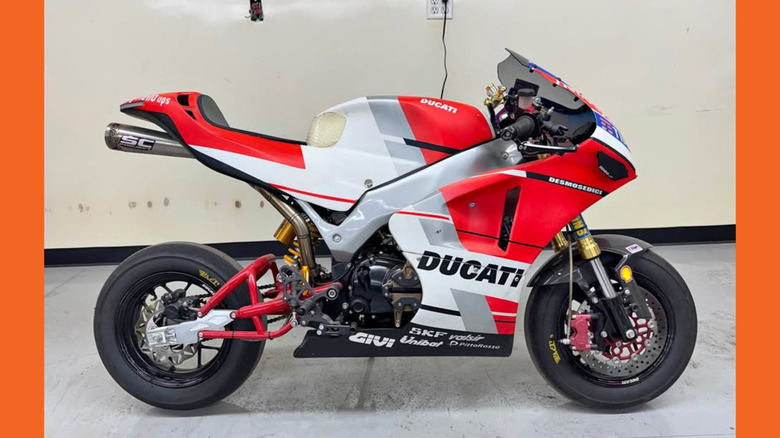
Mini-Moto Culture: The 2015 Honda Grom Custom
The Honda Grom, introduced in 2014, revitalized the small-bore motorcycle market. This 2015 example, priced at $6,000, demonstrates the extreme level of customization prevalent in the mini-moto community. While the Grom is traditionally a budget-friendly commuter, this unit has been transformed into a miniaturized Ducati-liveried race bike.
The modifications are extensive, featuring high-end components such as Öhlins suspension, an SC Project exhaust, and a steering damper. These parts are typically reserved for full-sized superbikes, but their application on a 125cc machine highlights the "just for fun" ethos of the Grom community. Despite the Ducati aesthetics, the underlying reliability of the Honda air-cooled single-cylinder engine remains, making it a unique hybrid of Italian racing style and Japanese mechanical durability.
Long-Distance Touring: The 2010 BMW R1200GS Adventure
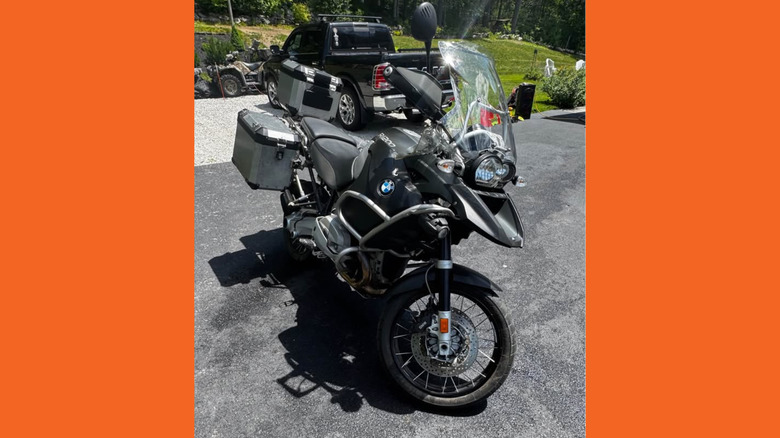
The BMW GS series has defined the adventure touring segment since the 1980s. The 2010 R1200GS Adventure (GSA) listed for $4,800 is a testament to the longevity of the "Oilhead" boxer engine. With 60,000 miles on the odometer, this motorcycle is considered middle-aged by BMW standards, where 100,000-mile examples are common.
This unit is "farkled"—a term used by riders to describe a bike loaded with functional accessories. The inclusion of crash bars, aluminum panniers, and fog lights indicates a machine prepared for transcontinental travel. The R1200GS of this era utilized a 1,170cc engine producing approximately 110 horsepower, paired with a shaft drive system that minimizes maintenance on long trips. For enthusiasts looking to enter the adventure segment, high-mileage GSA models offer a cost-effective entry point into a community that values mechanical robustness and touring capability.
The Evolution of the Crossover: The 1998 Toyota RAV4 Convertible
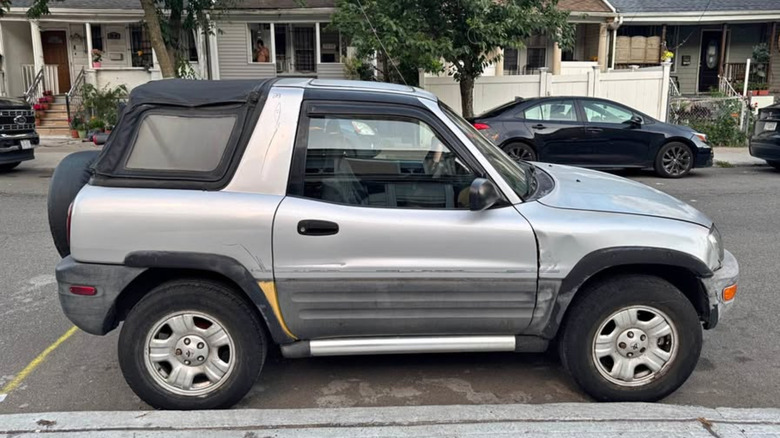
Before the Toyota RAV4 became the best-selling non-pickup vehicle in America, it was an experimental "Recreational Active Vehicle with 4-wheel drive." The first-generation (XA10) RAV4 offered a rare two-door convertible variant, a body style that has largely disappeared from the SUV market. This 1998 model, priced at $4,000, represents a moment in automotive history when manufacturers were still exploring the boundaries of the crossover segment.
Mechanically, the early RAV4 utilized many components from the Toyota Celica, giving it car-like handling characteristics that were revolutionary for an SUV in the 1990s. The convertible version, featuring a folding soft top over the rear seats, was aimed at younger, lifestyle-oriented buyers. Today, these vehicles are sought after for their "Little Guy" charm and mechanical simplicity, as the 3S-FE engine is known for its extreme reliability.
Niche Racing and Street Conversion: The 2004 Howe Late Model
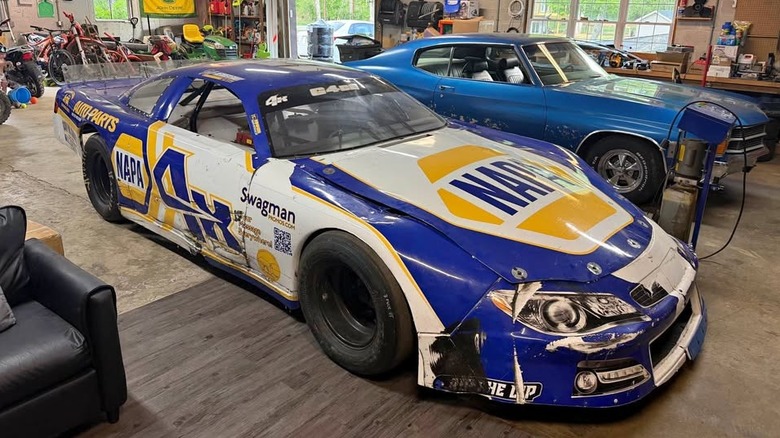
Short-track racing is a staple of American motorsport, and the 2004 Howe Late Model listed for $6,000 is a purpose-built tool for that environment. Howe Racing Enterprises is a legendary name in chassis fabrication, and this car features the classic "wedge" profile and stickered-on headlights common in stock car racing.
Interestingly, the seller notes an attempt to make the vehicle street-legal. While converting a tube-frame race car for road use is a monumental legal and mechanical challenge—requiring the addition of DOT-approved lighting, glass, and safety equipment—it reflects a niche subculture of enthusiasts who desire to drive professional racing machinery on public ways. The NAPA livery adds a layer of nostalgia, connecting the vehicle to the broader history of NASCAR and regional stock car series.
Soviet Engineering in a Post-Soviet Era: The 1997 GAZ 31029 Volga
The GAZ 31029 Volga is a fascinating relic of the Russian automotive industry’s transition period. Introduced in 1992 and produced until 1997, the 31029 was a modernized version of the venerable GAZ-24. This 1997 example, listed for $12,000, is remarkably well-preserved, showcasing an interior that looks virtually unused.
Historically, the Volga was the "Director’s car" of the Soviet Union, reserved for mid-level officials and professionals. By 1997, Russia was transitioning to a market economy, and the Volga faced stiff competition from imported European and Japanese luxury cars. This particular unit’s pristine condition makes it a museum-quality piece of Eastern Bloc history, offering a glimpse into the engineering priorities of a superpower in flux.
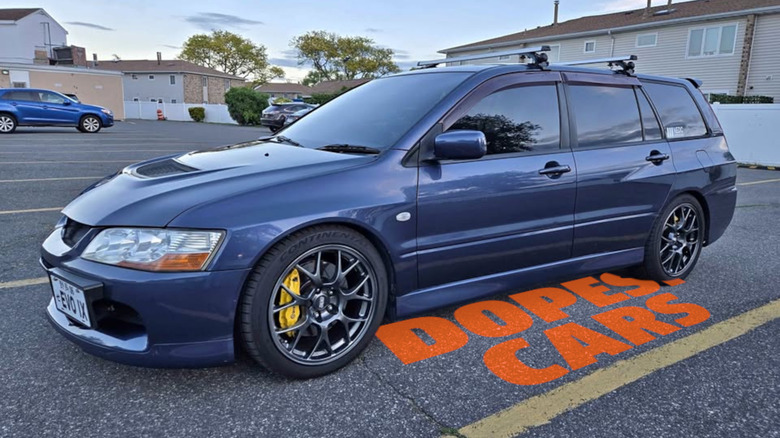
The Holy Grail of Wagons: The 2006 Mitsubishi Lancer Evolution IX Wagon
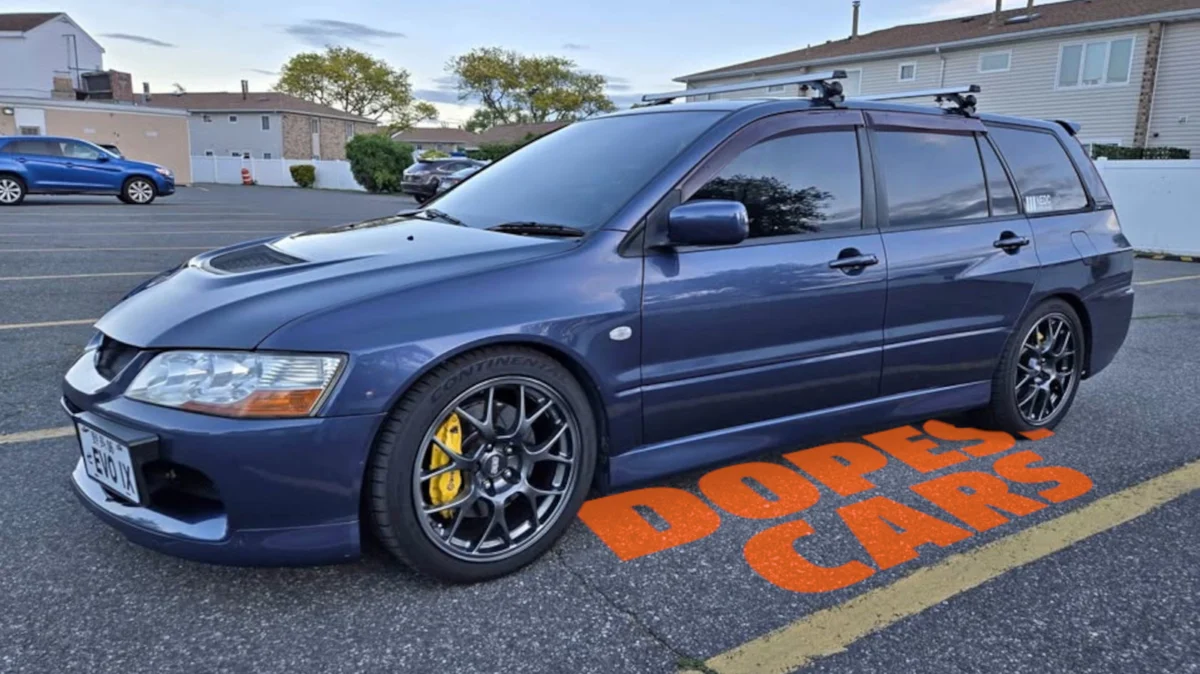
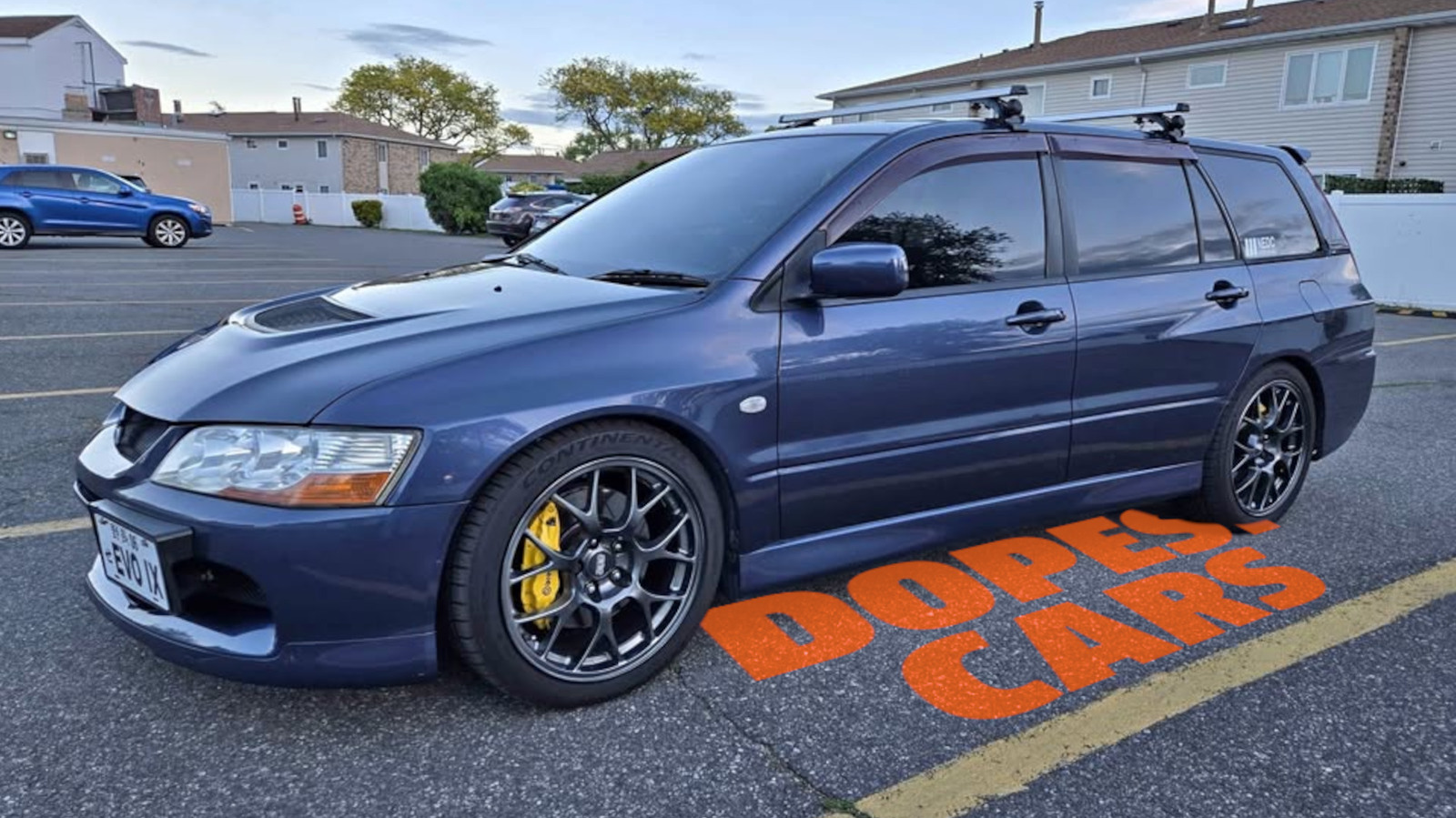
The standout of current online listings is undoubtedly the 2006 Mitsubishi Lancer Evolution IX Wagon. Priced at $50,000, this vehicle is one of only 2,500 produced globally and was never officially sold in the North American market. It represents the perfect intersection of rally-bred performance and station wagon utility.
The Evo IX Wagon features the legendary 4G63T 2.0-liter turbocharged engine equipped with MIVEC (Mitsubishi Innovative Valve timing Electronic Control system). Unlike the automatic-only GT-A version, this is a six-speed manual model, making it one of only approximately 1,250 in existence. The "Deep Blue Pearl" paint is a factory color, and the car retains the Active Center Differential (ACD) that made the Evo IX a dominant force in performance driving. The inclusion of Fortune Auto coilovers and BBS wheels further enhances a vehicle that many consider the ultimate "one-car garage" solution.
Market Implications and Collector Trends
The diversity of these listings points to several broader implications for the automotive market. First, the 25-year import rule continues to flood the US market with high-quality, low-mileage vehicles from Japan and Europe, driving a new wave of enthusiast interest. Second, the rising prices of vehicles like the $50,000 Evo Wagon and the $20,000 Integra suggest that the "Radwood" era (cars from 1980–1999) and early 2000s classics are now firmly established as high-value collectibles.
Furthermore, the popularity of Facebook Marketplace as a platform has democratized the buying and selling of these specialized machines. While traditional auctions like Bring a Trailer cater to the high-end, "concours" crowd, Marketplace remains the primary hub for the "working" enthusiast—those looking for track-day toys, project vans, and unique commuters. As the automotive industry moves toward electrification and increased automation, the demand for these tactile, mechanically engaging, and historically significant vehicles is expected to remain robust. The cars found for sale this week are not just modes of transportation; they are artifacts of specific eras of engineering philosophy and cultural expression.