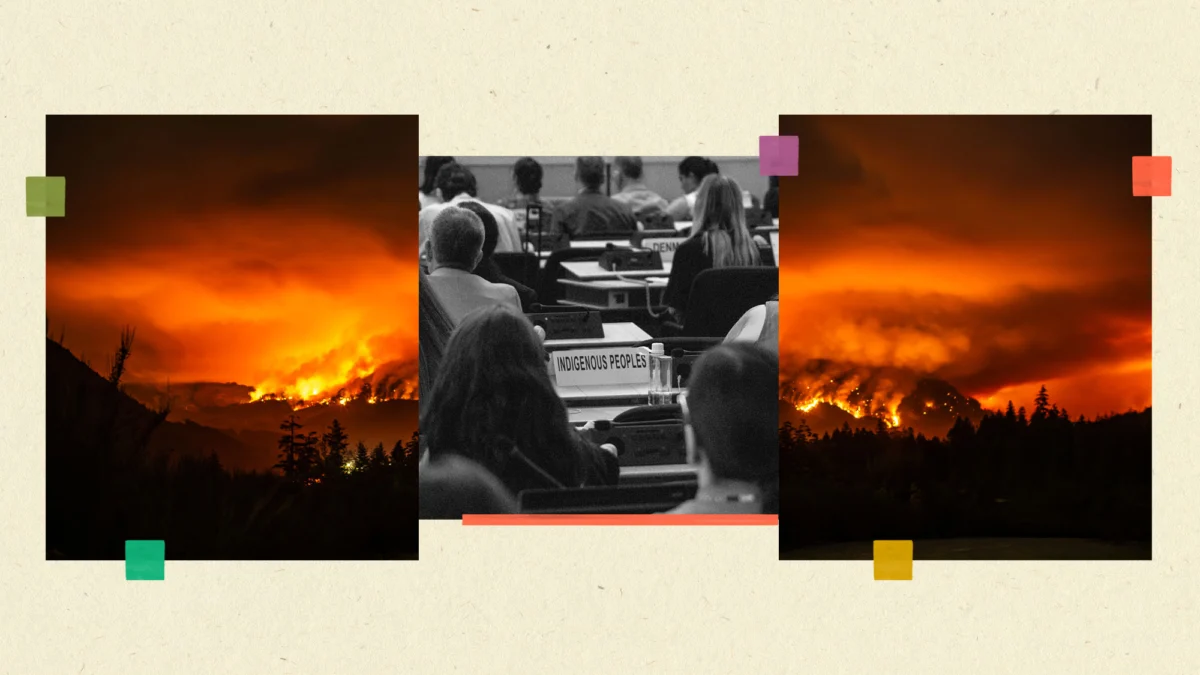
The scale of the wildfire crisis currently unfolding across Canada has reached a catastrophic threshold, with more than 900 active blazes ravaging the landscape and disproportionately impacting Indigenous territories. As of the latest reports, 13 First Nations remain under mandatory evacuation orders, a situation that has displaced 2,182 individuals from their ancestral lands. While the environmental toll is staggering, the humanitarian and political dimensions of the crisis have sparked a national debate over the adequacy of federal emergency responses and the systemic barriers faced by "unrecognized" Indigenous communities during times of extreme climate-driven disasters.
The most harrowing account of the current season emerged from the Namaygoosisagagun (Collins) First Nation, a remote community located approximately 125 miles north of Thunder Bay, Ontario. On Wednesday, a fast-moving wildfire advanced with such unprecedented speed that it effectively destroyed the entire community in less than an hour. With no formal warning from provincial or federal authorities, residents were forced to conduct their own emergency alerts, going door-to-door as flames licked the edges of their properties. The community, which is inaccessible by road, saw more than two dozen of its members flee by boat as their homes and community buildings were overtaken by the inferno. Anishinabek Nation Grand Council Chief Linda Debassige confirmed that while all members are currently accounted for, the physical infrastructure of the community has been decimated.
The Jurisdictional Gap and the Fight for Recognition
The tragedy at Namaygoosisagagun has highlighted a critical and controversial gap in Canada’s emergency management framework. Despite the residents being recognized as First Nations people under the Indian Act, the community of Namaygoosisagagun itself lacks official federal recognition as a "band" or "First Nation" entity. This technicality has led to allegations that the community is being denied the essential emergency, recovery, and reconstruction support typically afforded to recognized First Nations.
Meaghan Daniel, a lawyer representing the Collins First Nation, has formally challenged the federal government’s stance. In a letter addressed to the Indigenous Services Minister, Daniel emphasized that the denial of aid based on administrative status could lead to the permanent dissolution of the community. The letter argues that without access to the same rebuilding funds as recognized nations, Namaygoosisagagun may never recover, losing a homeland occupied since "time immemorial." The situation underscores a broader systemic issue where administrative "technicalities" and "jurisdictional disputes" take precedence over the immediate preservation of life and culture.
In response to the outcry, Eric Head, a spokesperson for Indigenous Services Canada, stated that the agency is currently working to assess the community’s immediate needs. However, for many Indigenous leaders, this response comes too late, following a total lack of advance warning or evacuation support during the height of the fire’s advancement.
A National Overview of the 2024 Wildfire Season
The current wildfire data provides a grim perspective on the national situation. Of the 903 fires burning as of Friday, 750 are classified as "out of control." The intensity of the season is underscored by the fact that 43 of these fires ignited within a single 24-hour period. While the fires are a nationwide phenomenon, the province of Ontario has become the epicenter of the current surge.
In Ontario alone, 193 fires are burning, seven of which have forced the total evacuation of First Nations. The Chiefs of Ontario have reported that several communities, including Whitesand First Nation, Kiashke Zaaging Anishinaabek, and Animbiigoo Zaagi’igan Anishinaabek, were cleared under mandatory orders. These evacuations were supported by the Ontario Provincial Police, yet the process has been described by local leadership as fraught with bureaucratic hurdles.
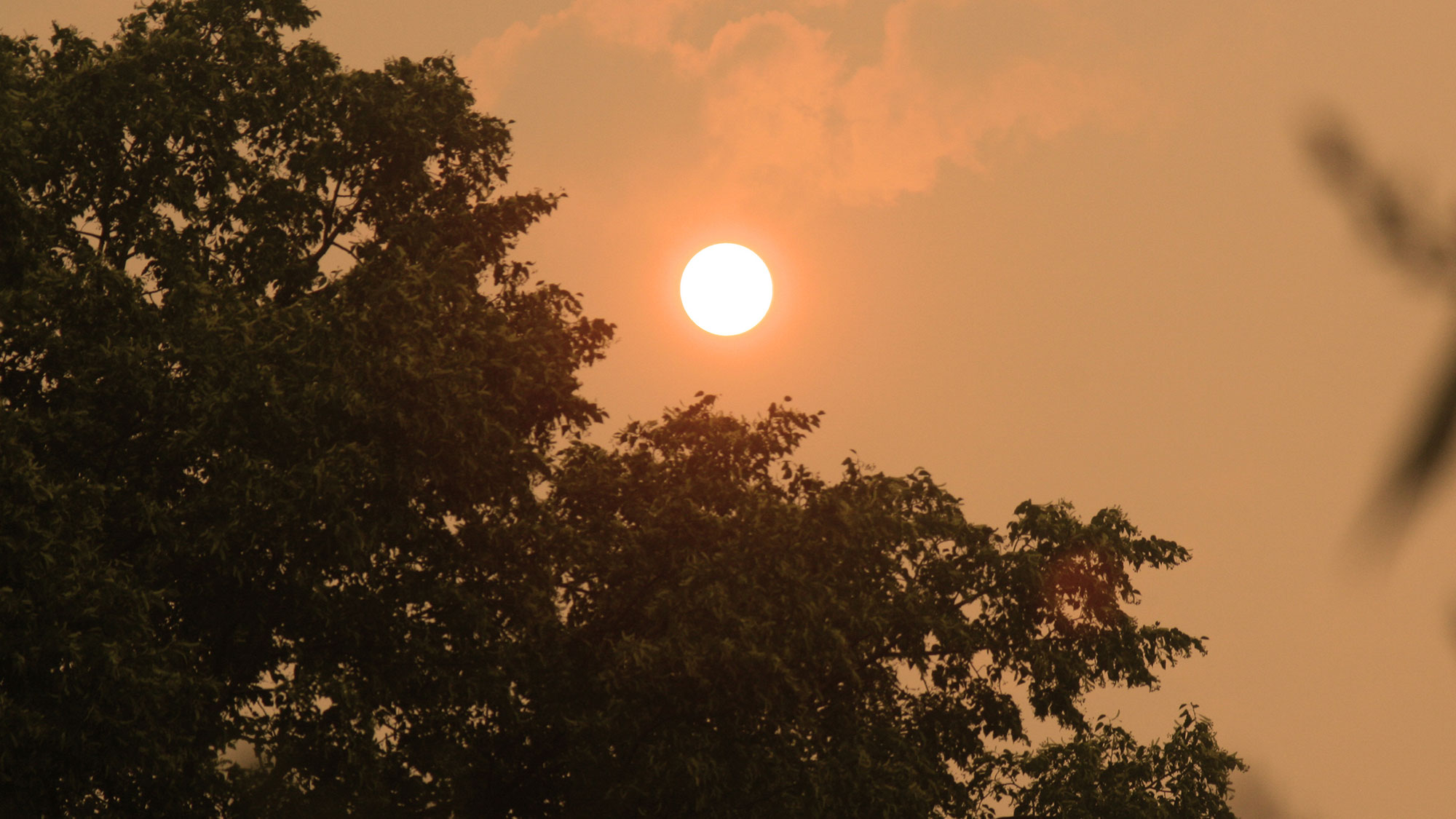
The broader impact extends beyond Indigenous communities. Dozens of non-Indigenous municipalities across Ontario have also been placed under evacuation orders as smoke and flames encroach on populated areas. The density of the smoke has triggered air quality alerts across much of Central Canada and parts of the Northern United States, highlighting the transboundary nature of the crisis.
Chronology of the Escalation
The 2024 wildfire season follows a historical trend of increasing fire intensity in the Canadian boreal forest, often attributed to prolonged periods of drought and record-breaking temperatures.
- Early Spring: Abnormally low snowpack and early snowmelt left forest floors dry and highly flammable.
- Early July: A series of lightning storms, combined with a persistent heat dome over Western and Central Canada, led to a surge in new ignitions.
- Mid-July: The fire near Namaygoosisagagun intensified rapidly due to high winds. On Wednesday, the community was overtaken in less than 60 minutes.
- Thursday: The Assembly of First Nations (AFN), meeting in Ottawa for their national assembly, passed emergency resolutions to provide immediate support to impacted nations and called for a more robust federal intervention.
- Friday: National fire counts surpassed 900, with over 2,000 First Nations members remaining in temporary shelters or with host families.
Political and Institutional Reactions
The response from Indigenous leadership has been one of both mourning and fierce advocacy. Ontario Regional Chief Abram Benedict expressed profound frustration during an emergency meeting on Wednesday, citing "bureaucratic processes" that hinder the speed of emergency responses. Benedict argued that the priority should be the safety of people rather than "financial discussions and technicalities." He noted that while community members and emergency responders are working tirelessly on the front lines, they are often doing so with limited support from higher levels of government.
The Anishinabek Nation has called for a period of privacy and prayer for the citizens of Namaygoosisagagun, emphasizing the "unprecedented loss" of an entire community’s physical footprint. The sentiment across the AFN is that the current system for declaring states of emergency is too slow and lacks the necessary communication channels to protect remote, roadless communities.
The federal government’s role, primarily through Indigenous Services Canada (ISC) and Public Safety Canada, is now under intense scrutiny. Critics point out that while Canada has spent billions on wildfire suppression, the investment in "fire-smarting" Indigenous communities and establishing reliable communication infrastructure in remote regions remains insufficient.
Analysis of Long-term Implications
The destruction of Namaygoosisagagun is not merely an infrastructure loss; it is a cultural and existential threat. For remote First Nations, the "community" is the repository of language, tradition, and connection to the land. When a community is forced to disperse to urban centers like Thunder Bay or Winnipeg due to a lack of rebuilding funds, the social fabric of the Nation is at risk of permanent unravelling.
Furthermore, the "recognition" issue faced by Collins First Nation sets a dangerous precedent. As climate change increases the frequency and severity of wildfires, more communities—both recognized and unrecognized—will find themselves in the path of destruction. If federal aid is contingent upon 19th-century administrative definitions under the Indian Act, the most vulnerable populations will continue to be left behind during climate-driven catastrophes.
The environmental implications are equally dire. The boreal forest acts as a significant carbon sink; however, fires of this magnitude release vast amounts of stored carbon back into the atmosphere, contributing to a feedback loop that further accelerates global warming. For First Nations, the loss of forest also means the loss of traditional hunting and fishing grounds, impacting food security and economic self-sufficiency for years to come.
Conclusion
The 2024 wildfire season has laid bare the intersection of climate change and systemic inequality in Canada. While the immediate focus remains on containing the 750 out-of-control fires and ensuring the safety of the 2,182 evacuees, the long-term recovery will require a fundamental shift in how the Canadian government interacts with Indigenous Nations during crises.
The tragedy of Namaygoosisagagun serves as a wake-up call. The demand for "emergency, recovery, and reconstruction support" is no longer just a request for aid; it is a demand for justice and the recognition of the inherent right of Indigenous peoples to remain on their lands. As the Assembly of First Nations continues to push for federal accountability, the survivors of Namaygoosisagagun wait to see if their "future in the place they have called home since time immemorial" will be protected or if it will be lost to the ashes of a bureaucratic oversight.