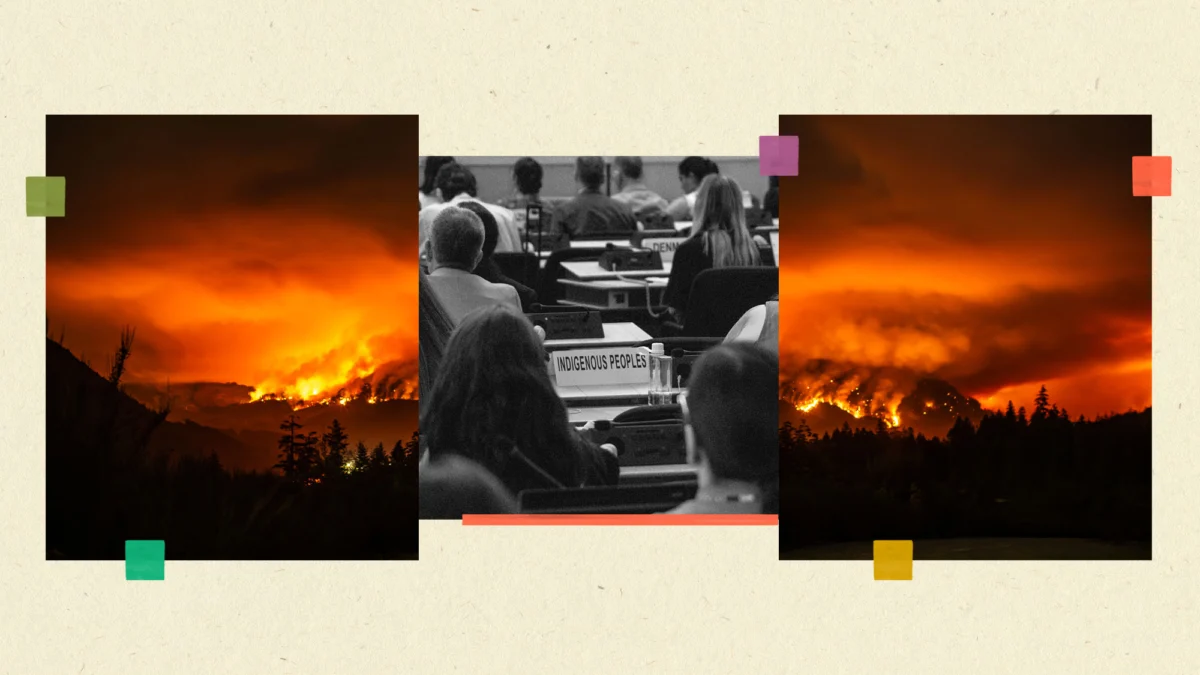
As more than 900 wildfires continue to incinerate vast swaths of the Canadian wilderness, the human and cultural toll on Indigenous communities has reached a critical threshold. According to the latest figures from the Canadian Interagency Forest Fire Centre, 13 First Nations currently remain under mandatory evacuation orders, a directive that has displaced 2,182 residents from their ancestral lands. The crisis has laid bare significant gaps in emergency communication and highlighted a contentious jurisdictional divide that has left at least one community, the Namaygoosisagagun (Collins) First Nation, struggling to access the federal resources necessary for survival and reconstruction.
The scale of the disaster is unprecedented in its speed and geographical reach. Of the 903 fires active as of late Friday, a staggering 750 are classified as "out of control," with 43 new blazes igniting within a single 24-hour window. While the fires span the continent, the province of Ontario has emerged as a primary flashpoint. Currently, 193 fires are burning across the province, forcing seven First Nations to flee. Among those most severely impacted are the communities of Whitesand First Nation, Kiashke Zaaging Anishinaabek, and Animbiigoo Zaagi’igan Anishinaabek, all of which have been cleared under mandatory orders supported by the Ontario Provincial Police.
The Destruction of Namaygoosisagagun
The most harrowing account of the current wildfire season comes from the Namaygoosisagagun First Nation, located approximately 125 miles north of Thunder Bay. On Wednesday, a fast-moving and "unexpected" blaze advanced on the settlement with such velocity that the community was largely destroyed in less than 60 minutes. Because the community is inaccessible by road, the evacuation was a desperate, self-organized effort. Residents reported having only minutes to gather essential belongings before the flames overtook their homes and community buildings.
In the absence of a formal provincial or federal alert, community members took it upon themselves to go door-to-door, alerting neighbors to the approaching wall of fire. More than two dozen residents were forced to flee by boat, watching from the water as their community was consumed. Anishinabek Nation Grand Council Chief Linda Debassige confirmed that while the physical destruction is near-total, all community members have been accounted for, pending a final assessment.
"It is with heartfelt sadness that I share that our member First Nation, Namaygoosisagagun First Nation, has been devastated," Debassige stated. "The wildfire caused extensive damage and destruction to homes and community buildings, leaving a wake of loss that will take years to rectify."
Jurisdictional Barriers and the Recognition Crisis
The tragedy at Namaygoosisagagun has evolved from a natural disaster into a political and legal firestorm. Despite the immediate need for emergency relief, the community has reportedly been denied standard federal assistance. The crux of the issue lies in a bureaucratic technicality: while the residents are recognized as First Nations people under the Indian Act, the federal government does not officially recognize the community of Namaygoosisagagun itself as a "First Nation" entity.
This lack of formal status has created a barrier to the "emergency, recovery, and reconstruction support" typically afforded to recognized bands. Meaghan Daniel, a lawyer representing the community, has formally challenged Indigenous Services Canada, calling on Minister Mandy Gull-Masty to bypass these technicalities. In a letter to the ministry, Daniel emphasized that the very future of the community hangs in the balance.
"To be clear, if Namaygoosisagagun is denied access to the emergency and rebuilding supports available to recognized First Nations, it will not simply suffer a slower recovery," Daniel wrote. "It may lose forever the opportunity to rebuild the community its members spent decades creating. The question is not merely whether recovery will be delayed. It is whether Namaygoosisagagun will have a future in the place it has called home since time immemorial."
In response to these allegations, Eric Head, a spokesperson for Indigenous Services Canada, stated that efforts are currently underway to determine the community’s immediate needs. However, the delay has already fueled resentment among Indigenous leaders who argue that life-saving aid should never be contingent on administrative status.
A National Emergency: Statistical Overview and Chronology
The 2024 wildfire season follows a record-breaking 2023, and the data suggests that the intensity of these fires is becoming the new normal for the Canadian boreal forest.
- Total Active Fires: 903
- Out of Control: 750 (83% of all active fires)
- New Ignitions: 43 in the last 24 hours
- Total Displaced (First Nations): 2,182 people
- Provincial Focus: Ontario (193 fires), with significant activity in British Columbia and Alberta.
The chronology of the past week illustrates a rapidly deteriorating situation. On Monday, several small plumes were detected in Northern Ontario. By Tuesday, dry conditions and high winds caused these plumes to merge into massive fire complexes. On Wednesday, the fire reached Namaygoosisagagun, prompting the emergency boat evacuation. By Thursday, the Assembly of First Nations (AFN) convened an emergency session in Ottawa, passing resolutions to provide immediate support and demanding a more robust federal response.
Frustration Among Ontario Chiefs
The bureaucratic friction experienced by Namaygoosisagagun is not an isolated incident. During an emergency meeting on Wednesday, the Chiefs of Ontario expressed collective frustration with the "administrative delays" and "jurisdictional disputes" that have hampered the evacuation of several other communities.
Ontario Regional Chief Abram Benedict highlighted a critical lack of communication from government officials regarding the specific protocols for declaring a state of emergency. He noted that while leadership is focused on saving lives, they are often bogged down by "financial discussions and technicalities" imposed by provincial and federal agencies.
"Jurisdictional disputes and administrative delays have immediate consequences and put lives at risk," Benedict said. "The priority of our leadership is to get people out as quickly and safely as possible. This needs to be everyone’s priority."
Benedict also pointed out that Indigenous communities are on the "front lines of a catastrophe" that has international implications, referring to the smoke plumes that have affected air quality as far south as the United States. He praised the resilience of community members and emergency responders who have stepped in where government systems have failed.
Analysis: The Implications of Remote Vulnerability
The crisis in Northern Ontario underscores a broader vulnerability for remote, fly-in, or boat-in communities across Canada. These settlements often lack the infrastructure required for rapid large-scale evacuations, such as paved roads or high-capacity airfields. When a fire moves with the speed seen in the Namaygoosisagagun incident, the margin for error is non-existent.
Furthermore, the "recognition" issue faced by Namaygoosisagagun highlights a systemic flaw in how Canada manages its fiduciary responsibilities to Indigenous peoples. The Indian Act, a piece of colonial-era legislation, continues to dictate who receives aid based on 19th-century definitions of "bands" and "reserves." In a modern context, where climate change is accelerating the frequency and intensity of natural disasters, these rigid definitions can become lethal.
Legal analysts suggest that this event may lead to a landmark challenge regarding the federal government’s duty to provide emergency services to all Indigenous settlements, regardless of their status under the Indian Act. If the government fails to provide reconstruction aid, it could be viewed as a "de facto" forced relocation of an entire community, which carries significant human rights implications.
The Path Forward and National Response
In Ottawa, the Assembly of First Nations has called for a fundamental overhaul of how wildfire response is coordinated with Indigenous leadership. The emergency resolutions passed this week demand not only immediate funding for those displaced by the 903 active fires but also long-term investments in Indigenous-led fire management and early warning systems.
The Anishinabek Nation has called for a period of mourning and privacy for the citizens of Namaygoosisagagun as they process the loss of their homes. "We ask that you please keep Chief Paavola and the citizens of Namaygoosisagagun First Nation in your prayers," the Nation said in a statement. "Our Anishinabek Nation family will be with you."
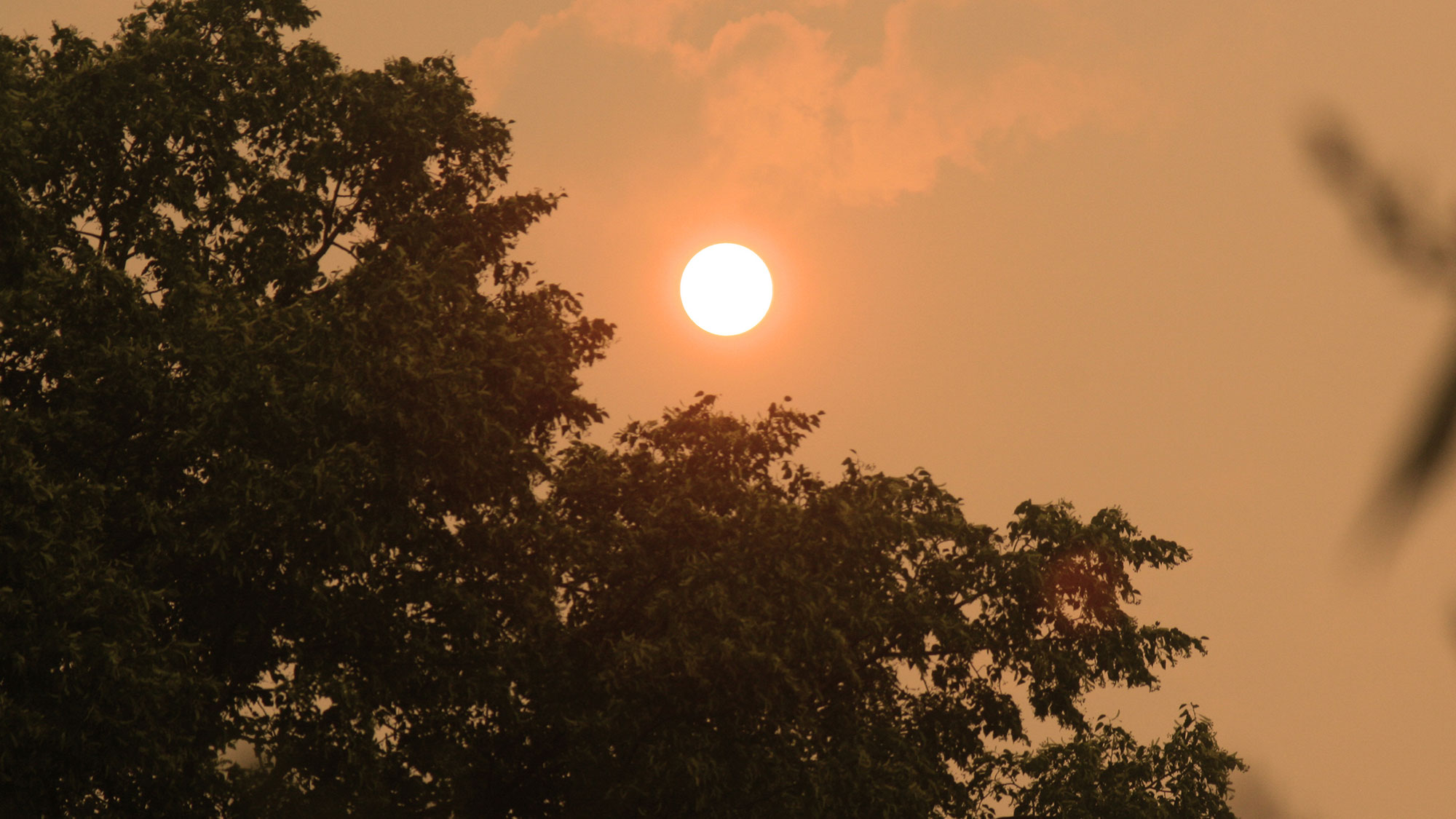
As the smoke continues to rise over the northern horizon, the immediate focus remains on the 750 out-of-control fires. However, once the flames are extinguished, the Canadian government will face a reckoning over its failure to protect its most vulnerable citizens and the bureaucratic hurdles that left a community to face a firestorm alone. The recovery of Namaygoosisagagun will be a litmus test for the federal government’s commitment to reconciliation and its ability to adapt to the escalating realities of a warming planet.