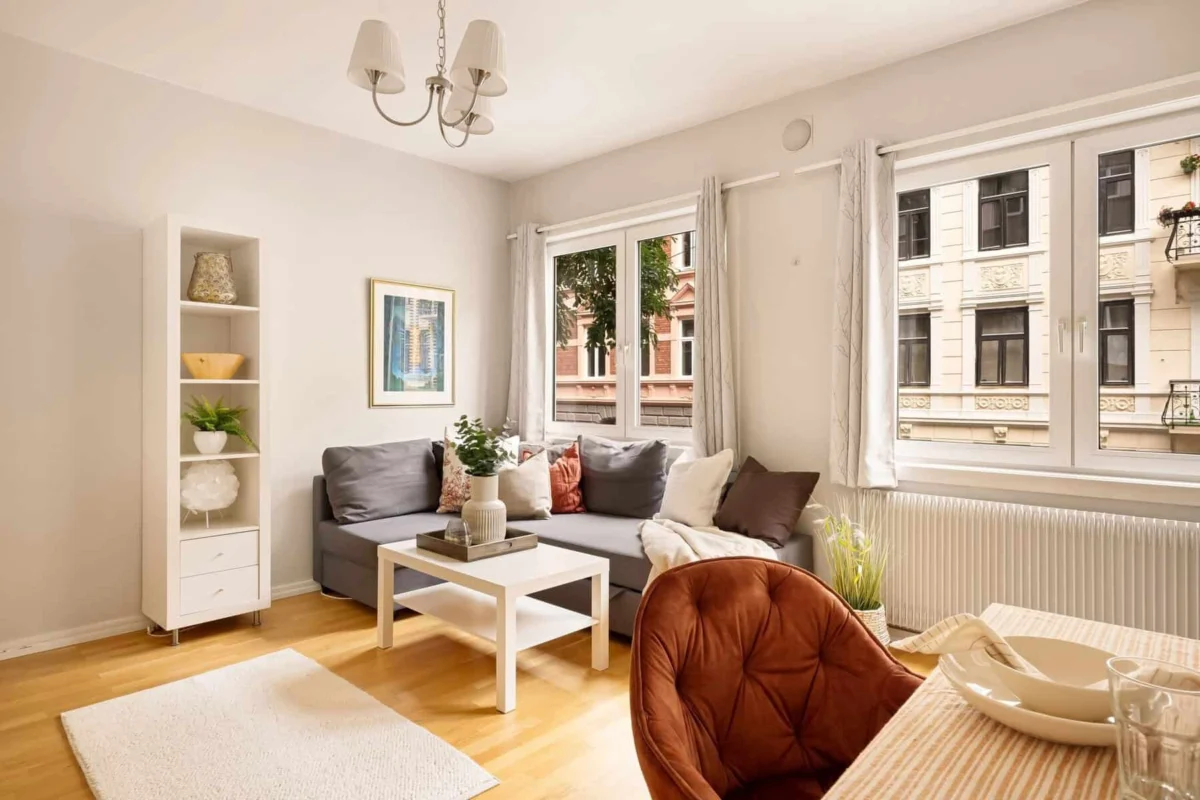
The traditional real estate landscape has undergone a radical transformation over the last decade, shifting from a process driven by physical curb appeal to one dominated by digital first impressions. In an era where the vast majority of prospective buyers begin their search on mobile applications and desktop browsers, the visual presentation of a home has become the primary factor in determining whether a property receives an in-person tour or is dismissed with a simple swipe. Industry experts now warn that even minor staging errors can lead to significant financial losses, as modern buyers often conflate the quality of a home’s presentation with the intrinsic value and maintenance of the property itself.
The Shift to Digital-First Real Estate Dynamics
According to recent data from the National Association of Realtors (NAR), 47% of buyers’ agents reported that home staging had a positive effect on most buyers’ view of the home, while 82% of buyers’ agents said staging made it easier for a buyer to visualize the property as a future home. This shift is particularly evident in high-stakes markets like San Diego, California, and Brooklyn, New York, where inventory levels and price points demand a sophisticated approach to marketing.
The evolution of the industry suggests a clear chronology for successful sales. It begins weeks before a listing goes live, starting with a critical assessment of the home’s current state, followed by a strategic decluttering phase, and culminating in professional photography. Experts argue that the photography session is no longer just a marketing tool; it is the "first showing" of the home. When sellers fail to recognize this, they risk their property languishing on the market, eventually leading to price reductions that far exceed the cost of professional staging.
Targeting the Demographic: Moving Beyond Personal Aesthetics
A foundational error in the staging process is the tendency for sellers to decorate according to their personal preferences rather than the lifestyle of the target demographic. Effective staging is a psychological exercise designed to help a specific buyer profile envision their future within the walls of the property.
Bryan Bittner, Founder and CEO of Virtual Staging Solutions, emphasizes that "nice" is not a specific enough goal for a successful sale. According to Bittner, the most common mistake is decorating for a generic ideal rather than designing each room around the buyer that local market data identifies as the most likely purchaser. For instance, in an urban Brooklyn townhome, a spare room might be more effectively staged as a sophisticated home office or a nursery, reflecting the professional or growing-family demographics common to the area. Conversely, a suburban home in a retirement-friendly community might benefit from a layout that emphasizes leisure and accessibility.
This data-driven approach is supported by the rise of virtual staging, which allows sellers to digitally "test" different layouts. This technology has become an essential tool for vacant homes, which often appear smaller and colder in photos than they do in person. By digitally inserting furniture that matches the taste of the local target audience, sellers can bridge the gap between a blank canvas and a relatable living space.
The Conflict Between Architectural Photography and Buyer Flow
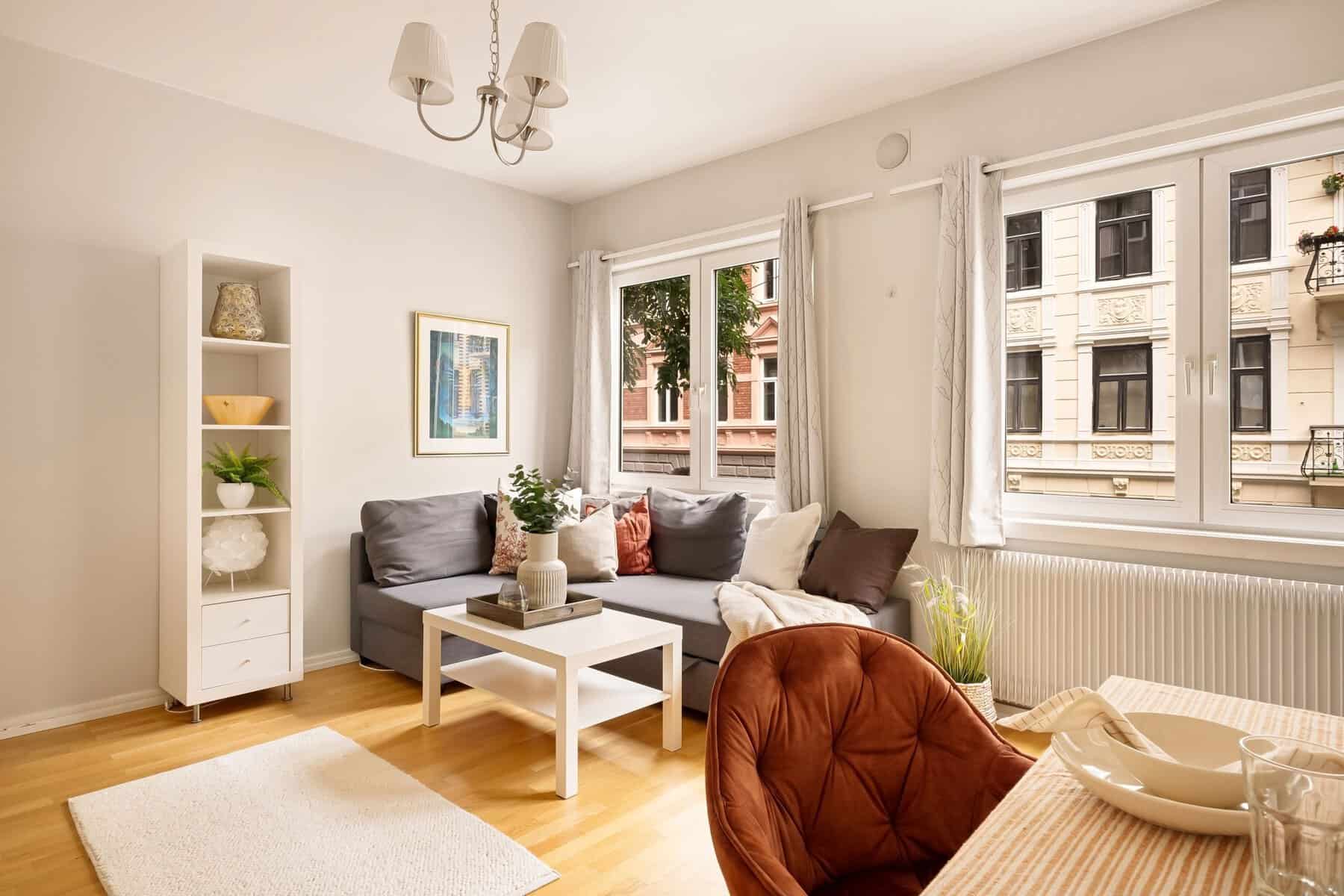
While high-quality photography is essential, a growing trend of "staging for the lens" has created a secondary set of problems. Paul Maynard, owner of Colorful Virtual Tours in Denver, Colorado, has observed a disconnect between layouts that look good in a two-dimensional photo and those that function well during a physical walkthrough.
Maynard notes that arranging furniture solely for an architectural-style photoshoot can inadvertently shrink the perceived size of a room. Common mistakes include pulling furniture too far from walls or clustering items in the center of a room to create a "composed" shot. While these techniques might create a striking image, they often obstruct the natural flow of the home. When a buyer visits the property in person, they may find the layout awkward or cramped, leading to a sense of disappointment—a phenomenon often referred to in the industry as "listing catfishing." The goal, therefore, is to create clear pathways that communicate the home’s functionality both online and in person.
Overcoming "House Blindness" and the Clutter Threshold
One of the most difficult obstacles for sellers to overcome is a psychological phenomenon known as "house blindness." Jennie Edgerton, a professional photographer at MLS Images, explains that homeowners become immune to the clutter and idiosyncrasies of their own living spaces over time. Objects that have been in the same place for years—such as tangled power cords, overflowing bookshelves, or mismatched kitchen appliances—become invisible to the resident but stand out as "red flags" to a buyer.
To combat this, experts suggest a rigorous "reset" of the home’s interior. Edgerton recommends that sellers view their homes through a camera lens before the official photographer arrives. Taking photos on a smartphone can reveal distracting elements that the naked eye ignores. The data suggests that clean, clear surfaces are not just about aesthetics; they signal to the buyer that the home is well-maintained and that there is ample storage space.
The Mathematical Reality of Furniture Volume
A prevalent myth in real estate is that a fully furnished room feels larger and more "complete" than a sparsely furnished one. However, professional stagers frequently find that most homes contain twice the amount of furniture necessary to showcase the space effectively.
Large sectionals, heavy coffee tables, and unnecessary accent chairs can visually "choke" a room. Edgerton suggests a minimalist approach:
- Removing extra leaves from dining tables to create more floor space.
- Replacing large, dark area rugs with smaller, lighter-toned versions to brighten the room.
- Thinning out bookshelves so that they are only 50% to 60% full.
- Storing oversized furniture pieces off-site to open up sightlines.
These adjustments are particularly critical in smaller markets or urban condos where every square foot carries a high price tag. By reducing the furniture volume, sellers allow the "bones" of the house to speak for themselves.
Professional Staging: Investment vs. Expense
A significant point of contention for many sellers is the upfront cost of professional staging. Brad Fletcher, owner of Home Staging Pros of Orlando, argues that homeowners often view staging as an optional expense rather than a strategic investment. "Most buyers aren’t naturally able to visualize how an empty room can function," Fletcher states.
Market analysis consistently shows that staged homes sell faster and often for higher prices than non-staged homes. In a cooling market or a high-interest-rate environment, where buyers are more discerning, the "emotional connection" fostered by staging can be the deciding factor. For vacant properties, the investment is even more critical. An empty room lacks a sense of scale; buyers often struggle to determine if a king-sized bed will fit in a master suite or if a dining area can accommodate a family of six. Staging provides the "spatial logic" necessary for a buyer to make a confident offer.
The Delicate Balance of Decluttering
While removing excess items is vital, there is a risk of "over-decluttering," which can leave a home feeling sterile and uninviting. Susan Atwell of AtWell Staged Home notes that real estate transactions are driven by emotion and justified by logic. If a home is stripped of all personality, it can feel "abandoned" or "cold."
The objective is to achieve a "model home" aesthetic—clean and depersonalized, yet warm and aspirational. This involves leaving behind a few high-quality "lifestyle cues," such as a single high-end cookbook on a kitchen counter, a set of plush white towels in the bathroom, or a well-placed piece of neutral artwork. These elements suggest a lifestyle of comfort and order without the distraction of the current owner’s personal history.
Strategic Room Definition and Final Implications
Finally, the modern buyer values clarity of purpose. In the wake of the remote-work revolution, many homeowners have converted rooms into "flex spaces" that serve as offices, gyms, and guest rooms simultaneously. Susan Atwell warns that this can confuse buyers. A room with too many identities often feels like a room that doesn’t work for any single purpose.
By defining a clear use for every space—even if that use is different from how the seller currently lives—the homeowner removes the "mental work" for the buyer. If the target market is young professionals, a flex space should be staged as a dedicated, high-functioning office. If the market is families, it should be a bedroom or a playroom.
As the real estate market continues to evolve toward a more visual, data-driven model, the importance of avoiding these staging pitfalls cannot be overstated. Effective staging is no longer about "decorating"; it is a sophisticated marketing strategy that balances psychology, spatial awareness, and digital optimization. For sellers in a competitive landscape, the difference between a quick, over-asking sale and a stagnant listing often comes down to the small, strategic details of how the home is presented to the world.