China Flexes Military Muscle with East Asian Naval Activity, Sources Say
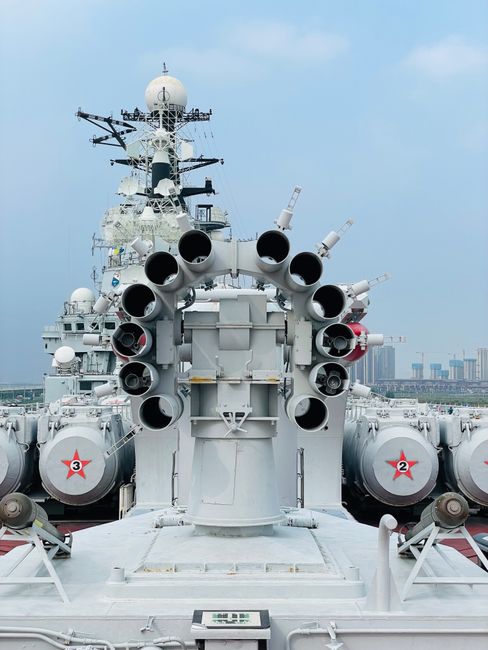
Recent weeks have witnessed a significant escalation in Chinese naval activity across the East Asian maritime domain, prompting widespread concern among regional powers and international observers. Reports from various defense ministries and intelligence agencies detail a sustained and multifaceted presence of the People’s Liberation Army Navy (PLAN) in strategically vital waterways, including the Taiwan Strait, the East China Sea, and the South China Sea. This heightened operational tempo is not merely routine exercises; it signifies a deliberate projection of military power and a clear message regarding China’s expanding geopolitical ambitions. The sheer scale and sophistication of these deployments, involving a diverse array of modern warships, aircraft, and support vessels, underscore a profound shift in the regional security landscape.
The Taiwan Strait, a perennial flashpoint, has been the epicenter of much of this increased Chinese naval activity. The PLAN has consistently conducted large-scale exercises involving carrier strike groups, amphibious assault ships, and numerous destroyers and frigates in close proximity to Taiwan. These drills are not only designed to hone operational capabilities but also serve as a direct signaling mechanism to Taipei and its international allies, particularly the United States. The presence of Chinese naval assets, including aircraft carriers like the Liaoning and Shandong, operating within what Taiwan considers its contiguous zone, has become a regular occurrence. Furthermore, reports indicate an increase in simulated blockade scenarios and amphibious landing drills, explicitly designed to rehearse the complex logistics and tactics required for a potential invasion of Taiwan. These exercises often involve coordinated air-sea operations, demonstrating the PLAN’s growing ability to project power far beyond its immediate shores. The implication is clear: China is not only preparing for but actively demonstrating its readiness to pursue reunification with Taiwan by force, should it deem necessary. This assertive posture directly challenges the long-standing status quo and significantly elevates the risk of miscalculation and escalation in the region.
Beyond the Taiwan Strait, the East China Sea has also become a focal point of Chinese naval assertiveness. The PLAN has intensified its patrols and exercises in waters contested with Japan, particularly around the Senkaku/Diaoyu Islands. These islands, administered by Japan but claimed by China, have been the subject of repeated incursions by Chinese coast guard vessels and, increasingly, by PLAN warships. The presence of PLAN destroyers and frigates operating in close proximity to Japanese territorial waters, often accompanied by maritime patrol aircraft, is a deliberate provocation. These actions aim to assert China’s territorial claims, gradually erode Japanese sovereignty, and test the resolve of the Japan-U.S. security alliance. The frequency of these incursions has led to a significant increase in Japanese Self-Defense Forces’ operational tempo, with naval and air assets constantly on alert. The sophisticated nature of the Chinese deployments, including the utilization of advanced electronic warfare capabilities and anti-ship missile systems, further amplifies regional anxieties. The implicit message is that China is willing to contest established maritime boundaries and challenge any nation that stands in the way of its territorial ambitions in this strategically crucial sea lane.
The South China Sea, another arena of intense geopolitical competition, has also seen a sustained and aggressive expansion of Chinese naval power. The PLAN’s presence in this region is characterized by its continued militarization of artificial islands, the establishment of significant naval facilities, and the regular deployment of its most advanced warships. Sources report an increase in joint naval exercises involving multiple PLAN fleets, simulating complex operational scenarios such as anti-submarine warfare and air defense. The PLAN’s aircraft carriers, along with their escort fleets, regularly conduct exercises within the disputed waters, further solidifying China’s de facto control over large swathes of the South China Sea. This assertive naval posture is not only aimed at deterring competing claims from Southeast Asian nations but also at challenging the freedom of navigation principles upheld by the United States and its allies. The PLAN’s increasing operational range and endurance, facilitated by its growing fleet of modern vessels and robust logistical support, allow it to maintain a persistent presence and project power across this vital global trade route. The construction of advanced naval bases on reclaimed islands provides forward operating capabilities, enabling the PLAN to sustain extended deployments and respond rapidly to any perceived threats.
The nature of the Chinese naval deployments offers critical insights into the PLAN’s evolving capabilities and strategic objectives. The consistent presence of its most advanced platforms, including Type 055 destroyers, Type 052D destroyers, and amphibious assault ships like the Type 075, signifies a commitment to developing and deploying a blue-water navy capable of power projection. These vessels are equipped with sophisticated radar systems, advanced missile technologies, and comprehensive electronic warfare suites, allowing them to operate effectively in contested environments. The integration of carrier strike groups, with their integral air wings of J-15 fighter jets and Z-8 transport helicopters, further enhances the PLAN’s offensive and defensive capabilities. The increasing use of these carrier groups in exercises, often far from Chinese shores, demonstrates a maturing ability to sustain prolonged operations and project naval power across vast distances. Furthermore, the PLAN’s focus on anti-submarine warfare (ASW) and anti-access/area denial (A2/AD) capabilities is evident in its exercises, signaling a clear intention to counter the operational advantages of potential adversaries, particularly the U.S. Navy. The development and deployment of advanced anti-ship ballistic missiles (ASBMs) and cruise missiles, capable of threatening aircraft carriers and other high-value naval assets, are central to this strategy.
The implications of this sustained Chinese naval flexing extend far beyond military posturing; they have profound economic and diplomatic ramifications for the entire East Asian region and beyond. The increased militarization of the South China Sea and the Taiwan Strait poses a direct threat to vital global shipping lanes, disrupting trade and potentially leading to significant economic instability. Many of the world’s busiest ports are located within or adjacent to these contested waters, and any disruption to maritime traffic would have a cascading effect on global supply chains and economic activity. The constant threat of conflict or escalation also deters foreign investment and tourism, further impacting regional economies. Diplomatically, China’s assertive naval stance is exacerbating existing tensions and fueling a regional arms race. Neighboring countries, including Vietnam, the Philippines, Japan, and South Korea, are all increasing their defense spending and seeking to strengthen their security alliances in response to China’s growing military might. This dynamic is creating a more volatile and unpredictable geopolitical environment, increasing the risk of miscalculation and unintended conflict. The United States, as a key security partner for many of these nations and a proponent of freedom of navigation, finds itself increasingly drawn into these regional security dilemmas. The sustained Chinese naval activity serves as a direct challenge to U.S. influence and its long-standing security architecture in the Indo-Pacific.
The strategic objectives behind China’s assertive naval posture are multifaceted and deeply rooted in its long-term national interests. Foremost among these is the pursuit of territorial integrity and national reunification, particularly with respect to Taiwan. The PLAN’s drills are a clear signal of China’s resolve to achieve this objective, by force if necessary, and to deter any external intervention. Secondly, China aims to secure its maritime trade routes and access to vital resources. The South China Sea, in particular, is a crucial artery for global commerce and contains significant hydrocarbon reserves, which China seeks to control and exploit. The PLAN’s dominance in these waters ensures the unimpeded flow of Chinese trade and access to energy resources. Thirdly, China is seeking to displace U.S. influence in the Indo-Pacific and establish itself as the preeminent regional power. The PLAN’s growing capabilities and assertive operations are designed to challenge the U.S. military presence, erode its alliances, and reshape the regional security order in China’s favor. This ambition is also tied to China’s broader global aspirations, including its Belt and Road Initiative, which relies heavily on secure maritime access. Finally, the PLAN’s expansion and assertive posture serve as a powerful tool for domestic political legitimacy, demonstrating the Communist Party’s ability to protect national interests and project strength on the international stage.
The international community’s response to China’s escalating naval activity has been varied, ranging from diplomatic condemnation to increased military readiness. The United States has consistently voiced its concerns and has sought to reinforce its alliances and partnerships in the region. Freedom of navigation operations (FONOPs) in the South China Sea and increased joint military exercises with regional partners are intended to signal a commitment to maintaining international norms and deterring further Chinese aggression. Japan and Australia have also significantly ramped up their defense cooperation with the U.S. and have taken steps to enhance their own naval capabilities. Southeast Asian nations, while often hesitant to directly confront China due to economic dependencies, have continued to voice their concerns and pursue diplomatic solutions, albeit with limited success. The European Union, while not a direct military player in the region, has also expressed its concerns about freedom of navigation and the potential disruption to global trade. However, a unified and robust international response remains elusive, hampered by differing national interests and economic ties with China. The current trajectory suggests a continued period of heightened tension and increased risk of maritime incidents, as China continues to flex its military muscle and assert its dominance in East Asian waters. The long-term implications for regional stability and global security remain a significant concern for all stakeholders involved. The ongoing naval activity by China is not an isolated event but a sustained and deliberate strategy to reshape the regional order, and its continued observation is paramount for understanding the evolving geopolitical landscape of East Asia.
