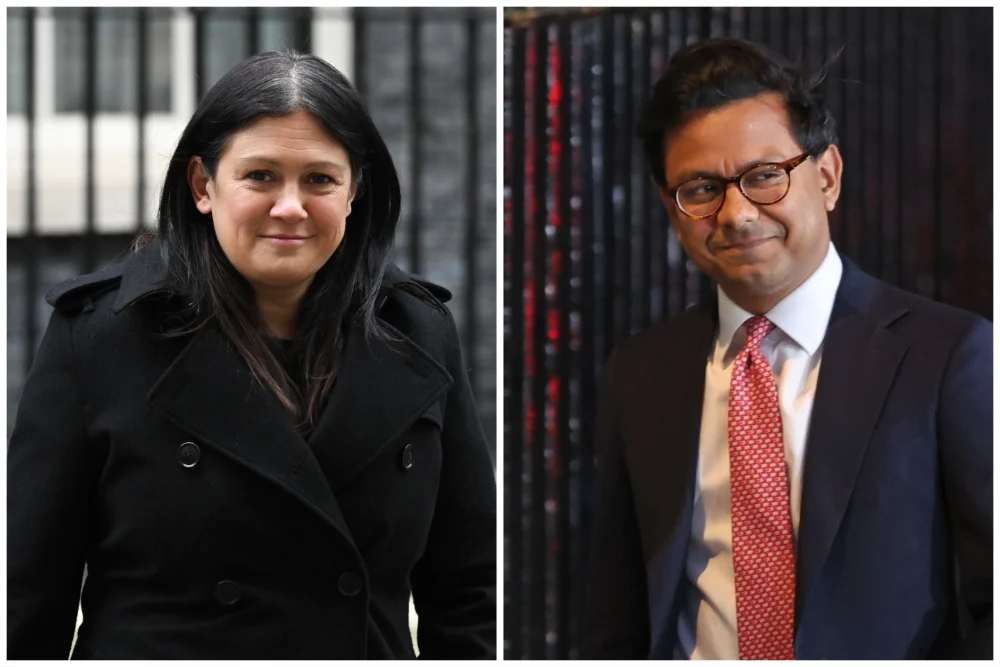
Prime Minister Andy Burnham’s highly anticipated cabinet reshuffle, a significant undertaking following the Labour party’s general election victory, has seen a notable retention in the crucial portfolio of culture, media, and sport. Lisa Nandy, the incumbent Secretary of State for the Department for Culture, Media and Sport (DCMS), will continue in her role, a decision that signals a degree of continuity for a sector grappling with a complex array of challenges and undergoing substantial structural transformations. Nandy’s reappointment comes at a pivotal moment, with the UK’s creative industries navigating the lingering aftermath of global industrial actions, persistent inflationary pressures, and a shifting media landscape.
Nandy, who has represented Wigan as a Member of Parliament since 2010, was first appointed to the DCMS by former Prime Minister Keir Starmer in July 2024, shortly after Labour secured a decisive win in the general election. Her tenure has already been marked by a degree of instability within the ministerial leadership of the department, with Nandy being the twelfth minister to hold the post in fewer than two decades. This high turnover underscores the volatility that has characterized the role in recent years. However, Nandy’s two-year incumbency, as of her reappointment, positions her as one of the longest-serving ministers in the department’s recent history, a testament to her endurance amidst ministerial flux. Prior to her current role, Nandy gained valuable experience in shadow government, serving as the Shadow Cabinet Minister for International Development and the Shadow Housing Minister, providing her with a broad understanding of policy development and public service delivery.
The cultural and media sector Nandy inherited upon her initial appointment in July 2024 was one teetering on the precipice of significant change. The global Hollywood writer and actor strikes, which commenced in mid-2023 and extended for several months, sent ripples across the international film and television production landscape, impacting supply chains and talent availability. Compounding these challenges was the persistent specter of post-pandemic inflation, which significantly increased production costs across the board. Simultaneously, the advertising market experienced a marked downturn, a crucial revenue stream for many media organizations. This economic contraction, coupled with diminishing budgets from traditional broadcasters and burgeoning streaming platforms, created a precarious financial environment for content creators and distributors alike.
Within this turbulent context, Nandy’s department has been tasked with overseeing several high-stakes, complex initiatives. Foremost among these is the renewal of the BBC’s Royal Charter, a foundational document that governs the public service broadcaster’s operations and funding mechanisms. This process is intrinsically linked to discussions about the BBC’s future funding model, a perennial subject of debate, and its role in a rapidly evolving media ecosystem increasingly dominated by digital platforms.
Beyond the BBC, Nandy’s responsibilities have extended to overseeing the UK arm of a significant international media merger: the integration of Paramount and Warner Bros. Discovery. This deal, with its potential implications for content distribution and intellectual property ownership within the UK, prompted Nandy to publicly state her "mind to intervene," signaling a proactive stance in scrutinizing its impact on the domestic market and ensuring fair competition.
The landscape of media ownership in the UK has been a hotbed of activity. Another major development that has captured regulatory and industry attention is Comcast-owned Sky’s recent acquisition of public service broadcaster ITV. This proposed takeover, still awaiting the crucial nod from regulatory authorities, represents a significant consolidation of power within the UK’s television sector. Furthermore, discussions are ongoing regarding potential bidders for ITV’s highly valued production arm, ITV Studios, which is slated for a spin-off. The future ownership and operational strategy of these entities will undoubtedly shape the competitive dynamics of UK broadcasting and content creation for years to come.
In a parallel development, Prime Minister Burnham has also established a new ministerial portfolio, appointing Kanishka Narayan as the first Minister for Artificial Intelligence (AI). This role will be jointly held within the Cabinet Office and the Department for Business, Innovation, Science and Trade, underscoring the government’s recognition of AI’s profound and cross-cutting impact on the economy and society. Narayan, who previously served as Parliamentary Under-Secretary of State in the Department for Science, Innovation and Technology, brings prior experience in this burgeoning field. He was elected as the Member of Parliament for the Vale of Glamorgan in July 2024, aligning with the broader shift in political representation.
Continuity Amidst Change: Nandy’s Mandate
The retention of Lisa Nandy as Secretary of State for Culture, Media and Sport is a significant signal from Prime Minister Burnham’s administration. In a cabinet reshuffle that has seen numerous appointments and departures, Nandy’s continued presence suggests a desire for stability and experienced leadership within a department overseeing a sector in perpetual transformation. Her track record, including her tenure as one of the longest-serving ministers in the post, indicates a familiarity with the intricate policy challenges facing the DCMS.
Nandy’s initial appointment in July 2024 occurred during a period of considerable global and domestic turbulence for the creative industries. The prolonged Hollywood strikes, which began in May 2023 and concluded in November 2023 for writers and in February 2024 for actors, disrupted production schedules and impacted the availability of content worldwide. This industrial action had a direct bearing on the UK’s film and television production sector, which often relies on international talent and co-production opportunities.
Furthermore, the economic climate has been a persistent concern. Post-pandemic inflation has driven up the cost of everything from studio rentals and equipment hire to crew wages and post-production services. This inflationary pressure, combined with a significant contraction in the advertising market, has squeezed the revenue streams of many media companies. Broadcasters and streaming services, facing their own economic headwinds, have responded by slashing budgets, leading to reduced commissioning of new content and increased competition for limited funding.
Key Policy Agendas Under Nandy’s Stewardship
Nandy’s renewed mandate will see her continue to grapple with several high-profile and strategically important policy areas:
-
BBC Royal Charter Renewal and Funding: The BBC’s Royal Charter, which outlines its mission, governance, and funding, is renewed every ten years. The current charter is due for renewal, a process that invariably sparks intense debate about the BBC’s size, scope, and public funding model. Nandy’s department will lead the government’s engagement in this critical review, which will shape the future of public service broadcasting in the UK. Discussions will likely revolve around the BBC’s role in the digital age, its competitive relationship with private broadcasters and streamers, and the sustainability of the licence fee. Historically, licence fee levels have been a point of contention, and the government’s approach to this will have profound implications for the broadcaster’s financial stability.
-
Paramount/Warner Bros. Discovery Merger Scrutiny: The UK’s Competition and Markets Authority (CMA) has a role in reviewing significant mergers and acquisitions that could impact competition within the domestic market. Nandy’s statement of being "minded to intervene" in the Paramount/Warner Bros. Discovery deal suggests a commitment to ensuring that any consolidation does not unduly harm competition or limit consumer choice in the UK. The regulatory review will likely examine aspects such as content library consolidation, distribution rights, and potential impacts on advertising revenue and subscription pricing.
-
Sky’s Acquisition of ITV and ITV Studios Spin-off: The proposed acquisition of ITV by Sky represents a monumental shift in the UK media ownership landscape. ITV, a publicly listed company and a cornerstone of British broadcasting for decades, would become part of Comcast’s vast media empire. The regulatory approval process for such a significant transaction is expected to be rigorous, with the CMA likely to scrutinize potential impacts on competition in free-to-air television, advertising, and content production. The subsequent spin-off and potential sale of ITV Studios, one of the world’s largest independent production companies, will also be closely watched. This could lead to a fragmentation of ownership or a significant acquisition by another major player, reshaping the independent production sector.
The Rise of AI Governance
Prime Minister Burnham’s creation of a dedicated Minister for AI signifies a strategic prioritization of this transformative technology. Kanishka Narayan’s appointment to this dual-portfolio role highlights the government’s understanding that AI’s influence extends across economic development, innovation, and public service delivery.
AI is rapidly permeating various sectors, from healthcare and finance to creative industries and manufacturing. The government’s focus on AI governance is likely to encompass several key areas:
- Regulatory Frameworks: Developing appropriate regulations to foster innovation while mitigating potential risks associated with AI, such as bias, job displacement, and ethical concerns.
- Economic Growth and Competitiveness: Identifying opportunities for AI to drive productivity, create new industries, and enhance the UK’s global competitiveness.
- Skills Development: Ensuring the UK workforce possesses the necessary skills to develop, deploy, and work alongside AI technologies.
- Ethical Considerations: Addressing the societal implications of AI, including issues of privacy, accountability, and the potential for misuse.
Narayan’s previous role in the Department for Science, Innovation and Technology provides him with a strong foundation to lead these efforts. His mandate will involve coordinating policy across government departments, fostering collaboration between industry and academia, and positioning the UK as a leader in responsible AI development.
Broader Implications for the UK Creative Sector
The continued tenure of Lisa Nandy at the helm of DCMS, coupled with the establishment of an AI Minister, points towards a government keen on navigating the complex interplay between traditional media, emerging technologies, and economic policy.
The consolidation of media ownership, exemplified by the Sky-ITV situation, raises questions about media diversity and the future of public service broadcasting. While consolidation can sometimes lead to efficiencies and investment, it can also concentrate power and potentially limit the range of voices and perspectives available to audiences. The regulatory oversight of these deals will be crucial in safeguarding these aspects.
The UK’s creative industries are a significant contributor to the national economy, generating billions in revenue and employing hundreds of thousands of people. The sector’s resilience and continued growth depend on a supportive policy environment that addresses issues of funding, regulation, and international competitiveness. Nandy’s experience and established position suggest a commitment to tackling these challenges head-on.
The integration of AI into creative processes presents both opportunities and challenges. AI tools can enhance content creation, personalize audience experiences, and streamline production workflows. However, they also raise questions about intellectual property rights, the role of human creativity, and the potential for job displacement among artists, writers, and other creative professionals. The new AI Minister’s role will be vital in ensuring that the UK’s approach to AI development is inclusive and beneficial for the creative sector.
Prime Minister Burnham’s cabinet choices, particularly the retention of Nandy and the creation of the AI portfolio, signal a strategic approach to managing the UK’s cultural and technological future. The coming months will reveal the specific policy initiatives and regulatory actions that will shape these critical sectors.