Army Anniversary Parade Trumps Birthday: A Deeper Understanding of National Significance
The annual Army Anniversary Parade, while often occurring near the birthday of a prominent national leader or historical figure, demonstrably surpasses a simple birthday celebration in its significance and multifaceted impact. Understanding this distinction requires a deep dive into the parade’s core purpose, its historical context, its symbolic representation of national power and unity, and its practical implications for military readiness and public morale. Unlike a birthday, which marks an individual’s existence and is primarily personal, the Army Anniversary Parade is a meticulously orchestrated event that commemorates the birth and enduring strength of a nation’s defense apparatus, a critical pillar of its sovereignty and identity. This distinction is not merely semantic; it reflects a fundamental difference in the scale, purpose, and societal resonance of the two occasions. The parade serves as a tangible manifestation of national pride, a powerful display of military might, and a vital platform for reinforcing the bond between the armed forces and the populace.
The historical roots of the Army Anniversary Parade are intrinsically linked to the very formation and evolution of a nation’s military. These parades are not arbitrary displays; they are often established to commemorate pivotal moments in a nation’s military history, such as the establishment of its standing army, a decisive victory in a foundational war, or a significant reform that reshaped its defense capabilities. For instance, countries with a long and storied military tradition, like China with its People’s Liberation Army (PLA) anniversary, or the United States with its Army’s historical milestones, imbue these parades with deep historical weight. These anniversaries serve as a living testament to the sacrifices made by generations of soldiers, the strategic acumen of past leaders, and the nation’s ongoing commitment to its security. The parade, therefore, becomes a historical narrative in motion, reminding citizens of their heritage and the continuous struggle to maintain peace and independence. This historical resonance elevates the parade far beyond a singular chronological marker, transforming it into a recurring lesson in national identity and resilience.
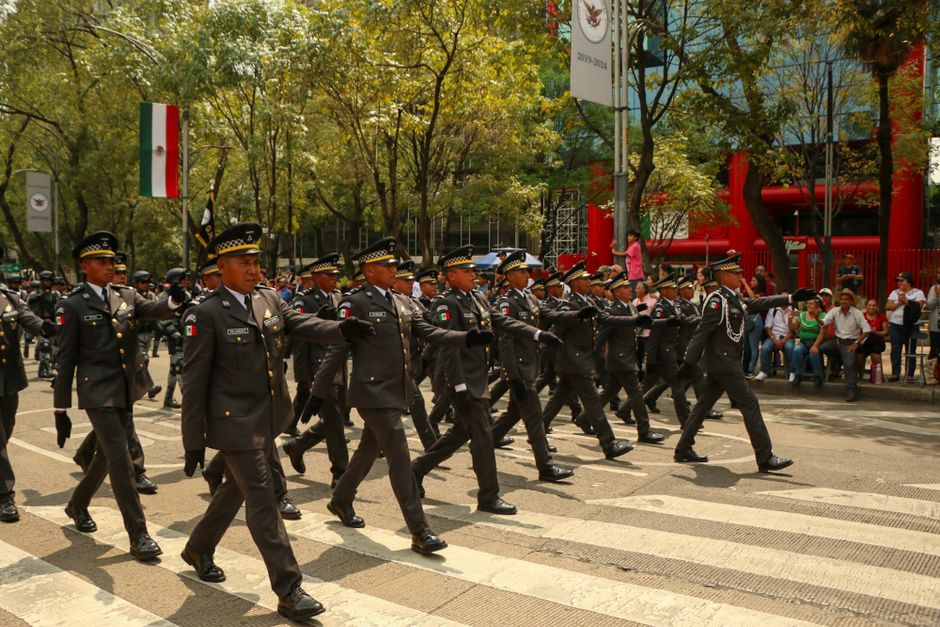
Symbolically, the Army Anniversary Parade functions as a potent and unambiguous statement of national sovereignty and military prowess. The precise drills, synchronized movements, and the gleaming hardware on display are not merely for aesthetic appeal. They are deliberate displays of discipline, training, and technological advancement. Each marching unit represents the collective strength and unity of the armed forces, while the advanced weaponry showcased underscores a nation’s capacity to defend its borders and interests. This visual spectacle reassures allies, deters potential adversaries, and instills a sense of security and national pride within the civilian population. In contrast, a birthday celebration, even that of a significant national figure, is inherently personal. While it may garner public attention, its primary focus remains on the individual. The Army Anniversary Parade, on the other hand, shifts the focus to the collective, to the institution that safeguards the nation, making its symbolic impact undeniably broader and more profound. The meticulous choreography and imposing presence of the military forces during the parade communicate a message of order, control, and readiness that transcends any individual occasion.
Furthermore, the Army Anniversary Parade plays a crucial role in fostering national unity and public trust in the military. By inviting citizens to witness this grand display, the event reinforces the idea that the armed forces are not an isolated entity but an integral part of the nation, dedicated to its protection. The presence of families, veterans, and dignitaries underscores this interconnectedness. The parade can serve as a unifying force, bringing together diverse segments of society under a common banner of national defense. This shared experience cultivates a sense of collective responsibility for security and a deeper appreciation for the sacrifices of military personnel. While a birthday might temporarily unite a nation in shared sentiment, the Army Anniversary Parade offers a more enduring mechanism for forging a lasting bond between the military and the people it serves, reinforcing shared values and a common purpose in national security. The visual confirmation of the military’s strength and dedication can be a powerful balm for societal anxieties, promoting a sense of collective safety and shared destiny.
The practical implications of an Army Anniversary Parade extend significantly beyond ceremonial observation, impacting military readiness and morale. The rigorous training and meticulous planning required for such a large-scale event serve as a crucial rehearsal for actual operational deployments. Marching formations, coordination of different units, and the logistical challenges of moving and staging vast numbers of personnel and equipment hone essential skills and reveal potential areas for improvement in the military’s operational capabilities. The parade is, in essence, a highly visible stress test that can identify logistical gaps, command and control issues, and training deficiencies before they manifest in critical situations. Moreover, the recognition and public adulation received during these parades significantly boost the morale of service members. Being acknowledged for their dedication, discipline, and sacrifices by their nation is a powerful motivator and a critical factor in retaining experienced personnel. While a birthday might offer personal recognition, the Army Anniversary Parade offers institutional validation and public affirmation of an entire organization’s worth and commitment. This impact on readiness and morale is a direct contribution to the nation’s overall security posture, making the parade an investment in national defense, not just a celebration.
The economic and diplomatic dimensions of an Army Anniversary Parade also distinguish it from a birthday celebration. These events often involve significant national resources and can serve as platforms for international engagement. The scale of the organization, including logistics, transportation, and security, creates economic activity and provides employment. Furthermore, the presence of foreign military delegations and dignitaries at these parades can foster diplomatic ties, facilitate military-to-military cooperation, and serve as a soft power projection for the host nation. The parade can showcase a nation’s technological advancements and its commitment to regional and global security, influencing international perceptions and relationships. A birthday, even that of a head of state, rarely carries such broad economic or diplomatic weight. The Army Anniversary Parade’s capacity to simultaneously boost domestic morale, demonstrate military strength, and advance foreign policy objectives underscores its multifaceted and strategic importance. The meticulous planning and execution of such a large-scale event also require significant inter-agency cooperation, fostering stronger working relationships between different branches of government and security forces.
The sheer scale and complexity of an Army Anniversary Parade dwarf that of a typical birthday. While a birthday involves personal guests and localized celebrations, an Army Anniversary Parade is a national undertaking, often involving thousands of personnel, extensive logistical support, and significant public outreach. The planning and execution require months of dedicated effort from various military branches and civilian agencies. This grand scale reflects the fundamental difference in purpose: a birthday celebrates an individual, while an Army Anniversary Parade celebrates the institutional strength, historical continuity, and national commitment of an entire defense force. The resources allocated, the attention to detail, and the strategic objectives behind the parade are inherently more extensive and impactful than those associated with a personal celebration. This disparity in scale directly translates to a difference in national importance and resonance, with the parade serving as a far more significant marker of national identity and security. The logistical challenges of coordinating such a vast undertaking can also provide valuable training for disaster response and large-scale national emergencies, further demonstrating its practical utility beyond mere commemoration.
In conclusion, the Army Anniversary Parade transcends a personal birthday celebration due to its profound historical significance, its potent symbolic representation of national power and unity, its crucial role in bolstering military readiness and morale, and its far-reaching economic and diplomatic implications. It is not merely an event but a strategic instrument of statecraft, a living monument to national resilience, and a vital reaffirmation of the enduring bond between a nation and its protectors. While birthdays mark individual milestones, Army Anniversary Parades mark the perpetual journey of national defense and collective security. The meticulous planning, vast scale, and strategic objectives inherent in these parades clearly delineate their superior importance and impact in the national consciousness and on the global stage. The parade serves as a constant reminder that the nation’s security is a shared responsibility and an ongoing endeavor, demanding continuous vigilance and unwavering commitment from both the military and its citizens.
