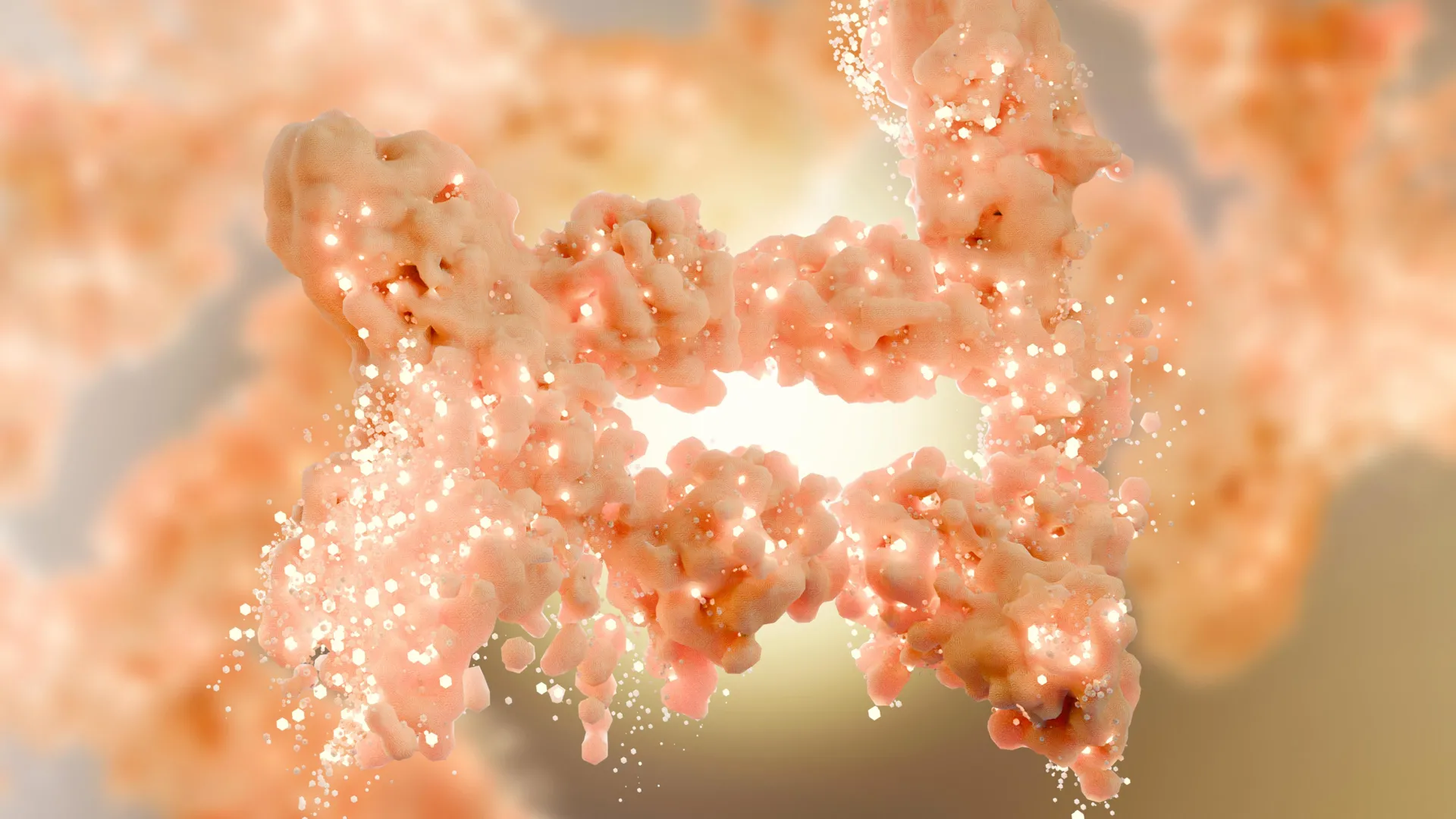
Scientists at the Weizmann Institute of Science have identified a pivotal molecular switch that dictates whether cells incinerate fat or store it, offering a fundamentally different paradigm for addressing the global obesity epidemic. By disabling a specialized protein known as MTCH2—affectionately nicknamed "Mitch"—researchers observed a dramatic surge in cellular fat consumption alongside a sharp impediment to the genesis of new fat cells. Subsequent international studies published throughout 2025 have further validated these findings, confirming that this specific protein acts as a master regulator of systemic energy expenditure and lipid metabolism.
While contemporary pharmacology has been revolutionized by blockbuster weight-loss therapeutics like semaglutide and tirzepatide, which primarily target appetite suppression and gastrointestinal signaling, these interventions often present clinical challenges regarding body composition. Clinical data underscore that substantial weight reduction frequently accompanies a concurrent decline in lean body mass—including essential muscle tissue—which is critical for long-term metabolic health, physical strength, and baseline mobility. Consequently, the medical and scientific communities have increasingly turned their focus toward novel therapeutic avenues capable of selectively reducing adipose tissue while safeguarding metabolic resilience and skeletal muscle.
The Chronology of Discovery: From Animal Models to Cellular Mechanisms
The trajectory of this research spans several years of rigorous molecular investigation, culminating in a series of landmark publications that have reshaped our understanding of mitochondrial biology. In early foundational experiments conducted by Professor Atan Gross and his research team at the Weizmann Institute, investigators selectively suppressed the activity of MTCH2 within the muscle tissue of murine models.
The physiological response in these genetically modified animals was striking. The mice exhibited heightened baseline metabolic activity, enhanced physical endurance, improved cardiac function, and a pronounced resistance to diet-induced obesity. Furthermore, their muscular architecture underwent favorable adaptations, generating a higher density of oxygen-utilizing muscle fibers. These initial insights suggested that Mitch was orchestrating a systemic shift in how the organism utilized energy, prompting the research team to investigate the subcellular structures responsible for cellular respiration: the mitochondria.
By January 2025, the scope of the investigation expanded to human cellular models. In a study published on January 3, 2025, in The EMBO Journal—led by doctoral student Sabita Chourasia and Professor Gross—researchers genetically engineered human cells to lack MTCH2. The resulting ultrastructural analysis revealed that the mitochondrial network became fragmented, disrupting the delicate equilibrium between cellular energy production and demand. Facing a persistent energy deficit despite elevated oxygen consumption, the human cells aggressively mobilized alternative nutrient sources, ramping up cellular respiration and increasing their consumption of carbohydrates, amino acids, and particularly fatty acids derived from internal membrane lipids.
The Molecular Mechanics of Fat Regulation
The discovery that cells lacking Mitch systematically depleted their own membrane lipids to sustain energy production offered profound insights into lipid trafficking. Cellular membranes are composed largely of specialized lipids that maintain structural integrity and orchestrate signaling cascades. When MTCH2 is deleted, the normal allocation of these fatty molecules is fundamentally altered, forcing the cell to treat structural lipids as immediate fuel reserves.
This metabolic reprogramming was further illuminated by a subsequent international study published on October 3, 2025, in Nature Communications. This follow-up research uncovered a secondary mechanism through which MTCH2 regulates lipid metabolism within adipose tissue. The research team discovered that MTCH2 physically interacts with carnitine palmitoyltransferase 1 (CPT1), a rate-limiting enzyme that dictates the translocation of fatty acids into the mitochondria for beta-oxidation.
Normally, CPT1 is modulated by malonyl-CoA, a regulatory molecule that signals the cell to conserve fatty acids. By interfering with this regulatory checkpoint, the presence or absence of MTCH2 directly dictates the volume of lipids incinerated by the mitochondria. When the researchers selectively deleted MTCH2 exclusively within the fat tissue of mice, the animals burned significantly more energy without exhibiting elevated physical activity or altering their caloric intake. When subjected to a high-fat diet, these modified mice accumulated substantially less body fat and lower weight gain compared to control groups, while maintaining comparable lean body mass, improved glucose tolerance, and optimized cholesterol profiles.
Implications for Adipogenesis and Fat Cell Development
Beyond enhancing systemic fat oxidation, MTCH2 plays a critical regulatory role in adipogenesis—the biological process by which immature precursor cells mature into functional, fat-storing adipocytes. Epidemiological and histological analyses had previously detected elevated levels of MTCH2 within the adipose tissue of individuals presenting with obesity, hinting at a pathological link between the protein and excessive fat accumulation.
To explore this dynamic, the Weizmann Institute team examined precursor fat cells derived from mice. Under normal physiological conditions, approximately 80% to 90% of these progenitor cells successfully differentiate into mature adipocytes within a six-day window. However, when MTCH2 was deleted from these precursor cells, the differentiation rate plummeted to a mere 5% to 10%.
The researchers deduced that the absence of Mitch creates an energetic crisis within the progenitor cells. Because adipogenesis requires vast amounts of chemical energy and lipid synthesis to construct new cellular storage units, the energy-depleted state induced by MTCH2 deletion arrests the maturation process. Additionally, the genetic programs required for successful differentiation were significantly suppressed. Consequently, the cells not only failed to accumulate typical lipid droplets but were structurally incapable of completing the developmental pathway required to become mature fat-storing cells.
Broader Impact, Therapeutic Challenges, and Future Directions
The identification of MTCH2 as a dual-action regulator—simultaneously driving cellular fat oxidation and impeding the genesis of new adipocytes—opens compelling new vistas for the future of metabolic medicine. While traditional weight-loss pharmacotherapies focus heavily on central nervous system regulation of satiety, targeting peripheral cellular machinery such as mitochondrial dynamics offers a complementary or alternative strategy to manipulate whole-body energy balance.
Nevertheless, translating these preclinical discoveries into human therapeutics presents formidable scientific hurdles. MTCH2 is a ubiquitously expressed protein that participates in fundamental cellular processes, including mitochondrial fusion, cell survival pathways, and intracellular signaling. Consequently, systemic inhibition of the protein could theoretically precipitate unintended adverse physiological consequences across non-target tissues.
Furthermore, the complete suppression of fat cell development is not universally desirable from a clinical standpoint. Healthy white adipose tissue plays an indispensable role in human physiology, acting as a dynamic buffer for excess caloric intake, maintaining systemic glucose homeostasis, and secreting regulatory endocrine hormones such as leptin and adiponectin. Uncontrolled disruption of normal adiposity could inadvertently redirect circulating lipids toward vital non-adipose organs, such as the liver and skeletal muscle, potentially inducing lipotoxicity, insulin resistance, or ectopic fat deposition.
Addressing these complexities will require targeted pharmacological delivery systems capable of modulating MTCH2 activity selectively within specific metabolic depots without compromising systemic cellular viability. As researchers continue to map the intricate signaling networks governing mitochondrial energy expenditure, current clinical standards emphasize that lifestyle interventions—particularly structured resistance training paired with adequate dietary protein intake—remain vital for preserving metabolically active lean mass during weight reduction.
The expanding body of research surrounding MTCH2 underscores a profound paradigm shift in metabolic science. By moving beyond simple caloric restriction and appetite mitigation toward the direct modulation of cellular energy allocation, future therapeutic interventions may soon harness the body’s own mitochondrial machinery to dictate whether cells store energy or burn it away.