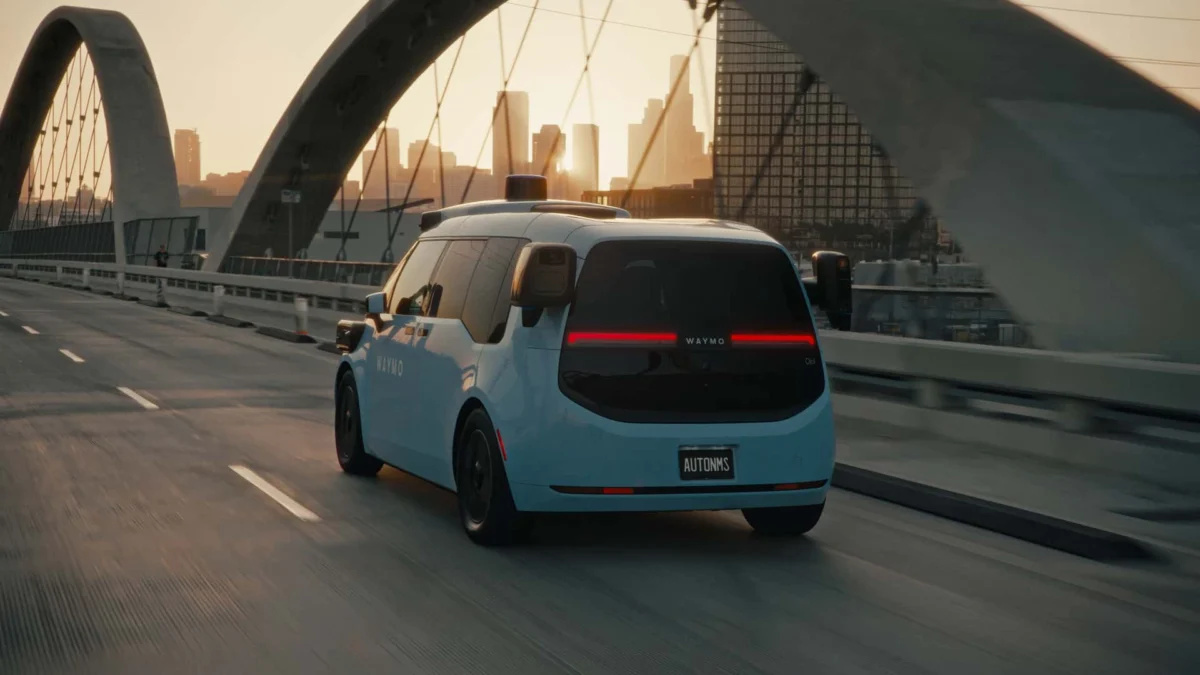
Waymo has issued a fresh recall for its autonomous vehicle fleet, citing critical difficulties in navigating closed freeway lanes and responding to manual traffic control at intersections. This latest regulatory action underscores the ongoing challenges Alphabet’s self-driving subsidiary faces as it attempts to scale its operations beyond controlled, predictable environments. The recall follows a series of high-profile incidents that triggered regulatory scrutiny, leading to a nationwide suspension of interstate operations for the fleet earlier this week.
A Chronology of Regulatory Friction
The recent recall is the latest in a string of operational hurdles for Waymo. Earlier this month, regulators in California moved to restrict Waymo’s access to state freeways following reports of erratic behavior in complex traffic conditions. In response to these concerns and mounting pressure from the National Highway Traffic Safety Administration (NHTSA), Waymo initiated a voluntary nationwide pause on all interstate highway travel on Wednesday.
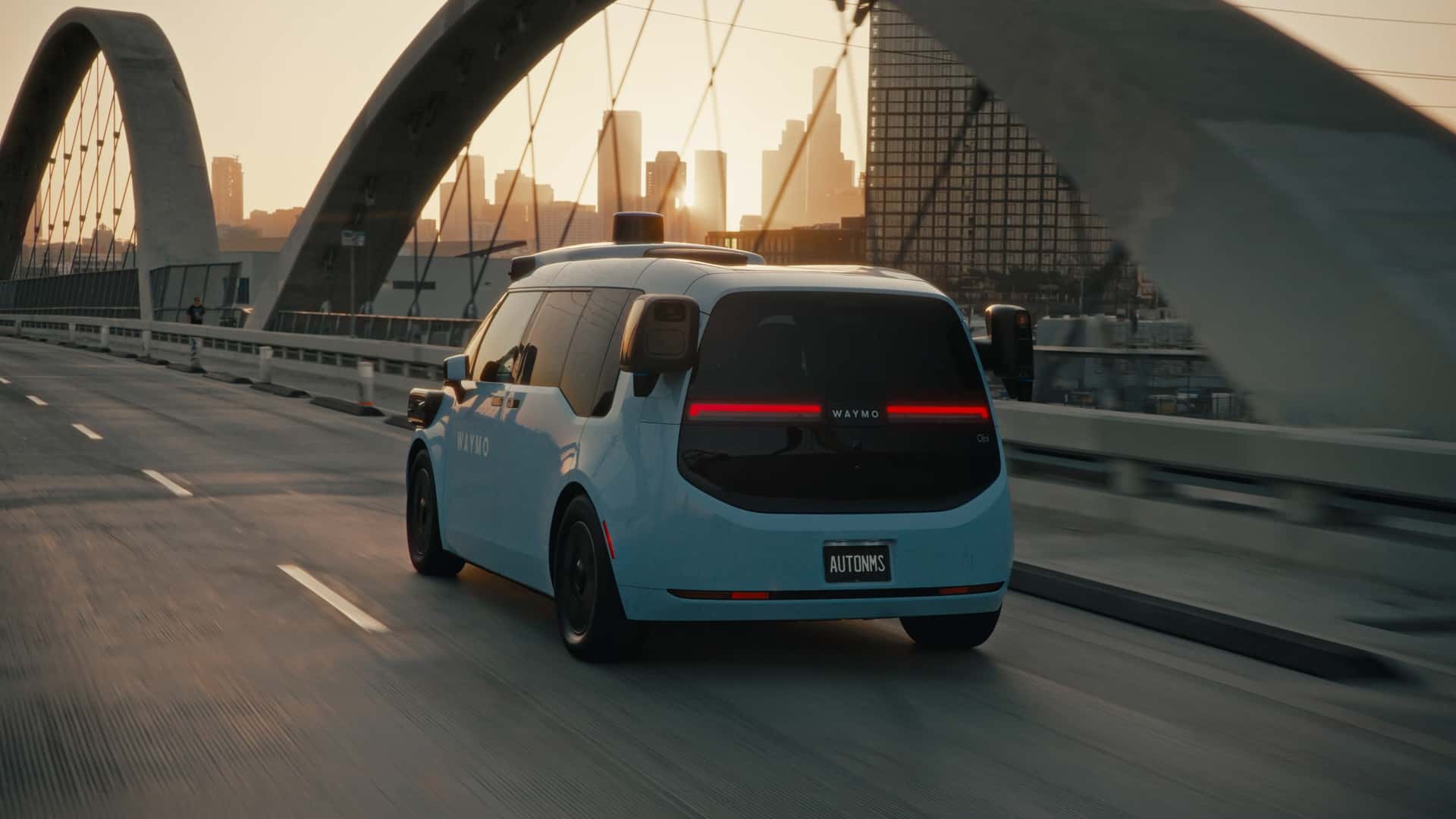
The decision effectively mandates that the company’s robotaxi fleet—comprised primarily of modified Jaguar I-PACE electric vehicles—must restrict its operations to local roads and state highways where the software’s current navigation protocols are deemed sufficiently robust. This rollback marks a significant shift for a company that has spent years touting the safety benefits of its "Waymo Driver" technology over human counterparts.
Understanding the Technical Hurdles: Beyond Basic Logic
The core of the recall centers on the software’s inability to interpret "social" or "ad-hoc" traffic signals. While Waymo’s system excels at adhering to static road rules—such as stopping at red lights and maintaining lane discipline—it struggles with the fluid, often non-verbal communication that defines human driving.
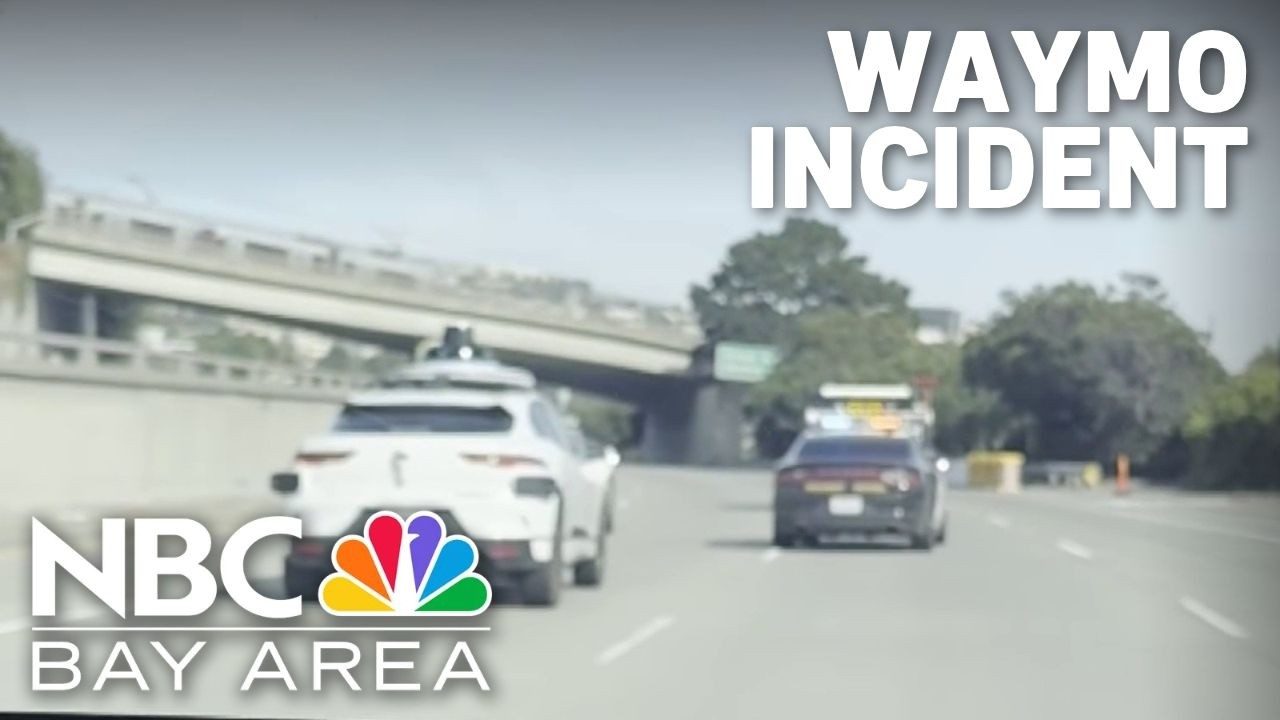
A primary example cited by regulators involves "rolling road blocks," or traffic breaks, commonly used by the California Highway Patrol (CHP). During these maneuvers, officers zigzag across lanes with emergency lights activated to slow or stop traffic for hazard removal or accident scene management. In recent testing and real-world scenarios, Waymo’s autonomous system failed to recognize the intent behind these movements. Instead of yielding, the vehicles attempted to navigate around the patrol cars, creating potential collision risks.
This issue extends to intersections where traffic lights are non-functional or where police officers are manually directing traffic. Human drivers rely on visual cues, hand signals, and eye contact to navigate these situations. Autonomous systems, however, are programmed to follow a rigid set of rules that do not always account for a person standing in the middle of an intersection gesturing for a car to proceed against a red light. These "edge cases"—situations that occur infrequently but are critical to safety—have proven to be the most significant barrier to the full-scale deployment of Level 4 autonomous vehicles.
Safety Data and the Regulatory Landscape
Waymo has historically defended its record by highlighting safety data that suggests its vehicles are significantly less likely to be involved in injury-causing accidents than human-driven cars. According to the company’s internal safety performance reports, Waymo vehicles have demonstrated an 82 percent reduction in police-reported or injury-causing crashes compared to human drivers in the same operational areas.
However, regulatory bodies are increasingly focused on the nature of the errors rather than just the frequency. While a human driver’s error might be attributed to distraction or impairment, an autonomous vehicle’s error is classified as a systematic failure of the software. When a fleet of thousands of vehicles shares the same code base, a single recurring behavioral flaw can manifest across the entire operation simultaneously, turning a localized incident into a systemic risk.
The Broader Implications for Autonomous Mobility
The current recall serves as a litmus test for the viability of autonomous ride-hailing services. If Waymo cannot navigate temporary traffic control, the long-term goal of widespread, driverless urban mobility faces a significant roadblock. The industry is currently divided between companies pushing for rapid expansion and those favoring a more conservative approach that prioritizes mapping and pre-programmed response models.
For Waymo, the implication of these recent events is a period of "calibration." The company must now bridge the gap between deterministic software—which follows clear rules—and probabilistic software, which can interpret human intent. This requires sophisticated machine learning models capable of identifying not just objects on the road, but the context in which those objects operate.
Industry and Stakeholder Responses
Industry analysts observe that while the recall is a setback, it is not necessarily fatal to Waymo’s long-term prospects. Autonomous driving development is inherently iterative, and the transition from "pilot program" to "public utility" inevitably involves regulatory friction.
"The industry is learning that driving is as much a social behavior as it is a mechanical one," says Dr. Elena Vance, a lead researcher in transportation robotics. "When we teach a machine to drive, we aren’t just teaching it to recognize stop signs; we are teaching it the social contract of the road. We wave each other through, we signal intent with our vehicle’s position, and we obey police officers even when they aren’t following the standard traffic code. Teaching a computer to understand that level of nuance is the final frontier of self-driving technology."
Waymo has committed to updating its software to better handle these dynamic situations. The recall mandates that the company push an over-the-air (OTA) software update to its fleet, which will refine the "Waymo Driver’s" ability to detect and respond to emergency vehicle signals, construction zone closures, and manual traffic direction.
The Path Forward: Mapping the Unknown
As Waymo works to re-enter the highway market, it faces a two-fold challenge: satisfying federal regulators that its software is safe, and rebuilding public trust in its ability to handle unpredictable environments. The company remains committed to its expansion goals, including plans to grow its fleet significantly by 2027.
However, the events of the past few weeks have shifted the narrative from "when will autonomous cars replace humans" to "how can autonomous cars learn to exist within human-dominated, chaotic systems." For now, the robotaxis will remain on local streets, effectively acting as an advanced driver-assistance system that still requires the watchful eyes of remote operations centers and the oversight of regional and federal regulators.
The coming months will be critical. If the updated software successfully navigates a test environment that includes complex, ad-hoc traffic patterns, Waymo may be granted permission to resume highway operations. If not, the company may face more stringent oversight, potentially slowing the momentum of the entire autonomous vehicle sector.
The recall is a reminder that the transition to an automated future is not a linear progression. It is a series of adjustments, updates, and constant learning. As the industry moves forward, it will be the ability to handle the "unexpected" that determines which companies succeed and which remain stalled in the early stages of development. The "social" aspect of driving, once considered a peripheral challenge, has now become the central focus of the race to full autonomy.