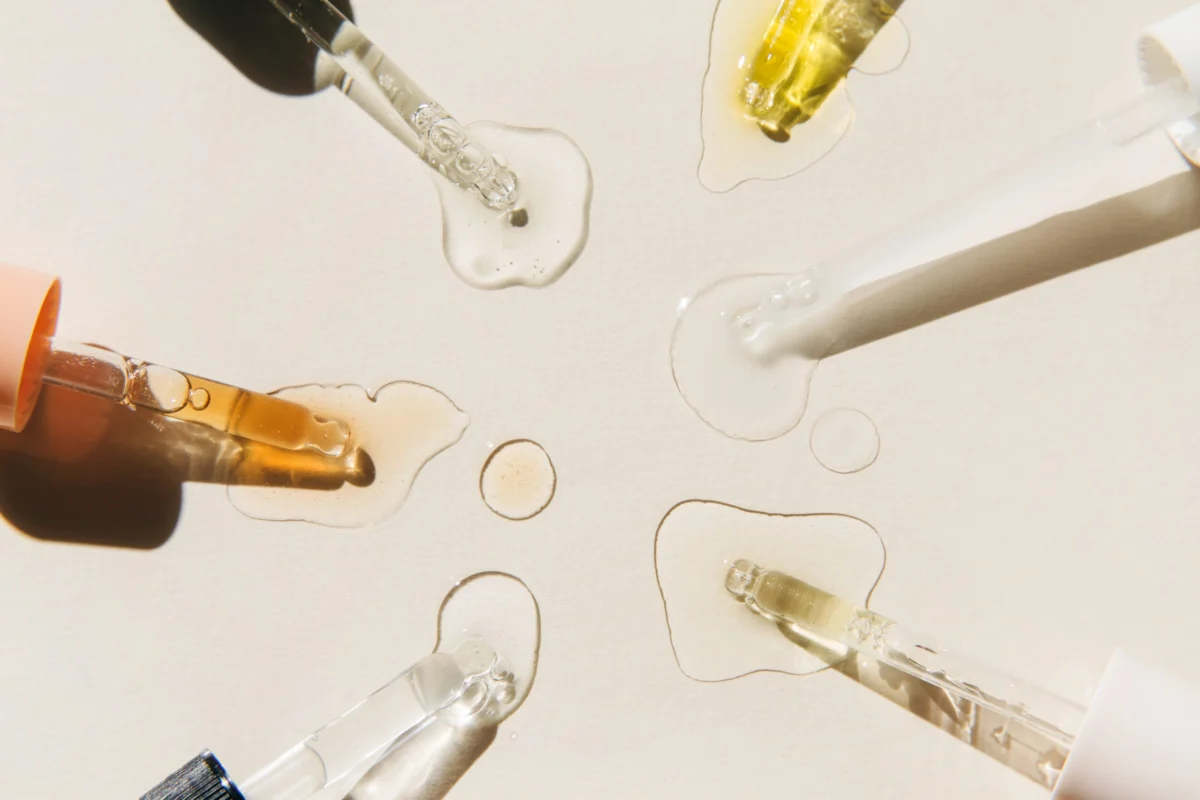
The pursuit of "glass skin"—a term describing a complexion that appears exceptionally smooth, clear, and hydrated—has become a central pillar of the modern beauty industry. As consumer interest in dermatological science continues to rise, the evening skincare routine has evolved from a simple cleanse-and-moisturize ritual into a targeted therapeutic regimen. Nighttime, specifically, serves as the optimal window for skin repair, as the body’s circadian rhythm triggers a spike in cell regeneration and a decrease in transepidermal water loss. To maximize this biological process, dermatologists and estheticians increasingly recommend the integration of high-performance serums designed to address concerns ranging from hyperpigmentation and fine lines to compromised skin barriers.
The Science of Nighttime Skin Physiology
The skin’s biological clock is not merely a metaphor. Research published in the Journal of Investigative Dermatology indicates that skin permeability is higher at night, allowing active ingredients to penetrate the stratum corneum more effectively than during daylight hours. This nocturnal phase is characterized by an increase in blood flow to the skin, which facilitates the delivery of nutrients and the removal of metabolic waste. Consequently, the ingredients applied before sleep—such as retinoids, peptides, and humectants—are afforded an uninterrupted period to influence cellular behavior without the interference of UV radiation, pollution, or environmental stressors.

The Evolution of Topical Actives
The current market for night serums is dominated by a transition toward "multi-tasking" formulations. Whereas previous generations of skincare relied on single-ingredient solutions, contemporary products utilize synergistic blends. For example, the inclusion of niacinamide—a form of Vitamin B3—has become ubiquitous due to its dual ability to strengthen the skin barrier and mitigate the irritation often associated with potent actives like retinol or AHAs.
Among the most notable entries in this category is Olay’s Super Serum. Priced at a consumer-accessible sub-$50 bracket, the product utilizes a complex blend of niacinamide, peptides, and exfoliating acids, including salicylic and lactic acid. By combining hydration with gentle chemical exfoliation, the serum addresses uneven pigmentation while supporting structural integrity. Dr. Jenny Liu, a board-certified dermatologist, notes that such drugstore innovations represent a significant shift in accessibility, offering "well-rounded overnight skin support" that was once restricted to medical-grade formulations.
Categorization and Delivery Systems
Korean skincare methodology has significantly influenced the global market, particularly through the introduction of the "ampoule." Unlike standard serums, which may have a broader application, ampoules are characterized by high concentrations of specific active ingredients intended for short-term, intensive use or targeted correction.

The Rejuran Turnover Ampoule exemplifies this trend, utilizing PDRN (Polydeoxyribonucleotide)—a regenerative molecule derived from salmon DNA—combined with niacinamide. This represents a broader industry trend toward bio-mimetic ingredients, which aim to replicate the body’s natural repair mechanisms. According to dermatological consensus, these delivery systems are essential for patients experiencing extreme dehydration or compromised skin elasticity, as they provide a concentrated infusion that standard lotions often lack.
Addressing Fine Lines and Texture
A recurring challenge in anti-aging skincare is the balance between potency and tolerability. Retinoids remain the gold standard for collagen stimulation and cell turnover, yet they are notoriously prone to causing dermatitis or sensitivity in new users. Consequently, the industry has seen a rise in sophisticated alternatives.
SkinCeuticals, for instance, has introduced the P-TIOX Anti-Wrinkle Serum, which shifts the focus toward a peptide-heavy cocktail. By utilizing a 5 percent polyhydroxy acid (PHA) alongside a peptide complex, the product aims to achieve the smoothing effects of a retinoid without the associated inflammatory risks. This approach caters to a demographic increasingly wary of "retinol burn," favoring instead the gradual, consistent improvement offered by peptides and acids.

Similarly, Medik8 has carved out a niche by offering a tiered approach to retinaldehyde—a direct precursor to retinoic acid. By providing multiple concentrations, the brand allows users to "titrate" their dose, effectively managing the skin’s tolerance level. This strategy is widely regarded by dermatological experts as the safest method for long-term integration of Vitamin A into a routine, as it prevents the acute irritation that often leads consumers to abandon treatment regimens prematurely.
Market Dynamics and Consumer Behavior
The growth of the night serum sector is supported by robust data. According to market research from Mintel, the "clinical-at-home" segment has seen a 12 percent year-over-year growth rate since 2022. Consumers are no longer content with "vanity" products; they are demanding clinical trials, ingredient transparency, and expert validation.
The viral success of products like the Glow Recipe Prickly Pear Peptide Mucin reflects this intersection of social media influence and scientific curiosity. With a formula containing 81 percent prickly pear extract and a 3 percent bio-active peptide complex, the serum emphasizes the "barrier-first" approach. The shift toward ingredients like Ectoin and mucins highlights a move away from aggressive, drying actives toward products that "sheath" the skin in moisture. This aligns with the broader cultural movement toward skin health rather than skin "perfection," acknowledging that a damaged barrier is the primary cause of many aesthetic concerns.

Expert Perspectives on Professional-Grade Skincare
For those seeking more intensive, dermatologically supervised outcomes, the market offers high-end solutions such as the Skinbetter Science AlphaRet Overnight Cream. This product utilizes a patented technology that combines a retinoid with lactic acid. The innovation lies in the delivery system, which releases the actives slowly to minimize irritation.
Celebrity esthetician Joanna Czech emphasizes the importance of the "step-up" approach, particularly when using potent vitamin-based serums like the Environ Youth EssentiA Vita-Peptide C-Quence line. "The ability to increase concentration as the skin adjusts is the hallmark of a serious, effective skincare program," Czech notes. This methodology mirrors the way pharmaceutical treatments are managed, suggesting that the line between "cosmetic" and "medical" is becoming increasingly porous.
Implications for the Future
The proliferation of these high-performance night serums carries significant implications for the future of dermatology and retail. First, the move toward personalized, tiered-strength products suggests that the "one-size-fits-all" approach to skincare is nearing obsolescence. Second, the rising cost of entry for some of these products highlights a growing "knowledge gap" in skincare; consumers who are educated about ingredients like PDRN, peptides, and retinoids are more likely to invest in expensive, high-efficacy formulations.

However, the continued success of accessible, multi-ingredient serums from mass-market brands ensures that the benefits of clinical-grade science remain available to a broad audience. As the industry moves toward 2026, we can expect to see further integration of AI-driven skin analysis, which will likely dictate which of these serums a consumer selects based on their specific skin biome and environmental exposure data.
Ultimately, the efficacy of any night serum is predicated on consistency. Whether utilizing an entry-level drugstore serum or a high-end, clinically formulated cream, the biological success of the treatment relies on the user’s commitment to a nightly regimen. By aligning topical applications with the body’s natural regenerative windows, consumers can achieve significant improvements in texture, tone, and hydration, provided they choose ingredients backed by clinical validation rather than marketing hyperbole. The current landscape of night serums is not merely a collection of products, but a reflection of a more informed, science-conscious public that views skincare as a vital component of holistic health.