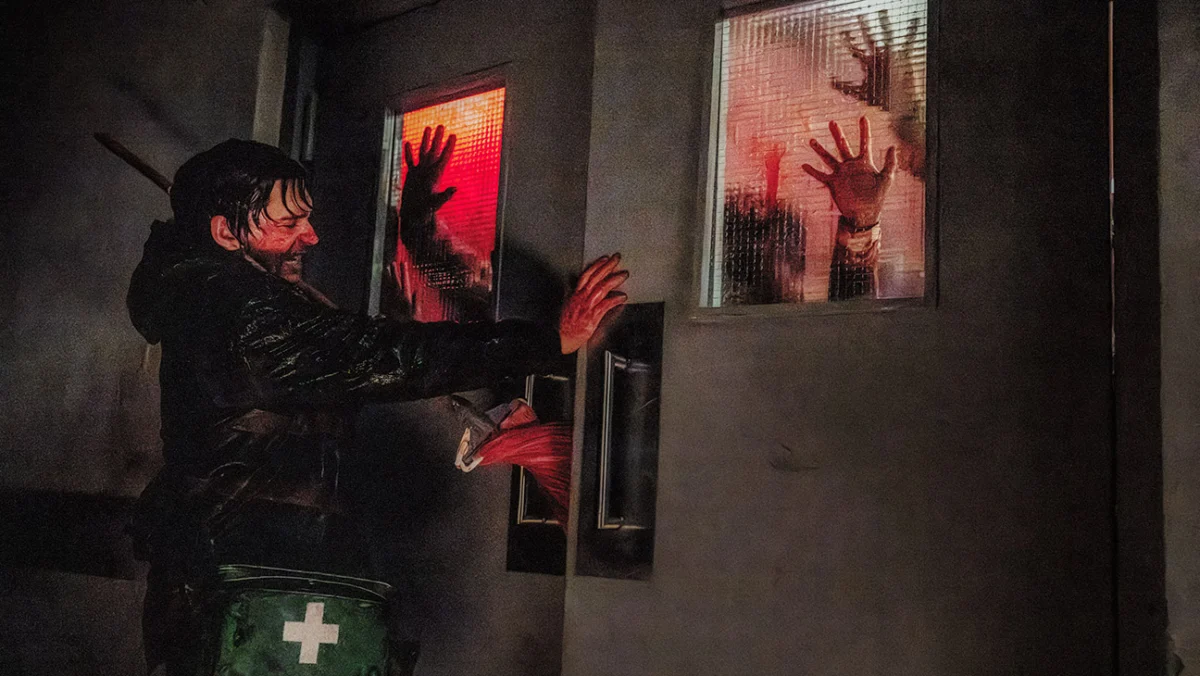
The cinematic landscape of 2026 has been defined by a significant shift in genre storytelling, a transition anchored by the breakout success of Zach Cregger’s Resident Evil reboot. Following the monumental success of his 2022 breakout feature Barbarian, Cregger has solidified his status as a premier architect of modern horror. Central to this achievement is the performance of Austin Abrams, who portrays the ill-fated protagonist Bryan. The film, which recently shattered franchise records with a $60 million domestic opening weekend, serves as both a high-octane survival thriller and a grim, existential meditation on the inevitability of change.
The collaboration between Cregger and Abrams has proven to be a defining creative partnership. When the original production of the project Weapons faced catastrophic scheduling delays due to the 2023 industry strikes, Abrams remained committed to Cregger’s vision. This loyalty paid dividends, as Abrams moved from that critical success to lead the Resident Evil reboot, a film that currently holds the highest critical approval rating in the storied history of the franchise.
A Chronology of a High-Stakes Production
The narrative of Resident Evil follows Bryan, a medical courier whose life—and the lives of those around him—is upended by a sudden t-virus outbreak. The film’s structure is deliberately designed to mimic the relentless, disorienting nature of a survival scenario. Bryan begins his journey in the mundane reality of his profession, navigating a strained relationship with his pregnant partner, Michelle. His refusal to embrace the responsibilities of impending fatherhood acts as the film’s emotional catalyst.

The inciting incident occurs when Bryan strikes a pedestrian on a desolate road. What follows is a rapid descent into chaos. The pedestrian, who appears to be an ordinary woman in a sundress, is revealed to be infected. As Bryan encounters law enforcement, military personnel, and, eventually, the nightmarish reality of the Umbrella Corporation’s lab leak, the film shifts from a character study into a visceral, one-man crucible.
The climax takes place at the Raccoon City General Hospital. Bryan, having been bitten by a child in an abandoned RV, realizes his transformation is irreversible. In a final, heart-wrenching act, he records a message for Michelle, admitting his fear, expressing his love, and validating her role as a future mother. The tragedy is compounded by the film’s conclusion: the antidote is never successfully manufactured, and Bryan succumbs to the virus, becoming the very monster he sought to avoid.
The Anatomy of a Modern Horror Lead
Abrams’ portrayal of Bryan is distinct from the traditional action hero archetype. By opting for a performance that prioritizes vulnerability—including raw, unvarnished reactions to terror—Abrams has tapped into a style of acting that emphasizes human realism over choreographed stoicism.
"I wanted to look like the antithesis of the cool action hero as much as I possibly could," Abrams noted in a recent discussion regarding his process. "It feels the most interesting. There is a joy in being able to see this guy react naturally to all this crazy stuff. It’s just really interesting to watch."

This approach has resonated with audiences who are increasingly weary of invincible protagonists. By stripping away the protective layer of "heroic" competence, the film forces the audience to confront the fragility of the human condition. The decision to have Bryan suffer an undignified, monstrous end serves as a narrative device to heighten the sense of loss, moving the film into the territory of Greek tragedy rather than standard B-movie horror.
Industry Implications and Box Office Dominance
The $60 million opening for Resident Evil represents a significant win for Sony Pictures and a validation of the current market appetite for R-rated, auteur-driven horror. Industry analysts have noted that the film’s success is particularly impressive given the absence of a traditional, sanitized "happy ending." In an era of heavy test-screening influence, where studios often mandate the alteration of bleak conclusions to boost CinemaScore ratings, Cregger’s ability to retain his original vision is a rarity.
The financial performance of the film suggests that audiences are willing to engage with darker, more challenging narratives when the storytelling is grounded in strong character work. Furthermore, the success of the film has positioned Abrams as a versatile leading man, capable of anchoring major studio projects while maintaining a commitment to high-concept, genre-bending material.
The Intersection of Gaming and Survival
A particularly notable theme in the film is the role of gaming in modern survival. Throughout the film, Bryan utilizes techniques that seem drawn from his history as a gamer. The meta-commentary, culminating in his desperate shout of "Video games!" during a final standoff, invites a conversation about whether interactive media serves as a legitimate framework for problem-solving under extreme stress.

This narrative choice by Cregger appears to be a calculated response to the historical scapegoating of video games in media discourse. By framing the protagonist’s survival—however fleeting—as a byproduct of his gaming knowledge, the film offers a subtle, humorous, and provocative defense of the medium.
The Tragedy of the Unsent Message
One of the most debated aspects of the film is the fate of Bryan’s voice message to Michelle. While some audience members have speculated that a hidden scene or a post-credits sequence might confirm the delivery of his apology, the film remains resolutely ambiguous. This ambiguity is intentional, serving to emphasize the finality of the tragedy.
"That’s part of the tragedy of it all," Abrams reflected. "She thinks he doesn’t want to have this baby, when he actually does. The fact that she’ll never know that is pretty damn tragic. He changed and got better, but no one will ever know about it. There’s something really beautiful and tragic about that."
This perspective highlights the film’s focus on the disconnect between internal growth and external perception. Bryan’s journey is one of internal redemption that results in zero external validation, a hallmark of the bleak, nihilistic beauty inherent in Cregger’s best work.

Looking Ahead: The Future of the Genre
As Abrams prepares for his next project, the survival thriller Whalefall, directed by Brian Duffield, the pattern of his career becomes clear: he is gravitating toward stories that demand high physical and emotional output. These "one-man crucibles" are becoming the signature of his career.
For the horror industry, the success of Resident Evil serves as a blueprint. It suggests that the future of the genre lies in the hands of filmmakers who are willing to take risks, kill off beloved characters, and reject the comfort of the "softened blow." As Cregger continues to rise in prominence, and as Abrams continues to prove his range, the industry will likely see a push toward more emotionally devastating, yet technically proficient, horror cinema.
The cultural impact of these films—both Resident Evil and the upcoming Whalefall—highlights a shift in what audiences seek from the theater. They are no longer merely looking for jump scares or high-concept premises; they are looking for the visceral, painful, and deeply human experience of watching a character grapple with the insurmountable. Austin Abrams, in his current iteration, is the ideal vessel for this exploration, representing the new guard of actors who are as comfortable with the grotesque as they are with the profound.
In the final analysis, the Resident Evil reboot is more than just a successful franchise entry; it is a testament to the power of a unified creative vision. By allowing a character like Bryan to fail, to change, and to suffer, Cregger and Abrams have delivered a film that lingers long after the credits roll, challenging the audience to consider the cost of survival in a world that is fundamentally indifferent to our desire for redemption.