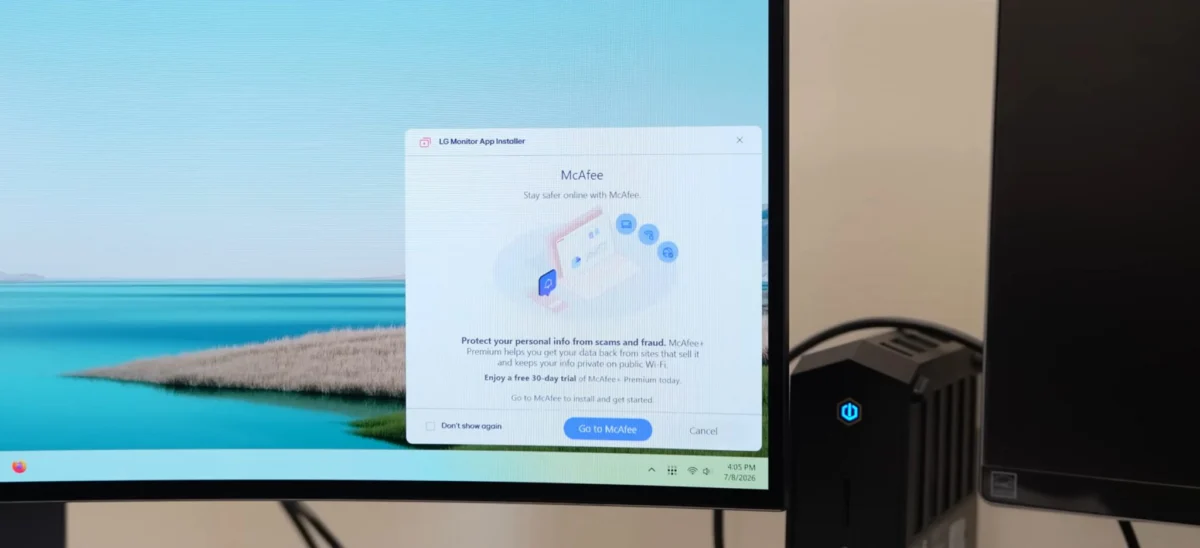
A troubling revelation has emerged regarding LG Electronics, a prominent manufacturer of high-end computer monitors, with users reporting the unconsented installation of an application dubbed "LG Monitor App Installer" along with its associated advertisements on their Windows systems. This practice, reportedly occurring without explicit user prompts or permission, has ignited a fierce debate over consumer privacy, the ethical boundaries of hardware manufacturers, and the regulatory oversight of software distribution via operating systems. The core of the concern lies not only in the disruptive nature of unsolicited ads but, more critically, in the extensive data-collection permissions granted to the installed software, which critics argue constitutes a profound breach of user trust, especially given the premium price point of many LG displays.
The controversy gained significant traction following investigations by prominent tech outlets and content creators, highlighting that the "LG Monitor App Installer" and its subsequent ads appear on users’ systems without any discernible opt-in process. This clandestine installation is particularly alarming for consumers who have invested substantial sums, often exceeding $1,000, in LG’s high-performance monitors. The expectation for premium hardware is a clean, unadulterated user experience, free from the kind of intrusive advertising and background data collection typically associated with lower-cost or "free" software.
The Scope of Permissions and Privacy Implications
At the heart of the privacy outcry are the permissions reportedly sought and obtained by the "LG Monitor App Installer." As detailed by researcher Burke (cited in the original reporting), once installed, the application "technically possesses permission to use ‘all system resources.’" This sweeping access alone raises immediate red flags, suggesting a level of control over a user’s computer that extends far beyond what would be reasonably necessary for a monitor’s companion software.
Even more concerning are the explicit data points the application is empowered to collect. Burke further noted that the software is capable of gathering "geolocation, device data, online activity, contacts, user credentials, transactions, and more." This catalog of personal and sensitive information paints a stark picture of potential surveillance. In an era where data privacy is paramount and regulatory bodies worldwide are enacting stringent laws like the GDPR and CCPA, such broad data harvesting, especially without explicit, informed consent, is highly problematic. The collection of user credentials and transaction data, in particular, poses significant security risks, opening avenues for potential exploitation or misuse should the data ever be compromised.
A Chronology of Discontent and Expansion
Reports indicate that this surreptitious installation practice by LG is not a recent phenomenon but has been ongoing for several years. What has amplified the current concern, however, is a perceived expansion of its reach. Burke himself stated that he recently began observing the pop-up ads on LG monitors he had purchased as far back as three years ago, suggesting either a retrospective activation of this feature or a broader rollout to an older hardware base. This retroactive imposition of unwanted software and advertising further erodes consumer confidence, as it implies that the terms of use for a product can be fundamentally altered long after purchase and without notification.
The "LG Monitor App Installer" itself is described on the Microsoft Store as a tool for users to "easily install and use apps supported by your monitor." Notably, among the listed applications it facilitates is McAfee, a prominent antivirus software often bundled as trialware or bloatware. The inclusion of third-party software, especially one with its own history of aggressive marketing, exacerbates the perception of LG leveraging its hardware for additional revenue streams at the expense of user experience and privacy.
Microsoft’s Role and the UWP Device App Framework
The incident also casts a critical spotlight on Microsoft’s policies regarding companion applications for peripherals and the mechanisms through which these apps are installed on Windows systems. The underlying technology facilitating this auto-installation appears to be Microsoft’s Universal Windows Platform (UWP) device apps. According to a Microsoft support page for Windows developers, UWP device apps are permitted "to automatically install when the user connects their device to the PC." This occurs under specific conditions: if the user has not opted out of "Recommended Settings" during Windows installation, is connected to the internet, and is signed into the Microsoft Store.
Crucially, Microsoft’s own documentation highlights a significant caveat for developers: "The automatic installation feature does not provide a notification to the user when the app is installed. Some users may find this experience confusing and frustrating and give your app a bad rating." This statement, while serving as a warning to developers about potential negative user feedback, inadvertently reveals a systemic vulnerability in Windows’ default settings that can be exploited by hardware manufacturers. By defaulting to auto-installation without notification, Microsoft effectively creates a pathway for vendors like LG to bypass explicit user consent, relying instead on a user’s likely ignorance of granular "Recommended Settings" during initial Windows setup. This policy implicitly shifts the burden of prevention onto the user, rather than requiring proactive transparency from manufacturers.

Industry Precedents and the Bloatware Epidemic
The phenomenon of hardware vendors pre-installing or automatically installing unwanted software, commonly referred to as "bloatware," is unfortunately not new to the tech industry. Several other prominent hardware manufacturers have faced criticism for similar practices. Examples include:
- Razer: Known for its gaming peripherals, Razer has been criticized for requiring users to install its Synapse software, which some users consider intrusive, to unlock full functionality of their devices.
- Logitech: Another giant in gaming and productivity peripherals, Logitech has also drawn fire for its software suites, which are sometimes perceived as excessive or unnecessarily resource-intensive.
- Asus: Motherboard manufacturers like Asus have been implicated in automatically installing utilities and other software components that users may not desire or need.
- Gigabyte: Similar to Asus, Gigabyte has faced user complaints regarding its motherboards installing bloatware without explicit consent.
What makes LG’s case particularly egregious, however, is the context of monitors. Unlike gaming mice or keyboards, which often require companion software for advanced customization (like macros or RGB lighting), monitors traditionally operate effectively as plug-and-play devices with minimal software dependency. The core functionality of a monitor – displaying an image – does not inherently require a sophisticated companion app, let alone one that installs ads and collects extensive personal data. This distinction underscores the perception that LG’s actions are less about enhancing product utility and more about creating additional revenue streams through advertising and data monetization, fundamentally altering the value proposition of their premium hardware.
The Broader Impact: Erosion of Trust and Consumer Rights
The implications of LG’s alleged actions extend far beyond individual user annoyance. This practice strikes at the very foundation of consumer trust in hardware manufacturers. When users invest in high-end products, they expect quality, reliability, and respect for their privacy. The covert installation of adware and data-harvesting software directly undermines these expectations. It fosters a sense of betrayal, suggesting that a company prioritizes its own commercial interests over the digital well-being and autonomy of its customers.
From a security perspective, granting "all system resources" access and collecting sensitive data points like "user credentials" and "transactions" creates a significant attack surface. Should the "LG Monitor App Installer" or its associated servers be compromised, the breadth of data collected could lead to severe consequences for users, including identity theft, financial fraud, and privacy breaches. This risk is amplified by the fact that users are often unaware the software is even present, let alone the extent of its permissions.
The incident also raises important questions about consumer rights and accountability in the digital age. In many jurisdictions, laws are designed to protect consumers from deceptive practices and ensure transparency regarding data collection. The lack of explicit consent for the installation and operation of the "LG Monitor App Installer" could potentially fall afoul of these regulations, prompting calls for investigations by consumer protection agencies.
Official Responses and the Path Forward
In the wake of these revelations, Ars Technica, a respected tech publication, reached out to LG for comment regarding the purpose of the "LG Monitor App Installer," the specific monitors affected, and the pressing privacy concerns. A company representative reportedly acknowledged receipt of these inquiries but failed to provide a substantive response prior to the article’s publication. This silence from LG, while not an admission of guilt, often compounds public frustration and fuels speculation about the company’s motives and practices.
In contrast, the tech community, spearheaded by independent creators like Gamers Nexus, has been instrumental in bringing these issues to the forefront. Gamers Nexus, citing numerous user complaints, has indicated that various LG monitor models are involved in this auto-installation practice. While a definitive, exhaustive list of affected models was not immediately available in the context of the original reporting, the implication is that the issue is widespread across LG’s monitor lineup, further suggesting a systemic company policy rather than an isolated glitch.
For consumers, navigating this landscape requires increased vigilance. Best practices include:
- Reviewing privacy policies: Though often lengthy, understanding what software collects is crucial.
- Custom installation settings: During OS setup, opting out of "Recommended Settings" and carefully reviewing all options can prevent unwanted software.
- Regular system audits: Periodically checking installed programs and background processes can identify unauthorized software.
- Utilizing firewall and privacy tools: These can help monitor and restrict network access for suspicious applications.
Ultimately, this situation underscores a growing tension in the tech industry: the desire of hardware manufacturers to leverage their products as platforms for additional monetization versus the fundamental right of consumers to privacy, transparency, and an unencumbered user experience, especially when purchasing premium products. It highlights the urgent need for clearer regulations, more stringent oversight from operating system providers like Microsoft, and a renewed commitment from manufacturers to ethical business practices that prioritize user trust above all else. Without these changes, the bloatware and privacy concerns seen with LG monitors are likely to become an increasingly pervasive challenge for consumers across the technology landscape.