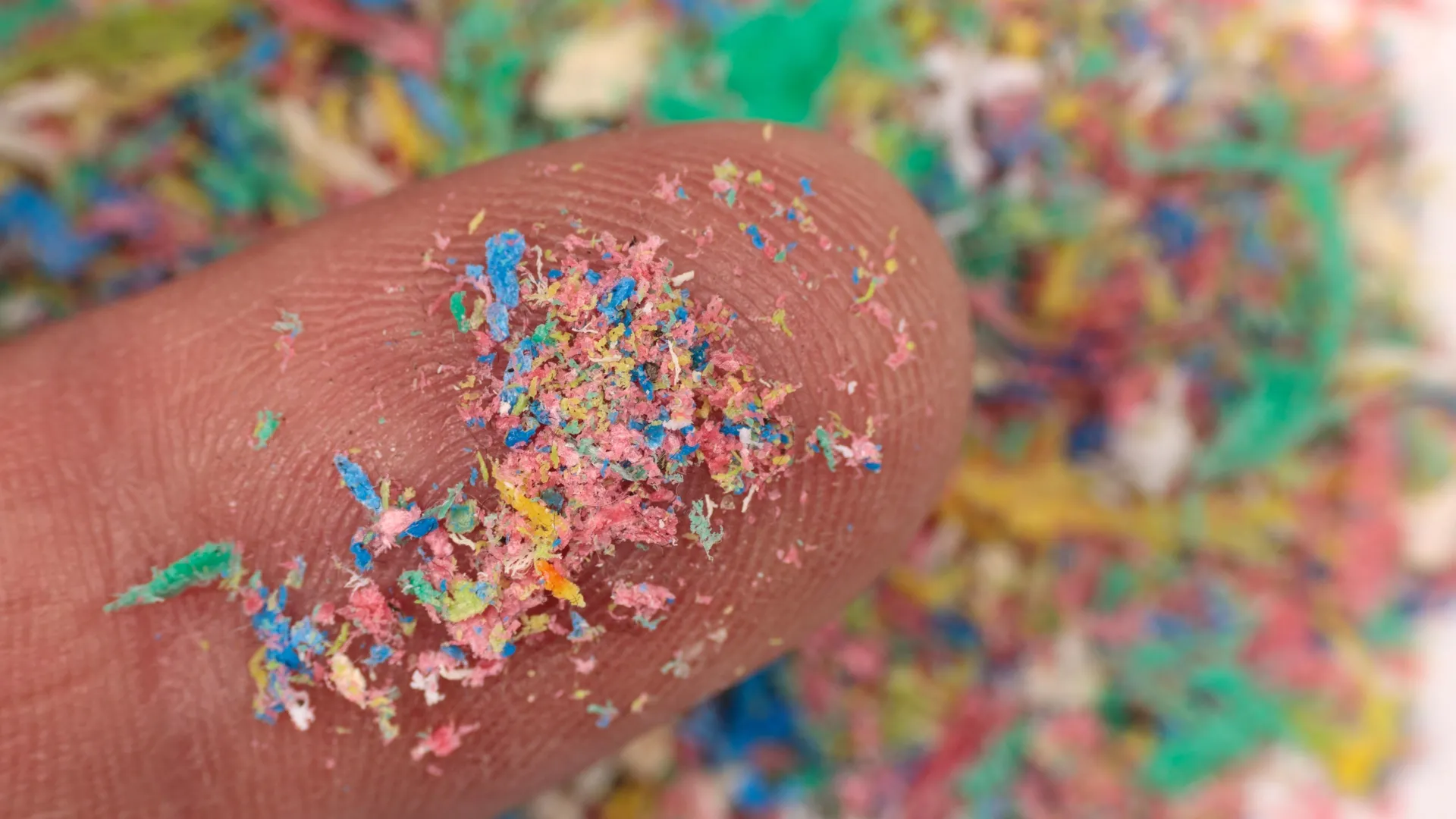
The ubiquity of plastic in modern society is sustained by a foundational, long-held assumption in materials science: that polymers are chemically stable, inert substances unlikely to react with their surrounding environments. From food packaging and single-use water bottles to children’s toys and synthetic textiles, plastic has been embraced for its durability and passivity. However, groundbreaking new research from a collaborative team at Columbia University and the University of California, Berkeley, reveals that this fundamental assumption collapses when plastics break down into microscopic fragments.
Published in the prestigious journal Nature, the study demonstrates that as larger plastic items fracture into microplastics and nanoplastics, their physical transformation triggers unexpected and potentially hazardous chemical reactions. Rather than serving as passive contaminants, these tiny particles actively alter the chemistry of the water surrounding them, generating high-energy, reactive molecules known as reactive oxygen species (ROS). This discovery provides a missing biological link that could help explain the growing body of clinical evidence connecting microplastic exposure to severe human health conditions, including cardiovascular disease, neurological disorders, and cellular damage.
The Evolution of Microplastic Research: A Chronological Overview
To understand the weight of the latest findings, scientists emphasize the rapid evolution of microplastic research over the past several years. For decades, environmental studies focused primarily on macro-plastics—visible waste choking oceans, littering landscapes, and endangering marine wildlife. The invisible threat of microplastics (particles smaller than 5 millimeters) and nanoplastics (particles smaller than 1 micrometer) remained largely unquantified due to technological limitations in detection.
A pivotal shift occurred in January 2024, when researchers at Columbia University unveiled a breakthrough laser-based microscopy technique capable of visualizing and identifying nanoscale plastic particles with unprecedented precision. Utilizing this technology, the research team analyzed popular brands of bottled water and uncovered a staggering reality: a single liter of bottled water contained an average of approximately 240,000 detectable plastic fragments, predominantly nanoplastics. This figure was 10 to 100 times higher than previous scientific estimates had suggested, thrusting the issue of microscopic plastic contamination into global headlines and reshaping public health discourse.
The urgency surrounding the topic escalated further in 2026. Recognizing the mounting evidence of systemic contamination, the federal government launched a $144 million multidisciplinary initiative dedicated to investigating and mitigating toxic microplastics within the human body. Concurrently, the U.S. Environmental Protection Agency (EPA) officially added microplastics to its federal list of contaminants of concern for drinking water—marking the first time these particles have received formal regulatory tracking.
Despite these regulatory and investigative milestones, a critical scientific question persisted. Medical journals such as the New England Journal of Medicine, Nature Medicine, and Nature Health began publishing alarming observational studies associating microplastic and nanoplastic exposure with heart attacks, strokes, dementia, and brain tumors. Yet, because plastics were classified as chemically inert, researchers lacked a clear mechanistic explanation for how microscopic fragments could drive such profound biological pathology. The newly published Nature study directly addresses this gap by identifying a previously unrecognized chemical pathway.
Unraveling the Chemistry: How Water Becomes an Active Participant
The crux of the new discovery lies in the dynamic interaction between water and the newly exposed surface areas of fragmenting plastics. As a plastic object breaks down, its surface-to-volume ratio increases exponentially. Scientists previously understood that this physical degradation allowed particles to travel more easily through biological barriers, penetrating cell membranes, crossing the blood-brain barrier, and accumulating in vital organs. However, the Columbia and UC Berkeley teams discovered that the dramatic increase in surface area also creates a chemically active interface with aqueous environments.
"As plastic fragments into smaller and smaller particles, its surface area increases enormousness. Then microplastics change the water that surrounds them, generating high-energy, reactive radicals that very likely contribute to biological damage that we see in animals and potentially in humans as a result of microplastic exposure," explained Wei Min, a professor of Chemistry and Biomedical Engineering at Columbia University.
The mechanism itself challenges conventional intuition about hydrophobic materials. Most commodity plastics are hydrophobic, meaning their surfaces actively repel water. When water molecules encounter these water-repelling boundaries, the physical and electrical arrangement of molecules near the interface shifts significantly compared to bulk water.
Through a combination of chemical and biological experiments at Columbia, paired with advanced theoretical calculations and molecular dynamics computer simulations led by Professor Teresa Head-Gordon’s laboratory at UC Berkeley, the researchers mapped out the exact sequence of events. The Berkeley team demonstrated that negatively charged hydroxide ions become abnormally concentrated in the microscopic layers of water immediately adjacent to the hydrophobic plastic surfaces.
In this specialized microenvironment, these ions readily lose electrons, facilitating an electron-transfer process that spawns hydroxyl radicals and other reactive oxygen species (ROS). ROS are textbook examples of aggressive, unstable molecules that seek stability by stealing electrons from nearby structures, thereby inducing oxidative stress and inflicting structural damage on lipids, proteins, and DNA within living cells.
"Water is a key active player here, rather than just a spectator," Min noted. "It’s integral to making these microplastics reactive. Water molecules become chemically active when they come into contact with plastic… Contact between the water and plastic creates an environment that facilitates electron transfer, and the formation of reactive radicals."
Implications for Human Health and Internal Exposure
The realization that microplastics can continuously generate ROS inside the human body carries profound toxicological implications. Human blood, lymph, and intracellular fluids are predominantly water-based. Consequently, once microplastics and nanoplastics cross epithelial barriers in the lungs or digestive tract and enter the bloodstream, they encounter the exact chemical conditions required to sustain these radical-generating reactions.
Naixin Qian, a postdoctoral researcher in Wei Min’s lab and a co-lead author of the study, emphasized the direct link between these findings and biological tissue degradation. "Our research found that when microplastics interact with water, as they do when they’re in bottled water, or when they’re absorbed into our bloodstream, they spontaneously generate what we call reactive oxygen species. ROS are textbook examples of the kinds of molecules that can damage animal and human tissue."
While the study establishes a foundational chemical pathway, researchers urge caution, noting that further investigation is required to map out direct causal relationships between this ROS generation and specific clinical diseases in humans. Nevertheless, the discovery provides a plausible, chemically sound mechanism that bridges the gap between environmental plastic pollution and clinical pathology.
Environmental Pathways and Everyday Exposure Sources
Beyond human physiology, the implications of this research extend deeply into global ecosystems. Microplastics enter aquatic environments through multifaceted pathways, including industrial manufacturing effluent, wastewater treatment plant discharges from commercial laundromats shedding synthetic fibers, and the routine degradation of litter exposed to weathering.
Co-author Beizhan Yan of Columbia University’s Lamont-Doherty Earth Observatory pointed out that ordinary domestic habits also accelerate the shedding and transformation of these particles. Everyday activities such as heating food in plastic containers inside a microwave, or leaving bottled water exposed to intense sunlight during transport and storage, significantly increase the rate at which microscopic fragments are generated and modified.
"This work has significant implications for environmental and human health," Yan stated. "In certain environments, such as discharges from plastic manufacturers and laundromats, microplastics can form and enter aquatic environments. This work also indicates that radicals can form on hydrophobic plastic surfaces in water, which could affect ecosystems and human health following exposure. In addition, various uses and processes in our daily lives can generate microplastics, including microwave heating, sunlight exposure of bottled water during storage. This foundational work provides a potential pathway for understanding their health impacts."
Pathways Toward Safer Engineering and Mitigation
Armed with this new understanding of how hydrophobic surfaces drive chemical reactivity in aqueous solutions, materials scientists and chemical engineers are already looking toward long-term solutions. Rather than viewing plastic pollution as an insurmountable environmental crisis without recourse, researchers believe the findings can guide the redesign of next-generation polymers.
"Our fundamental work that the most hydrophobic microplastics interacting with water can drive chemical reactivity could ultimately lead to new engineering solutions by redesigning the chemistry of these commodity plastics to reduce the toxic outcomes on health and the environment," said Teresa Head-Gordon of UC Berkeley.
By altering surface chemistries, embedding stabilizing additives, or shifting toward genuinely biodegradable biopolymers that do not yield persistent, reactive micro-fragments, the manufacturing sector may eventually curtail the hidden chemical hazards of plastic waste.
Ultimately, the revelation that microplastics are not inert passengers, but rather active chemical agents capable of manufacturing toxins in the presence of water, transforms the scientific paradigm surrounding plastic pollution. As regulatory bodies ramp up surveillance and funding agencies direct substantial resources toward human biomonitoring, this foundational chemistry provides the essential framework needed to evaluate, confront, and eventually mitigate the pervasive risks of the plastic age.