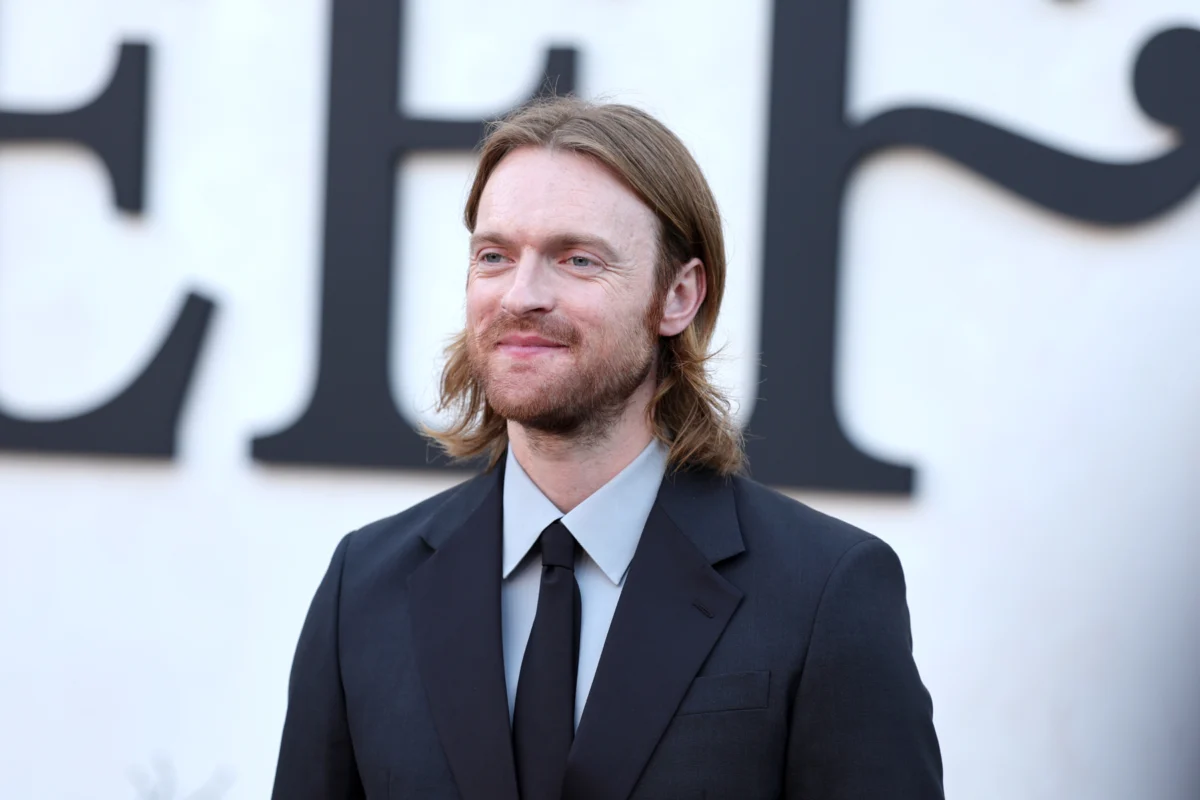
The cancellation of Macklemore’s appearances, a move driven by venue owners and industry stakeholders, has ignited a firestorm of controversy regarding artistic freedom, the power of private venue ownership, and the role of musicians in political discourse. As of this week, high-profile artists including Finneas, Lukas Graham, Aaron Rowe, and the traditional Irish folk ensemble Beoga have officially withdrawn from their scheduled performances on the Loop Tour, citing a principled stance against what they characterize as the silencing of voices speaking in support of Palestinian rights.
The Catalyst: The MetLife Stadium Controversy
The chain of events began at two sold-out shows at MetLife Stadium in New Jersey. During these performances, Macklemore—known for his outspoken social activism—used his platform to express solidarity with civilians in Gaza and the occupied West Bank. The rapper’s set included a performance of his protest song "Hind’s Hall," an anthem inspired by the student-led pro-Palestine encampments at Columbia University.
In addition to his music, Macklemore explicitly called for a ceasefire and criticized the humanitarian toll of the conflict. These actions drew swift and intense condemnation from pro-Israel advocacy groups, who characterized the imagery and rhetoric used by the artist as deeply offensive and inflammatory. The pressure from these organizations quickly moved from the digital sphere to the corporate boardrooms of major stadium operators.
Chronology of the Fallout
The timeline of the fallout demonstrates a rapid escalation from industry friction to a full-scale tour crisis:
- Mid-to-Late October: Macklemore performs at MetLife Stadium, sparking immediate backlash from pro-Israel groups regarding his onstage statements.
- Early November: Reports emerge that stadium operators have issued an ultimatum to the tour’s promoter, Messina Touring Group (MTG), and Ed Sheeran. The message was clear: if Macklemore remained on the bill, the venues would deny access for future dates.
- Monday, November 4: The tour organizers officially drop Macklemore from the lineup. Macklemore releases a public statement alleging that New England Patriots owner Robert Kraft was the primary architect behind the pressure campaign.
- Tuesday, November 5: Ed Sheeran issues a statement clarifying that the decision to remove the rapper was not his own, but a mandate from the promoters and venue owners.
- November 6–8: A wave of supporting acts, including Finneas, Lukas Graham, Aaron Rowe, and Beoga, announce their departure from the tour in protest of the decision.
The Role of Venue Ownership and Corporate Pressure
The incident has highlighted the immense leverage held by stadium owners in the modern music industry. Robert Kraft, the owner of Gillette Stadium, confirmed his refusal to host the rapper, citing a "history of antisemitic rhetoric and imagery." This move by a high-profile figure like Kraft serves as a focal point for the broader debate on where the line is drawn between private venue management and censorship.
Under current industry contracts, venue owners often retain significant "morality clauses" or operational control over the talent booked for their facilities. However, the coordinated nature of the ultimatum—where multiple owners allegedly acted in concert—suggests a level of industry alignment that critics argue is designed to suppress political speech that contradicts the prevailing institutional or donor-aligned perspectives on the conflict in Gaza.
Artist Responses and the Rationale for Withdrawal
The artists who have departed the tour have framed their decisions as a moral imperative. Finneas, the Grammy-winning songwriter and producer, stated on Instagram, "Artists must not be silenced when they speak up for the oppressed. I have decided to withdraw from my upcoming tour dates with Ed Sheeran. I stand with Palestine and its people."
Lukas Graham, the Danish pop artist, emphasized the human cost of the conflict, arguing that financial considerations should not dictate the limits of public dialogue. "Money doesn’t give you the right to own the conversation," Graham noted. "Nobody’s bank balance should decide who gets to speak or which suffering we’re allowed to acknowledge."
Perhaps the most poignant response came from the Irish folk band Beoga, who have deep roots in the Irish tradition of anti-colonial struggle. "As Irish people, we understand colonialism," the band wrote in a collective statement. "We were there for Macklemore’s performance and speech. We fully supported his message… to play in venues that silence anyone advocating for a Free Palestine is simply not an option for us."
Fact-Based Context: The Humanitarian Crisis in Gaza
The discourse surrounding these artist statements occurs against the backdrop of a severe humanitarian crisis. Since the October 7, 2023, Hamas-led attacks on Israel, the subsequent Israeli military campaign in Gaza has resulted in massive civilian casualties and the widespread destruction of infrastructure.
Humanitarian organizations, including the United Nations, have frequently cited the catastrophic levels of famine, displacement, and disease within the territory. While Israel maintains that its operations are necessary to dismantle Hamas and are conducted in accordance with international law, a growing body of international legal experts and human rights bodies have accused the state of actions that, they argue, meet the threshold of genocide. The United States and Israel vehemently deny these allegations, labeling the charges as biased and legally unfounded.
The divide in public opinion—reflected in the music industry’s current turmoil—mirrors the deep-seated polarization present in global politics regarding the legitimacy of the military campaign and the definition of the conflict.
Implications for the Live Music Industry
The withdrawal of these acts presents a significant operational challenge for Ed Sheeran and the Messina Touring Group. Replacing established acts on short notice is a complex logistical task, but the reputational impact may prove more difficult to manage. The "Loop Tour," which relies on a high-energy, collaborative atmosphere, now faces the task of rebranding its supporting lineup under a cloud of political contention.
Beyond the immediate tour, this event sets a precedent that may influence how future tours are booked and managed. If venue owners continue to use their power to vet the political stances of artists, the industry could see a further bifurcation of the touring circuit. Some venues may become "no-go zones" for artists with outspoken social or political views, while others may market themselves as bastions of free expression.
Industry analysts suggest that this event could lead to a re-evaluation of force majeure and morality clauses in performance contracts. As artists become increasingly vocal about global issues, the tension between the commercial interests of stadium owners and the expressive freedom of the performers is likely to intensify.
The Path Forward
As of this writing, Ed Sheeran has expressed a desire to "build bridges" and find a resolution, though he has not provided a specific plan for how he intends to address the loss of his opening acts. His statement emphasized his personal integrity, but it did not satisfy the critics who believe that his continued association with these venues—even under duress—constitutes an implicit acceptance of the censorship of his peers.
For the music industry, the Macklemore-Sheeran episode is a watershed moment. It has forced a conversation about the boundaries of the stage, the ethics of corporate gatekeeping, and the responsibility of artists to their conscience versus their contractual obligations. As the Loop Tour continues, the empty slots left by the departing artists will serve as a visible reminder of the deep, unresolved fissures that currently define the intersection of pop culture and global geopolitics.