The security architecture of the Persian Gulf faced renewed strain on Saturday as Bahrain’s interior ministry reported that an Iranian strike had targeted a civilian industrial facility, igniting a localized fire and causing material damage. The incident, which resulted in no casualties, marks a sharp intensification of hostilities in the region following a two-month relative lull. This escalation coincides with a broader diplomatic and military friction point involving stalled U.S.-Iran negotiations, intensifying maritime disruptions in the Strait of Hormuz, and escalating proxy conflicts across Yemen and Saudi Arabia.
The latest strike in Bahrain underscores the persistent vulnerability of Gulf infrastructure nearly nine months after the outbreak of the current U.S.-Iran conflict. According to official statements released via social media, Bahraini civil defense teams were swiftly deployed to contain the blaze. While authorities withheld the precise geographic coordinates of the targeted site, the strike highlights the precarious security environment of Bahrain, a strategic island nation that hosts the United States Navy’s Fifth Fleet. A U.S. official confirmed to CBS News that while Iran launched multiple renewed attack attempts in the area, American military assets and personnel sustained no direct impacts. Nevertheless, Saturday’s event represents the fourth attempted Iranian strike in Bahrain within roughly a week, signaling an abrupt end to the tentative stability that had prevailed in the southern Gulf since September.
Stalled Diplomacy and Divergent Demands
The kinetic flare-up in the Gulf unfolds against a backdrop of stagnant diplomatic channels. Iranian Deputy Foreign Minister Kazem Gharibabadi confirmed on Saturday that a high-level Qatari delegation visited Tehran the previous evening for two hours of closed-door consultations aimed at reviving peace talks. However, substantive progress remains elusive as the United States and Iran remain deadlocked over foundational prerequisites.
Iranian Foreign Minister Abbas Araghchi asserted in state television broadcasts that regional diplomacy must be afforded a genuine opportunity, but he maintained a hardline stance regarding the ongoing U.S. naval blockade of the Strait of Hormuz. Araghchi insisted that the blockade "must be lifted rationally" and declared that any discussion concerning the reopening of the strategic waterway is "pointless" until Tehran’s core demands are satisfied.
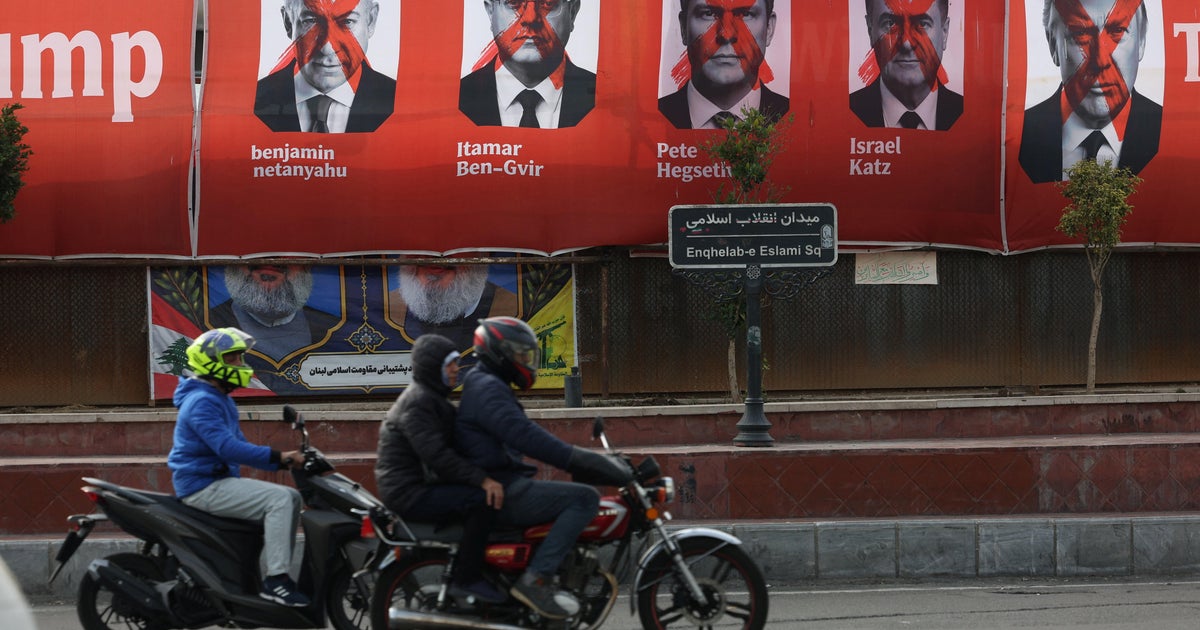
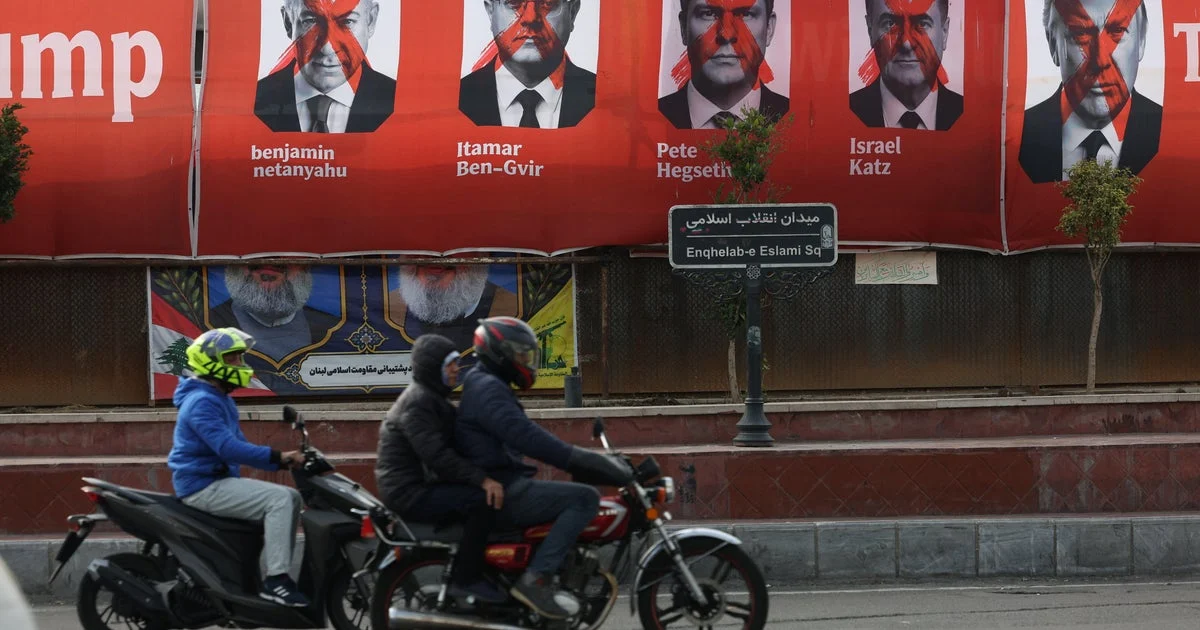
Iran’s stated conditions for de-escalation encompass a comprehensive cessation of hostilities on all fronts, the unfreezing of billions of dollars in sovereign Iranian assets abroad, the termination of international oil sanctions, and the removal of the U.S. counter-blockade targeting Iranian ports. Meanwhile, President Donald Trump, speaking during a White House news conference and in subsequent media interviews, emphasized his administration’s pursuit of a "permanent" agreement designed to permanently bar Tehran from developing a nuclear weapon. Trump expressed frustration with the negotiating posture of Iranian officials, whom he accused of repeatedly reneging on diplomatic commitments, while noting that he, Russian President Vladimir Putin, and Chinese President Xi Jinping had recently discussed cooperative measures to curb global nuclear proliferation.
Maritime Chokepoints and Military Posturing
The waterway connecting the Persian Gulf to the open ocean remains a primary theater of conflict. On Saturday, the United Kingdom Maritime Trade Operations (UKMTO) reported that two commercial tankers were targeted in separate attacks within the Strait of Hormuz. One outbound vessel was struck on the stern by an unknown projectile, while another suffered a direct hit to its engine room. Both ships reported fires or structural impacts, though no casualties were documented among their crews.
These incidents follow a protracted campaign by Tehran to restrict maritime traffic through the strait—historically the transit route for roughly one-fifth of the world’s petroleum and natural gas—in retaliation for the U.S.-led naval blockade. In tandem with the maritime strikes, Iranian state media reported that air defense systems shot down a U.S. drone over Qeshm Island, an assertion swiftly denied by U.S. Central Command (CENTCOM). The conflicting reports follow precision strikes executed by American fighter jets against an Islamic Revolutionary Guard Corps (IRGC) missile facility on Qeshm Island earlier in the week, an action the Pentagon described as a necessary self-defense measure against hostile targeting of U.S. personnel.
Demonstrating its domestic military resilience, Iranian state television broadcast footage from an underground facility where the IRGC unveiled a new dual-missile launcher capable of firing liquid-fueled projectiles. Military analysts note that liquid-fueled systems offer superior efficiency and trajectory-adjustment capabilities compared to older solid-fuel counterparts. Brigadier General Seyyed Majid Mousavi, commander of the IRGC Aerospace Force, boasted that Iran’s combat capabilities have expanded significantly through the integration of strategic assets designed to counter foreign intelligence assessments of its military degradation.
Widening Regional Fallout: Yemen and Saudi Arabia
Beyond the immediate Gulf littoral, the conflict continues to reverberate across the Arabian Peninsula. The Saudi-led military coalition reported intercepting three ballistic missiles targeting the Saudi capital of Riyadh early Saturday morning, alongside two additional missiles aimed at the southern Jazan region. The attacks, claimed by Yemen’s Iran-backed Houthi movement, triggered emergency air defense activations and a temporary civil defense alert across Riyadh’s financial district, which Houthi military spokesmen had previously designated as a military target.
The intensification of Houthi cross-border strikes follows a retaliatory Saudi-led coalition operation on Friday against the Red Sea port city of Hodeidah. The coalition had earlier issued urgent evacuation warnings to civilians residing near the port, signaling an anticipated expansion of air campaigns aimed at degrading Houthi supply lines. Humanitarian concerns have mounted concurrently, with Houthi health authorities accusing coalition strikes of inflicting civilian casualties during operations near coastal infrastructure.
Domestic Political Pressures and Investigation Outcry
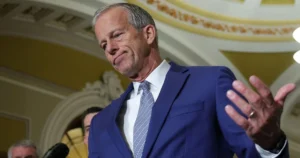
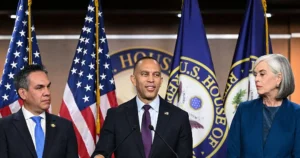
The compounding crises in the Middle East continue to generate domestic political friction in Washington and Jerusalem. On Capitol Hill, a bipartisan war powers resolution aimed at curtailing presidential authority to initiate offensive military operations against Iran fell short in the United States Senate on Thursday. Despite growing voter frustration regarding the economic toll of the conflict—a sentiment underscored by recent midterm election outcomes—the measure failed in a 48-51 vote. Three Republican senators crossed party lines to support the resolution alongside nearly the entire Democratic caucus, but the legislative effort ultimately lacked the supermajority required to overcome executive opposition.
Concurrently, the Pentagon faces severe scrutiny from Gold Star families regarding the unclassified findings of an internal military investigation into the March 1 drone strike at Port Shuaiba in Kuwait. The attack, which claimed the lives of six U.S. Army Reserve soldiers, remains the single deadliest loss of American military personnel in the current conflict. Family members briefed on the forthcoming report expressed deep dissatisfaction, arguing that the military’s findings failed to adequately address systemic shortcomings in base fortifications, early-warning protocols, and tactical preparedness.
In Israel, political volatility has introduced additional variables into regional strategy. Opposition leader Gadi Eisenkot, tasked with forming a new government following inconclusive elections, vowed to expedite coalition talks to prevent protracted political paralysis. Eisenkot criticized outgoing Prime Minister Benjamin Netanyahu for allegedly entangling national military timetables with domestic political preservation, as intelligence reports indicate that Israeli and U.S. leadership have weighed the feasibility of a renewed joint military offensive to neutralize rapidly rebuilding Iranian nuclear and ballistic missile infrastructure.
As the international community navigates these overlapping crises, the trajectory of the conflict remains suspended between fragile diplomatic overtures and the persistent threat of a wider conflagration. With leadership in Washington, Tehran, and regional capitals signaling competing visions for a durable settlement, the security landscape of the Middle East continues to operate on a volatile knife-edge.