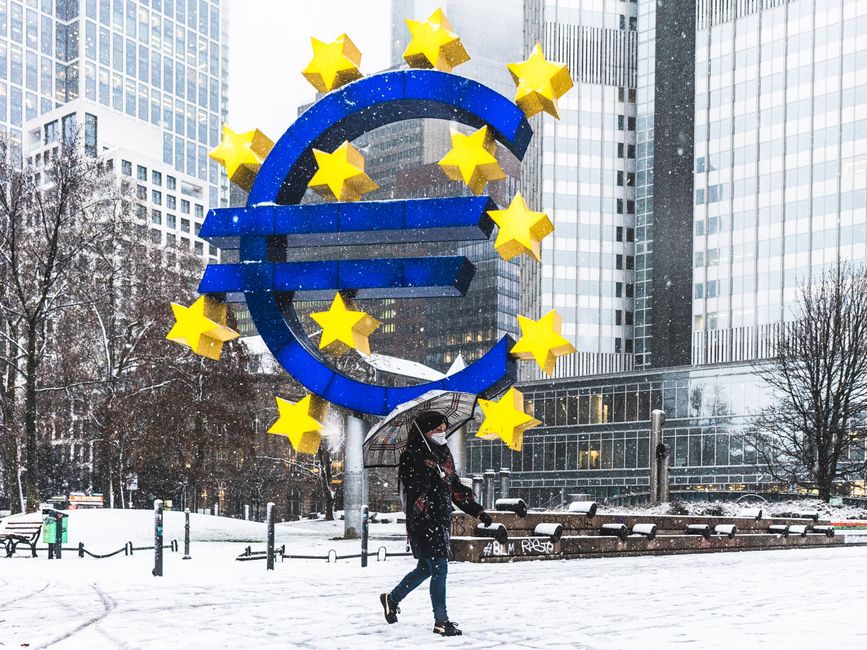
The European Economy: Navigating Growth, Challenges, and Future Trajectories
The European economy, a dynamic and multifaceted entity, represents a significant portion of global economic output and is characterized by its intricate web of member states, diverse industrial bases, and a deeply integrated single market. This economic bloc, primarily defined by the European Union (EU), but also encompassing non-EU European nations with strong economic ties, is a complex organism shaped by historical evolution, policy decisions, and global economic forces. Its performance and trajectory have profound implications not only for its citizens but also for international trade, investment, and geopolitical stability. Understanding the European economy requires a multifaceted approach, examining its core strengths, persistent vulnerabilities, and the ongoing efforts to foster sustainable and inclusive growth in an ever-changing world.
At its heart, the European economy is powered by a robust and diversified industrial sector. While manufacturing remains a cornerstone, particularly in sectors like automotive, aerospace, pharmaceuticals, and machinery, the service sector has grown to dominate employment and economic output. This includes vital areas such as finance, tourism, technology, and logistics, reflecting a transition towards a knowledge-based economy. The Single Market, arguably the EU’s most significant achievement, has been instrumental in facilitating the free movement of goods, services, capital, and people across member states. This has fostered competition, driven efficiency, and created economies of scale, making European businesses more competitive on the global stage. The Eurozone, comprising 19 member states that have adopted the Euro as their common currency, represents a further layer of integration. The single currency has eliminated exchange rate volatility within the bloc, reduced transaction costs, and promoted price transparency, fostering deeper trade and investment relationships.
However, the European economy is not without its significant challenges. Demographic shifts, characterized by aging populations and declining birth rates in many member states, pose a substantial long-term threat to economic growth and public finances. A shrinking workforce can lead to reduced productivity, increased pension and healthcare burdens, and a potential strain on social welfare systems. This necessitates reforms in labor markets, pension systems, and immigration policies to ensure future sustainability. Furthermore, regional disparities persist within Europe, with significant economic divergence between the wealthier Western and Northern European countries and the less developed Eastern and Southern regions. While the EU has made efforts to promote convergence through structural and cohesion funds, these disparities continue to influence economic performance, social cohesion, and political dynamics.
The rise of globalization and increased competition from emerging economies have also presented ongoing challenges. European businesses have had to adapt to new competitive landscapes, invest in innovation, and maintain their technological edge to remain at the forefront of global industries. The digital revolution, while offering immense opportunities for growth and efficiency, also requires significant investment in digital infrastructure, skills development, and regulatory frameworks to ensure fair competition and data security. The transition to a green economy, driven by the urgent need to address climate change, is another defining characteristic of the contemporary European economic agenda. The EU has set ambitious targets for emissions reduction and renewable energy deployment, necessitating massive investments in sustainable technologies, infrastructure, and industrial transformation. This green transition, while presenting significant economic opportunities in terms of job creation and new industries, also poses transitional challenges for carbon-intensive sectors and requires careful management to avoid exacerbating social inequalities.
The sovereign debt crisis of the early 2010s served as a stark reminder of the vulnerabilities inherent in a monetary union without full fiscal integration. The crisis exposed deep-seated structural weaknesses in the economic governance of the Eurozone, leading to significant austerity measures in affected countries and a prolonged period of low growth. While reforms have been implemented to strengthen fiscal surveillance and crisis management mechanisms, concerns about the long-term stability and resilience of the Eurozone remain. The interconnectedness of European economies means that economic shocks in one member state can have ripple effects across the entire bloc, underscoring the need for greater solidarity and coordinated policy responses.
Geopolitical factors also exert a significant influence on the European economy. The ongoing conflict in Ukraine has had a profound impact, particularly concerning energy security and inflation. Europe’s historical reliance on Russian fossil fuels has been a major vulnerability, prompting urgent efforts to diversify energy sources and accelerate the transition to renewables. The war has also disrupted supply chains, increased geopolitical uncertainty, and exacerbated inflationary pressures, necessitating coordinated fiscal and monetary policy responses. Trade relations with major global partners, particularly China and the United States, are also crucial determinants of European economic performance. Navigating complex geopolitical landscapes, maintaining open trade channels, and fostering fair competition are ongoing priorities.
The European Central Bank (ECB) plays a pivotal role in managing monetary policy for the Eurozone. Its primary mandate is to maintain price stability, but it also contributes to economic growth and financial stability. In recent years, the ECB has employed unconventional monetary policy tools, such as quantitative easing, to combat low inflation and stimulate economic activity. The effectiveness and long-term consequences of these policies are subjects of ongoing debate. Balancing the need for price stability with the imperative of supporting economic recovery and growth remains a delicate act for the central bank.
Labor markets across Europe exhibit considerable diversity, ranging from highly flexible systems to those with more rigid regulations and strong worker protections. Reforms aimed at increasing labor market flexibility, boosting skills, and promoting higher participation rates are crucial for enhancing economic dynamism and reducing unemployment, particularly youth unemployment, which remains a persistent challenge in some regions. Social dialogue between employers, trade unions, and governments plays a vital role in shaping labor market outcomes and ensuring fair working conditions.
Innovation and research and development (R&D) are critical drivers of long-term competitiveness for the European economy. The EU has prioritized investment in R&D through programs like Horizon Europe, aiming to foster scientific excellence, technological advancement, and the commercialization of innovative products and services. However, Europe faces stiff competition from other global innovation hubs, and a persistent challenge is translating scientific breakthroughs into market-leading products and businesses. Bridging the gap between research and industrial application, fostering a more entrepreneurial culture, and attracting and retaining top talent are crucial for future success.
The regulatory environment within the EU plays a significant role in shaping economic activity. The EU’s commitment to a strong regulatory framework aims to ensure fair competition, protect consumers and the environment, and promote a level playing field for businesses. However, the complexity and volume of EU regulations can also pose a burden for businesses, particularly small and medium-sized enterprises (SMEs). Striking the right balance between effective regulation and administrative simplification is an ongoing challenge. The digital single market initiative aims to further harmonize digital services and e-commerce rules, fostering innovation and consumer trust in the digital economy.
Looking ahead, the European economy faces a confluence of challenges and opportunities. The ongoing green and digital transitions are not merely policy objectives but fundamental economic shifts that will reshape industries, create new markets, and demand significant adaptation. The ability of European nations to effectively manage these transitions will determine their future economic prosperity and global influence. Strengthening economic resilience, fostering greater fiscal and banking union, and addressing demographic headwinds will be critical for ensuring long-term stability and growth. The success of the European economy will ultimately depend on its capacity for adaptation, innovation, and coordinated action in the face of evolving global economic and geopolitical realities. This involves investing in human capital, fostering a supportive business environment, and embracing sustainable and inclusive growth models that benefit all citizens.
