Supreme Court Doge Musk Trump: Navigating the Interplay of Meme Culture, Billionaire Influence, and Judicial Power
The intersection of "Supreme Court," "Doge," "Musk," and "Trump" signifies a complex and evolving landscape where decentralized digital phenomena, the immense power of a prominent tech mogul, and the highest court of the United States coalesce. This nexus, while seemingly disparate, represents a potent confluence of cultural influence, financial leverage, and constitutional authority, each capable of impacting the other in profound and often unpredictable ways. Understanding this interplay requires dissecting the individual components and then examining their potential points of interaction, from the abstract realm of online discourse to concrete legal and economic consequences.
The concept of "Doge" itself is intrinsically linked to internet meme culture and its transformation into a decentralized cryptocurrency, Dogecoin. Originating as a lighthearted parody of Bitcoin, Dogecoin gained immense popularity through online communities, primarily on platforms like Reddit and Twitter. Its decentralized nature means no single entity controls it, and its value is driven by collective sentiment, social media trends, and speculative investment. Elon Musk’s repeated public endorsements and playful engagement with Dogecoin have undeniably amplified its visibility and market fluctuations. His tweets, often characterized by their brevity and meme-like quality, have become significant catalysts for Dogecoin’s price movements, demonstrating the potent influence of a single individual’s voice within the decentralized digital asset space. This phenomenon highlights a novel form of market manipulation, or at least significant influence, that exists outside traditional financial regulatory frameworks. The question then arises: what happens when such digitally native, meme-driven assets, amplified by billionaire influencers, encounter the established legal structures overseen by the Supreme Court?
Donald Trump, a former U.S. President and a highly polarizing figure, represents a different but equally impactful form of influence. His presidency was marked by a significant number of judicial appointments, including three Supreme Court justices, fundamentally altering the ideological balance of the Court. Trump’s public pronouncements, legal challenges, and ongoing political activities continue to shape the national discourse and often find their way into legal proceedings that may ultimately reach the Supreme Court. His relationship with the legal system is multifaceted, involving both the exercise of presidential power and his personal engagement with legal disputes. The perception of his influence on judicial appointments and his vocal criticism of judicial outcomes are central to understanding his impact on the broader legal landscape.
Elon Musk, beyond his association with Dogecoin, is a titan of industry whose ventures span electric vehicles (Tesla), space exploration (SpaceX), and artificial intelligence (xAI). His immense wealth and global reach grant him significant economic and technological power. This power can manifest in various ways, including influencing public opinion, shaping regulatory discussions, and even impacting geopolitical events. Musk’s engagement with Dogecoin, while seemingly trivial, is symptomatic of a broader trend where influential individuals can leverage their platforms to impact nascent technologies and financial markets. His pronouncements can trigger both excitement and apprehension, and his business dealings are subject to a vast array of regulations and legal oversight, which could, in turn, bring his actions or those of his companies before the Supreme Court.
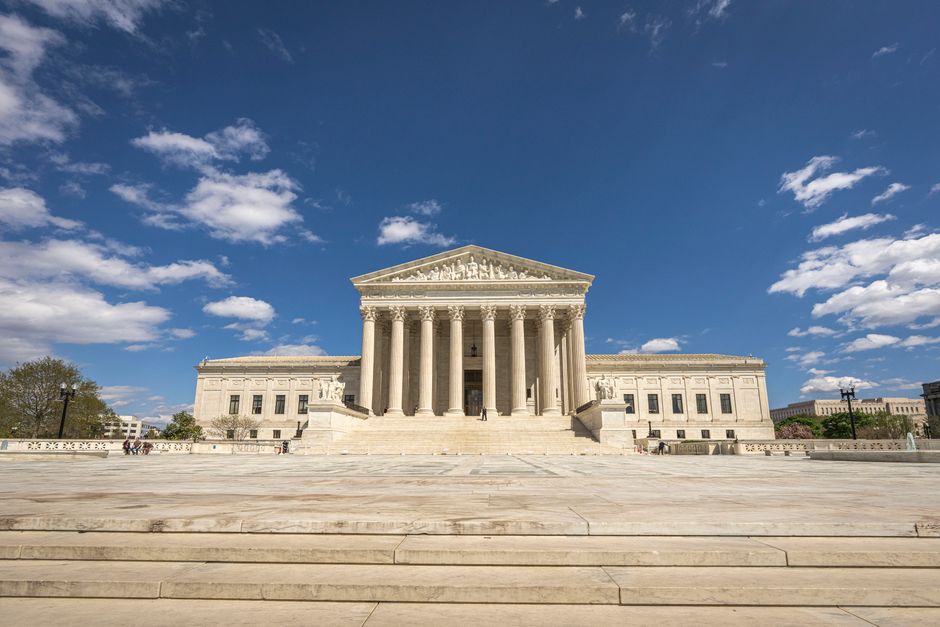
The Supreme Court, as the ultimate arbiter of U.S. law, operates within a framework of constitutional interpretation and precedent. Its decisions have far-reaching consequences for the economy, society, and individual liberties. The Court’s composition, influenced by presidential appointments, directly impacts its decision-making. When issues arising from the digital economy, billionaire influence, or the legacy of a former presidency reach the Court, the implications can be profound. Consider the potential for a case involving the manipulation of cryptocurrency markets, where allegations might center on the actions of influential figures like Musk. Such a case could test existing securities laws, requiring the Court to interpret how these laws apply to decentralized digital assets and the novel forms of influence exerted through social media. The Court would have to grapple with questions of jurisdiction, the definition of financial instruments, and the intent behind alleged manipulative behavior in a digital context.
The synergy between "Doge," "Musk," and "Trump" becomes particularly relevant when examining the potential for legal challenges and regulatory responses. Musk’s enthusiastic promotion of Dogecoin, while often framed playfully, could attract scrutiny from regulatory bodies like the Securities and Exchange Commission (SEC). If Dogecoin, or similar cryptocurrencies, are deemed securities, then practices that influence their price could fall under existing securities fraud laws. Any such investigation or subsequent legal action could eventually escalate to the Supreme Court, especially if the case involves novel interpretations of financial law in the digital age or questions about the extent of an individual’s liability for influencing speculative markets through public statements.
Furthermore, the influence of figures like Trump on judicial appointments directly impacts the Court’s capacity and willingness to address these emerging legal issues. A Supreme Court with justices appointed by Trump, for example, might approach cases involving financial regulation, free speech online, or the separation of powers differently than a court with a different ideological makeup. The Court’s historical approach to precedent and statutory interpretation will be crucial in determining how it navigates the complexities of decentralized finance and the outsized influence of prominent individuals.
The concept of "Trump" also introduces the possibility of legal disputes directly related to his presidency or post-presidency activities that might involve appeals to the Supreme Court. While seemingly unrelated to Dogecoin and Musk, these cases represent the Court’s function as the final adjudicator of legal disputes, some of which may stem from the unique circumstances of a celebrity-turned-politician’s engagement with the U.S. legal and constitutional framework.
The potential for "Doge Musk Trump" to intersect at the Supreme Court is not merely theoretical. Consider a hypothetical scenario where a significant financial collapse is attributed, in part, to the speculative frenzy surrounding a cryptocurrency like Dogecoin, exacerbated by the pronouncements of a high-profile individual like Musk. If lawsuits follow, alleging fraud or market manipulation, and these cases involve significant legal questions concerning the definition of digital assets or the scope of liability for online influence, they could indeed find their way to the Supreme Court. Simultaneously, if investigations into such events touch upon broader regulatory frameworks or constitutional rights, the Court’s established principles will be tested.
Moreover, the impact of Trump’s presidency on the judiciary cannot be overstated. The justices he appointed are now central to the Court’s deliberations on a wide range of issues, including those that might touch upon technology, finance, and individual liberties. If a case involving Musk’s business practices, or the broader regulation of cryptocurrencies, comes before the Court, the composition of the bench, significantly shaped by Trump’s appointments, will be a critical factor in its outcome.
The interconnectedness of these elements also extends to the broader societal impact. The rise of meme culture as a force in financial markets, amplified by billionaires, challenges traditional notions of economic stability and regulatory oversight. The Supreme Court, in its role of upholding the law, is tasked with adapting existing legal principles to these new realities. The influence of figures like Trump further complicates this, as political polarization can seep into judicial processes, even if indirectly.
SEO considerations for this topic would involve a strategic use of keywords such as "Supreme Court cryptocurrency," "Elon Musk Dogecoin SEC," "Trump judicial appointments," "meme stock regulation," "decentralized finance law," "billionaire influence on markets," and "First Amendment online speech." The aim is to capture searches from individuals interested in the legal ramifications of digital assets, the regulatory power of government bodies, the impact of influential figures on markets, and the current state of the U.S. judiciary. Content should be informative, analytical, and provide a deep dive into the potential interactions and implications of these distinct yet increasingly intertwined forces.
The evolution of the legal landscape in response to digital innovation is a paramount concern. The Supreme Court, by its very nature, is a reactive institution, often adjudicating disputes that have already arisen from societal and technological shifts. The emergence of cryptocurrencies and the amplified influence of social media figures like Musk present novel challenges that require careful legal interpretation. Cases that might eventually reach the Supreme Court could force a re-evaluation of existing laws and regulations, potentially leading to landmark decisions that shape the future of digital finance and online discourse.
The role of Donald Trump in shaping the judiciary is a concrete factor that cannot be ignored. His appointments have brought a particular ideological lens to the Court, which will inevitably influence how it approaches complex legal questions. When these questions intersect with the volatile world of cryptocurrency, the influence of figures like Elon Musk, and the broader debates surrounding free speech and market manipulation, the outcome of any Supreme Court case becomes a matter of intense speculation and significant consequence. The interplay between the decentralized, meme-driven world of "Doge," the immense influence of "Musk," and the enduring political and judicial legacy of "Trump" thus forms a fascinating and critical nexus within the American legal and cultural landscape, with potential ramifications that are only beginning to unfold. The very act of searching for this combination of terms reflects a growing awareness of these interconnected forces and their potential to shape legal precedent and societal norms.
