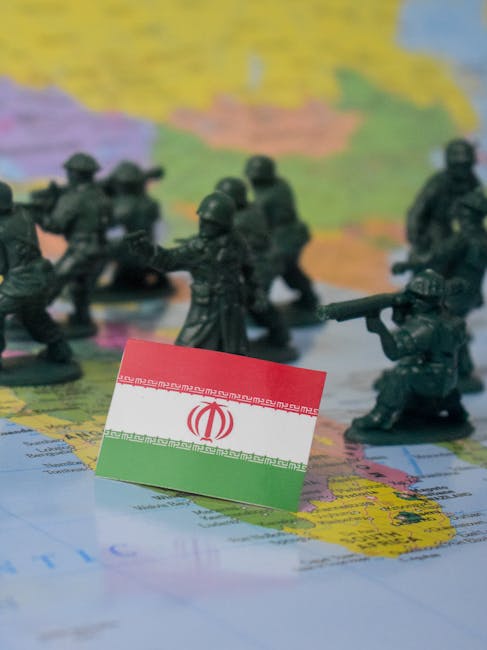
Military Politics: The Interplay of Power, Strategy, and Governance
Military politics, a vast and intricate field, examines the complex relationship between armed forces and the political structures within which they operate. It encompasses the internal dynamics of military organizations, their influence on governmental policy, and the broader geopolitical landscape shaped by military power. Understanding military politics is crucial for comprehending national security, international relations, and the very fabric of state power. This domain is characterized by the constant tension between the state’s need for security and the potential for military institutions to wield undue influence or become instruments of oppression. The size, scope, budget, and technological sophistication of a nation’s military are not merely indicators of its defense capabilities but also potent forces that shape its political agenda and international posture. Civilian control of the military, a cornerstone of democratic societies, is a perpetual challenge, requiring robust institutional checks and balances, transparent oversight, and a deeply ingrained military culture that respects democratic accountability. Conversely, in authoritarian regimes, the military often serves as the ultimate guarantor of power, blurring the lines between military command and political leadership.
The historical evolution of military politics reveals a recurring pattern of the military’s entanglement in political affairs. From ancient empires where military leaders frequently seized or consolidated political power to modern nation-states grappling with the delicate balance of military-civilian relations, this dynamic remains a constant. The rise of professional standing armies in the early modern period, while enhancing state capacity, also introduced new challenges concerning their loyalties and potential for intervention. The Napoleonic Wars, for instance, demonstrated how a charismatic military leader could fundamentally alter the political map of Europe. In the 20th century, the advent of total war, ideological conflicts like the Cold War, and the proliferation of advanced weaponry further amplified the military’s political salience. The constant threat of nuclear annihilation, a direct product of military technology, profoundly shaped global politics and led to the establishment of intricate diplomatic and military command structures designed to prevent accidental or deliberate escalation. The military-industrial complex, a term coined by President Eisenhower, highlights the symbiotic relationship between the military establishment, defense contractors, and political figures, a nexus that can drive policy decisions and budgetary allocations. This complex interplay of interests can sometimes prioritize military solutions over diplomatic ones, leading to increased global tensions.
Internal military politics is as crucial as its external manifestations. Within any armed force, power structures, hierarchies, and informal networks shape decision-making, career progression, and the dissemination of doctrine. Promotions, assignments, and access to resources are often influenced by political considerations, personal relationships, and adherence to prevailing organizational norms. The officer corps, in particular, often develops a distinct professional ideology, shaped by their training, experiences, and the institution’s self-perception. This ideology can sometimes clash with civilian political objectives, leading to friction. Military coups, a stark example of the military intervening directly in politics, occur when disaffected factions within the armed forces perceive a breakdown in civil-military relations, a threat to their institutional interests, or a perceived failure of civilian leadership. Such events, while less common in established democracies, remain a persistent threat in many parts of the world. The reasons for military intervention are multifaceted, often stemming from perceived corruption, political instability, ethnic or religious divisions, or a belief that the military can provide a more effective form of governance.
Civilian control of the military is a fundamental principle designed to ensure that the armed forces serve the interests of the state and its citizens, rather than their own or those of a particular faction. This control is typically exercised through a variety of mechanisms: legislative oversight of military budgets and operations, civilian leadership of the Department of Defense or equivalent ministries, judicial review of military actions, and a free press that can investigate and report on military affairs. A robust military establishment, while necessary for national security, can also become a powerful lobby within the political system. Defense budgets represent significant portions of national expenditures, and decisions regarding procurement, deployment, and strategic doctrine have far-reaching economic and political consequences. Military leaders often have direct access to political leaders, and their advice carries considerable weight in matters of national security. The challenge lies in ensuring that this advice is objective and aligned with broader national interests, rather than driven by institutional self-preservation or a narrow view of security.
The concept of "military professionalism" is often invoked in discussions of civil-military relations. Professional soldiers are expected to be experts in the art of war, loyal to the constitution, and subordinate to civilian authority. However, the boundaries of professionalism can be tested when military leaders become involved in political discourse, endorse political candidates, or express strong opinions on domestic policy. The politicization of the military, where armed forces are used to advance partisan agendas or suppress dissent, is a grave threat to democratic stability. Conversely, a military that is too detached from the political realities of its nation might struggle to effectively execute its mission or may become an anachronism in a rapidly changing world. The ideal is a military that is apolitical in its internal operations but politically informed in its understanding of national objectives and the strategic environment.
Geopolitics and military politics are inextricably linked. A nation’s military capabilities directly influence its standing in the international arena, its ability to project power, and its diplomatic leverage. The arms race, a competitive buildup of military capabilities between states, is a classic manifestation of military politics on a global scale. Arms procurement decisions are not solely based on perceived threats but are also influenced by domestic political considerations, economic interests, and the desire to maintain parity or superiority over rivals. Alliances, such as NATO or regional security pacts, are formed on the basis of shared military objectives and can profoundly shape the geopolitical landscape. The strategic doctrines adopted by states – whether offensive, defensive, or deterrence-focused – reflect their political objectives and their assessment of potential threats. The proliferation of advanced weaponry, including nuclear weapons, has created new security dilemmas and necessitated complex arms control negotiations and international treaties.
The role of military intelligence in shaping political decisions is also a significant aspect of military politics. Intelligence agencies gather information about potential adversaries, assess threats, and provide assessments that inform policy choices. The interpretation and dissemination of intelligence can be influenced by political pressures, leading to situations where intelligence is manipulated to support pre-existing political agendas. The transparency and accountability of intelligence agencies are therefore crucial for maintaining democratic control. The history of intelligence failures, such as those leading up to the Iraq War, underscores the profound impact that flawed or politically biased intelligence can have on military and political outcomes.
Contemporary military politics is further complicated by the rise of non-state actors, asymmetric warfare, and the increasing use of technology in conflict. The fight against terrorist organizations, for example, often blurs the lines between military and law enforcement functions, and can lead to debates about the appropriate use of military force in domestic contexts. Cyber warfare represents a new frontier in military politics, with nations developing capabilities to disrupt critical infrastructure and influence political processes through digital means. The privatization of military services, with the rise of private military companies (PMCs), has also introduced new complexities, raising questions about accountability, legal status, and the potential for these entities to operate outside of traditional military-civilian oversight. The engagement of PMCs in conflict zones can sometimes lead to a diffusion of responsibility and a weakening of state control.
The economic dimensions of military politics are also substantial. Defense spending represents a significant portion of government budgets in many countries, influencing fiscal policy, technological innovation, and employment. The defense industry, with its powerful lobbying efforts, can exert considerable influence on political decision-making regarding arms procurement and military strategy. This symbiotic relationship between the military and industry can sometimes lead to an overemphasis on military solutions to complex geopolitical problems. The economic impact of conflict, including the cost of maintaining large standing armies, conducting military operations, and rebuilding war-torn regions, is a constant consideration in political decision-making.
Ultimately, military politics is a dynamic and ever-evolving field that requires continuous analysis and adaptation. The inherent power of military institutions, coupled with their essential role in national security, necessitates a vigilant and informed approach to governance. The maintenance of civilian control, the promotion of transparency, and the fostering of a professional military that is both capable and accountable are paramount for ensuring peace, stability, and the effective functioning of democratic societies. The interplay between military power and political will is a constant negotiation, shaping domestic policies, international relations, and the very future of global security. Understanding this intricate relationship is not merely an academic exercise but a fundamental requirement for navigating the complexities of the modern world. The challenges are ongoing, from managing nuclear arsenals and preventing proliferation to addressing the ethical implications of artificial intelligence in warfare and ensuring that military interventions are conducted with clear strategic objectives and adherence to international law. The ongoing debate surrounding defense spending priorities, the role of the military in a globalized economy, and the impact of technological advancements on warfare all fall under the purview of military politics, demanding constant engagement from policymakers, scholars, and citizens alike. The successful integration of military capabilities with diplomatic strategies and economic development remains the ultimate aspiration for a secure and prosperous global order.
