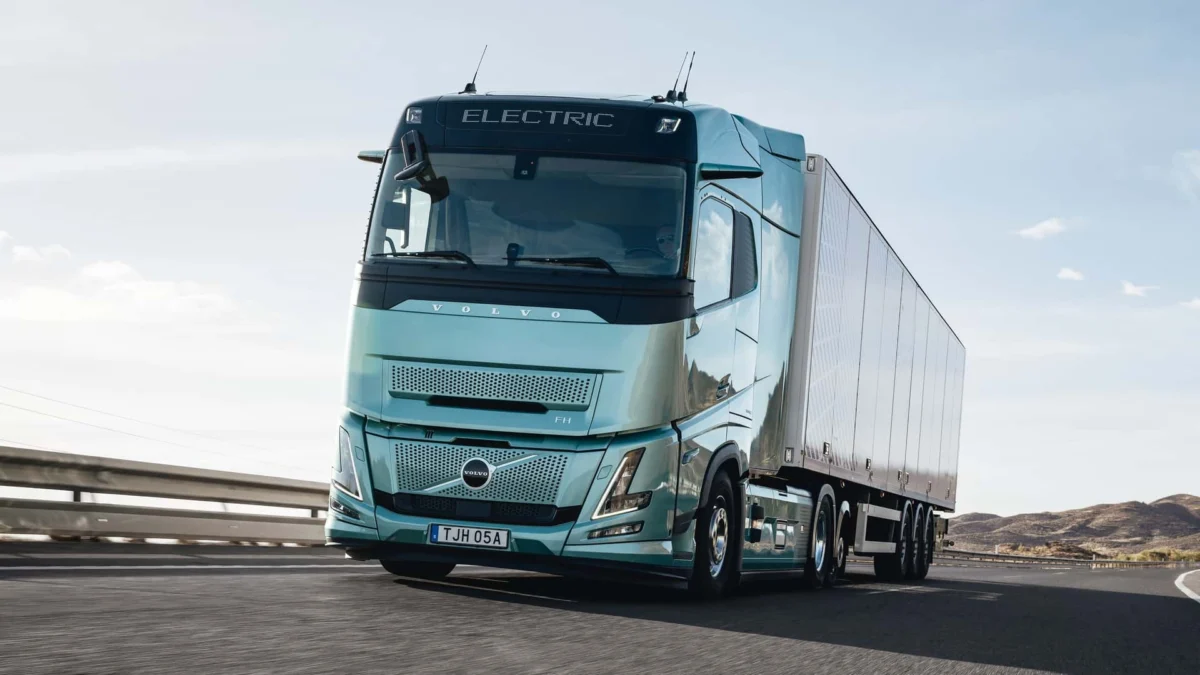
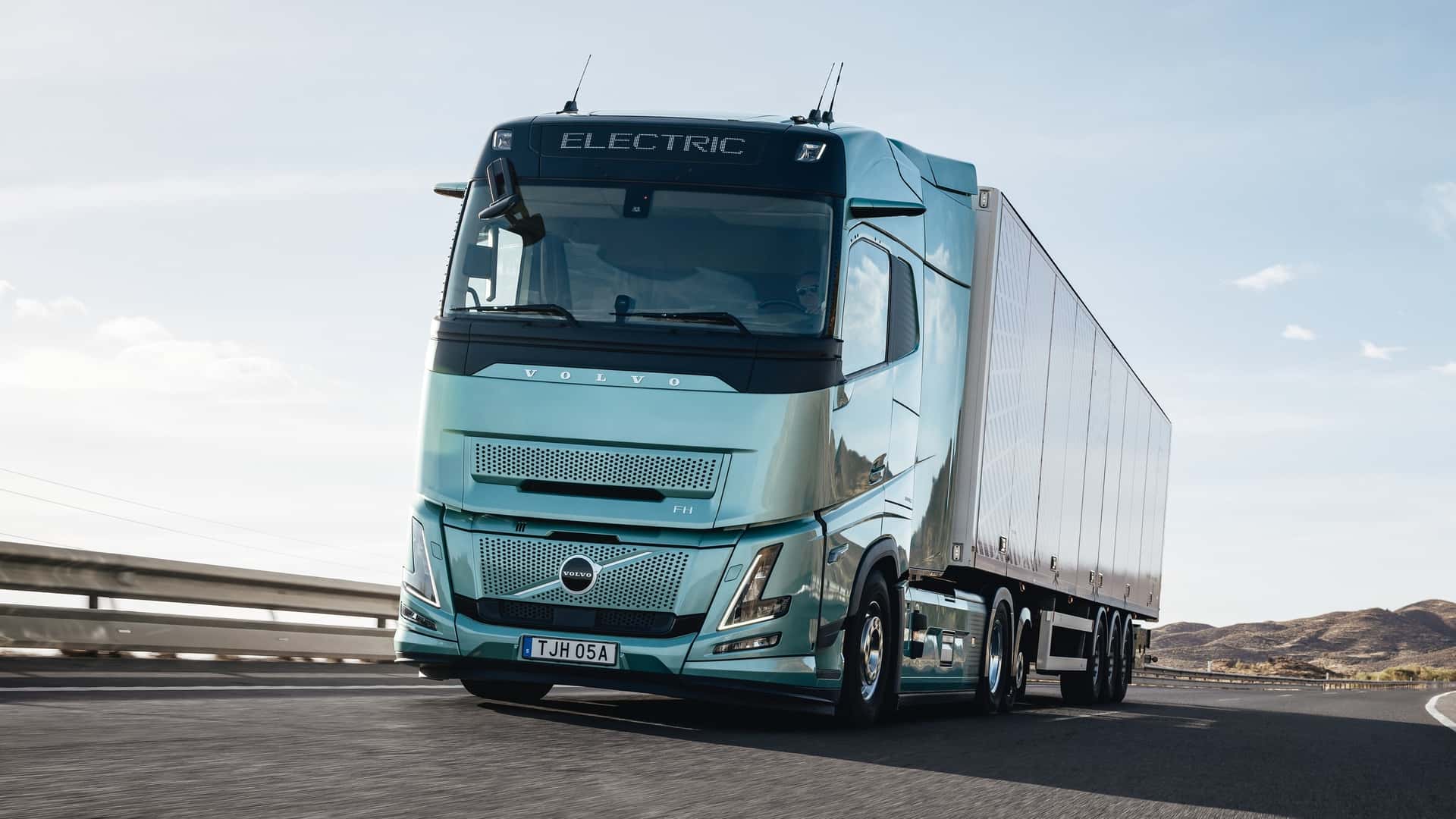
Volvo Trucks has officially introduced a significant advancement in the heavy-duty electric vehicle sector with the debut of the FH Aero Electric with Extended Range, a long-haul tractor capable of covering up to 700 kilometers (approximately 435 miles) on a single charge. This development represents a substantial leap in operational efficiency for zero-emission logistics, providing roughly 100 kilometers (62 miles) of additional range compared to the standard FH Aero Electric model. The achievement is the result of a multifaceted engineering approach that integrates cutting-edge electric motor technology, optimized battery chemistry, and sophisticated aerodynamic refinements designed to minimize drag and maximize energy conservation.
By reaching the 700-kilometer threshold, Volvo Trucks is addressing one of the primary hurdles to the widespread adoption of electric heavy-duty transport: range anxiety. For fleet operators, the ability to cover long distances without frequent stops for charging is critical to maintaining tight delivery schedules and ensuring the economic viability of electric fleets. This new model positions Volvo as a frontrunner in the race to decarbonize the "hard-to-abate" long-haul trucking segment, where weight and distance have traditionally favored internal combustion engines.
Engineering Innovation: The Integrated Electric Rear Axle
The cornerstone of the FH Aero Electric’s extended range is a newly designed electric rear axle, or e-axle. Unlike traditional electric truck configurations that place motors in the center of the chassis and connect them to the wheels via a prop shaft, Volvo’s e-axle integrates the electric motors, power electronics, and a six-speed transmission directly into the rear axle housing. This compact design serves two purposes: it reduces mechanical losses through a more direct power flow and, crucially, frees up significant space along the truck’s frame.
By relocating the propulsion components to the axle, Volvo engineers created the necessary volume to accommodate a larger high-voltage battery system. The extended-range model utilizes this space to house up to eight individual L-shaped battery packs. These packs provide a maximum usable energy capacity of 725 kilowatt-hours (kWh). In contrast, the standard FH Aero Electric, which utilizes a different drive unit featuring two motors paired with an eight-speed powershift transmission, offers a maximum energy capacity of 540 kWh and a range of 600 kilometers (373 miles).
The FH Aero Electric with Extended Range is available in two power output configurations to suit various regional and operational requirements. The entry-level variant delivers 570 horsepower (420 kilowatts), while the high-performance version produces 625 hp (460 kW). This power is delivered through a 13-tonne traditional axle architecture, ensuring that the truck maintains the durability required for heavy-duty freight while benefiting from the instantaneous torque characteristic of electric propulsion.
Aerodynamics and the "Aero" Philosophy
The "Aero" designation in the model’s name refers to a complete redesign of the truck’s exterior, which was first introduced earlier in 2024. Volvo’s engineers extended the front of the cab by 24 centimeters compared to the classic FH model. This slight elongation allows for a more tapered, wedge-like shape that significantly improves the coefficient of drag. In the world of heavy trucking, where a vehicle’s frontal area is massive, even minor improvements in aerodynamics can lead to double-digit gains in energy efficiency at highway speeds.
Further enhancing the aerodynamic profile is the optional Camera Monitor System (CMS), which replaces traditional large side mirrors with slim, wing-mounted cameras. These cameras stream high-resolution video to screens inside the A-pillars of the cab. This system not only reduces wind resistance but also improves visibility for the driver in rain or low-light conditions, contributing to both efficiency and safety. The combination of the extended cab and the camera system is estimated to contribute significantly to the truck’s ability to hit the 700-kilometer mark.
Charging Infrastructure and the Megawatt Standard
To support the massive 725 kWh battery capacity, Volvo has equipped the FH Aero Electric with Extended Range with the latest charging technology. The truck features a Megawatt Charging System (MCS) connector, an industry-standard interface designed specifically for the high-energy demands of heavy-duty vehicles. When connected to a megawatt-capable DC fast charger, the truck can accept up to 700 kW of power.
Under optimal conditions, a 700 kW charger can replenish the batteries from 20% to 80% state-of-charge in approximately 50 minutes. This timing is strategically aligned with European mandatory driver rest periods, which require a 45-minute break after 4.5 hours of driving. For regions where megawatt charging is not yet available, the truck remains compatible with 350 kW CCS (Combined Charging System) fast chargers, which can perform the same 20-to-80% charge in roughly 85 minutes.
Additionally, both the standard and extended-range versions of the FH Aero Electric are available with an electric power take-off (ePTO). This feature allows the high-voltage traction battery to power auxiliary systems such as refrigeration units for temperature-controlled freight or hydraulic pumps for construction equipment, eliminating the need for a separate diesel generator or engine idling.
Operational Specifications and Configurations
While the extended-range model offers impressive distance capabilities, it is designed for a specific operational envelope. The truck has a Gross Combination Weight (GCW) of up to 48 tonnes, with a maximum payload capacity of approximately 28 tonnes. Currently, Volvo offers this model in a single 6×2 chassis configuration equipped with a lightweight tag axle. This setup is optimized for the weight distribution of the larger battery packs while maintaining the maneuverability required for regional and international hauling.
Regarding driver comfort, Volvo continues to offer its flagship cab options: the Globetrotter and the Globetrotter XL. These cabs are renowned in the industry for their ergonomic design, standing height, and storage capacity, ensuring that long-distance electric driving does not come at the expense of the operator’s well-being.
However, Volvo acknowledges that different logistics tasks require different tools. The standard FH Aero Electric remains the more versatile option for heavy-haul applications. While it has a shorter range, the standard model supports a GCW of up to 65 tonnes and offers a wide array of axle configurations ranging from 4×2 to 8×4. This allows operators involved in construction or heavy machinery transport to choose a configuration that prioritizes weight-bearing capacity over maximum range.
Historical Context and Volvo’s Electrification Timeline
Volvo Trucks’ journey toward this 700-kilometer milestone began in earnest in 2019 when the company launched its first medium-duty electric trucks, the FL and FE Electric, aimed at urban distribution and refuse collection. By 2022, the company had scaled its production to include a full range of heavy-duty electric models, making it the first global truck manufacturer to offer a complete lineup of zero-emission vehicles.
The introduction of the FH Aero cab in early 2024 marked a shift toward optimizing long-distance efficiency. The subsequent announcement of the Extended Range variant demonstrates the rapid pace of battery and drivetrain evolution. Volvo’s strategy is rooted in its commitment to the Paris Agreement, with a goal of reaching net-zero greenhouse gas emissions across its entire value chain by 2040. To achieve this, Volvo aims for 50% of its global truck sales to be electric by 2030.
Industry Implications and Competitive Landscape
The launch of the FH Aero Electric with Extended Range places Volvo in direct competition with other emerging electric semis, most notably the Tesla Semi and the Mercedes-Benz eActros 600. Tesla has claimed ranges of up to 500 miles (800 km) for its Semi, though third-party verification and widespread availability in the European market remain limited. Mercedes-Benz recently showcased its eActros 600, which offers a range of 500 kilometers (310 miles) and emphasizes the use of Lithium Iron Phosphate (LFP) battery technology for longevity.
Volvo’s move to 700 kilometers is a tactical strike aimed at capturing the European "Green Corridors"—routes where charging infrastructure is being prioritized. Analysts suggest that a 700-km range, combined with megawatt charging, makes electric trucks viable for nearly 80% of regional and long-haul freight tasks in Europe.
Furthermore, the shift toward electric trucks is being accelerated by regulatory pressure. The European Union has implemented strict CO2 reduction targets for heavy-duty vehicles, requiring a 45% reduction by 2030 and a 90% reduction by 2040. In many European cities, "Zero Emission Zones" are also being established, which will eventually ban diesel-powered trucks from entering urban centers, making electric heavy-duty vehicles a necessity rather than a choice for logistics firms.
Economic and Environmental Analysis
From an economic perspective, the Total Cost of Ownership (TCO) for electric trucks is becoming increasingly competitive with diesel. While the initial purchase price of an electric truck like the FH Aero remains higher, the savings in fuel and maintenance provide a long-term advantage. Electric motors have fewer moving parts than internal combustion engines, leading to lower service costs and higher uptime.
Environmentally, the impact is profound. A single heavy-duty diesel truck can emit over 100 tonnes of CO2 annually. Replacing a diesel fleet with FH Aero Electric trucks significantly reduces a logistics company’s carbon footprint, which is becoming a key requirement for major retailers and manufacturers looking to decarbonize their supply chains.
The Volvo FH Aero Electric with Extended Range represents more than just a technical update; it is a signal that the heavy-duty transport industry is entering a new phase of maturity. By combining high-capacity energy storage with superior aerodynamics and rapid charging, Volvo is providing the logistics industry with a credible, high-performance alternative to fossil fuels, moving the world one step closer to a sustainable transport future.