Understanding and Supporting Category Victims: A Comprehensive Guide
The term "category victim" refers to individuals who are unfairly disadvantaged, discriminated against, or harmed due to their membership in a particular social group or category. These categories can be based on a wide range of factors, including race, ethnicity, gender, sexual orientation, religion, disability, age, socioeconomic status, nationality, or any other characteristic that society uses to stratify and classify people. The impact of being a category victim is profound, extending beyond individual experiences to affect entire communities and perpetuate systemic inequalities. Recognizing the existence and prevalence of category victims is the first crucial step in developing effective support mechanisms and fostering a more equitable society. Understanding the underlying mechanisms of categorization, stereotyping, prejudice, and discrimination is essential to dismantle the structures that create and sustain these vulnerabilities. This article aims to provide a comprehensive overview of category victims, exploring the diverse forms of harm they experience, the psychological and societal consequences, and actionable strategies for providing meaningful support.
Category victims often face multifaceted forms of harm. This can manifest as direct discrimination in areas like employment, housing, education, and healthcare, where individuals are denied opportunities or treated unfavorably based solely on their group affiliation. For example, racial minorities may experience differential treatment by law enforcement, leading to disproportionate arrest rates and harsher sentencing. Women can face the gender pay gap, glass ceilings in corporate environments, and pervasive sexual harassment. LGBTQ+ individuals may encounter discrimination in employment, marriage rights, and access to healthcare, particularly in less accepting regions. People with disabilities often grapple with inaccessible infrastructure, prejudiced attitudes, and a lack of reasonable accommodations, limiting their participation in society. Elderly individuals might be subjected to ageism, leading to assumptions about their capabilities and exclusion from certain activities. Immigrants and refugees can face xenophobia, exploitation, and difficulties integrating due to language barriers and cultural misunderstandings. The insidious nature of systemic discrimination means that these disadvantages are not isolated incidents but rather embedded within societal norms, policies, and institutions, creating a continuous cycle of marginalization.
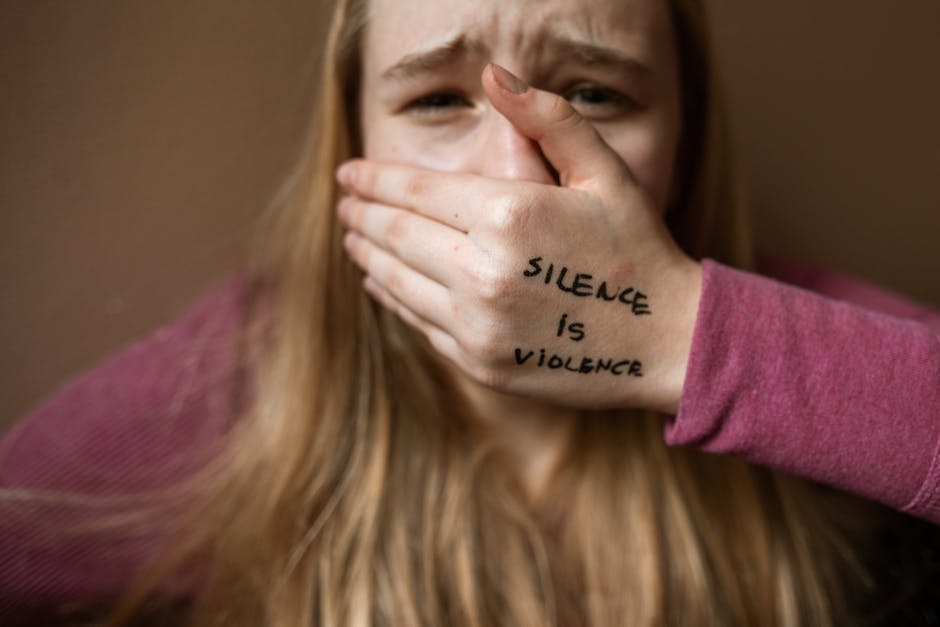
The psychological and emotional toll on category victims is substantial. Experiencing prejudice and discrimination can lead to chronic stress, anxiety, depression, and feelings of isolation. The constant vigilance required to navigate a world that may be hostile or unwelcoming can be emotionally exhausting. Internalized oppression, where individuals begin to believe the negative stereotypes about their own group, can further erode self-esteem and a sense of worth. This psychological burden can impact mental health, academic performance, career progression, and overall well-being. The feeling of being constantly "othered" or judged can lead to a profound sense of not belonging, impacting social connections and the ability to form trusting relationships. Furthermore, repeated exposure to microaggressions – subtle, often unintentional expressions of prejudice – can accumulate over time, creating a cumulative psychological injury that is often overlooked by those who do not experience it. The fear of retaliation or further discrimination can also silence victims, preventing them from speaking out or seeking help, thus perpetuating their suffering in silence.
Societal consequences of victimhood based on categories are far-reaching. When significant portions of the population are systematically disadvantaged, it limits their potential contributions to society. This loss of talent and innovation can hinder economic growth and social progress. Moreover, widespread discrimination fosters social division, distrust, and conflict, undermining social cohesion and stability. The perpetuation of stereotypes reinforces prejudice across generations, creating a continuous cycle of inequality. Addressing category victimhood is not merely a matter of social justice; it is an economic and political imperative for building stronger, more resilient societies. The underutilization of human capital due to discriminatory practices represents a significant economic loss. Furthermore, societies that are deeply divided by prejudice and discrimination are more susceptible to political instability and social unrest. A more inclusive society, where all individuals are empowered to contribute their full potential, benefits everyone.
Supporting category victims requires a multi-pronged approach that addresses both immediate needs and systemic issues. At an individual level, this involves active listening, validation of experiences, and providing emotional support. Allies can play a crucial role by educating themselves about different forms of discrimination, challenging prejudiced remarks, and advocating for victims. This can range from small, everyday actions to more significant interventions. For instance, interrupting a discriminatory joke, challenging a biased comment in a meeting, or offering support to someone who has experienced prejudice are all vital. For those directly affected, seeking professional help from therapists or counselors specializing in trauma and discrimination can be beneficial. Support groups, where individuals can connect with others who share similar experiences, can foster a sense of community and reduce feelings of isolation. These groups provide a safe space for sharing coping mechanisms, receiving encouragement, and collectively advocating for change.
Beyond individual support, systemic change is paramount. This involves advocating for and implementing policies that promote equality and combat discrimination. Affirmative action programs, diversity and inclusion initiatives in workplaces and educational institutions, and legislation that protects vulnerable groups are essential. Legal aid services and advocacy organizations play a vital role in holding perpetrators accountable and ensuring that victims have access to justice. Education is another critical tool. Raising awareness about the history and impact of discrimination, promoting empathy, and teaching critical thinking skills can help dismantle prejudiced attitudes at their roots. This educational effort needs to be integrated into school curricula, workplace training, and public awareness campaigns. Furthermore, promoting diverse representation in media, politics, and leadership positions can challenge stereotypes and normalize the inclusion of all groups. When individuals see themselves reflected in positions of power and influence, it can have a profound impact on aspirations and societal perceptions.
Reconciliation and restorative justice approaches can also be valuable in addressing the harm caused by category victimhood. This involves creating platforms for dialogue between affected communities and those who have perpetuated harm, fostering understanding, and working towards healing and repair. While often challenging, these processes can contribute to long-term societal change by addressing historical grievances and building trust. The focus here is not solely on punishment but on acknowledging harm, taking responsibility, and actively working to prevent future occurrences. This can involve community-led initiatives, truth and reconciliation commissions, and educational programs designed to foster empathy and understanding. Restorative justice emphasizes repairing harm and rebuilding relationships, which is crucial for healing fractured communities.
The role of allies in supporting category victims cannot be overstated. Allies are individuals who are not members of a marginalized group but actively work to support and advocate for them. This involves using their privilege and platform to amplify the voices of victims, challenge injustice, and create more inclusive environments. Allies should prioritize listening to and learning from the experiences of those they seek to support, rather than speaking for them. They should be prepared to educate themselves, challenge their own biases, and take action, even when it’s uncomfortable. Effective allyship is an ongoing process of learning, unlearning, and continuous engagement. It requires humility, a willingness to make mistakes and learn from them, and a commitment to dismantling oppressive systems. Allies can also advocate for policy changes, support organizations working to combat discrimination, and create inclusive spaces within their own spheres of influence.
Addressing category victimhood is a continuous effort that requires sustained commitment from individuals, institutions, and governments. It involves a critical examination of societal structures, a willingness to challenge ingrained prejudices, and a dedication to building a more just and equitable world for all. The long-term goal is to move beyond a society where individuals are defined and limited by their categories, towards one where everyone has the opportunity to thrive, free from discrimination and prejudice. This necessitates a shift in mindset, moving from a focus on individual blame to an understanding of systemic issues and the collective responsibility to create positive change. By fostering empathy, promoting understanding, and actively working to dismantle discriminatory practices, we can create a society where everyone is valued, respected, and has the opportunity to reach their full potential. The fight against category victimhood is not a single battle but a persistent struggle for a more humane and just future.
