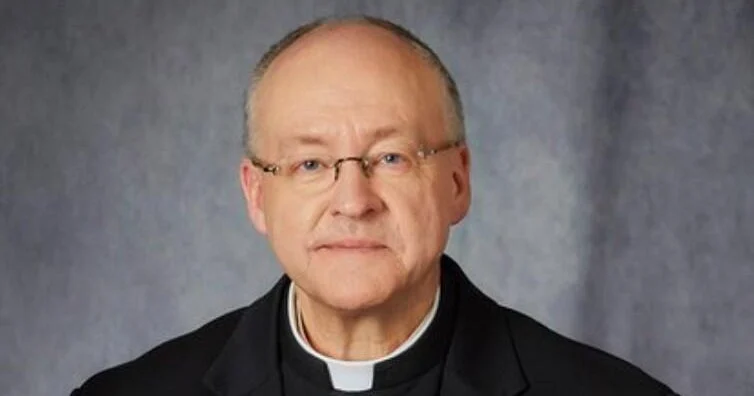
Milwaukee Archbishop Jeffrey Grob and Des Moines Bishop William Joensen have issued public apologies following a high-profile White House gathering that concluded with photographs and video footage of religious leaders praying with President Donald Trump. The imagery, swiftly distributed across official administration channels just weeks before the high-stakes midterm elections, has ignited an intense debate regarding the boundaries of faith, political optics, and the ethical responsibilities of religious figures engaging with the executive branch.
The controversy centers on an invitation extended in September by the White House to a delegation of twelve American Catholic bishops. What was initially framed to the participants as a closed-door, private roundtable addressing critical matters of social policy quickly transformed into a public relations vehicle. According to statements released by the prelates, the gathering was designed to facilitate dialogue concerning immigration enforcement, the availability of religious worker visas, the ongoing national debate surrounding abortion, and the implementation of federal tax credits to support private and parochial education.
Instead of remaining a confidential policy exchange, the administration rapidly published visual media depicting the clergy in prayer with the president. The speed of the release—occurring less than two weeks before voters head to the polls for the midterm elections—prompted immediate criticism from parishioners, advocacy groups, and observers who viewed the timing as a calculated effort to leverage the moral authority of the Catholic Church for partisan gain.
A Chronology of Engagement and Public Backlash
The sequence of events began in late September when the White House reached out to members of the U.S. Conference of Catholic Bishops (USCCB) to propose a policy consultation. Several Catholic members of the presidential cabinet were slated to participate, alongside an invitation for the clergy to offer private prayers with the commander-in-chief. Operating in good faith, the bishops accepted, viewing the platform as an opportunity to advocate for vulnerable populations, discuss humanitarian concerns, and voice Church teachings directly to the nation’s highest office.
On Thursday, October 22, the delegation of twelve bishops arrived at the White House. The discussions proceeded as anticipated, touching upon complex legislative and social frameworks. However, shortly after the meeting concluded, administration media channels released professionally produced videos and photographs highlighting the prayer session.
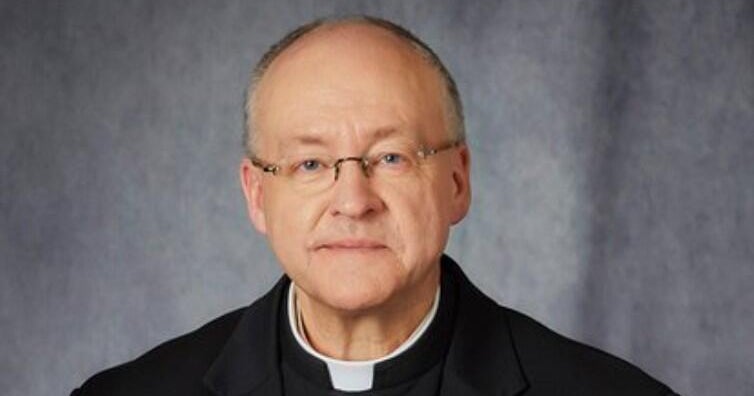
By Sunday, October 26, the backlash from the faithful was palpable. Archbishop Grob reported being inundated with anxious, distraught, and questioning inquiries from members of his archdiocese. In response, he published a statement titled "A Public Apology," detailing his profound sadness not only over the distress caused to his flock, but also over the perceived manipulation of a sacred religious act for political expediency.
Similarly, Bishop Joensen of Des Moines released a candid statement reflecting on his participation. He admitted a sense of naive vulnerability, writing that he wished he had been "more shrewd and less simple" in evaluating the administration’s intentions. While reaffirming his commitment to maintaining an open dialogue with political leaders across the ideological spectrum, Joensen acknowledged that the delegation had been outmaneuvered for partisan advantage.
White House Response and Institutional Divides
When pressed by journalists regarding whether the administration secured explicit consent from the attending bishops prior to publishing the photographs and video recordings, White House press officials declined to address the procedural question directly. Instead, White House spokesperson Taylor Rogers issued a statement emphasizing the administration’s alignment with the demographic: "There has never been a greater president for Catholic Americans than President Trump, and his strong record proves it."
The incident highlights longstanding and complex ideological divisions within the hierarchy of the American Catholic Church. The USCCB comprises bishops with diverse perspectives on the Trump administration and its policy platforms. For instance, Minnesota-based Bishop Robert Barron previously accepted an appointment to the administration’s Religious Liberty Commission—a body predominantly composed of conservative Christian leaders. Conversely, numerous other prelates have vocally opposed the administration’s hardline immigration policies, arguing that mass deportations and strict border controls fundamentally conflict with Catholic social teaching and the moral imperative to welcome the stranger.
Political analysts note that religious figures frequently walk a tightrope when engaging with the executive branch. While ecclesiastical leaders have a historical precedent of lobbying administrations on matters of conscience, education, and social welfare, the modern media landscape often converts nuanced policy discussions into weaponized symbols for electoral consumption. The deployment of religious imagery during a compressed election cycle inevitably exposes clergy to accusations of impropriety and compromised neutrality.
Broader Implications for Church-State Relations
The fallout from the White House meeting underscores the risks inherent in contemporary political engagement for religious institutions. As the United States approaches a pivotal midterm election, both political parties continue to court faith-based demographics aggressively. For Catholic leadership, the episode serves as a cautionary tale regarding the speed and reach of digital media dissemination.
Archbishop Grob noted in his apology that he harbored internal reservations prior to attending the meeting, a hesitation he now deeply regrets ignoring. He emphasized that the delegation entered the executive mansion to alleviate suffering and promote the common good, not to serve as props for a political campaign.
As the ecclesiastical community processes the fallout, the incident is expected to prompt stricter protocols among religious leaders considering interactions with high-ranking government officials. Observers suggest that future delegations will likely demand rigorous non-disclosure agreements, strict limitations on media access, and explicit veto power over any visual or written documentation released from executive chambers.
Ultimately, the episode leaves a lasting imprint on the relationship between the Trump administration and the American Catholic episcopate, illustrating how easily the line between pastoral advocacy and political theater can be blurred in the digital age.