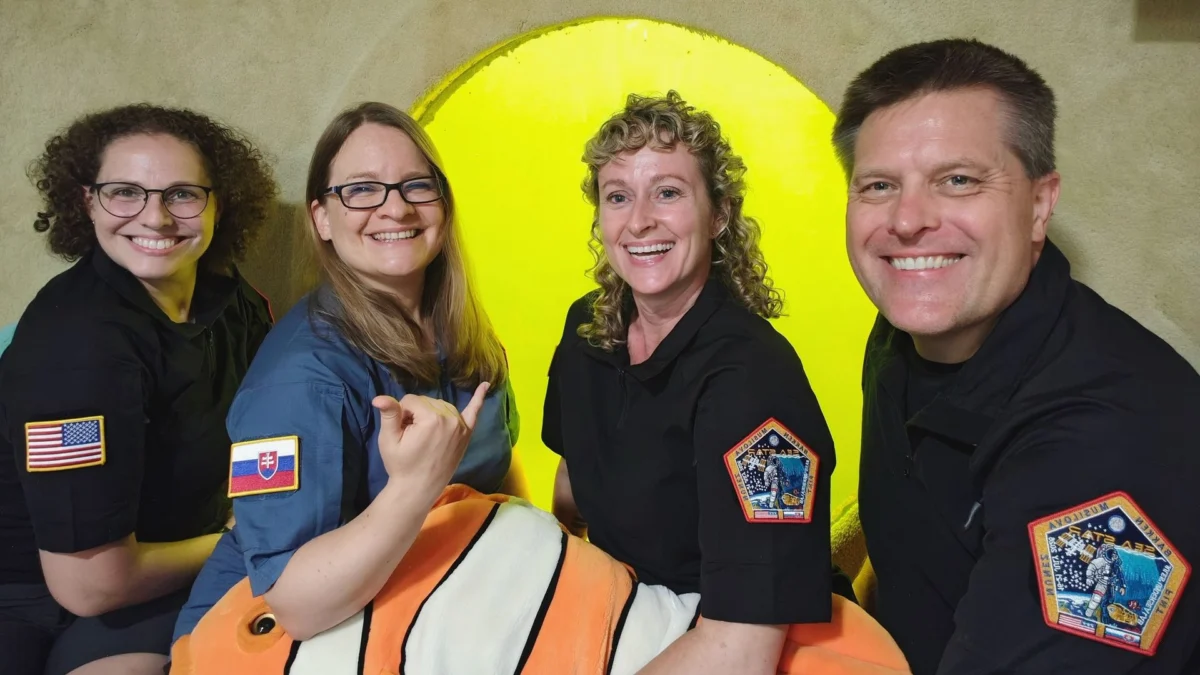
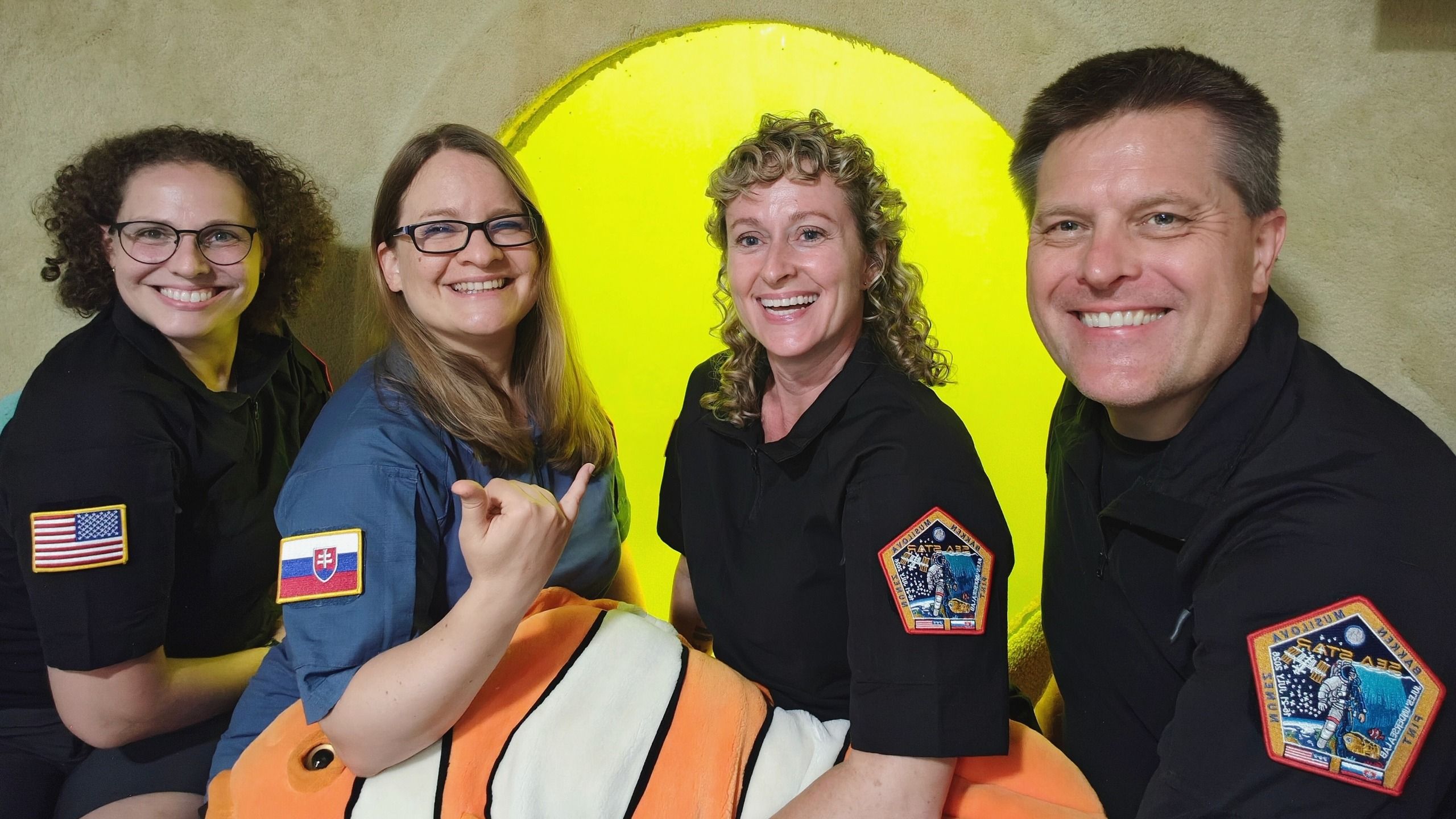
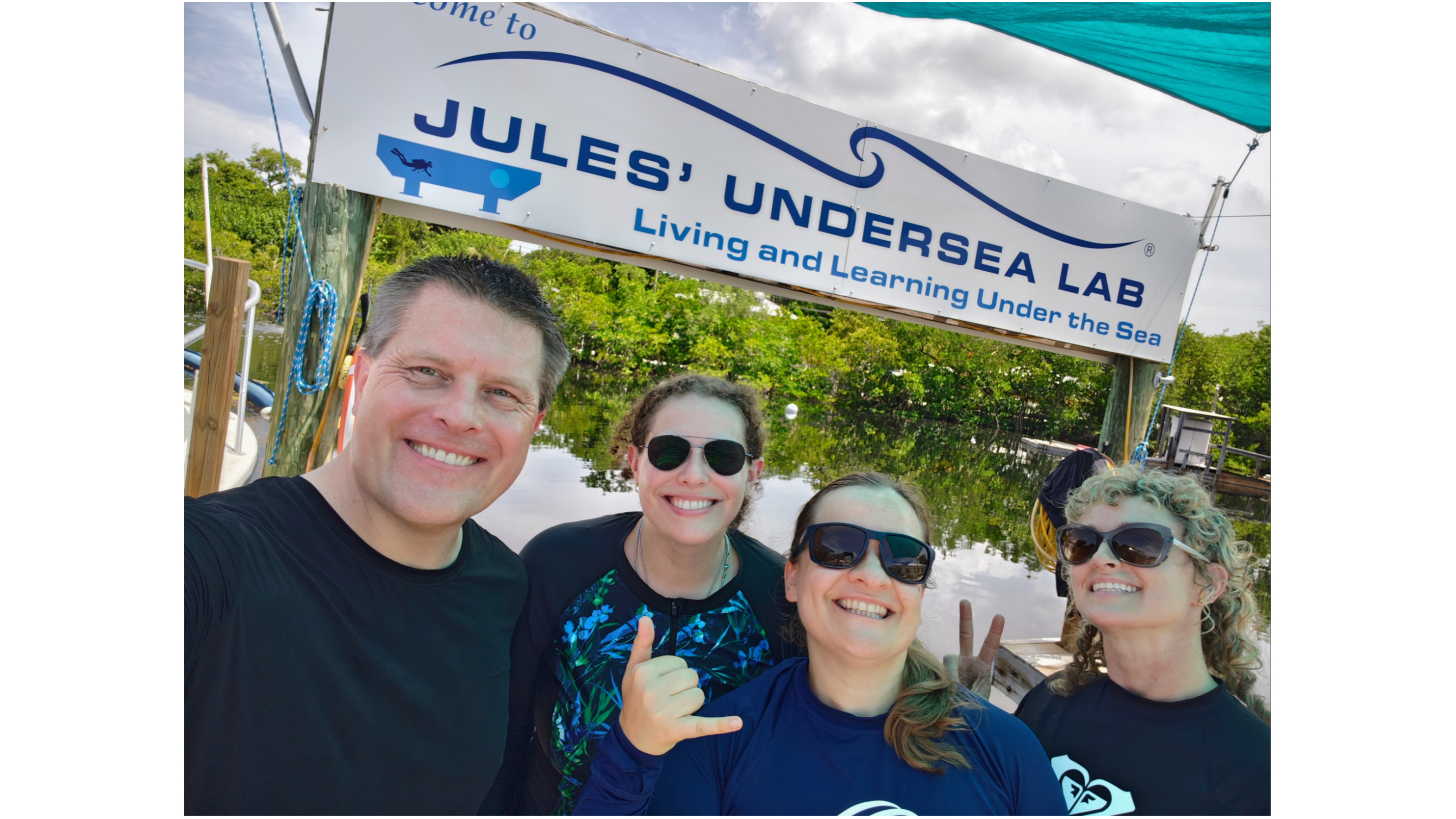
The extreme environments of space exploration often require terrestrial testing grounds that push the boundaries of human endurance, pushing scientists and researchers to extremes far below the ocean’s surface just as often as they look to the stars. This summer, a team of specialized researchers completed a rigorous, multi-day underwater simulation known as the SEA STAR mission, operating out of the Jules’ Undersea Lodge stationed off the coast of Key Largo, Florida. Led by veteran astrobiologist and analog astronaut commander Dr. Michaela Musilova, the four-person crew spent five days submerged 22 feet beneath the surface, officially achieving aquanaut status after enduring more than 24 hours in a state of physiological saturation.
The expedition marks a significant milestone in analog space research. While space agencies routinely use underwater facilities like NASA’s Neutral Buoyancy Laboratory in Houston to train astronauts for spacewalks, independent analog missions integrating habitat living, high-pressure environments, and complex scientific workloads remain rare and logistically daunting. The SEA STAR mission was designed to replicate not only the physical isolation and operational hurdles faced by astronauts aboard the International Space Station (ISS), but also the psychological and physiological stressors anticipated for future long-duration missions to the moon and Mars.
Setting the Stage: The Genesis of the SEA STAR Mission
Planning for the SEA STAR mission required more than a year of meticulous coordination, encompassing regulatory approvals, engineering safety protocols, funding acquisition, and team assembly. Organizing a high-risk underwater habitat deployment demands precision, particularly given the inherent dangers of working in a hyperbaric environment where equipment failure can have immediate, fatal consequences.
Dr. Musilova brought extensive credentials to the helm, having previously served as commander for nearly 40 simulated space missions in terrestrial facilities worldwide, including Mars desert research stations. However, transitioning from land-based isolation chambers to an underwater habitat introduced an entirely new category of operational risk. Unlike terrestrial simulations where evacuation is typically a matter of stepping out of a habitat door, an underwater emergency requires complex decompression protocols, specialized medical evacuation procedures, and absolute reliance on life-support infrastructure maintained under high pressure.
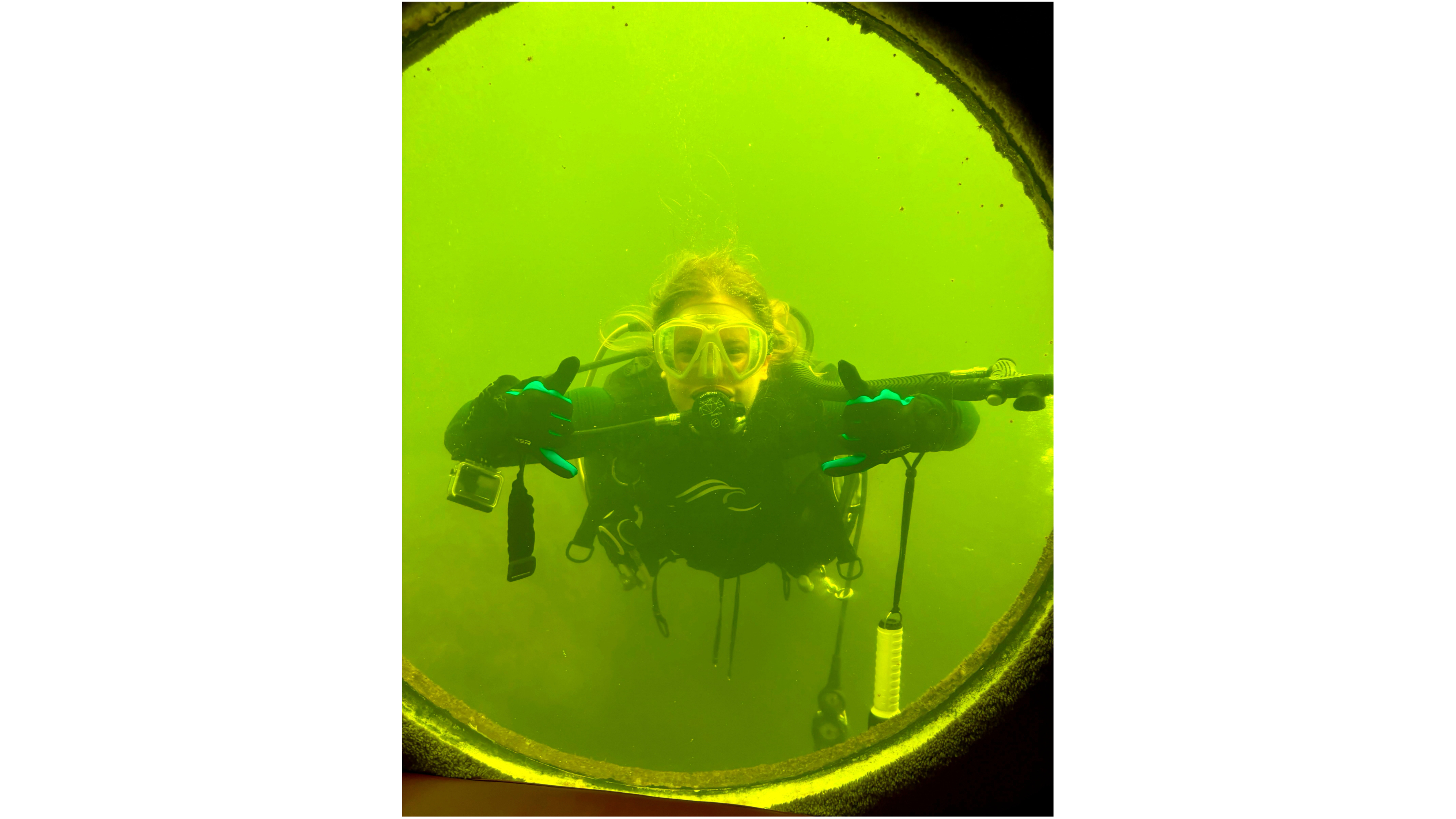
The Jules’ Undersea Lodge provided the operational vessel for the initiative. Originally built as La Chalupa research laboratory in the late 1960s before being repurposed as a habitat and hotel in the 1980s, the facility rests on legs on the bottom of an emerald-green mangrove lagoon. Entering and exiting the habitat requires certified scuba diving through a moon pool located at the bottom of the structure, subjecting divers to constant ambient pressure.
An Interdisciplinary Crew and Rigorous Scientific Objectives
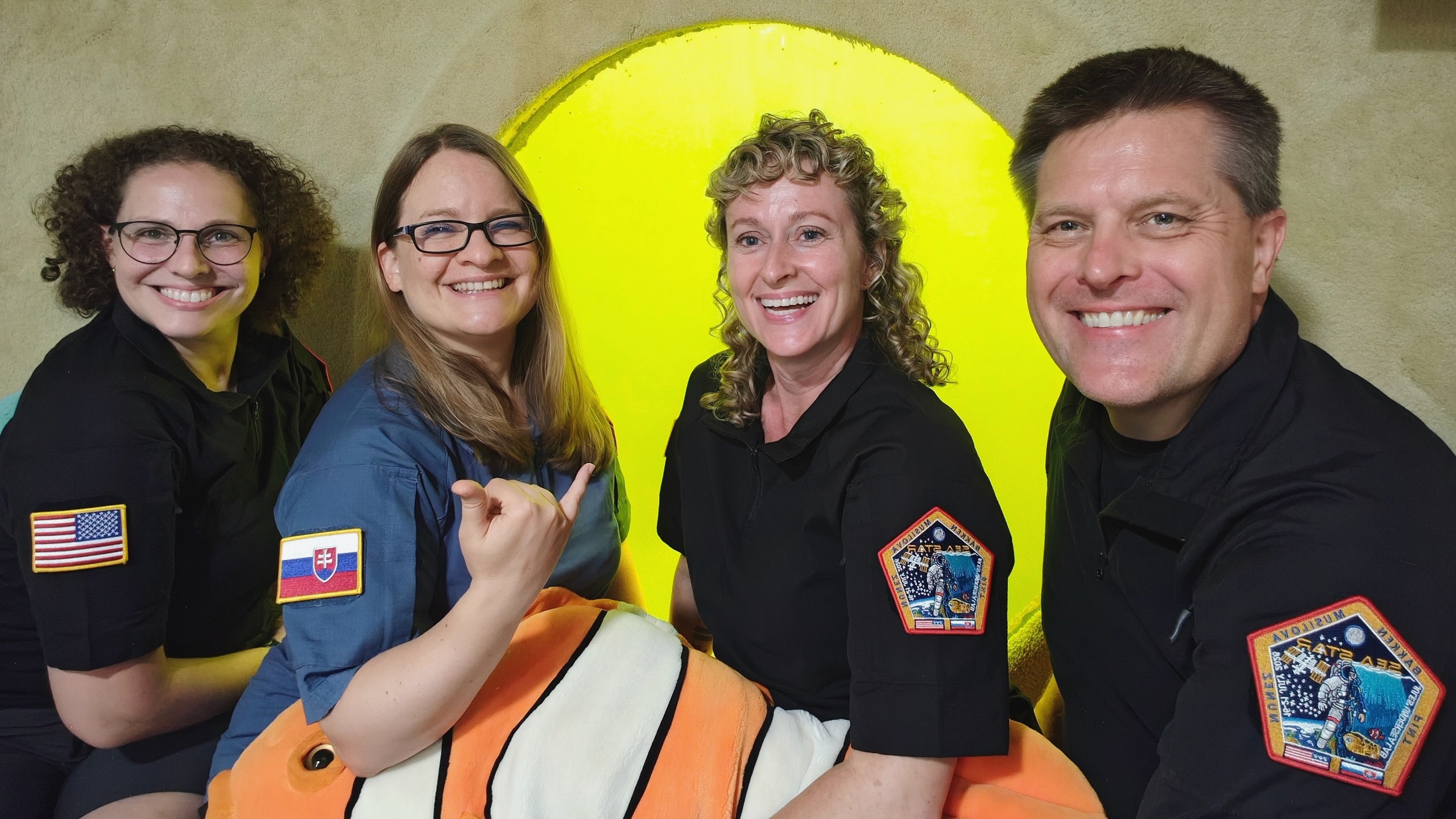
The success of any analog space mission hinges on the competency, cohesion, and resilience of its crew. The SEA STAR mission assembled a highly specialized team of professionals drawn from engineering, industrial safety, and scientific research.
Paul Bakken, an experimental engineer, served as the mission’s Executive Officer, shouldering the complex logistical framework required to keep the habitat operational. Dr. Brandy Nunez acted as the Health and Safety Officer, managing crew wellbeing while concurrently conducting specialized research into the growth and viability of microgreens under high-pressure conditions—a critical area of study for sustainable long-duration space flight. Rounding out the team was Mission Specialist Jenn Pint, an industrial safety expert collaborating with Interstellar Performance Labs to develop new taxonomies for evaluating environmental and crew-interaction dynamics in high-stress isolated environments.
Throughout the five-day deployment, the crew executed a packed schedule of scientific and educational protocols. These included cognitive performance assessments under elevated atmospheric pressure, testing student-built environmental sensors, and conducting simulated spacewalks in the surrounding waters to evaluate neutral buoyancy tools and procedures.
The Physiological Realities of Saturation and Pressure
Living underwater for extended periods fundamentally alters human physiology due to hyperbaric conditions. In a state of saturation, the human body’s tissues absorb inert gases until they reach equilibrium with the surrounding water pressure. While this allows aquanauts to work extensively without undergoing decompression sickness after every single dive, it requires a strict, multi-hour decompression protocol upon final exit to prevent gas bubble formation in the bloodstream.
For the SEA STAR crew, these physiological demands mirrored the systemic stresses astronauts experience in microgravity, such as fluid shifts, cardiovascular adaptation, and psychological fatigue driven by confinement. Medical researchers closely monitored the crew’s vital signs, cognitive agility, and sleep patterns throughout the deployment. The data collected contributes to a broader understanding of how humans perform under chronic physiological stress, offering valuable insights that can be extrapolated to both deep-sea exploration and aerospace medicine.
Comparative Analysis: Land vs. Sea Analog Missions
In the broader context of space exploration training, analog missions serve as an indispensable bridge between theoretical engineering and actual spaceflight. Terrestrial analogs—such as those conducted in the deserts of Utah, the volcanic slopes of Hawaii, or the polar ice caps—primarily simulate the isolation, communication delays, and geological field-work aspects of planetary exploration.
Underwater analogs, however, uniquely replicate the life-critical safety margins of space. In space, a failure of a spacesuit life-support system or an environmental control module is instantly lethal; underwater, a failure of scuba equipment or habitat seals carries an identical gravity. This elevated risk profile fundamentally changes crew psychology, communication structures, and operational discipline. Every routine task, from maintenance to meal preparation, must be executed with heightened situational awareness and adherence to strict safety redundancies.
According to mission leadership, the psychological hurdle of transitioning beneath the waves was one of the most significant barriers to overcome. Despite collective decades of diving and expedition experience among the crew, the absolute reliance on mechanical life support encased by thousands of gallons of water demands an extraordinary degree of self-trust and mutual accountability.
Broader Implications for Future Space Exploration
As commercial spaceflight accelerates and international agencies prepare for permanent outposts on the lunar surface and crewed expeditions to Mars, the value of high-fidelity analog missions continues to rise. Facilities like the Jules’ Undersea Lodge offer cost-effective, high-impact environments to test hardware, evaluate human-system integration, and study team dynamics under duress.
Furthermore, public engagement remains a core pillar of missions like SEA STAR. By livestreaming aspects of their underwater habitation and connecting with educational institutions globally, the crew aims to inspire the next generation of scientists, engineers, and explorers. The intersection of oceanography and aerospace engineering highlights the unified nature of extreme environment research: whether exploring the abyss of Earth’s oceans or the vacuum of interplanetary space, humanity’s push into the unknown relies on rigorous preparation, resilient technology, and uncompromising teamwork.
With the successful completion of the SEA STAR deployment, the crew has returned to surface dry land, bringing back vital data sets, physiological logs, and operational frameworks that will inform future analog missions. As space agencies look toward the horizon of interplanetary travel, the lessons learned 22 feet under the waters of Key Largo will resonate across both terrestrial laboratories and the stars.