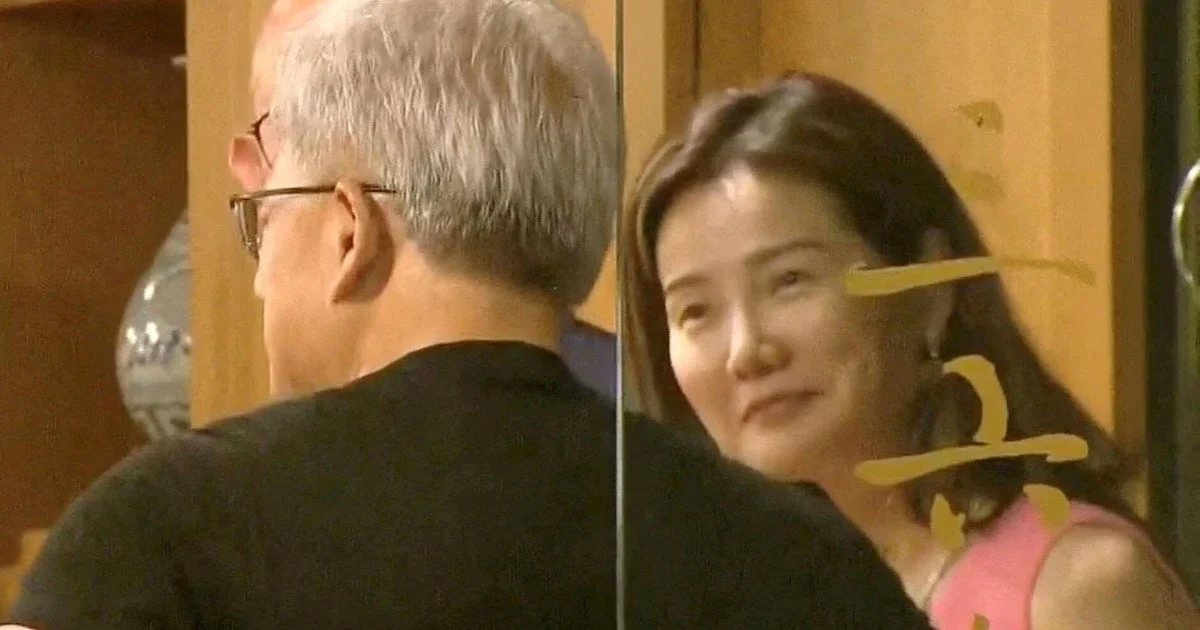
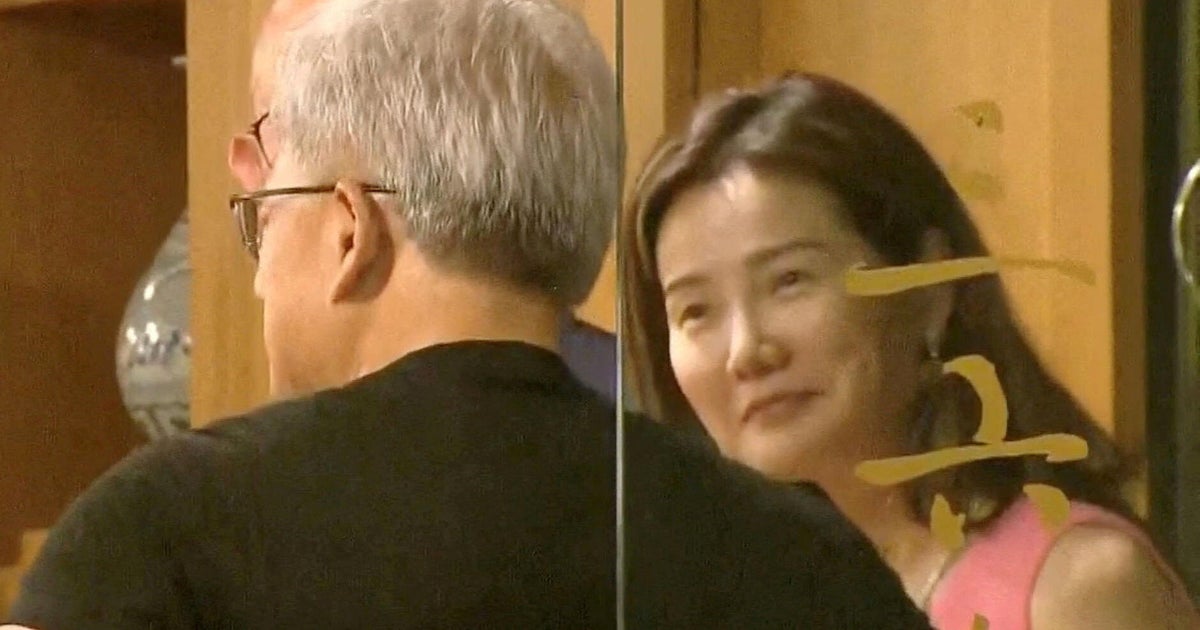
The complex intersection of corporate governance, artificial intelligence dominance, and international espionage reached a new crescendo on Capitol Hill as U.S. intelligence officials delivered a classified briefing regarding the personal and professional ties of Alice Huang. According to individuals familiar with the proceedings who spoke on the condition of anonymity, representatives from the intelligence community informed House and Senate Intelligence Committee staffers that China’s Ministry of State Security (MSS) may have maintained surveillance on Alice Huang and actively sought information from her following the inception of her extramarital affair with Nvidia Chief Executive Officer Jensen Huang.
The closed-door briefing, which spanned two hours and featured senior analysts from across the United States intelligence apparatus, unfolded against a backdrop of escalating geopolitical tension. It arrived just days after President Donald Trump intervened to ensure Jensen Huang’s reinstatement as the head of Nvidia—the world’s premier artificial intelligence chip designer—despite persistent national security apprehensions raised by key administration advisers.
While the intelligence presented to congressional staffers outlined significant counterintelligence friction points, agency officials maintained that critical gaps persist in their understanding of the full scope of the relationship. To date, investigators have found no definitive indication that Alice Huang was specifically tasked with directing espionage operations against Jensen Huang, nor is there concrete evidence suggesting she successfully funneled intelligence of substantial strategic value to Beijing’s spy agencies.
Nevertheless, U.S. counterintelligence authorities established that Alice Huang had documented contact with an MSS intelligence officer starting as early as the spring of 2025. These interactions immediately triggered deep institutional anxiety within American security circles. Under the legal frameworks governing the People’s Republic of China, intelligence collection relies heavily not only on professionally trained operatives and formally recruited assets, but also on everyday citizens who are statutorily obligated to cooperate with national security agencies upon demand. Furthermore, the classified briefing revealed that Kang Wei, widely believed to be Alice Huang’s husband, possessed even more extensive historical ties to the MSS, compounding the administration’s security concerns.
A High-Stakes Timeline and the Genesis of the Investigation
The unfolding controversy stems from a convergence of corporate investigations and high-level government memorandums that came to light in late 2025. Alice Huang previously served as a senior executive at Megaspeed, a Singapore-headquartered technology firm that has found itself under intense U.S. regulatory scrutiny. Federal investigators have spent more than a year probing whether Megaspeed and other entities, such as Super Micro Computer, systematically diverted sensitive, restricted American semiconductor technology to Chinese buyers in violation of federal export controls.
The primary catalyst for the public disclosure of the affair was a classified memorandum drafted in the spring by Secretary of State and National Security Adviser Marco Rubio. The document synthesized months of rigorous U.S. intelligence gathering—including intercepted communications involving Alice Huang—to alert top administration stakeholders to the latent counterintelligence vulnerabilities associated with Jensen Huang’s personal associations.
The memorandum distribution list was comprehensive, reaching the highest echelons of the executive branch. Recipients included Vice President JD Vance, Treasury Secretary Scott Bessent, Commerce Secretary Howard Lutnick, U.S. Trade Representative Jamieson Greer, then-Director of National Intelligence Tulsi Gabbard, CIA Director John Ratcliffe, and senior members of the White House staff. Secretary Rubio also briefed President Trump directly on the contents of the intelligence dossier. Despite persistent formal requests from both the House and Senate Intelligence Committees during Tuesday’s proceedings, the administration did not provide the physical memorandum to congressional staffers.
Corporate Fallout and the Reinstatement of Jensen Huang
The public revelation of the intelligence memo in early November triggered an immediate corporate crisis. Jensen Huang publicly acknowledged the extramarital affair and swiftly tendered his resignation as CEO of Nvidia, a move intended to insulate the multi-trillion-dollar semiconductor giant from regulatory fallout and market panic.
However, the corporate exile was short-lived. Following intensive negotiations and legal assurances, Nvidia’s board of directors reinstated Jensen Huang to the chief executive position less than two weeks after his departure. Sources indicated that the reinstatement was facilitated after senior Trump administration officials assured Nvidia leadership that Jensen Huang was not personally the target of an active Justice Department criminal investigation and that federal authorities currently held no legal grievances against him. Crucially, administration officials emphasized that these legal assurances and clearances did not extend to Alice Huang, whose professional conduct and communications remain central to ongoing federal inquiries.
Megaspeed has consistently denied any wrongdoing or violations of U.S. export control legislation, maintaining through legal representatives that Alice Huang departed the company the previous year. Meanwhile, the FBI and the Department of Justice’s National Security Division continue their parallel criminal investigations into the alleged diversion of cutting-edge artificial intelligence hardware to foreign adversaries.
Broader Implications for National Security and the Tech Sector
The entanglement of Nvidia’s chief executive with an individual tied to Chinese intelligence services underscores the acute vulnerabilities facing America’s technological vanguard. As semiconductors become the central geopolitical currency of the 21st century, foreign intelligence services have increasingly turned their focus toward the private sector, targeting executives, supply chains, and corporate ecosystems to bridge technological gaps.
The unfolding scandal places the Trump administration in a delicate policy balancing act. On one hand, the White House recognizes Nvidia as an indispensable driver of domestic economic growth and artificial intelligence dominance, prompting the administration to stabilize corporate leadership and protect market confidence. On the other hand, the intelligence community’s persistent warnings regarding foreign influence operations highlight the existential risk of corporate espionage in sectors vital to national defense and economic security.
As the legislative branch steps up its oversight, the scrutiny is far from over. Jensen Huang is scheduled to appear on Capitol Hill next week for a closed-door deposition with House lawmakers, followed by high-profile public testimony before the Senate Banking Committee. These upcoming hearings are expected to probe deeper into the boundaries between private corporate governance and national security protocols, setting a critical precedent for how the United States manages the convergence of corporate titans and foreign intelligence threats in the era of artificial intelligence.